
Understanding the Financial Landscape of Organics Collection
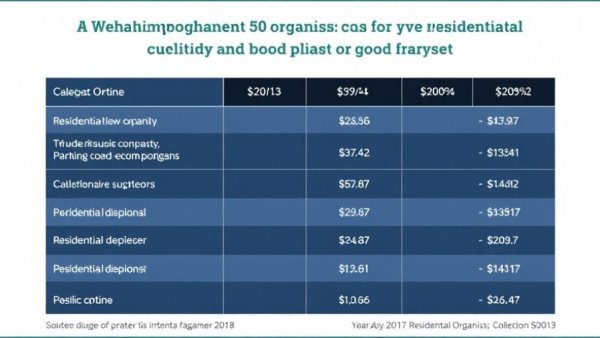
The recent Comparative Cost Analysis for Residential Curbside Organics Collection Programs by NRDC sheds light on the complex financial implications of instituting organics collection within existing waste management systems. While many communities grapple with the upfront financial obligations of introducing an organics program, the report argues that these costs can be manageable with strategic planning. Notably, successful implementation hinges on how well municipalities design these programs to integrate seamlessly with existing services.
The Role of Whole-System Integration
A key insight from the NRDC analysis reveals that municipalities adopting a whole-system integration approach can significantly mitigate the costs associated with organics collection. For instance, cities that take the opportunity to reassess their garbage and recycling collection processes along with organics tend to see a more streamlined operation, which reduces costs overall. This integration is crucial, as merely adding a new service without reconsidering existing methods typically incurs higher expenditures.
Engagement and Participation Correlate with Cost Efficiency
Interestingly, higher participation rates among residents directly correlate with lowered per-household costs for organics collection. Programs that promote better engagement not only enhance community support but also drive down operational costs through economies of scale. For example, a municipality that succeeds in educating residents about the environmental benefits and practicalities of organics collection encourages participation, leading to lower individual costs.
Optimizing Existing Contracts
Many communities have the advantage of existing waste collection contracts that can be adapted to incorporate organics services. The strategic optimization of these contracts can significantly decrease both startup and operating costs. This practice not only preserves financial resources but also allows municipalities to innovate within already established frameworks, ensuring that improvements can be made without the burden of substantial additional costs.
Funding Structures and Financial Sustainability
The report emphasizes that the design of funding and billing structures is critical to the financial sustainability of these organics programs. Communities need to explore diverse funding avenues to support ongoing program costs, ensuring that the financial burden does not disproportionately impact residents. By diversifying funding and considering innovative financial models, local governments can present a more favorable economic outlook for organics collection.
Implications for Future Waste Management Strategies
As municipalities across the country seek to reduce landfill waste, the need for robust organics collection programs becomes increasingly clear. The NRDC's report serves as a call to action for local governments to reassess their waste management strategies holistically. Communities that embrace this shift will be poised not only to meet their waste diversion goals but also to inspire a larger trend towards sustainability in solid waste management.
Creating a Sustainable Future with Organics Programs
The transition to curbside organics collection represents a significant step towards sustainability. Not only does it address the pressing issue of food waste management, but it also plays a vital role in reducing greenhouse gas emissions. By implementing effective organics collection programs, communities can fortify their resilience against climate change while simultaneously enhancing their overall waste management systems.
The NRDC report offers critical insights that challenge the common perception that organics collection inherently leads to increased costs. Instead, it highlights how thoughtful design and integration could make organics recycling a sustainable and affordable addition to residential waste management. Consequently, municipalities now have the opportunity to rethink their current approaches and invest in a greener future.







Write A Comment