
The Promise of Tesla's Full Self-Driving for Drivers with Disabilities
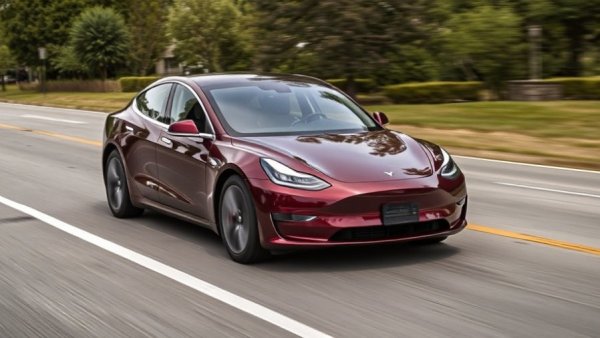
Tesla's Full Self-Driving (FSD) technology represents a significant leap forward in automotive innovation, particularly for individuals facing mobility challenges. For those who cannot drive autonomously due to physical limitations, FSD might not just be a convenience; it could be a lifeline.
Empowering Independence Through Technology
Recent accounts illustrate how FSD provides not only an enhanced driving experience but also fosters independence for various individuals. For example, drivers with conditions like Parkinson’s disease, which may impair motor control, can utilize the FSD system to navigate safely without the same level of physical involvement required in traditional driving. This technology can allow individuals like the author’s daughter to reclaim control of their mobility after incapacitating injuries, such as fractures or temporary disabilities.
The Role of FSD in Aging Populations
As populations age, driving cessation becomes a pressing concern. The fear of losing mobility can lead to feelings of isolation among the elderly, who may depend heavily on personal vehicles for independence. Tesla’s FSD technology may help delay or prevent this decline in mobility. For instance, stories abound of older adults using FSD to attend social functions like church, where they can continue participating in community activities—a key aspect of emotional health and well-being.
Addressing Accessibility Gaps in Transportation
In many parts of the United States, public transportation options are limited, particularly in rural areas. For individuals with disabilities or the elderly, this can create a dependency on others for transportation or the inability to leave home. Tesla’s FSD enables those who may struggle with physical driving demands to regain driving privileges without the need for outside assistance. This development not only enhances individual freedom but can also significantly impact social connectivity and mental health.
Challenges of Supervised Driving
However, the use of Tesla's FSD isn't without obstacles. Users must remain vigilant and ready to intervene—an effort that can be more taxing than simply driving. Critics argue that reliance on automation should only come after thorough capability assessments to ensure safety. This brings forth a critical conversation about regulations, user training, and the potential for over-reliance on technology amid physical challenges.
Innovative Solutions for Enhanced Livelihoods
A blend of personal stories and technological advancements paints a vivid picture of how FSD could reshape mobility for millions of drivers with disabilities. For many, FSD represents a bridge to independence. As the technology continues to evolve, the potential to revolutionize personal mobility for disabled and elderly populations grows, revealing the profound impact of innovation in addressing societal challenges.
As we ponder the implications of FSD technology for individuals who need it most, one must consider not only the regulatory landscape but also the ethical dimensions of automation. According to industry experts, moving forward, this technology could redefine mobility norms in contemporary society, ensuring that all individuals retain a semblance of independence.
Conclusion: Driving Towards Inclusivity
As discussions around the future of transportation continue, it’s imperative to recognize the contributions of technologies like Tesla's FSD in promoting inclusivity. Engaging in conversations about the use, challenges, and potential of this technology can empower those affected by disabilities to seek out innovative solutions and maintain their independence on the road.




Write A Comment