

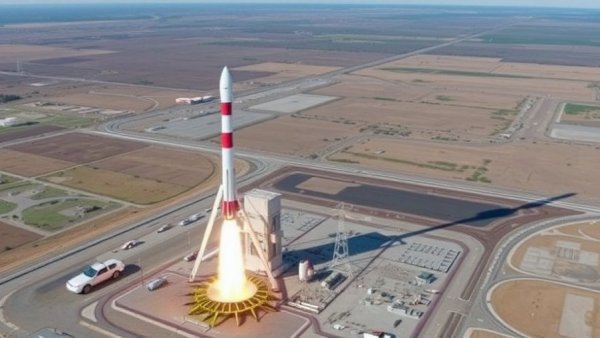
Natural Gas: An Unlikely Partner for Space Exploration
In an era where fossil fuels face heightened scrutiny, the role of natural gas as a key player in the aerospace industry is garnering attention. As rocket launches become commonplace, SpaceX has emerged not only as a leader in space travel but also as one of the most significant consumers of natural gas for propelling its rockets. This shift may signal a broader trend in how we perceive energy sources in relation to space exploration.
Connecting the Dots: SpaceX's Infrastructure Expansion
As SpaceX gears up for an ambitious launch schedule, it is taking proactive measures by investing heavily in its own supply chain. The startup is constructing new natural gas pipelines that will support its burgeoning fleet of rockets, ensuring a steady supply of methane-based fuel. This evolution illustrates a strategic move towards energy independence in rocket fuel production, as the company recognizes the necessity of controlling its fuel resources to sustain planned operations.
Methane: The Fuel of Choice for SpaceX
Methane, derived from natural gas, is increasingly becoming the preferred choice for rocket fuel among leading aerospace firms. SpaceX’s choice is chiefly driven by its efficiency and compatibility with its Starship model, which employs liquid methane and liquid oxygen as propellants. Research shows that methane burns cleaner than conventional rocket fuels, which could have implications not only for efficiency but also for environmental sustainability in space missions.
Future Launches and the Pipeline Economy
As the company plans for extensive launch operations, including the ambitious Starbase project in Louisiana, the establishment of robust pipeline infrastructure is critical. The proposed 32.4-mile pipeline connecting SpaceX operations in Cape Canaveral with existing resources showcases the integration of the energy sector and space exploration. Additionally, the nearby Starpipe project in Texas highlights how SpaceX is paving the way for a new economic model that intertwines natural gas production and aerospace logistics.
Environmental Considerations: Balancing Growth with Sustainability
Despite the benefits of using methane, there remains an ongoing discourse about the impact of fossil fuel consumption on the environment. Critics argue that as the space industry expands, its reliance on natural gas could perpetuate the very challenges of climate change the world is trying to combat. This poses important questions about the balance between technological advancement and environmental responsibility as SpaceX and others forge ahead into the next frontier.
Community Impact: Local Growth at a Cost
The development of Starbase, Louisiana, does not only mark a significant leap in SpaceX's operational capacity but also represents potential socio-economic changes for local communities. While job creation and technological advancements may follow, local residents must weigh these benefits against the environmental costs associated with increased natural gas extraction and transport. Community voices are essential in this dialogue, as they will shape the future landscape of both the region and the space industry.
Conclusion: A New Era for Rocket Fuel
The intersection of natural gas and rocket fuel represents a fascinating chapter in the evolution of space travel. With SpaceX leading the charge, the reliance on methane positions the aerospace industry at the forefront of the energy and sustainability discourse. As we move towards a future of even more frequent launches, it is imperative to continue examining the implications this energy source has on both space exploration and our planet's health. Engaging with the community, considering environmental impacts, and fostering innovation will be critical components of this journey.








Write A Comment