


Shifting Perspectives on EV Adoption in the U.S.
The automotive landscape is unmistakably shifting, with electric vehicles (EVs) gaining more momentum each year. However, despite the optimism expressed by Stellantis CEO Antonio Filosa regarding the future of EVs in the U.S., the current market conditions reveal a slower transition compared to Europe and Asia. Historically, figures like Sergio Marchionne, the notorious anti-EV voice, set a precedent within Stellantis that continues to echo today, albeit with new tones.
The Global EV Race: A Comparative Look
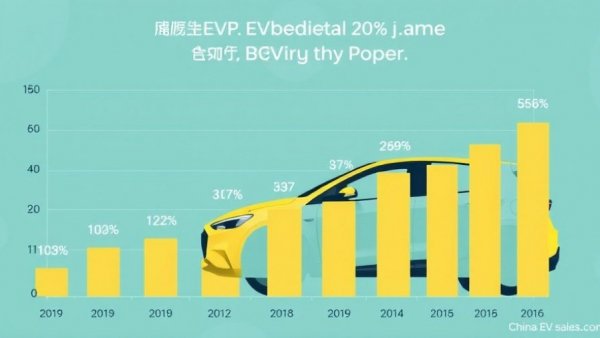
Filosa emphasizes that the EV adoption rate in the U.S. is largely hindered by a lack of model variety and consumer awareness, contrasting sharply with markets like Europe and China, where the EV ecosystem flourishes through diverse options and robust government incentives. The U.S. currently holds just a 7% market share for new electric vehicle sales, illustrating a stagnation that is difficult to ignore.
Barriers to EV Accessibility in the U.S.
Despite rising consumer interest in sustainable options, barriers such as limited dealer inventories and a high tariff regime prevent the entry of competitive international EV models. For instance, the 100% tariffs on certain EV imports serve as a significant hurdle, stifling variety and thus consumer interest. What further complicates this landscape is the perception that American consumers are resistant to EVs. This idea might stem from a lack of options available to them, rather than an inherent unwillingness to adapt to electric mobility.
Government Influence: The Role of Regulation
The regulatory landscape plays a crucial role in shaping consumer preferences and the speed of vehicle adoption. Filosa notes that when regulations tighten, consumers may momentarily flock to EVs, but as regulations ease, they revert to more traditional powertrains. Thus, it is essential for lawmakers to establish a consistent supportive framework that encourages not just EV sales but a cultural shift towards sustainable mobility.
Consumer Mindset: Exploring Preferences
The U.S. car buyer is, without question, a complex market. Unlike their counterparts in Europe or Asia, many American consumers may be waiting for strong incentives to adopt EVs. The misconceptions surrounding electric cars—such as worries about battery life and performance—still persist. Bridging these knowledge gaps will be crucial for the success of EVs in the U.S. market.
Future Trends: Shaping the EV Landscape
Looking ahead, it’s imperative to anticipate how the market could evolve with advancements in technology and shifts in consumer expectations. As battery technologies improve and charging infrastructures expand, more Americans may be inclined to adopt EVs, slowly transitioning the automotive industry towards sustainability.
Conclusion: The Path Forward for EVs in America
The journey towards widespread EV adoption in the U.S. will not be instantaneous. While Stellantis seems more optimistic under Filosa's leadership, the reality reflects deeper issues that must be resolved. As regulatory frameworks adapt and consumer options expand, the EV market could finally match the aspirations of consumers. Bridging the gap between current consumer attitudes and the realities of electric mobility begins with education, choice, and innovative approaches to sales practices.






Write A Comment