

The Rising Popularity of Electric Vans in Australia
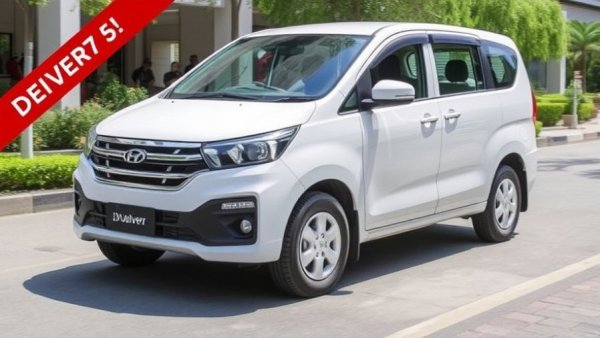
The market for electric vehicles (EVs), particularly electric vans, is beginning to stir in Australia, with various factors contributing to a gradual shift towards electrification. Among these, the LDV eDeliver 5 has emerged as a noteworthy contender. This electric van boasts a remarkable 50% more cargo space than its Korean counterparts, an aspect many commercial operators find attractive—especially during peak seasons such as Christmas.
Potential Cost Savings: The Financial Pitch
As per insights from a local eDeliver 5 owner, running costs are significantly lower than those of traditional diesel vans. For instance, after covering 50,000 km, the total charging cost for the eDeliver 5 stood at just AU$3,000, compared to AU$14,000 for its diesel predecessor. This marked difference not only highlights potential cost savings but underscores the financial advantages of a vehicle designed for high-mileage operations.
Barriers to Uptake: Understanding Fleet Dynamics
Despite the attractive features and operating costs of electric vans, their adoption has been sluggish among fleet operators. A complicated reimbursement system for home charging and the underdeveloped infrastructure for workplace charging are significant barriers. Companies that utilize commercial vans daily might hesitate to switch to EVs without streamlined solutions in place, especially in terms of ease of fueling and charging logistics.
Addressing Charging Infrastructure: A Key Focus
Notably, the level of charging infrastructure available directly impacts the adoption of electric vans. Although certain regions, particularly around Brisbane, are seeing high-speed chargers becoming more common, their usage remains low. Expanding this infrastructure is paramount not only for the success of the eDeliver 5 but for the broader aim of electrifying the commercial vehicle market in Australia.
Future Predictions: What’s Next for Electric Vans?
Looking ahead, the vehicle market in Australia will likely continue shifting towards electric options as fuel insecurity becomes a pressing issue. As more consumers and businesses weigh the long-term savings against initial investments, manufacturers may need to ramp up educational efforts and infrastructure development to facilitate this transition. ADopting electric vehicles could soon become a standard practice, particularly for businesses aiming to balance cost-effectiveness with environmental responsibility.
The Role of Consumer Perception in EV Adoption
The general perception of electric vehicles is changing, with an increasing number of Australians expressing a willingness to embrace EVs. This cultural shift can lead to potential policy changes and support from both the public and private sectors, fueling further interest and investments into the electric vehicle space. With the LDV eDeliver 5 leading the charge, it is possible that more electric models will emerge, appealing to various consumer segments.
As the landscape evolves, keeping an eye on electric vehicle trends is crucial for businesses and consumers alike. Understanding the financial, logistical, and infrastructure-related factors at play can guide better decision-making for the future of fleet management and personal transportation.







Write A Comment