

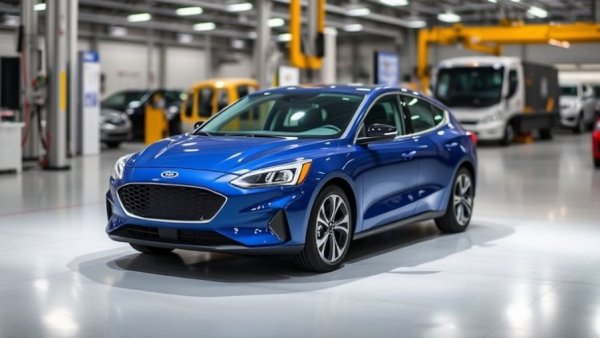
Ford’s Leap into Battery Production: A Game Changer
Ford has taken a significant step forward in the electric vehicle (EV) landscape by commencing its own battery production in Michigan. With the launch of the BlueOval Battery Park, the iconic American automaker now stands among the ranks of battery producers, harnessing technology from CATL—known for powering over 30 million vehicles worldwide. This transition not only enhances Ford's operational capabilities but also aims to revolutionize the EV market through cost-effective and durable battery solutions.
The Importance of LFP Batteries in EV Economics
One of the standout features of Ford's new battery strategy is its focus on lithium iron phosphate (LFP) technology. As Charles Poon, Vice President at Ford, highlights, this chemistry avoids the use of nickel and cobalt, which are often implicated in price volatility and supply chain issues. With LFP batteries, Ford intends to reduce the overall cost of EVs while enhancing longevity and sustainability—a critical factor as consumers increasingly value environmental responsibility.
Rapid Production Meets Quality Assurance
What sets Ford apart is not just the ambition to manufacture but also the speed of production. The Michigan facility boasts an impressive throughput of 40 cells per minute, positioning it as one of the fastest assembly lines for LFP batteries outside China. However, as highlighted by Poon, achieving speed goes hand in hand with maintaining quality. Ford's commitment to producing high-quality batteries is crucial in an industry where margin for error can be costly.
Strategic Implications and Competitive Edge
This new venture presents Ford with a competitive edge as it seeks to position itself against established players, particularly those in China. By producing its own batteries, Ford can optimize its supply chain, reduce dependency on external suppliers, and ultimately drive down costs for consumers. The forward-thinking approach aims to facilitate a new energy storage business, reflecting a broadening of Ford’s strategy in the tech-savvy automotive landscape.
Looking Ahead: The Future of Ford's Battery Technology
As Ford rolls out its LFP batteries in vehicles like the Fathom prototypes, the implications extend beyond initial production milestones. If successful, this strategy could pave the way for mass-market adoption of affordable EVs, thus fostering an eco-friendly automotive culture. The focus on LFP also signals a shift in how manufacturers approach the creation and efficiency of battery technology.
In conclusion, Ford’s entry into battery production showcases not only its commitment to sustainability but also its strategic intent to disrupt the EV market. As they forge ahead with this initiative, they stand at the forefront of a transformative era in transportation that aligns with the growing global call for clean energy solutions.







Write A Comment