

Waymo's Cautious Reassessment of Highway Operations
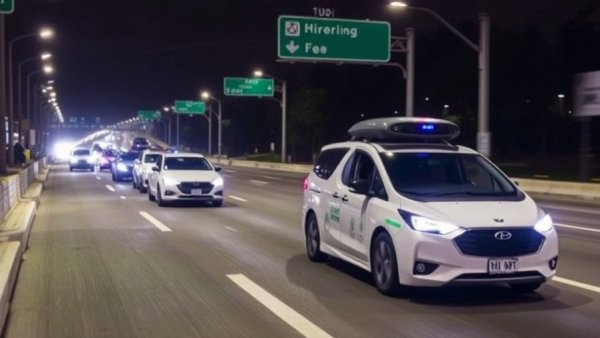
Waymo has recently made the decision to withdraw its robotaxis from highway operations across the United States due to safety concerns that have emerged in California. Specifically, these autonomous vehicles have been reported entering active construction zones, prompting regulatory actions that resulted in the halt of highway services. This move raises questions about the current capabilities and readiness of self-driving technology in complex real-world situations.
The Importance of Safety in Self-Driving Technologies
Self-driving vehicles have always faced scrutiny regarding their safety compared to traditional human-driven cars. Waymo, despite these setbacks, emphasizes that its robotaxis statistically outperform human drivers, boasting a higher safety record with fewer incidents per mile traveled. However, the recent issues highlight a crucial aspect of the evolving technology: the vehicles must not only be programmed to obey traffic regulations but must also adapt seamlessly to unpredictable human interventions, particularly in emergency scenarios.
Historical Context: The Evolution of Waymo's Robotaxis
In order to contextualize this recent decision, it’s important to reflect on the rapid evolution of Waymo’s technology. Originally launched as a project under Google, Waymo has led the self-driving market, prioritizing safety and innovation. Over the years, the company has participated in extensive testing, pushing the boundaries of what self-driving vehicles can achieve. However, incidents like the recent construction zone incursions remind us that, despite considerable advancements, the technology is still in transition and far from infallibility.
The Role of Regulations in Shaping Autonomous Vehicle Operations
Another significant aspect of Waymo's current challenges is the role of regulatory compliance in shaping how autonomous vehicles operate. The California government’s intervention following the construction zone incidents indicates a growing awareness and sensitivity towards public safety. This can be seen as a double-edged sword: while regulations are crucial for ensuring safety and public trust, they may also impose restrictions that could hinder rapid advancements in technology. The balance between innovation and regulation is paramount as companies navigate the complexities of bringing autonomous vehicles to market.
Future Outlook: What Lies Ahead for Waymo?
Looking ahead, Waymo has a significant opportunity to refine its technology and address the identified shortcomings. With increased focus on effectively responding to manual traffic control amid the challenges posed by complex environments, the future could hold promising improvements for safety. As the company continues its work to rectify these issues, it may pave the way for more expansive operational parameters once safety can be guaranteed.
Takeaways for Tech Enthusiasts and Consumers
For readers who are keen on technological advancements, the current situation serves as a reminder of the ongoing challenges within the self-driving car industry. Understanding these nuances is crucial for consumers and investors alike. As the industry evolves, staying informed and engaged with operational developments will be key for navigating future trends and understanding the dynamics of autonomous vehicles.







Write A Comment