
The Call for Expanded Funding in Flexible Film Recycling
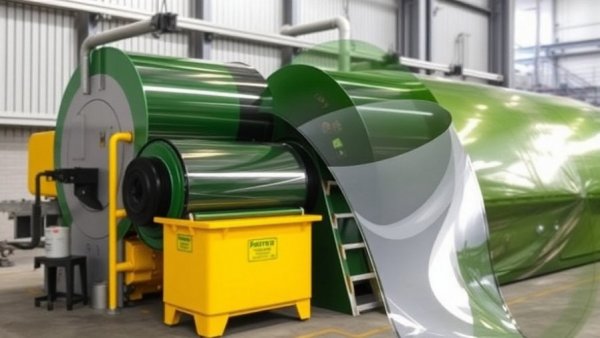
In the world of flexible film recycling, a central theme has emerged: the necessity for increased resources and collaborative efforts to optimize the recycling process. Materials recovery facilities (MRFs) have underscored the pressing need for more funding and market access. This proactive approach is essential for enhancing their capabilities in separating and processing different types of plastics, enabling them to manage larger volumes of feedstock. For example, effective partnerships have been established through initiatives like the US Flexible Film Initiative (USFFI), which aims to connect MRFs with reclaimers and facilitate substantial recycling efforts.
Collaboration and Innovation Are Key Elements
Another area of focus involves encouraging collaboration among various stakeholders in the recycling supply chain. Reclaimers and converters must work together to find innovative uses for the materials being recycled. Brands are also called upon to lead the way in creating recyclable packaging that’s financially viable and meets the country’s recycling targets. The USFFI, launched in late 2025, has played a pivotal role in these efforts by signing its first film offtake agreements, which have set the groundwork for improved recycling operations.
Success Stories: Measuring Impact in Numbers
The success of the USFFI is measurable; as of late 2025, it has facilitated the recycling of over 4.37 million pounds of flexible film and plastic. This achievement not only reflects on the initiative's ongoing projects but also highlights how funding can stratify throughout the recycling supply chain, yielding tangible results. By connecting operators with essential resources, the future of flexible film recycling appears promising yet challenges remain prevalent.
Challenges Faced by the Recycling Industry
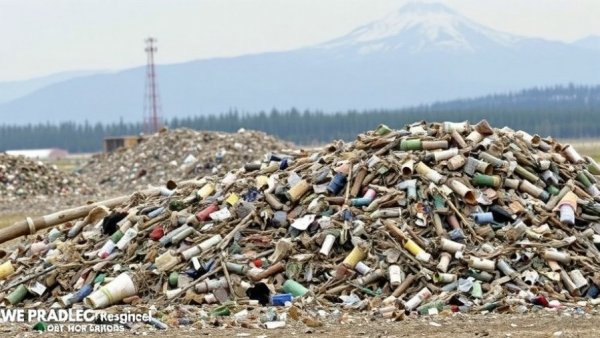
Despite these advancements, the recycling industry continues to face considerable challenges. MRFs often struggle with the issue of contamination, as plastic films can accidentally entwine with other materials, leading to equipment damage. As Reece Hammer from Athens Services emphatically stated, “Instead of getting it out, this was an opportunity for us to be a first starter… to see how we can develop end markets.” Without proactive measures to address these issues, the chances of achieving the environmental goals set forth by various stakeholders remain diminished. The need for careful consideration regarding storage and market access is therefore paramount.
Future Directions and Collaborations
As market leaders like Charter Next Generation report a significant 30% increase in their use of post-consumer resin (PCR) between 2024 and 2025, the industry's adaptability becomes apparent. Continuous testing of different mixtures of recycled content illustrates the commitment towards meeting stringent recycling targets. The path forward is clear: united efforts across the value chain are required to maintain momentum and ensure sustainable growth.
Conclusion: A Collective Responsibility
The journey toward a more effective flexible film recycling process emphasizes the importance of collective responsibility among industry players. By pooling resources, fostering partnerships, and encouraging innovative practices, the recycling community can create meaningful change. As we look ahead, it is vital to recognize that the sustainability of our planet depends on the actions we take today.






Write A Comment