

Connecticut's Decline in Beverage Container Redemption Rate: A Cause for Concern?
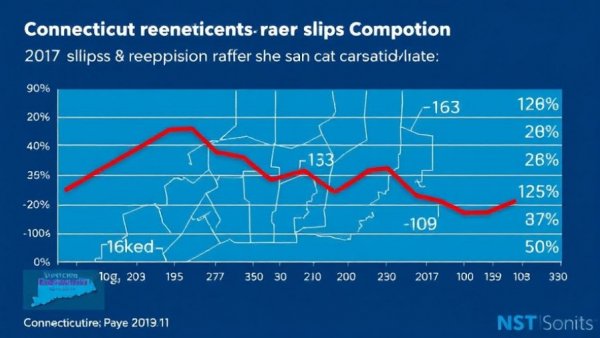
Connecticut's recent drop in beverage container redemption rates, falling from a robust 86.6% to 79% in just one quarter, marks an alarming change in the state's recycling success. This downturn comes on the heels of a notable surge following the doubling of bottle deposits from 5 cents to 10 cents in January 2024, a move that initially led to impressive redemption statistics.
Understanding the Numbers: What’s Behind the Decrease?
The Container Recycling Institute (CRI) cited a potential mix of reasons behind the fall in redemption rates, including heightened sales reporting from distributors and retailers, as well as a decrease in the redemption of out-of-state containers, which are often a significant contributor to inflated statistics. With beverage sales rising nearly 8% from the previous year while redemption volumes dipped by 1.7%, the data paints a complex picture that warrants further investigation.
Legislative Responses and Future Enforcement Strategies
In response to the changing recycling landscape, Connecticut has enacted multiple laws aimed at addressing potential fraud in the deposit-return system (DRS). Most notably, Public Act 26-2 requires that redemption centers be licensed, prohibits the acceptance of containers known to be sold outside the state, and imposes stricter penalties for violations. Yet, as CRI President Susan Collins has articulated, the effectiveness of these measures rests on the successful recruitment and deployment of enforcement personnel, a step that has yet to be fully realized.
The Cross-Border Redemption Dilemma
One of the most contentious aspects of Connecticut's redemption program has been accusations of cross-border fraud, as containers purchased in states with lower deposits are transported back to Connecticut for the higher refund. Critics, including some lawmakers, argue that this loophole dilutes the integrity of the system. For instance, House Minority Leader Vincent Candelora has called the transition to a 10-cent deposit an "unmitigated disaster," citing concerns over cross-border redemptions.
Learning from Other States: The Oregon Example
Looking at Oregon provides a contrasting viewpoint on how to implement a successful deposit system. Oregon raised its deposit alongside legislative changes and has since maintained steady redemption rates, surpassing 80% consistently, a figure attributed to effective enforcement and legal precautions against fraud. CRI's data show that Oregon's rate of cross-border fraud remains below 5% annually, a stark contrast to Connecticut's current struggles.
Potential Regional Trends and Broader Lessons
The recent decline in Connecticut’s redemption rate raises questions about the sustainability of its DRS in the face of varying reporting practices and enforcement challenges. As Connecticut navigates these hurdles, it can benefit from exploring strategies employed by other states that have seen success. The experience of Oregon serves as a reminder that effective enforcement and public compliance are crucial for sustaining and improving recycling programs.
What Lies Ahead: Future Predictions for Connecticut's Redemption Program
As Connecticut gears up for the legislative implications of the latest redemption trends, the outcomes of current enforcement measures will ultimately dictate the state's next steps. Gaining insight from other successful metropolises could potentially steer policymakers toward more effective strategies, enhancing recycling participation rates and public engagement in sustainability efforts.
Conclusion: Call to Action for Active Involvement
The path to improving Connecticut's beverage redemption rates lies in collective involvement—from legislators ensuring effective enforcement of new laws to the public actively participating in recycling programs. We must recognize the importance of a robust deposit-return system, not just for our local environment, but as part of a broader commitment to sustainable living. As Connecticut moves forward, every resident's participation is essential in ensuring the continuing success of our recycling initiatives. Stay informed, engage with your local recycling programs, and advocate for stronger environmental policies.







Write A Comment