
Add Row
Add Element
Echo-Innovation Hub Logo
update
Eco-Innovation Hub
update
Add Element
  • Home
    • Categories
      • Plastic Waste Impact
      • Eco-Tech
      • Green Living
      • DIY Sustainability
      • Innovation Spotlight
      • Expert Insights
      • Product Reviews
      • Community Voices
    • Featured Business Profiles
    • All Posts
    • Eco-Tech
    • Green Living
    • DIY Sustainability
    • Innovation Spotlight
    • Expert Insights
    • Product Reviews
    • Plastic Waste Impact
    • Community Voices
    • Featured Business Profiles
    • Extra News
    October 22.2025
    3 Minutes Read

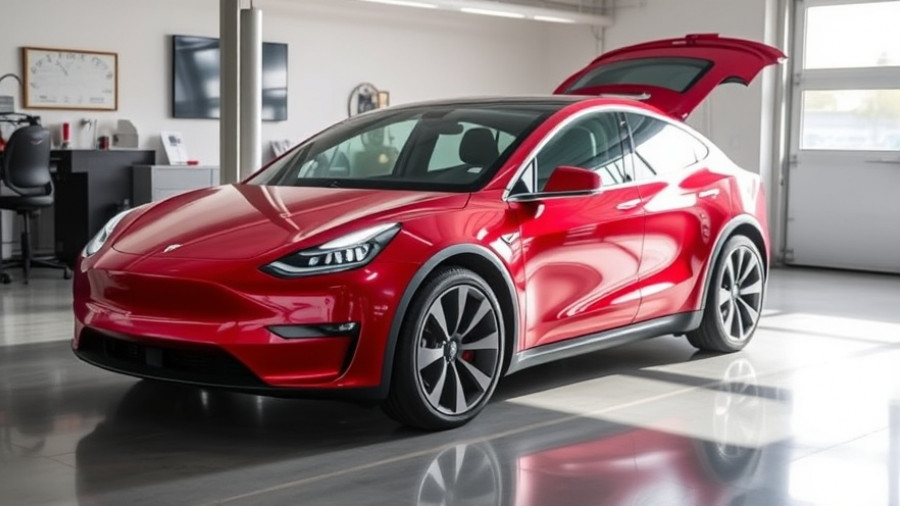
    The Tesla Model Y Battery Replacement Experience: Insights for EV Owners

    Tesla Model Y Battery Replacement Saga

    Understanding the Importance of the 12V Battery in Tesla Vehicles

    While many might associate electric vehicles with cutting-edge technology and large battery packs, they still rely on a humble 12-volt battery to power essential functions. In the Tesla Model Y, this battery is critical for powering everything from the lights to the door release mechanisms and even the vital startup processes. It’s a somewhat invisible yet crucial component that many drivers overlook until it fails.

    A Personal Encounter with Battery Maintenance

    For experienced owners like myself, maintaining a Tesla Model Y can seem incredibly simple. After four years of ownership, my maintenance costs have been remarkably low, consisting of just the price of windshield washer fluid. However, that changed recently when I received a notification indicating that my 12-volt battery required replacement. Although I felt equipped to handle the situation myself, I quickly realized that the process was not as straightforward as I had anticipated.

    Navigating the Challenges of Battery Replacement Services

    Despite simple instructions available on the app indicating how easy it should be to change the battery, executing this task proved more complex than expected. Upon contacting AAA for assistance, I was disheartened to learn that their service does not cover Tesla vehicles. This miscommunication resulted in a frustrating afternoon spent contacting various service centers, all of whom seemed jumpy when hearing the word "battery" in connection with my electric vehicle.

    This experience highlights a common misconception among service providers, as many are primarily focused on traditional combustion vehicles. The limitations of service networks for electric vehicles can make common issues such as a 12-volt battery failure more daunting than necessary.

    Expert Opinions: The Need for Specialized Services

    Taking matters into my own hands, I turned to online resources, discovering that many Tesla owners face similar challenges when dealing with battery replacements. According to experts from the Tesla Motors Club, knowledge about the 12V battery's specific needs can save owners time and anxiety. Certified Tesla technicians recommend that replacements should ideally be handled by specialized services due to the intricacies of Tesla’s battery systems. For those who want a hassle-free experience, utilizing Tesla's mobile service can often be the easiest route.

    Future Predictions for Electric Vehicle Maintenance

    As electric vehicles continue to gain popularity, the automotive industry will likely need to adapt. The quick evolution of technologies necessitates that service centers expand their training to effectively support electric vehicles. We might see an increase in mobile services and better integration of battery replacement protocols as electric car ownership becomes commonplace.

    Moving forward, it is essential for manufacturers, like Tesla, to enhance customer communication regarding servicing needs, streamlining operations to minimize downtime for drivers. Furthermore, car owners should become proactive about maintaining their vehicles and aware of the unique concerns surrounding electric vehicles.

    In conclusion, exploring the 12-volt battery replacement issue has revealed significant insights into the overall experience of maintaining a Tesla. As these vehicles are filled with advanced technology, tailored services will be crucial for ensuring their reliability. Owners should prioritize specialized support to facilitate a better ownership experience for any potential maintenance issues in the future.

    Eco-Tech

    1 Views

    0 Comments

    Write A Comment

    *
    *
    Please complete the captcha to submit your comment.
    Related Posts All Posts
    04.13.2026

    How Ukraine's Zero-Emission Drone Innovations Are Pioneering Green Hydrogen Technology

    Update Ukraine Leads the Charge in Green Drone Technology In a bold move toward sustainable warfare, Ukraine is driving innovation with zero-emission drone technologies that highlight the potential of green hydrogen and fuel cells. With the ongoing conflict reshaping the technological landscape, Ukrainian companies are pioneering methods to harness hydrogen as an eco-friendly energy source for military applications. Skyeton’s Revolutionary Drone Innovations Among the forefront players is Skyeton, whose Raybird reconnaissance drones have made headlines for their exceptional endurance. Transitioning from traditional internal combustion engines to hydrogen fuel cells, Skyeton’s enhanced UAVs promise not only longer flight times—up to ten hours—but also a significant reduction in noise and heat emissions. By optimizing the hydrogen fuel system and ensuring operational integrity across various climates, these drones are at the cutting edge of aerial technology. The Green Hydrogen Advantage Green hydrogen stands out due to its production via electrolysis powered by renewable energy sources. This avoids the volatility associated with fossil fuels, making military operations potentially self-sufficient and less prone to supply chain disruptions exacerbated by geopolitical tensions. Despite the higher initial costs of green hydrogen, its advantages in autonomy and environmental synergy provide a substantial case for adoption, particularly in military scenarios where efficient operations are critical. Ukraine’s Renewable Energy Resources Ukraine boasts a wealth of renewable resources like wind and solar energy, well-positioned to support the development of a local hydrogen industry. The disconnection from the Russian electricity grid provides a unique opportunity for Ukraine to align its energy capabilities with European needs for green hydrogen. Efforts by organizations like Razom We Stand show a strategic focus on a decentralized and sustainable energy future. Future Prospects for Green Hydrogen Despite the challenges posed by the ongoing conflict, the future remains optimistic. Recent developments, such as the delivery of a 2-megawatt electrolyzer for a hydrogen project in Ukraine, signal a growing interest from international stakeholders. Germany’s investment signals a tangible path for Ukraine to serve the broader European market, effectively positioning it as a vital player in the green energy transition. Conclusion: The Path Forward As Ukraine navigates its unique circumstances, the confluence of drone technology and green hydrogen presents a transformative opportunity not only for military advantages but also for addressing climate change. Continued innovations in drone technologies will likely deepen our understanding of how advanced tech can harmonize with sustainability. The world should watch closely as Ukraine cuts a new path in eco-friendly warfare, aiming for solutions that resonate beyond the battlefield.

    04.12.2026

    Kia Surpasses Tesla in Compact EV Sales: What This Means For You

    Update Kia Surpasses Tesla: The Race for Compact EV Dominance in Europe The electric vehicle industry is evolving rapidly, and in Europe, Kia has etched its name into the annals of automotive history by becoming the top seller of compact electric vehicles (EVs), famously surpassing Tesla. As we see a rising acceptance of EVs and increasing competition among manufacturers, understanding the implications of Kia's success sheds light on the future of electric mobility. Understanding the Shift in Market Dynamics Trends in the European car market have shifted dramatically since early 2026. According to data, battery electric vehicle registrations have reached a significant share of 19% of all new cars, reflecting a growing preference for sustainable transportation. This surge has been particularly evident in major markets like Germany and France, where market shares for battery electric vehicles have increased to 22% and 27% respectively. These figures highlight a notable trend away from traditional combustion engines, which now account for just 31% of the market, down from a significant share in previous years. For Kia, this transition has paved the way for various new models such as the Kia EV3, which has gained traction among eco-conscious consumers eager to embrace the shift to electric driving. By manufacturing compact electric vehicles, Kia is responding to a growing demand for functional, eco-friendly transportation solutions. The Competitive Landscape: Options Abound As Kia rises to prominence, it finds itself in a fiercely competitive landscape. Other manufacturers, including Tesla, Volkswagen, and BYD, are all vying for market share. Tesla’s Model Y and Model 3 continue to perform well, but the recent declines in sales for the Model 3, down 23% YoY, reveal vulnerabilities. Kia has seized this opportunity, bolstered by strong demand in various European nations and enhanced market strategies that focus on compact EVs. With overarching interest in sustainable mobility, Kia’s success could be seen as a precursor to a broader shift among consumers seeking environmentally responsible alternatives. Historical Context of Electric Vehicle Sales in Europe The evolution of the electric vehicle market in Europe has been marked by changing regulations and consumer behavior. Awareness of the effects of climate change has significantly driven the demand for cleaner alternatives, prompting an increase in both electric and hybrid vehicle registrations. In the past, Tesla was the undisputed leader; however, the emergence of brands like Kia illustrates an increasingly fragmented landscape, where multiple players can coexist and thrive. It's crucial to recognize how government incentives for environmentally sustainable vehicles have been central to bolstering this growth. Countries such as Germany and France are pivotal markets that have fostered EV adoption through regulation and incentives, further fueling the competitive spirit among manufacturers striving for market leadership. Predictions: What Lies Ahead? Looking ahead, experts suggest that as battery technology improves and vehicle prices become more competitive, we can expect a continuous influx of new models and increased shares for electric and hybrid vehicles. Particularly, manufacturers that prioritize electrification, like Kia, are likely to gain a louder voice in what could soon resemble a two-horse race with Tesla. Future strategies will also need to include considerations for sustainable sourcing of materials and lowered emissions in manufacturing processes, echoing consumer values around environmental stewardship. As more consumers prioritize sustainability, those manufacturers that adapt quickest to meet these expectations are likely to capture more market share. Final Thoughts: The Impact of Competition on EV Adoption Kia's ascendancy in compact EV sales not only signifies a remarkable achievement for the brand but also refreshes conversations around competition in the electric vehicle space. As manufacturers pivot to meet changing consumer preferences, market dynamics will undoubtedly evolve. This competition among leading automotive brands and emerging players could accelerate technological advancements and lead to more sustainable automotive solutions for the future. The journey toward widespread EV adoption continues, but Kia's success is a compelling indicator of how competitive the landscape has become. With rising stakes, the next few years could reshape the future of transportation as we know it.

    04.11.2026

    Oregon's New Battery EPR Program: A Key to Sustainable Waste Management

    Update Oregon's Bold Step Towards Sustainable Battery DisposalOregon is taking significant strides in environmental responsibility with the recent passage of House Bill 4144, signed into law by Governor Tina Kotek on April 7, 2026. This law, aimed at establishing a comprehensive extended producer responsibility (EPR) program for batteries, is a much-needed response to the hazards posed by improper battery disposal, including fires and environmental damage.As batteries are ever-present in modern life—from smartphones to electric vehicles—their disposal poses increasing challenges. The legislation prohibits the disposal of removable lithium-ion batteries in mixed solid waste, mandating that manufacturers join a producer responsibility organization (PRO) to sell battery products in Oregon. This proactive measure aims to ensure sustainable recycling practices and protect both public safety and the environment.Addressing the Growing Crisis of Battery FiresRepresentative Emerson Levy has highlighted the urgent need for this law, pointing out the substantial costs incurred by taxpayers due to battery disposal fires, which can reach as high as $10,000 for a single incident. In just one year, Deschutes County reported 54 fires linked to discarded batteries. The new EPR framework is designed to alleviate these dangers by requiring producers to fund and maintain collection and recycling programs statewide.Your Role as a Consumer and CitizenFor residents of Oregon, it's essential to be aware of these changes and understand how to participate in recycling initiatives effectively. The law aims for 95% of the state's population to be within 15 miles of a battery drop-off location. This means more convenient options for recycling batteries. Knowing where to drop off batteries can reduce hazards and contribute to a more sustainable environment.A Multi-Producer Approach to ComplianceThe legislation supports a multi-PRO framework, which allows different organizations to operate under the EPR program, fostering competition and innovation. However, it also places the onus of responsibility on producers to submit implementation plans by September 1, 2028. The Department of Environmental Quality (DEQ) will oversee the program, ensuring compliance and providing guidelines to help with a smooth implementation. Producers who fail to comply face penalties of up to $10,000 daily.Looking Forward: Opportunities for InnovationAs battery technologies evolve, from recyclable materials to long-lasting solutions, this initiative encourages producers to invest in sustainable practices. Engaging early with the DEQ regulations allows for clarity and preparation, setting the stage for innovation in product design and recycling technology.Conclusion: A Collective Effort for a Cleaner FutureOregon’s battery EPR program is a breakthrough in the fight against waste and pollution. By holding producers accountable and creating easy access to recycling, the state is paving the way for a cleaner, safer, and more sustainable environment. If you’re a producer, now is the time to engage with this critical transition. As citizens, let’s take charge by recycling responsibly and supporting these initiatives!

    Terms of Service

    Privacy Policy

    Core Modal Title

    Sorry, no results found

    You Might Find These Articles Interesting

    T
    Please Check Your Email
    We Will Be Following Up Shortly
    *
    *
    *