

Add Row
Add Element
Echo-Innovation Hub Logo
update
Eco-Innovation Hub
update
Add Element
  • Home
    • Categories
      • Plastic Waste Impact
      • Eco-Tech
      • Green Living
      • DIY Sustainability
      • Innovation Spotlight
      • Expert Insights
      • Product Reviews
      • Community Voices
    • Featured Business Profiles
    • All Posts
    • Eco-Tech
    • Green Living
    • DIY Sustainability
    • Innovation Spotlight
    • Expert Insights
    • Product Reviews
    • Plastic Waste Impact
    • Community Voices
    • Featured Business Profiles
    January 17.2026
    1 Minute Read

    Solar Energy Home Loans: Your Guide to Easy Financing

    Did you know? Over 3 million households in the U

    Unlocking Solar Energy Home Loans: An Unconventional Path to Clean Energy Savings

    "Over 3 million households in the U.S. have chosen solar energy home loans, slashing their electric bills while supporting clean energy."

    Welcoming suburban family outside their modern home with rooftop solar panels enjoying clean energy. Solar energy home loans make clean energy easy and affordable.

    Solar energy home loans are transforming the way American families power their lives and manage their budgets. Solar loans allow you to own your rooftop solar energy system while paying in affordable monthly installments—often with zero down payment. Unlike other financing options, solar loans empower you to benefit from all federal and state tax credits, maximize your energy savings, and enjoy long-term control over your home’s energy costs.

    With a surge in clean energy adoption and government support, special loan offers and flexible terms are more accessible than ever. Whether you’re motivated by saving on your electric bill, reducing your carbon footprint, or increasing your property value, solar energy home loans offer the financial solution to make it possible. Read on to learn how you can make the switch to solar in just a few simple steps—and why now is the best time for this powerful investment.

    As you compare solar loans with other financing options, it’s helpful to understand the unique benefits and trade-offs of each approach. For a detailed breakdown of how solar loans stack up against leases and power purchase agreements, check out this comprehensive guide on the broader impacts of clean energy policies and financing choices—it offers valuable context for homeowners weighing their best path to solar savings.

    What You’ll Learn About Solar Energy Home Loans

    • How solar energy home loans work
    • Key benefits of solar energy financing options
    • Eligibility requirements and credit score considerations
    • Comparing solar loans, solar leases, and solar power purchase agreements
    • Tax credits and incentives for solar panel installation
    • Step-by-step application process for a solar energy system loan

    Understanding Solar Energy Home Loans: Definitions and Terms

    What Are Solar Energy Home Loans?

    Solar energy home loans are specialized financing options that help homeowners pay for solar panel installation and solar energy system upgrades without large upfront costs. These loans let you borrow the money you need to cover the project cost of installing a solar PV system—then repay your lender in manageable monthly payments over a set period, usually 5 to 20 years.

    Most solar loans are available through banks, credit unions, solar contractors, and clean energy lending programs. You typically choose from two main types: secured loans, which may use your home or the system as collateral and offer lower interest rates, and unsecured loans, which are based on your credit score and don’t require collateral. Both types offer the benefit of ownership—meaning you keep all the energy savings and qualify for every solar tax credit. Whether you own your home outright or have a mortgage, you can usually qualify for a solar energy loan with a reasonable credit score and proof of income.

    How Solar Loans Differ From Other Financing Options

    "Solar loans empower homeowners to own their energy system outright, unlike lease or PPA models."

    Modern calculator and paperwork for solar energy loan contract. Reviewing solar energy home loans paperwork for cost-effective clean energy financing.

    What makes solar energy home loans stand out from other solar financing options like leases or power purchase agreements (PPAs)? With a solar loan, you become the legal owner of your solar system, unlocking full access to valuable tax credits and long-term energy savings

    Types of Solar Energy Home Loans and Financing Options

    • Secured versus unsecured solar loans
    • Clean energy loan programs
    • Solar lease and loan comparison
    • Home equity and credit score requirements

    Solar Loan vs. Solar Lease vs. Solar Power Purchase Agreements (PPA)

    With so many financing options for solar panels, it’s important to compare features before you commit. The three most common routes are: 1) Solar Loan (you own your solar PV system and claim all incentives); 2) Solar Lease (you rent the panels, pay a fixed fee, and the installer owns them); and 3) Solar PPA (you buy clean energy generated by panels owned by a third party, paying per kWh rate, but you don’t get tax credits).

    Depending on your financial goals, home equity, and credit score, a solar loan is generally the best option for families who want greater energy savings, increased home value, and complete control over their investment.

    Feature Solar Loan Solar Lease Solar PPA
    Ownership Homeowner Lessor/Installer Provider
    Upfront Cost Low to None None None
    Monthly Payments Loan Payment Lease Payment Payment per kWh Used
    Tax Credit Eligibility Yes No No
    Savings Highest Moderate Moderate

    Assessing Your Eligibility for Solar Energy Home Loans

    Credit Score, Income, and Other Requirements

    Diverse couple meeting with a loan advisor discussing credit score for solar energy home loans application.

    To qualify for a solar energy home loan, lenders will evaluate a few basic factors—starting with your credit score. Most solar loans require a score of at least 650 to 680 for approval, though select lenders and clean energy programs may accept lower scores with higher interest rates. You’ll also need proof of income, homeowner status, and occasionally equity in your home if using a secured loan.

    Some clean energy loan programs, often offered through credit unions or state sustainability initiatives, have broader eligibility and lower rates for reliable payers. As with any home improvement loan, lenders will look at your monthly debt, loan amount requested, and the projected cost savings from the new solar PV system. Being prepared with your credit report, recent pay stubs, and a sense of your project scope streamlines the process, letting you lock in the best rates for your energy upgrade.

    Factors Lenders Consider for Solar Loans

    • Minimum credit score
    • Proof of income
    • Home ownership status
    • Energy system size

    The strength of your application for a solar loan often comes down to a few core details. In addition to verifying that you own your home and can document your income, lenders look at the size and cost of your solar energy system. The larger the system, the more potential savings you’ll see on future electric bills—making it easier to justify the loan amount.

    Many programs also apply the “20% rule,” which means your requested loan can’t exceed 20% of your home’s value if you want the lowest rates or fastest approval. Comparing different financing options and preparing your documents can ensure you don’t miss out on today’s most affordable clean energy loan offers.

    How Solar Energy Home Loans Impact Your Electric Bill

    Predicting Energy Savings with Solar PV
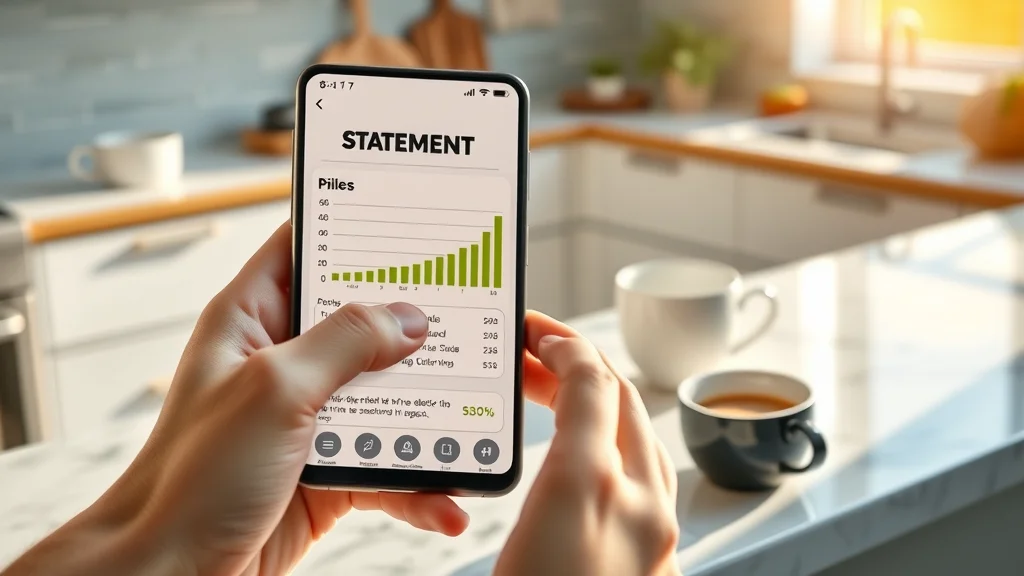
    Home electric bill statement next to solar energy production app showing savings from solar energy home loans.

    Switching to solar with a solar energy home loan offers immediate relief on your electric bill. Once your solar PV system is activated, you’ll generate most or all of the electricity you need—often turning your meter backwards with net metering credits. The result: your regular payments to the utility company shrink, sometimes by up to 75% or more, and your new monthly solar loan payment is typically lower or similar to your previous utility bill.

    Reliable solar loan partners offer clear projections of your solar PV system’s production and your expected annual energy savings. By comparing solar production to historical usage, you’ll see—often in writing—just how quickly your investment pays for itself. Plus, as electric rates rise and solar panels keep delivering clean power, your savings only increase over time.

    Reducing Your Electric Bill and Carbon Footprint with Renewable Energy

    Besides cutting costs, every kilowatt-hour of solar energy you generate shrinks your carbon footprint. Solar energy home loans let you replace fossil fuel electricity with renewable energy produced right on your roof. This clean energy transition reduces greenhouse gas emissions and your family’s environmental impact.

    Some families even achieve net-zero energy—producing as much power as they consume annually. With performance-monitoring apps and smart meters, you can track your energy credits, system health, and ongoing savings in real-time. Few investments offer both budget and climate benefits as instantly as going solar with easy, flexible financing solutions.

    Tax Credits and Incentives for Solar Energy Home Loans

    Understanding the Federal Solar Tax Credit (ITC): 30% Benefits

    One of the biggest incentives for choosing solar energy home loans is the federal solar tax credit—formally called the Investment Tax Credit (ITC). Homeowners who purchase a solar PV system with a solar loan can claim 30% of their total project cost (both equipment and installation) as a federal tax credit. This means you get a dollar-for-dollar reduction in your income taxes, slashing your true cost of going solar even further.

    Recently extended through 2032, the ITC applies whether you use a cash purchase or most solar loan programs. If your tax bill is too low to use the full credit in one year, you can roll over the unused amount to future returns. This unmatched incentive is available only to those who own their system—another reason solar energy home loans are the go-to financing option for maximizing clean energy savings.

    How to Maximize 40% Tax Credit Opportunities

    Financial advisor explaining solar energy tax credits and incentives on laptop for solar energy home loans.

    Beyond the federal 30% ITC, many regions add state or local incentives to your clean energy project—sometimes allowing you to reach or exceed a 40% tax credit on your total solar panel system investment. These extra savings can include renewable energy rebates, utility-sponsored programs, property tax exemptions, sales tax waivers, and special clean energy credit offers. Your tax advisor or solar consultant will help you stack all available benefits for your home and location.

    In high-incentive states like California, New York, or Massachusetts, total credits and rebates can dramatically lower your net cost. Remember: only solar energy home loans and direct ownership qualify for these full benefits. By stacking federal, state, and even utility-level incentives, you make your energy upgrade remarkably affordable—and put more money back in your pocket from day one.

    • Federal incentives for solar panels
    • State and local renewable energy programs
    • Additional rebates and clean energy incentives

    Step-by-Step Guide: How to Apply for Solar Energy Home Loans

    • Assess your rooftop for solar panel suitability
    • Compare solar loan options from top lenders
    • Prepare documentation (proof of income, credit report)
    • Review energy system proposal and financing terms
    • Sign your solar energy home loan agreement

    Ready to go solar? Getting started with a solar energy home loan is simpler than you might think

    Case Study: Solar Energy Home Loans in Action

    "We reduced our electric bill by 75% within the first year after installing a solar energy system using a zero-down solar loan." - Homeowner Testimonial

    Meet the Thompsons, a family in Arizona who switched to solar last year by choosing a zero-down solar energy home loan. Their financing covered the total system cost, allowed them to keep all federal and state tax credits, and enabled installation with no upfront expense. Just 12 months later, the Thompsons are saving more than $150 per month—translating into over $1,800 in annual utility savings while dramatically reducing their home’s carbon footprint.

    Their story mirrors those of thousands of families nationwide who are unlocking instant savings and energy security through innovative financing options. Case studies like these show how accessible, stress-free, and financially savvy today’s clean energy solutions have become—especially when paired with the right solar loan program.

    Watch: Comparing Solar Loans, Leases, and PPAs for Homeowners

    Dive into this short, engaging explainer video to see clear side-by-side breakdowns of solar loans, leases, and PPAs for residential homeowners. You’ll meet real families who’ve transformed their budgets and their homes. Animated charts, friendly narration, and upbeat visuals make it easy to understand the ins and outs of each financing option—giving you the confidence to find your best solar solution and make your move to clean energy today.

    Frequently Asked Questions About Solar Energy Home Loans

    What type of loan is best for solar?

    The best loan for solar panels is usually a dedicated solar energy home loan with low interest rates, flexible payment periods, and support for residential PV installations. Clean energy loans offered by credit unions, specialty lenders, or solar panel providers are often preferred for their fast approvals, easy documentation, and access to the full suite of tax credits and rebates.

    Is the 30% solar tax credit gone?

    No, the 30% solar tax credit (Investment Tax Credit, or ITC) has been extended through 2032. Homeowners who finance their solar PV system with a qualified solar loan remain fully eligible for this massive clean energy incentive.

    What is the 20% rule for solar panels?

    The “20% rule” refers to the lender guideline that your solar loan amount should not exceed 20% of your home’s appraised value to access the lowest rates and fastest approvals for solar energy home loan programs.

    How to get 40% solar tax credit?

    In addition to the federal 30% ITC, you may be able to stack state and local clean energy credits or rebates—sometimes pushing your total tax credits and upfront savings to 40% or more. Check with your local solar installer and tax advisor about available incentives in your area to maximize your solar panel investment return.

    People Also Ask

    What type of loan is best for solar?

    Answer: The best loan for solar typically comes with low interest rates, flexible terms, and no prepayment penalties. Solar energy home loans backed by clean energy programs or specialized solar lenders often offer the best rates and support for energy system installations.

    Is the 30% solar tax credit gone?

    Answer: No, the federal solar tax credit (Investment Tax Credit, ITC) currently offers a 30% credit through 2032 for eligible solar panel energy system installations financed by solar energy home loans.

    What is the 20% rule for solar panels?

    Answer: The 20% rule is a lender guideline indicating that a solar loan amount should not exceed 20% of your home's value to qualify for the best solar energy home loans and financing options.

    How to get 40% solar tax credit?

    Answer: Some regions stack state or local incentives on top of the federal 30% credit, making combined tax credits on your solar energy home loan installation reach 40% or more; check local and state programs for details.

    Key Takeaways: The Power of Solar Energy Home Loans

    • Solar energy home loans offer an affordable route to energy independence
    • Homeowners can benefit from generous federal, state, and local incentives
    • Savings on electric bills start as soon as your solar system is operational
    • Flexible financing options include solar loans, leases, and PPAs for any credit score

    Watch Real Homeowners Save Money and the Environment

    Tune in to real-world success stories and friendly advice from solar homeowners who are already saving big—on bills and for the planet—thanks to easy, accessible solar energy home loans.

    Ready to Start? Buy Your New Home With Zero Down. Reach Solar Solution: https://reachsolar.com/seamandan/zero-down-homes

    Take the next step toward energy savings, tax credits, and a brighter future. Zero-down solar financing is here—let us help you claim your clean energy advantage today!

    If you’re inspired to take control of your energy costs and environmental impact, remember that the world of clean energy is constantly evolving. For a deeper look at how policy changes and broader market forces can shape the future of renewable energy jobs and incentives, explore our in-depth analysis on how political actions influence clean energy opportunities. Understanding these trends can help you make even smarter decisions about your solar investment and stay ahead of the curve as new programs and benefits emerge. Dive in to discover how your choices today can contribute to a more sustainable tomorrow.

    Green Living

    0 Views

    0 Comments

    Write A Comment

    *
    *
    Related Posts All Posts
    01.16.2026

    No Money Down Solar Home Purchase: How to Get Started

    now use no money down financing options? This revolution in solar panel adoption empowers thousands of families to enjoy lower energy bills and a greener lifestyle—without the hefty upfront costs that once put solar energy out of reach Discover the Surprising Benefits of No Money Down Solar Home Purchase The concept of a no money down solar home purchase might sound too good to be true, but it’s quickly becoming the new norm for homeowners seeking cost savings and energy independence. By leveraging special financing options such as solar loans, solar leases, or power purchase agreements (PPAs), you can have a complete solar panel system installed with zero upfront cost. This means you start saving from day one—offsetting your traditional energy bills while potentially increasing your property value. What makes this approach especially attractive is the combination of immediate financial relief and long-term benefits. Not only do you avoid the upfront costs of purchasing solar panels, but you may also be eligible for attractive tax credits and state or local incentives. As energy costs rise, switching to solar locks in predictable payments and lowers your exposure to electric rate hikes. What the Data Says: Solar Panel Adoption and Zero Down Financing According to industry studies, “Over 40% of new solar installations in the U.S. now use no money down financing options.” Widespread adoption isn’t just a trend—it’s a testament to how accessible solar has become. This surge is driven by escalating utility rates, growing climate awareness, and aggressive clean energy incentives. Whether you choose a loan, lease, or PPA, the opportunity to transform your energy use without a large cash investment is more possible than ever before. What You'll Learn About No Money Down Solar Home Purchase Essential steps in the no money down solar home purchase process Different financing options including solar panel loans, leases, and power purchase agreements Comparisons of upfront cost structures for solar panels How to maximize tax credits and incentives Expert tips to secure the best solar system deal for your home As you explore the various financing options for solar, it's also important to consider how broader political and economic factors can influence renewable energy opportunities. For example, shifts in government policy can have a significant impact on clean energy jobs and incentives, as discussed in this analysis of how political actions affect offshore wind jobs in America. Understanding No Money Down Solar Home Purchase: Key Concepts Defining No Money Down Solar Home Purchase A no money down solar home purchase is a financing strategy that allows you to install solar panels on your roof without paying any out-of-pocket, upfront costs. Instead of a traditional cash purchase that requires a sizable initial investment, you work with a solar company to choose between a solar loan, solar lease, or power purchase agreement. These options spread costs across manageable monthly payments, or—if you lease the equipment or enter a PPA—you might only pay for the solar electricity you consume, not the hardware itself. This shift means you can leverage solar energy’s financial and environmental benefits from the moment your system is switched on. With energy costs steadily rising nationwide, choosing a no money down approach is an accessible way to take advantage of clean energy and start saving immediately. The Role of Solar Panels and Solar Panel Systems At the heart of every no money down solar home purchase are the solar panels and the broader solar system installed on your rooftop. Solar panels capture sunlight and convert it into usable electricity, helping you offset your reliance on the grid. A typical system also includes inverters, racking, and sometimes battery storage—ensuring a seamless transition to cleaner, more predictable energy. By investing in a solar energy system through a financing option with zero upfront costs, homeowners are able to make the switch to clean energy without budget obstacles. You’ll benefit not only from reduced utility costs, but also from increased property value and greater resiliency during power outages (if battery backup is included). Understanding these components makes it easier to evaluate which financial model best matches your goals, whether you want to own the system outright or prefer a low-maintenance lease. Breaking Down Upfront Cost and Upfront Costs Traditional solar installations required a significant upfront cost, often totaling $15,000 or more for the average home. Today, no money down packages eliminate this barrier, letting you install solar panels at zero out-of-pocket expense. This is made possible by solar loans—converting the upfront cost into fixed monthly payments—or by solar leases and power purchase agreements, both of which remove the purchase price altogether. While monthly payments or service fees replace upfront costs, the total expense over time is often less than your previous utility bills, especially when factoring in federal tax credit savings and local incentives. Carefully weighing the long-term financials is essential, but the no money down route remains the fastest way to access the benefits of solar energy and start saving immediately. How No Money Down Solar Home Purchase Works Step-by-Step: The Process for Solar System Financing Option The path to a no money down solar home purchase is simple, streamlined, and designed to remove financial barriers. Here’s how the process typically unfolds: Evaluate Your Eligibility: The solar company will conduct a credit check, assess your roof’s solar potential, and review your current utility bills. Select a Financing Option: Based on your financial goals, choose between a solar loan, solar lease, or power purchase agreement. Review Terms and Sign Agreements: Carefully examine contract terms—including payment schedules, rates, system ownership, and maintenance responsibilities—before signing. Install the Solar Panels: Once financing is approved, a certified installer will place the solar panels and associated hardware onto your home. Activate and Start Saving: When your system is up and running, you’ll enjoy immediate savings on your electric bill—with no big upfront cost to worry about. Comparison Table: Solar Loan vs. Solar Lease vs. Power Purchase Agreement for No Money Down Solar Home Purchase Financing Option Who Owns the Solar System? Monthly Payments Eligibility for Tax Credit Maintenance Responsibility End of Term Solar Loan Homeowner Yes, fixed monthly Yes, homeowner claims Homeowner System is owned outright after loan repayment Solar Lease Solar Company Yes, fixed monthly No, company claims Solar Company Renew lease, buy system, or have it removed Power Purchase Agreement (PPA) Solar Company Varies, pay per kWh used No, company claims Solar Company Renew PPA, buy system, or have it removed Comparing Financing Options for No Money Down Solar Home Purchase Solar Loans: Turning Upfront Cost Into Manageable Payments The key benefit? You lock in low energy costs and avoid fluctuating utility rates, making each payment a step toward complete energy independence Solar Lease and Solar Leases: Leasing Solar Panels with No Money Down Solar leases offer another pathway to a no money down solar home purchase. Instead of buying the solar panels, you lease them from a provider, making predictable and often lower monthly payments than your previous utility bills. The lease term usually spans 15–25 years, with the solar company handling installation, maintenance, and repairs. Since the company owns the system through the lease period, they also claim associated tax credits and incentives. At the lease’s end, you may have the option to purchase the panels, extend the lease, or have the system removed. Solar leases require less responsibility for the homeowner but don’t offer the same property value boost as ownership. They do, however, provide instant energy bill savings and the peace of mind that comes with full-service support. Power Purchase Agreement and Purchase Agreements Explained A power purchase agreement (PPA) is similar to a lease but has a unique payment structure. Instead of fixed monthly payments, you agree to buy the electricity generated by the solar panels at a pre-set per-kilowatt-hour (kWh) rate—typically lower than your utility charge. The solar company owns and maintains the system, handles all repairs, and, like leases, reaps most tax credits. This “pay-as-you-go” arrangement can be ideal if you want predictable savings with zero financial risk. When the PPA term ends (usually 15–25 years), you can negotiate a new agreement, buy the system at a reduced cost, or request removal. In every scenario, the no money down solar home purchase PPA lets you access clean solar energy without the complexity or commitment of ownership. “A no money down payment means you can start saving on your electric bill from month one, without a large cash investment.” Eligibility and Requirements for No Money Down Solar Home Purchase Credit, Home, and Solar System Criteria To qualify for a no money down solar home purchase, you’ll need to meet certain key criteria. Most lenders or leasing companies require a minimum credit score—typically around 650 or better—to ensure you can manage monthly payments over the agreement’s term. Homes with good sun exposure, south-facing roofs, and minimal shading are best suited for solar installations. Some providers may also check for a recent history of on-time utility bill payments. Further eligibility factors include your roof’s age and condition, local permitting and utility interconnection standards, and whether your location participates in unique solar incentive programs. If your roof or home doesn’t meet certain guidelines, companies may recommend upgrades or repairs. Working with a reputable solar provider is essential to ensure you select the most advantageous financing option and maximize the return on your solar investment. Maximizing Tax Incentives for No Money Down Solar Home Purchase Understanding the 30% Solar Tax Credit One of the most powerful drivers of the no money down solar home purchase movement is the federal solar investment tax credit (ITC). As of 2024, this credit allows homeowners to deduct 30% of the total cost of installing a solar energy system from their federal income tax. If you use a solar loan and own the system, you’re eligible to claim this substantial savings—often several thousand dollars—directly on your next tax return. Leases and power purchase agreements do not qualify you for the tax credit, as the system is technically owned by the solar company; however, those providers typically factor the tax benefit into the monthly payment rate, resulting in cost savings passed on to you. Always confirm with your solar company and tax advisor to maximize your eligibility. How Federal and State Incentives Lower Upfront Costs Beyond the federal tax credit, many states and local utilities offer additional cash rebates, property tax exemptions, and performance-based incentives for solar panel installation. These programs can further chip away at the “hidden” upfront costs and help you achieve a truly no money down solar home purchase—where even the administrative fees are covered up front or rolled into future payments. To maximize your savings, research all incentive programs in your area. Some states provide extra credits for battery storage or for using local solar equipment manufacturers. Your chosen installer can help you navigate these opportunities and ensure you extract every possible benefit from both government and utility-sponsored solar support. Cost-Benefit Analysis: Is No Money Down Solar Home Purchase Worth It? Short-Term Savings vs. Long-Term Investment in Solar Panels Choosing a no money down solar home purchase offers immediate economic relief, but how do the numbers stack up over time? In the short term, you’ll likely see an instant reduction in your electricity bills Reducing Energy Bills and Increasing Property Value The dual streams of reduced energy bills and enhanced property value make no money down solar home purchase especially attractive. Data shows that homes with solar energy systems not only sell faster but often command higher listing prices—especially in markets with high electric rates and strong solar adoption. With a lower monthly outlay and greater future resale value, solar energy is a classic win-win for cost-conscious homeowners. By investing with no up-front risk, even those who plan to move in a few years can benefit from cleaner energy and, often, a positive return on investment when it’s time to sell. Step-by-Step Guide: How to Get Started with No Money Down Solar Home Purchase Check Your Eligibility for No Money Down Offers Get Quotes for Solar System Installations Compare Financing Options for Solar Panels Understand Terms for Solar Lease or Power Purchase Agreements Finalize the No Money Down Solar Home Purchase Process Common Questions on No Money Down Solar Home Purchase Can I finance solar panels with no money down? Absolutely. Many financing options—solar loans, solar leases, and power purchase agreements—allow you to install a complete solar energy system with no upfront cost. This flexibility enables homeowners at every financial level to start saving and generating clean energy from day one. What is the 33% rule in solar panels? This rule suggests that a solar panel system provides optimal value when it offsets at least one-third (33%) of your home’s total electricity use. By targeting this benchmark, homeowners strike a balance between system cost, available incentives, and meaningful monthly savings. Is the 30% solar tax credit gone? No. As of 2024, the federal solar investment tax credit remains at 30% for homeowners using eligible solar loans or making a qualifying purchase. This major incentive will continue to lower system costs and support your no money down solar home purchase for at least the next several years. What is the 20% rule for solar panels? The 20% rule recommends sizing your solar panel system to provide at least 20% of your home’s annual energy needs. This guideline optimizes your return on investment, balancing upfront cost, available space, and monthly energy bill reduction. Key Takeaways for No Money Down Solar Home Purchase No money down solar home purchase options make solar panels more accessible Compare all financing options to maximize savings Tax credits and incentives can strengthen your investment Carefully review terms before agreeing to any solar lease or power purchase agreement FAQs: No Money Down Solar Home Purchase Are there hidden fees in no money down solar home purchase plans? Most reputable solar companies disclose all potential fees upfront, but always review contracts closely for early termination, servicing, or escalator clauses. Who maintains the solar panels after installation? For leases and PPAs, the solar company manages all maintenance. If you own the system through a loan, you’re responsible, but most companies offer warranties and service contracts. Can I sell my home after a no money down solar home purchase? Yes. Having solar panels can help homes sell faster and for more, but leases and PPAs may require the buyer to assume the agreement. How long does approval typically take? The approval and installation process generally takes a few weeks, depending on your location and system complexity. Ready to Buy Your New Home With Zero Down? Reach Solar Solution Make the switch today! Take the first step toward a no money down solar home purchase and start enjoying the financial and environmental rewards of solar energy. Buy Your New Home With Zero Down at Reach Solar Solution. Conclusion: A no money down solar home purchase puts clean, affordable power within your reach. Start comparing your options and take advantage of today’s incentives for a brighter, greener future. If you’re inspired to take control of your energy future, remember that the transition to solar is just one part of a much larger movement toward sustainable living and clean energy jobs. The landscape of renewable energy is constantly evolving, shaped by policy, innovation, and public demand. For a deeper understanding of how these broader forces can impact your choices and the future of green jobs in America, explore the in-depth look at the effects of political actions on offshore wind employment. By staying informed, you’ll be better equipped to make decisions that benefit both your household and the planet.

    01.15.2026

    Reach Solar financing options: Unlock Affordable Solar Power

    homes are now powered by solar panels, thanks to accessible solar financing options? In recent years, reach solar financing options—like flexible loans, leases, and PPAs—have transformed the residential solar landscape, putting affordable, clean energy within reach for everyday families A New Era: Reach Solar Financing Options Transforming Solar Panel Accessibility If you've ever thought solar panels were too expensive or out of reach, you're in for a pleasant surprise. With reach solar financing options, the barriers to adopting residential solar have fallen dramatically. These options are designed for real-world budgets, making it possible for homeowners to enjoy solar panels on their rooftops with low, predictable monthly payments and little to no upfront cost. This new era in solar financing brings not only financial flexibility but also energy independence and significant long-term savings on your utility bill. Reach Solar financing options like solar loans, leases, and power purchase agreements (PPAs) are tailored to fit a variety of budgets and lifestyles. Whether you want to own your solar system outright and maximize tax credit opportunities, or you prefer zero-down installations with fixed monthly costs, there's a pathway that's right for you. Homeowners now have unparalleled access to clean energy, allowing you to protect yourself against rising utility rates while boosting the overall value of your home. With more choices and support, now is the perfect time to unlock affordable solar power for your household. Startling Statistic: Over 2 Million U.S. Homes Now Powered by Solar Panels with Accessible Solar Financing “Affordable solar financing options like solar loans, leases, and power purchase agreements are driving residential solar adoption nationwide.” What You'll Learn About Reach Solar Financing Options Core benefits of Reach Solar financing options for residential solar and solar panel installation Tax credits, solar leases, and solar loan basics demystified Comparison table of solar financing options such as solar loans, solar panel purchases, and solar leases Answers to top People Also Ask queries about solar financing Understanding Reach Solar Financing Options Why Choose Reach Solar Financing Options for Solar Panels Eliminate upfront cost barriers Flexible repayment and interest terms for solar loans Maximize tax credit eligibility Low monthly payments and various solar financing solutions Choosing reach solar financing options for your solar panel system means you can say goodbye to hefty upfront costs. Instead, you can opt for solar loans with tailored repayment plans and competitive interest rates, making the transition to residential solar easier than ever. These financing options are engineered to fit your budget and maximize the return on your investment, all while opening the door to valuable tax credits and incentives. With reach solar financing options, achieving clean energy independence no longer requires a large upfront investment. Flexible structures like solar leases or power purchase agreements allow homeowners to reap immediate savings on their energy bills with fixed monthly payments. These solutions simplify the process, ensuring you can benefit from state and federal solar tax credits, all while enjoying the peace of mind that comes with energy sustainability and predictable utility costs. For homeowners interested in how broader political and policy changes can impact renewable energy incentives and job growth, it's worth exploring the potential effects of political actions on clean energy sectors like offshore wind. Understanding these dynamics can help you make more informed decisions about the timing and structure of your solar investment. Types of Reach Solar Financing Options for Your Solar System Solar Loan Overview – Finance Your Solar Panel System How solar loans work for residential solar upgrades Benefits: ownership, tax credits, and return on investment Solar system eligibility and application process A solar loan is a popular reach solar financing option that enables homeowners to install solar panels with little to no upfront cost. By financing a solar system through a solar loan, you maintain full ownership of your residential solar panels. This means you directly benefit from federal and state tax credits, rebates, and the long-term energy savings that come with generating clean energy from solar power. Solar loans offer flexible interest rate terms, manageable monthly payments, and the ability to pay off your solar panel investment over time. Most solar loans are structured similarly to traditional home improvement loans, and eligibility typically depends on your credit score and income. The application process is streamlined through reach solar financing, allowing you to upgrade to a solar system quickly without putting unnecessary strain on your household budget. As you pay down your loan, your solar panel system can even increase your home’s value and further reduce your ongoing utility bills. Solar Lease and Power Purchase Agreement (PPA) Explained Third-party ownership models – Solar leases and PPAs Fixed monthly cost vs. per-kilowatt power purchase agreements Differences in tax credit access Solar leases and power purchase agreements (PPAs) offer homeowners a hassle-free way to install solar panels without the responsibilities of ownership or large upfront payments. With a solar lease, you agree to pay a fixed monthly fee to a solar company that owns and maintains the solar system. In a PPA, you purchase the actual electricity produced by the solar panels at a predetermined kWh rate, often lower than your utility rate. Both of these reach solar financing options offer predictable monthly payments, bringing the benefits of residential solar to more consumers. However, since the system is owned by a third party, you typically won’t have access to federal tax credits or certain rebates. Instead, these incentives are passed to the solar provider, which helps them keep your costs low. Leases and PPAs are ideal for homeowners who want predictable energy bills, limited maintenance, and minimal upfront cost while still supporting clean energy growth. Solar Financing Options Comparison Table Financing Option Upfront Cost System Ownership Tax Credit Eligibility Monthly Payment Long-Term Savings Solar Loan Low/None You Yes Yes High Solar Lease None Provider No Yes (Fixed) Moderate Power Purchase Agreement (PPA) None Provider No Yes (Variable/Per kWh) Moderate Solar Panel Purchase (Cash) High You Yes No Highest How Tax Credit Maximizes Reach Solar Financing Options Solar Panel Tax Credits, Incentives, and Rebates Federal solar ITC, local incentives, and tax credits for solar panels How Reach Solar financing options integrate with tax credits One of the top advantages of reach solar financing options is the ability to maximize tax credits and government incentives. The federal solar investment tax credit (ITC) currently allows you to claim up to 30% of the cost of your solar panel system on your taxes. Additional local rebates and incentives may further reduce your total investment. By choosing financing options like solar loans or direct purchases, homeowners are eligible to receive these valuable benefits directly. Reach Solar’s team ensures you’re set up to take advantage of every available incentive. When you finance your solar system with a loan, your eligibility for tax credits is generally preserved, meaning you enjoy direct savings. However, with leases or PPAs, the solar company may claim these incentives, passing some of the savings to you through lower monthly payments. Either way, working with experienced professionals ensures your solar financing aligns with your savings goals and maximizes your clean energy return. Step-by-Step: Secure Your Reach Solar Financing Options Apply for Solar Financing: Process for Solar Loans and Leases Eligibility check and application requirements Credit scores and lender assessment for solar financing options Securing reach solar financing options is easier than you might think. Start by contacting a Reach Solar advisor to discuss your home’s eligibility and determine which financing option fits your needs—solar loan, lease, or PPA. The advisor will help gather basic info on your household budget, roof condition, and electric usage. If you opt for a solar loan, your credit score will play a role in determining your loan terms, including interest rate and monthly payment. Documentation typically includes proof of income, homeownership, and identity. After submitting your application, most homeowners receive a decision in just a few days. Once approved, you’ll finalize the agreement, select your solar panel system, and schedule installation. Throughout the process, Reach Solar provides expert support to help you navigate the paperwork and ensure a seamless experience. Before you know it, you’ll be harnessing clean energy from your very own solar panels, reducing your utility bill, and taking a big step toward energy independence. “Navigating financing options is seamless with Reach Solar’s step-by-step process and expert support.” Key Advantages of Reach Solar Financing for Residential Solar Zero-down solar financing options: Start with no upfront cost Competitive interest rates for solar loans Empowerment: Clean energy and energy independence Many families choose reach solar financing options for the combination of zero down payments, competitive interest rates, and the feeling of empowerment that comes with using clean energy. By adopting residential solar through these financing solutions, you can start saving on your utility bill immediately without waiting to save up for a large upfront payment. Modern solar loans let you lock in fixed interest rates for predictable, affordable monthly payments and a smart return on your investment. Beyond the financial benefits, clean energy from solar panels provides security against fluctuating utility rates, enhances your home’s value, and demonstrates your commitment to sustainability. With reach solar financing options, the dream of energy independence is now achievable for more homeowners than ever. Whether you choose to finance, lease, or start with a PPA, you are taking a step toward a cleaner, greener future for your family and community. Watch this animated explainer to see how Reach Solar financing options make solar panel installation both affordable and accessible—featuring quick step-guide visuals, application walkthrough, and real customer testimonials. Explore this video for expert guidance and customer stories to help you choose the best solar financing option—solar loan, lease, or PPA—for your solar energy goals. FAQ: Frequently Asked Questions on Reach Solar Financing Options What are the eligibility requirements for Reach Solar loans? To be eligible for a Reach Solar loan, you typically need good credit, proof of steady income, and homeownership. Each lender may have slightly different requirements, but most loan applications are quick and easy to complete, with approvals possible within a few days. Do I qualify for 30% or 40% solar tax credits? Most homeowners can claim the standard 30% federal solar investment tax credit (ITC). Higher credits (up to 40%) might be available for certain low-income, commercial, or special projects. It’s best to check your eligibility with Reach Solar’s experts or a tax advisor. What’s the difference between a solar lease and a solar PPA? With a solar lease, you pay a fixed monthly fee to use the solar panels. In a PPA (Power Purchase Agreement), you pay for the actual electricity your system produces at an agreed kWh rate. Both options mean the system is owned by the provider, but monthly costs are structured differently. How soon can I install residential solar with Reach Solar financing? Once you’re approved for financing, the process from agreement to installation can take just a few weeks, depending on permit approvals and scheduling. Reach Solar works to make your transition to clean energy as fast and smooth as possible. People Also Ask About Reach Solar Financing Options Is Trump getting rid of the 30% solar tax credit? No, as of 2024 the 30% federal solar investment tax credit (ITC) remains available. However, political changes and new legislation may adjust these incentives—consult the latest updates before proceeding. What is the 33% rule in solar panels? The 33% rule suggests your solar system should not generate more than 33% over your annual energy usage due to utility net metering limits. Reach Solar’s experts can help size your system appropriately. What are the different types of solar financing? Common types include solar loans, solar leases, power purchase agreements (PPAs), and direct cash purchases. All are available through Reach Solar’s financing options. How to get 40% solar tax credit? The standard federal ITC is 30%. Higher credits (up to 40%) may be available for some low-income, commercial, or special projects. Check eligibility with Reach Solar’s team or a tax advisor. Key Takeaways on Reach Solar Financing Options for Solar Panels Reach Solar financing options eliminate upfront barriers Solar loans enable homeownership and access to tax credits Leasing and PPAs offer affordable options with fixed payments Take advantage of current tax credits before potential policy changes Ready to Unlock Affordable Solar Power? Buy Your New Home With Zero Down Reach Solar Solution Empower your family with clean, affordable energy—explore Reach Solar financing options today for an easier path to solar independence. As you consider the best way to finance your transition to solar energy, remember that the landscape of renewable energy is shaped by both market innovation and evolving policy. Staying informed about how government actions can influence incentives and job opportunities in clean energy—such as the ongoing developments in offshore wind—can help you make strategic decisions for your household and the environment. By exploring the broader impacts of political decisions on renewable energy sectors, you’ll gain valuable perspective on the future of sustainable power. Take the next step with confidence, knowing your solar investment is part of a larger movement toward a cleaner, more resilient energy future.

    01.14.2026

    Reach Solar No Money Down Home Purchase—Start Saving Today

    Ever imagine moving into a beautiful home, powered by solar energy, without paying a single dollar upfront? Now you can, thanks to the revolutionary reach solar no money down home purchase program Unlocking Affordable Homeownership: Reach Solar No Money Down Home Purchase Explained Securing a new home is a life-changing milestone, but hefty upfront costs often stand in the way. The reach solar no money down home purchase program eliminates these financial barriers, allowing qualified buyers to move into a modern, solar-powered home with no initial payment. This innovative approach merges real estate and cutting-edge solar panel technology, seamlessly integrating solar panels right from the start. In addition to bypassing a large upfront cost, buyers instantly benefit from reduced utility bills, access to federal solar tax credits, and flexible solar financing options. It's an all-in-one solution designed to make homeownership accessible while maximizing both savings and sustainability. As demand for sustainable living grows, so does the desire for homes built with clean energy in mind. Unlike traditional home purchases—where solar installation is an afterthought—the Reach Solar program prioritizes energy efficiency from day one. Beyond offering free solar, this initiative arms families with the tools needed to take full advantage of solar tax incentives, ensuring long-term affordability. With the right financing option, you can make the smartest move for your wallet and the planet—starting today. What You'll Learn How the reach solar no money down home purchase program works Financing options for solar panels on your new home Benefits of integrating solar energy from day one How to maximize savings through federal solar tax credits Curiosity Spark: Could You Move Into a Solar-Powered Home With No Money Down? Think it’s impossible to buy a solar-powered home with zero upfront payment? The reach solar no money down home purchase program challenges this notion, turning the seemingly unattainable into reality What sets this program apart is its simple promise: move in now, start saving on your electric bill immediately, and enjoy the security of a fixed, affordable payment plan. Whether you’re upgrading to a new home or making your first big investment, this program is specifically tailored to provide clean energy and lasting savings, all while requiring no financial leap to get started. Let’s explore why so many are making the switch—and what’s waiting for you when you do. For those interested in how broader policy and political decisions can impact the growth of renewable energy jobs, including solar and wind, it's worth exploring the impacts of political actions on offshore wind jobs in America. Understanding these dynamics can help you appreciate the importance of supportive policies for sustainable homeownership and clean energy adoption. Why Choose Reach Solar No Money Down Home Purchase Over Traditional Options? The result? Your monthly electric bill drops, and your property value rises On top of this, the program provides exclusive access to flexible solar financing options. The application process is straightforward, and buyers can take full advantage of federal solar tax credits—making this option even more appealing. From seamless solar installation to ongoing utility savings, the benefits of choosing a no money down approach stack up quickly. Take a look at what truly sets this solution apart: No upfront costs with reach solar no money down home purchase Lower your electric bill from day one Seamless integration of solar panel systems Access to solar financing and tax credits Boost property value with solar panels How Reach Solar No Money Down Home Purchase Works The reach solar no money down home purchase program is designed to be as simple as it is innovative. It guides you step by step from application to move-in, with a focus on making solar homeownership stress-free and attainable for all. Beginning with a quick eligibility check, the program includes a thorough assessment of both your selected home and the site’s solar potential. From there, you receive personalized guidance on choosing the best solar financing option—whether that’s a solar loan, solar lease, or power purchase agreement (PPA). Once approved, professional installers handle every aspect of integrating the solar system with your new home. The process ensures your property is not only energy-efficient from day one, but also that you’re set up to capture all available federal solar tax credits. You’ll even get hands-on support for system activation and energy monitoring, giving you confidence your solar PV setup is running at peak performance right from the start. Step-by-Step Guide to the Zero Down Process Application and eligibility Home selection and solar panel assessment Financing option overview (solar loan, solar lease, power purchase agreement) Installation and activation of solar system First, you submit a brief application and share basic financial information for eligibility verification. Reach Solar then inspects your chosen home and ensures it’s a good fit for a solar PV system. Expert consultants lay out the financing options, such as solar loan programs or leasing arrangements, so you select the plan that best fits your budget. Next, the installation process is carefully managed by licensed professionals, ensuring your solar panels are ready for use the moment you move in. You also receive training on monitoring your solar energy production and maximizing your monthly savings— all with zero upfront cost. That’s the power of the reach solar no money down home purchase pathway. Video Walkthrough: Reach Solar No Money Down Program in Action Watch a real-life walkthrough of the reach solar no money down home purchase process to see how simple and transparent each step is, from application to installation and ongoing energy monitoring. What Sets Reach Solar No Money Down Home Purchase Apart in the Market? In a crowded field of solar homeownership incentives, the reach solar no money down home purchase stands out for its all-inclusive approach, unique financing options, and focus on immediate savings. Most competitors require a substantial down payment or restrict solar panel installation to after move-in, limiting access to initial savings and key incentives like the solar tax credit. Here, your system is installed and ready on day one, so you start saving instantly. This approach outpaces conventional solar loans and solar leases, as well as traditional purchase agreement options, by offering direct access to federal solar tax benefits and lower monthly payments. Customers enjoy the security of fixed costs, no surprise fees, and full support with installation, monitoring, and maintenance. With so many layers of value, it’s easy to see why buyers nationwide are choosing this modern homebuying solution. Comparing Solar Panel Financing Options Option Payment Structure Access to Tax Credits Ownership Upfront Cost Reach Solar No Money Down Home Purchase Low monthly payments, zero money down Immediate, direct access Yours after payment term $0 Solar Loan Loan payments over term, may require down payment Homeowner receives Yours after loan payment Varies (sometimes $0 down) Solar Lease Fixed payments to third-party, no ownership Leasing company receives Not owned by homeowner Usually $0 down Traditional Purchase Agreement Lump sum or large down payment Homeowner receives Yours Significant upfront cost "With Reach Solar, we moved into our dream home and started saving on energy from day one—without spending a dime upfront." – Satisfied Homeowner How Solar Panels and Solar Energy Power Your New Home Solar panels are the cornerstone of the reach solar no money down home purchase, leveraging advanced solar PV technology to convert sunlight directly into electricity for your home. Once installed, your new roof comes alive with clean energy production, offsetting your electric bill and reducing reliance on traditional grid power from day one. This upfront integration means you start experiencing savings and environmental benefits immediately. The solar energy system includes all necessary inverters, wiring, and monitoring—professionally installed for optimal performance. In real terms, your solar PV system produces power your home needs based on your previous energy usage, often generating enough electricity to support your monthly needs with room to spare. With solar energy powering your new life, you can be confident in both lower bills and a greener lifestyle for years to come. Video Demo: How Solar PV and Clean Energy Work in Your Home Explore a hands-on demonstration video that walks you through how your new solar PV system collects, stores, and distributes solar energy throughout your home—making every day brighter and every monthly bill smaller. Maximizing Savings: Explore Federal Solar Tax Credits and Incentives The federal solar tax credit represents one of the most powerful tools for reducing the total cost of your new solar-powered home. When you choose the reach solar no money down home purchase package, you’re positioned to take full advantage of these savings. Qualified buyers can deduct a significant portion of the cost of their solar PV system—sometimes up to 30%—from their federal income taxes, dramatically lowering your effective price and accelerating your payback period. By timing your application and move-in to align with the latest tax credit eligibility windows, you unlock maximum benefits. This unique combination—zero money down and major federal incentives—means your journey to homeownership is both affordable and financially rewarding, creating lifelong savings from your very first year. Consult your advisor to ensure you’re leveraging every available incentive during your application. How the Federal Solar Tax Credit Impacts Reach Solar No Money Down Home Purchase solar tax credit eligibility solar tax impact on overall cost federal solar tax benefits for new homeowners timing your application for maximum incentive The federal solar tax credit covers a significant share of your initial investment, even when no money is required up front. As soon as your system is installed and activated, you may qualify to apply for this tax advantage, reducing what you owe the IRS—or increasing your refund—when you file your next return. This makes the reach solar no money down home purchase an even smarter path for families looking to conserve cash while embracing clean energy. "Homeowners leveraging federal solar tax credits can reduce their total costs by up to 30%, making reach solar no money down home purchase even more compelling." – Solar Energy Financial Expert Understanding Solar Financing Options: Loan, Lease, Power Purchase Agreement The reach solar no money down home purchase program offers multiple financing options to suit your budget and goals, including solar loans, solar leases, and power purchase agreements (PPAs). Each solar financing model comes with its own set of benefits—whether you want to own your solar panel system outright, prefer flexible payments, or would rather pay just for the energy you use. The goal is to make clean energy and cost savings accessible no matter your circumstances. Smart homebuyers review the pros and cons of each model. A solar loan allows you to capture tax credits and build home equity, while a solar lease keeps monthly payments predictable and responsibility for equipment maintenance with the provider. A power purchase agreement delivers savings by letting you pay only for generated solar energy, typically at a lower rate than grid electricity. Knowing your financing options is key to making the right decision for your new solar-powered home. Types of solar financing options available: Solar loan Solar lease Power purchase agreement (PPA) Pros and cons of each for homebuyers using the reach solar no money down home purchase Table: Comparing Reach Solar No Money Down with Other Solar Financing Options Financing Option Upfront Cost Monthly Payment Ownership Access to Solar Tax Credit Maintenance Responsibility Reach Solar No Money Down $0 Yes, fixed Homeowner, after term Yes Installer/provider Solar Loan Possible $0, or varies Yes, varies by loan Homeowner upon payoff Yes Homeowner Solar Lease Usually $0 Fixed lease payment Provider retains No (provider claims) Provider Power Purchase Agreement (PPA) Usually $0 Pay for usage Provider retains No (provider claims) Provider Seamless Solar Installation: What to Expect from the Reach Solar Team One of the core strengths of the reach solar no money down home purchase is the professional service delivered from start to finish. Once you choose your new home, the Reach Solar crew manages everything—from design and permits to full installation and activation—ensuring a stress-free solar panel experience. The team conducts an in-depth site evaluation, customizes your solar PV system layout for maximum output, and handles all municipal permissions required. When it’s time to install solar panels, all work is performed by certified experts using the latest equipment and best practices for safety and reliability. They finish by activating your system, providing you with energy monitoring tools that let you track your clean energy production and savings. Every step is coordinated so you can focus on enjoying your new, energy-efficient lifestyle—with confidence in lasting support and results. Steps in the solar installation process for your new home: Site evaluation Design and permitting Professional installation System activation and energy monitoring Get a unique, behind-the-scenes look at the full solar installation process as it happens for real homeowners, showing how professional crews make clean energy simple, fast, and reliable. Home Energy Savings: The Long-Term Impact of Reach Solar No Money Down Home Purchase Investing in the reach solar no money down home purchase sets you on a path to lasting energy savings and greater independence. Month after month, you’ll see your electric bill shrink, with many customers reporting hundreds in annual utility savings. These savings quickly offset any monthly payment for your solar PV system—often with money left over—yielding true positive cash flow. What’s more, your fully integrated solar solution increases your property’s market value and returns ongoing environmental benefits. Switching to clean energy isn’t just good for your wallet, it’s a step toward smarter, greener living. As energy costs rise and grid supply becomes less predictable, your solar-powered home provides security and peace of mind. And because these systems require minimal maintenance, you’ll continue enjoying both financial and environmental rewards for decades. Here’s why hundreds of families have already made the switch: Reduced electric bill Energy independence Smarter, greener living with clean energy "The value added by solar panels far outweighs the initial investment—especially when there’s no money down." — Real Estate Analyst Eligibility and Requirements: Can You Qualify for Reach Solar No Money Down Home Purchase? Wondering if you qualify for the reach solar no money down home purchase? The program is designed to be accessible, yet maintains certain standards to ensure the best possible outcomes Eligibility checklist: Geographic locations Credit requirements Home types suitable for solar panel installation Necessary documentation If you're ready to check your eligibility, gather your essential documents and contact the Reach Solar team for a consultation. Frequently Asked Questions About Reach Solar No Money Down Home Purchase Can I finance solar panels with no money down? Yes! The reach solar no money down home purchase program is designed precisely for this. You can secure solar panel installation, move into your new home, and pay nothing upfront. Instead, you make affordable monthly payments for your solar PV system, often offset by the immediate savings on your electric bill. This financing option makes solar energy accessible and budget-friendly for new homeowners. What is the solar 120% rule? The solar 120% rule is a guideline that limits the size of your solar PV system to 120% of your home’s Historical energy usage. This ensures that you’re not significantly over-generating electricity. With Reach Solar, professional consultants evaluate your past usage and design your system for the optimal size, so you benefit from clean energy without exceeding regulatory or financial limits. Why are people getting rid of their solar panels? There are a few reasons, such as moving to a new home, changing energy needs, or upgrading to a larger or more efficient solar system. However, with the reach solar no money down home purchase, homeowners typically keep their panels due to cost savings, increased property value, and ongoing access to federal solar tax credits—making it a lasting investment. What is the 33% rule in solar panels? The 33% rule often refers to the idea that your solar array should aim to offset at least one-third of your total electricity consumption to make the investment worthwhile. With Reach Solar, systems are designed to maximize your offset—often well above the 33% mark—helping ensure you achieve substantial savings over time. Common Myths and Misconceptions About Reach Solar No Money Down Home Purchase Myth: There are hidden fees – Fact: All fees are disclosed upfront, and there are no surprise costs to worry about. Myth: Free solar isn't truly free – Fact: The program genuinely offers zero upfront costs; monthly payments are balanced by energy savings and incentives like the solar tax credit. Myth: Home value is unaffected by solar panel installation – Fact: Solar panels are proven to increase property value, making your home more attractive to future buyers. Myth: Only certain homes qualify – Fact: Most modern homes are eligible; requirements focus on solar suitability and location. Expert Insights: What Industry Leaders Say About Reach Solar No Money Down Home Purchase "The innovative reach solar no money down home purchase plan is transforming both residential energy and the future of sustainable living." – Clean Energy Association Director Step-by-Step: How to Apply for Reach Solar No Money Down Home Purchase Initial consultation Verification of eligibility Personalized financing option evaluation Approval and next steps The process is as streamlined as possible. It starts with a simple consultation to assess your eligibility, then moves quickly to evaluating custom solar financing options. After approval, you’ll receive guidance on every step, from choosing your new home to finalizing your move-in and energy activation. Check out a full application walkthrough video to see how easy it is to begin your journey! Key Takeaways: Why Reach Solar No Money Down Home Purchase is the Smart Move Zero upfront cost for new homeowners Immediate and long-term energy savings Access to clean energy, tax incentives, and professional installation Enhanced property value and green living benefits Ready to Start Saving? Transform your home buying journey and energy future—buy your new home with zero down using the Reach Solar Solution: https://reachsolar.com/seamandan/zero-down-homes Make the smart choice for your family, your wallet, and the planet. Your dream home—and a lifetime of savings—await you with the reach solar no money down home purchase. If you’re inspired by the possibilities of zero-down solar homeownership, consider how the broader landscape of renewable energy is shaped by policy and innovation. The future of clean energy—and the jobs it creates—depends on supportive actions at every level. For a deeper dive into how political decisions can influence the growth of sustainable industries like solar and wind, explore the analysis on why political actions threaten offshore wind jobs in America. Expanding your understanding of these trends can empower you to make even more informed choices as you embrace a greener, more resilient lifestyle.

    Terms of Service

    Privacy Policy

    Core Modal Title

    Sorry, no results found

    You Might Find These Articles Interesting

    T
    Please Check Your Email
    We Will Be Following Up Shortly
    *
    *
    *

