


Did you know: A typical solar energy home investment can boost your property value by up to 4% while slashing utility costs? Explore why making the switch to clean energy isn’t just ecological—it’s financial wisdom
Startling Facts About Renewable Energy Home Investment
"Did you know: A typical solar energy home investment can boost your property value by up to 4% while slashing utility costs? Explore why making the switch to clean energy isn’t just ecological—it’s financial wisdom."

What You'll Learn in This Guide to Renewable Energy Home Investment
- Understand the fundamentals of renewable energy home investment
- Compare major energy sources for homes including solar energy and geothermal heat
- Learn about solar panels, tax incentives, and clean energy systems
- Discover how renewable energy can impact your energy bills and foster energy independence
Understanding Renewable Energy Home Investment Fundamentals
What Is Renewable Energy & Why Invest in Clean Energy?
Renewable energy refers to power generated from naturally replenishing resources such as the sun, wind, earth’s heat, and organic materials. Unlike traditional fossil fuels, which contribute to pollution and climate change, renewable energy sources provide a sustainable, low-carbon, and effective solution for modern homeowners. Making a renewable energy home investment means equipping your house with systems like solar panels, heat pumps, or geothermal energy, dramatically reducing your reliance on outside electricity grids and volatile energy costs. The growing popularity of solar energy systems highlights a shift toward cleaner, self-sufficient power, allowing families to control their energy bills while shrinking their carbon footprint.
Investing in clean energy is no longer limited to eco-conscious individuals. It has evolved into a financial strategy that benefits virtually every homeowner—lower utility bills, increased property value, and protection from rising energy costs. Whether you choose solar, geothermal, or hybrid options, the long-term gains far outpace initial investments. In fact, government-backed incentives, improved energy efficiency technologies, and the falling installation costs of solar panels have made accessing these systems simpler and more affordable than ever before.
Key Benefits of Renewable Energy Home Investment: Financial & Environmental
The decision to invest in renewable energy for your home goes beyond altruism; it directly translates to lasting financial rewards. Homeowners often report 60-100% reductions in their energy bills after switching to solar power or integrating geo-thermal heat via heat pumps. On top of energy savings, these upgrades can significantly increase a property's resale value, making your home more attractive to buyers actively seeking energy efficient properties.
The environmental advantages are equally compelling. By generating your own clean energy, you help decrease global demand for fossil fuels, contributing to a cleaner environment for generations to come. Furthermore, modern home energy systems now offer flexible configurations—from grid-tied options with net metering to stand-alone hybrid solutions—making it easier to adapt to your home's unique needs. In an era of climate uncertainty and rising electricity bills, a renewable energy home investment offers peace of mind, sustainability, and meaningful energy savings.
Evaluating Different Renewable Energy Sources for Homes
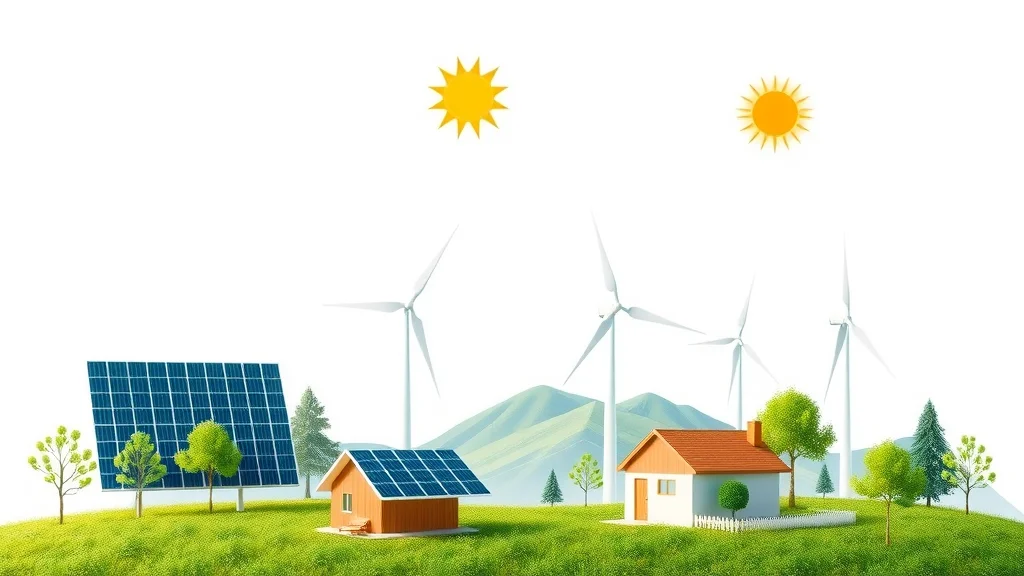
There's no one-size-fits-all solution when it comes to home energy source options. Today, four major renewable energy systems stand out for homeowners: solar energy, wind power, geothermal heat (using heat pumps), and biomass. Each comes with its own pros, cons, and cost profile. Solar panels are popular for their easy rooftop installation, broad tax credit opportunities, and strong energy savings. Wind turbines suit homes with enough land and consistent wind speeds. Geothermal heat pumps deliver year-round comfort by tapping into the earth's stable temperatures, while biomass technologies are best suited for rural properties with access to organic waste materials.
- Solar energy
- Wind power
- Geothermal heat (heat pumps)
- Biomass
The optimal choice depends on factors such as local climate, available space, upfront investment, and your long-term energy needs. Many homeowners now opt for hybrid energy systems, combining solar and geothermal or other renewables for maximum performance, reliability, and savings.
As you weigh the benefits of different renewable energy systems for your home, it's also important to consider how broader policy decisions can impact the growth and stability of clean energy sectors. For example, shifts in government actions have had significant effects on job creation and investment in areas like offshore wind—explore more about these dynamics in how political actions threaten offshore wind jobs in America.
Comparing Energy Sources: Which Renewable Energy System Fits Your Home?
Selecting the right renewable energy home investment is crucial for maximizing your benefits. The table below compares the most common residential systems—solar panels, geothermal heat pumps, and alternative options—across key attributes: installation cost, energy efficiency, longevity, and government incentives. These aspects matter greatly when considering not only your initial budget but also your savings and return over time.
Solar panel systems often boast the lowest barriers to entry and the most generous tax credits—including the federal tax credit—while geothermal solutions deliver near-unmatched efficiency and performance. Wind and biomass options, though less common, can provide unique value in specific regions. Let’s look at a side-by-side comparison to aid your home energy planning:
| Energy System | Installation Cost* | Energy Efficiency | Expected Lifespan | Government Incentives |
|---|---|---|---|---|
| Solar Panels | $10,000–$25,000 | High (15–22% conversion rate) | 25–35 years | Up to 30% federal tax credit; State/local incentives |
| Geothermal Heat Pumps | $18,000–$35,000 | Very High (up to 400% efficiency) | 20–25 years (pump); 50+ years (ground loop) | Up to 30% federal tax credit; Additional programs |
| Wind Power | $15,000–$75,000 | Variable (site-dependent) | 20–25 years | Federal/state incentives; installation may be site-limited |
| Biomass | $3,000–$15,000 | Good (60–80% efficiency) | 10–20 years | Varies by region; fewer incentives than solar/geothermal |
Solar Energy: Benefits and Considerations for Homeowners
Solar energy remains the top choice for most homeowners considering a renewable energy home investment. With flexible mounting options, rapidly dropping costs, and strong federal and local solar tax credit programs, solar panels are a smart investment for homes with adequate sun exposure. Their low maintenance needs and long lifespan make them a “set and forget” energy solution that directly impacts utility bills.
However, not every rooftop is ideal—tree cover, orientation, roof size, and local weather patterns must be evaluated to optimize your solar panel system. Also, pairing panels with battery storage or enrolling in net metering can allow you to store or sell excess energy generated during peak sunlight, further extending your energy savings and advancing energy independence.
Geothermal Heat and Heat Pumps: Are They Worth It?
Geothermal heat pumps offer perhaps the best year-round performance for home heating and cooling of any renewable system. By harnessing the stable temperatures below the ground, these systems can efficiently condition your home regardless of outside fluctuations. The key advantage is efficiency: for every unit of electricity, a geothermal heat pump can provide three to four units of heating or cooling, drastically reducing energy costs over time.
While the upfront cost for installation is greater than typical solar panel systems, many families recoup these expenses within a decade thanks to energy savings and tax rebates. Additionally, their discreet design and low maintenance appeal to homeowners who want to avoid visible alterations to their home’s exterior. Combining geothermal with other energy sources can maximize savings and comfort throughout the year.
Hybrid Energy Systems: Combining Multiple Energy Sources
Hybrid energy systems are gaining traction as homeowners seek maximum resilience and overall energy performance. These systems leverage combinations like solar panels paired with geothermal heat or backup wind power, ensuring your home remains comfortable and operational even in variable weather. By diversifying your energy sources, you hedge against outages, peak rates, and seasonal fluctuations—while expanding on tax credit potential.
Adopting a hybrid approach allows homeowners to meet more of their own power and heating/cooling needs, rely less on fossil fuels, and take full advantage of technology and incentive programs. With the help of a skilled installer, your unique home can achieve an optimal blend of efficiency, sustainability, and energy independence.
Key Steps for Your Renewable Energy Home Investment
- Site feasibility assessment: Start by having an expert analyze your property’s location, sun/shade balance, space for panels or ground loops, existing utilities, and local zoning rules. This crucial first step will determine the best energy system for your needs.
- Choosing the right solar panel or energy system: Consider factors such as energy output, durability, support for battery storage or net metering options, and compatibility with any existing home energy systems.
- Evaluating installation, maintenance, and warranties: Review bids from certified installers. Ask about labor and equipment warranties, expected maintenance (usually minimal for solar panels and geothermal heat pumps), and post-installation support.
Selecting a Trusted Installer for Solar Panels or Clean Energy Systems
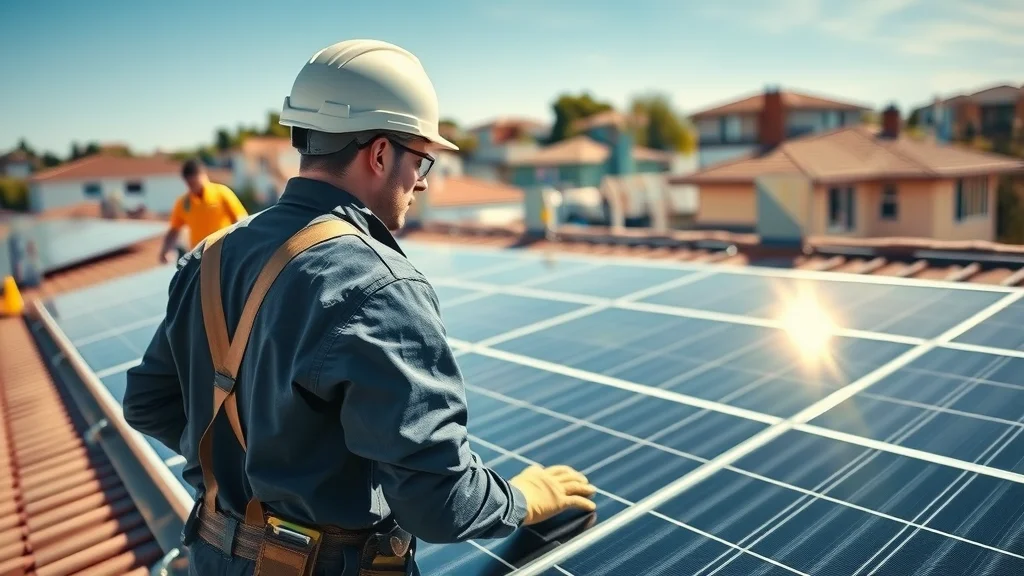
Hiring a reputable installer is one of the most important aspects of a successful renewable energy home investment. A top-tier provider will be certified, experienced, and transparent—offering customer testimonials and clear details on installation, warranties, and maintenance needs. They will walk you through your options, from solar panel selection to heat pump sizing and hybrid system configurations.
Ask for proof of industry certifications (such as NABCEP for solar or IGSHPA for geothermal), a breakdown of likely energy savings based on your local energy costs, and an explanation of how warranties and ongoing service work. This approach ensures that you maximize your investment and enjoy long-lasting clean energy benefits with peace of mind.
Monitoring Home Energy Performance Post-Installation
Following installation, it’s essential to monitor your home energy performance. Most solar energy systems and heat pumps now include remote or app-based tracking so you can see your daily energy savings, utility bill reductions, and overall system health. Monitoring allows you to quickly spot changes in performance, address maintenance needs, and ensure you’re receiving the full benefit of your system.
Reliable data empowers you to make adjustments, optimize your energy usage, and even participate in programs like net metering, which let you sell excess energy back to the grid. In short, proper oversight secures better returns and energy independence.

Financing Options and Tax Credits for Renewable Energy Home Investment
How Tax Credits and Incentives Reduce Your Installation Costs
"The federal tax credit for residential solar energy systems currently covers up to 30% of your installation expenses—an unprecedented time to invest."
Tax credits play a pivotal role in making a renewable energy home investment accessible. The federal tax credit (ITC) now allows you to deduct up to 30% of costs for solar panels, geothermal heat pumps, and other eligible systems from your federal taxes. Some states and local governments pile on additional incentives, from rebates and cash-back offers to expedited permitting and property tax exemptions.
These tax credits make it possible to recoup much of your upfront costs—sometimes shaving tens of thousands from your overall investment. Be sure to consult with your installer or a tax professional to maximize every available opportunity for your region and chosen energy system. With these supports, investing in clean energy is more affordable and more rewarding than ever.
Understanding Net Metering: Monetize Your Excess Energy
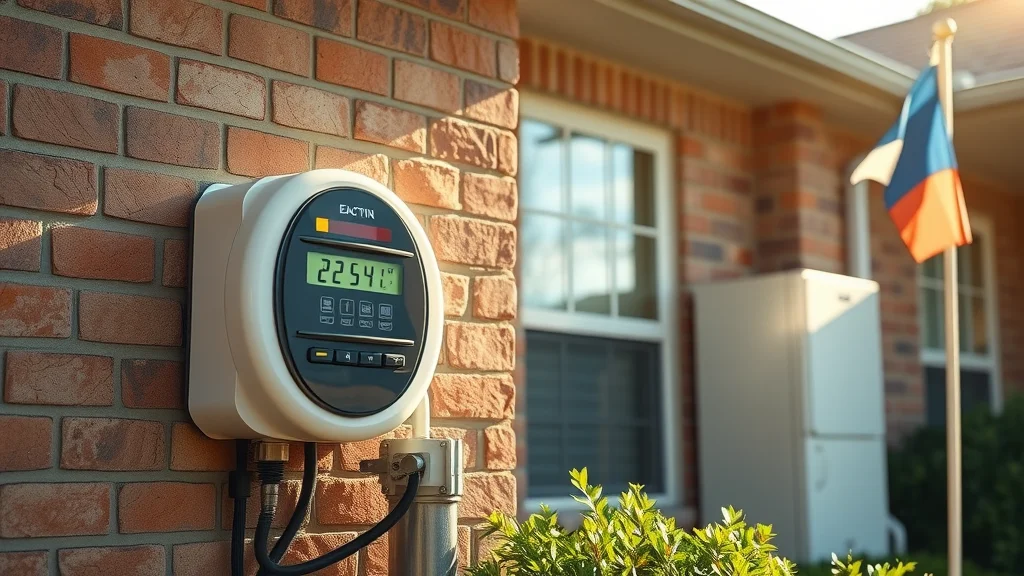
Net metering allows homeowners with solar panels (or other renewable systems) to feed excess energy produced during sunny or off-peak hours back into the local grid. In return, you get credits on your utility bill—sometimes even a cash payout if your PV system generates more power than your home uses annually. This system makes your home energy setup a producer as well as a consumer, speeding up the payback on your renewable energy home investment.
Programs differ by state and local utility, but nearly all will let you significantly reduce or even eliminate your electricity costs, further cementing the financial wisdom of renewable investments.
Zero Down Financing: Make Solar Energy Accessible for Every Homeowner
Affordability remains one of the main concerns for homeowners considering solar panels or other renewable energy systems. Fortunately, many reputable installers now offer zero-down financing—allowing you to start your solar energy journey with no money out of pocket. Instead, monthly payments are structured to be less than your existing utility bills, delivering instant cash-flow savings and a faster route to energy independence.
Combining flexible payment plans with generous tax credits means every homeowner, regardless of income level, can access the immediate and long-term benefits of clean energy. This model has helped drive rapid growth in renewable energy home investments across the country, offering a win-win solution for both household budgets and environmental goals.
People Also Ask About Renewable Energy Home Investment
Is renewable energy a good investment?
Renewable energy is widely recognized as a strong, long-term investment for homeowners—offering lower ongoing energy bills, increased property values, and protection against rising electricity costs.
Can a house be 100% solar powered?
Yes, with the right solar panel setup and energy storage solutions, many homes can be powered entirely by solar energy, depending on geographic location and average energy usage.
Is getting solar on your house worth it?
Investing in solar energy offers consistent savings, tax benefits, and increased home value. For most homeowners, payback periods are now shorter than ever, making solar a sound choice.
What is the best renewable energy source for homes?
Solar energy is the most common choice because of ease of installation and strong incentives, but geothermal heat pumps and wind energy can also be best, depending on local factors.
The Long-Term Impact of Renewable Energy Home Investment on Energy Bills & Independence
"Homeowners who invest in clean energy often see 60-100% reductions in energy bills, enjoying true energy independence within a few years of installation."
- Reduced utility costs
- Stable energy pricing
- Potential for surplus energy income
- Lower carbon footprint

By switching to clean energy through a meaningful renewable energy home investment, families not only enjoy immediate savings but are positioned for long-term financial health and true energy independence. Whether through eliminating utility bills, selling excess energy back to the grid, or gaining protection from rising energy costs, these investments place you in control of your home’s future.
FAQs: Common Concerns with Renewable Energy Home Investment
- What ongoing maintenance do solar panels and heat pumps require? Most solar panels and modern heat pumps have minimal maintenance needs—occasional cleaning for solar panels and annual checkups for pumps. Warranties often cover major components for decades, ensuring reliable performance.
- How does net metering work with my local utility? Net metering allows you to send excess energy your home produces back to the grid. In exchange, you’ll receive credits on your electric bill, which can offset the cost of energy you use at other times.
- Are there risks with older energy systems and warranties? Some early-generation systems may lack today’s efficiency or warranty coverage. Always check the age and service life of your installation. Most modern panels and heat pumps are backed by 20–30 year warranties, but it’s wise to review service agreements before purchase.
- What happens if I produce more excess energy than I use? Depending on local net metering or feed-in tariff rules, you may receive bill credits or direct payments for the surplus. In some cases, utility companies pay for your excess energy, adding another revenue stream to your renewable energy home investment.
Key Takeaways from This Guide to Renewable Energy Home Investment
- Renewable energy home investment increases value and reduces bills
- Solar panels and alternative energy systems are more accessible than ever thanks to incentives
- Choosing the right system and provider maximizes returns
Ready to Make a Renewable Energy Home Investment?
"Buy Your New Home With Zero Down Reach Solar Solution: https://reachsolar.com/seamandan/zero-down-homes"
Conclusion: Securing a Sustainable Future with Renewable Energy Home Investment
Take the first step toward significant energy savings, greater home value, and energy independence with a renewable energy home investment today.
As you consider your next steps toward a more sustainable and cost-effective home, remember that the renewable energy landscape is shaped not only by technology and incentives, but also by the broader policy environment. Staying informed about how political decisions can influence clean energy opportunities will help you make smarter, future-proof investments. For a deeper understanding of the challenges and opportunities facing the renewable sector, especially in areas like offshore wind, take a look at the impacts of political actions on offshore wind jobs in America. Exploring these insights can empower you to advocate for supportive policies and maximize the long-term value of your renewable energy home investment.




Write A Comment