

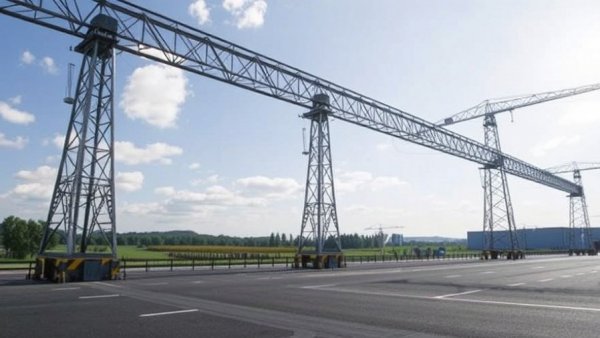
The Transformation of Iron in Green Steel Production
The European think tank Future Cleantech Architects has recently announced that converting iron into steel without utilizing blast furnaces offers a promising pathway for mined ore. This innovation is crucial for the steel industry, which is currently one of the largest carbon dioxide emitters globally. Traditional steel production via blast furnaces is energy-intensive and contributes significantly to environmental degradation. By shifting to greener methods, the industry can capitalize on new technologies that prioritize sustainability, ultimately benefiting both the environment and the economy.
Understanding the Green Steel Revolution
Green steel refers to steel produced using low-carbon or zero-carbon processes. Traditionally, blast furnaces rely on carbon-intensive materials, primarily coal, to convert iron ore into steel. In contrast, innovative methods aim to utilize hydrogen or electricity to facilitate the reduction of iron oxide, a process that significantly lowers carbon emissions. This shift aligns with Europe's climate goals and the broader ambition of reducing greenhouse gas emissions across industries. The urgency to transition to green steel production has never been greater as nations strive to meet international climate agreements, such as the Paris Agreement, which aim to limit global warming.
Key Technologies Behind Green Steel
New technologies that support the transformation of iron into low-carbon steel include hydrogen-based reduction processes, direct reduced iron (DRI), and electric arc furnaces (EAFs). Hydrogen-based processes involve using renewable electricity to electrolyze water, producing hydrogen that then reacts with iron oxide. This method is gaining traction, as it can be integrated with wind and solar power, making it a sustainable option in regions rich in renewable resources. Meanwhile, DRI processes enable the reduction of iron ores using gases rich in hydrogen instead of carbon, contributing to lower emissions. EAFs utilize scrap metal and electricity to produce steel efficiently and with minimal emissions, highlighting the circular economy's role in steel production.
The Business Case for Green Steel
The business implications of adopting green steel technologies are vast and essential for future prosperity. Companies prioritizing sustainability can enhance their market competitiveness and appeal to an increasingly environmentally conscious consumer base. Moreover, with countries worldwide pushing for carbon neutrality by mid-century, embracing cleaner production processes can position firms favorably within the regulatory landscape and open up new revenue streams. Investments in green steel projects are not just environmentally prudent but also financially savvy, as they can unlock funding opportunities from green bonds and government incentives designed to encourage eco-friendly practices.
Challenges in Implementing Green Steel Technologies
Despite the promise of these technologies, challenges abound. The transition from conventional to green steel production requires substantial investments and the establishment of sustainable supply chains. Existing infrastructure may need significant upgrades to incorporate new processes, and there are concerns regarding the availability and scalability of green hydrogen. Furthermore, the demand for green steel must be cultivated in tandem with production capabilities to ensure market readiness. Agreements between various stakeholders, including manufacturers, government bodies, and consumers, are crucial in fostering an environment conducive to sustainable practices. Long-term strategic planning and collaboration can help alleviate some of these challenges.
The Future of Steel and Carbon Management
The potential for iron in the green steel ecosystem illustrates the ongoing evolution within the metal industry, which must adapt to meet stringent sustainability targets. As the Global Steel Innovations Forum emphasizes, the collective efforts in research, collaboration, and implementation of green technologies are essential to reshape how future steel is produced. The integration of digital technologies, such as AI and blockchain, can further enhance transparency and efficiency within supply chains, facilitating better management of resources and emissions.
With a growing urgency for sectors to reduce their carbon footprints, investments in green steel technology hold the promise of significantly lessening the environmental impact of one of the most fundamental materials in modern society. Companies that kindle innovation in this field are setting the stage not only for enhanced operational efficiencies but also a sustainable future. The transition to green steel production is not merely a trend; it represents a profound shift in how manufacturing will occur, aligning economic interests with ecological responsibility, ensuring that the steel industry not only supports the economy but also contributes positively to the planet.






Write A Comment