

Echo-Innovation Hub Logo
Eco-Innovation Hub
  • Home
    • Categories
      • Plastic Waste Impact
      • Eco-Tech
      • Green Living
      • DIY Sustainability
      • Innovation Spotlight
      • Expert Insights
      • Product Reviews
      • Community Voices
    • Featured Business Profiles
    • All Posts
    • Eco-Tech
    • Green Living
    • DIY Sustainability
    • Innovation Spotlight
    • Expert Insights
    • Product Reviews
    • Plastic Waste Impact
    • Community Voices
    • Featured Business Profiles
    • Extra News
    November 20.2026
    3 Minutes Read

    Audi's Circular Solutions: Pioneering the Future of Circular Economy

    Audi establishes circular economy business unit

    Audi Shapes a Sustainable Future with Circular Economy

    In a bold move set to redefine the automotive industry's approach to sustainability, Audi AG has announced the creation of Audi Circular Solutions GmbH, a new subsidiary aimed at revolutionizing the lifecycle management of its vehicles. This initiative is part of a broader commitment by the company to embrace a circular economy, where the focus shifts from single-use products to sustainable practices that prioritize resource reuse and minimize waste.

    The Foundations of Audi Circular Solutions

    Launching operations in early 2027, Audi Circular Solutions will integrate various aspects of vehicle lifecycle management, including the purchase of used vehicles and components, dismantling operations, and the sale of used parts. This comprehensive approach promises to offer customers a reliable source of quality used parts while ensuring access to secondary raw materials, a key area of focus given the industry's increasing regulatory scrutiny and environmental expectations.

    Collaboration and Expertise: Key to Success

    Michael Gick, managing director of Audi Circular Solutions, emphasized the importance of collaboration in achieving sustainable success. The subsidiary aims to pool Audi's strengths with the expertise of specialized partners throughout Europe, enabling rapid implementation of circular economy principles. This approach will not only lead to a scalable business model but will also encourage local economies by establishing strong, sustainable operations.

    Building on Past Success: Pilot Projects Lead the Way

    Audi Circular Solutions is leveraging findings from numerous pilot projects that have explored the potential for component reuse and raw material recovery, such as the innovative MaterialLoop program, which demonstrated the practical application of closed-loop material systems. These initiatives provide valuable insights, allowing Audi to develop a viable business model that aligns with sustainability goals while ensuring competitiveness in the market.

    The Broader Impact on Industry and Environment

    Audi's commitment to sustainability is not merely about environmental responsibility; it represents a strategic pivot towards economic resilience. With market demands shifting towards eco-friendly solutions, Audi is positioning itself at the forefront of this transformation. Recognizing the essential role of circular economic practices, Audi integrates sustainability into every facet of its corporate strategy, thereby fostering long-term growth while responsible resource utilization.

    Future Trends: Circular Economy as a New Norm

    The establishment of Audi Circular Solutions is indicative of a broader trend within the automotive industry, where major players are increasingly adopting circular economy principles. The circular economy presents a compelling opportunity for innovation and profitability, as companies that embrace these practices can not only mitigate costs associated with raw material production but also enhance their brand reputation in a climate-conscious consumer market.

    Audi's initiative also highlights the necessity for companies to rethink traditional operational models. As environmental regulations tighten and consumer awareness of sustainability grows, businesses that adapt proactively will likely thrive. Audi's Circular Solutions aims to lead this change, illustrating the potential for sustainable growth in the automotive sector.

    Conclusion: A Call for Comprehensive Action Toward Sustainability

    As Audi embarks on this transformative journey, it serves as an example for other companies striving to align business strategies with sustainable practices. The transition to a circular economy is not just beneficial for the environment; it represents a strategic imperative for companies aiming to succeed in a rapidly evolving market landscape. Industries must now consider how they can implement these principles into their own operations to create resilient, sustainable futures.
    Community Voices

    2 Views

    0 Comments

    Write A Comment

    *
    *
    Please complete the captcha to submit your comment.
    Related Posts All Posts
    11.21.2026

    Sennebogen's New Training Center: A Bold Step for Future Skills and Growth

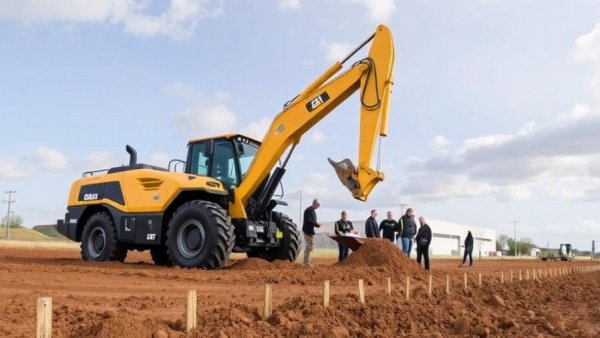
    Update Training Center Initiative to Foster Talent Sennebogen's recent groundbreaking for a new training center at Plant 1 in Straubing, Germany, signifies a pivotal investment in the training of the next generation of skilled workers. As industries rapidly evolve with technological advances, companies must ensure that their workforce is well-equipped to meet changing demands. The new facility serves as a testament to Sennebogen's foresight in maintaining a competitive edge through education and structured training. Commitment to Education and Workforce Development With an anticipated completion in September 2027, the €4 million training center underscores Sennebogen's commitment to fostering young talent. The facility will encompass 1,800 square meters of space dedicated to various fields, including precision mechanics, industrial mechanics, and mechatronics. These programs are critical not only for individual career trajectories but also for the operational success of companies within highly competitive sectors. By investing in substantial education infrastructure, Sennebogen is also positioning itself as a significant player in addressing the skilled labor shortage prevalent in today's job market. Meeting Industry Standards: Future-Proofing Workforce Skills Offering eight specialized training programs, Sennebogen aims to enhance its workforce's skills in areas that are both current and future-focused. By incorporating modern technology into training, including simulations and hands-on workshops, companies can expect to produce a more adept workforce capable of tackling both present challenges and upcoming innovations. These programs are designed to align with industry standards, ensuring that graduates not only meet but exceed employer expectations, thus enhancing their employability. Statistical Insights: Impact of Structured Training Programs Statistics reveal that over 95 percent of graduates from Sennebogen's existing programs continue their careers within the company. This retention not only speaks to high job satisfaction but also emphasizes the effectiveness of structured training initiatives in career sustainability. Companies that invest in workforce development often see reduced turnover rates and increased productivity. Furthermore, this approach enhances the overall company culture, creating an environment where learning and growth are prioritized, thus attracting new talents who seek employers committed to their professional development. Complementary Facilities: Expanding Training Capacity The new center will also augment Sennebogen's training capabilities in its existing facilities in Wackersdorf and North Carolina. This expansion aims to ensure consistent training quality across locations while addressing unique regional workforce needs. As businesses increasingly operate on a global scale, having standardized training with localized focus is essential. The interconnectedness of these locations enables sharing of best practices and resources, thus enriching the training experience for students and creating synergies within the organization. The Bigger Picture: Workforce Trends in Engineering and Technology The demand for skilled technicians in engineering and technical fields has seen a significant rise due to the digitalization of industries. Companies are increasingly relying on innovative strategies to attract and develop talent. Investing in education, such as the one Sennebogen is implementing, is a proactive approach to sustain competitive advantages in an era defined by rapid technological change. Addressing the skills gap not only fulfills immediate staffing needs but also allows for strategic innovations that drive long-term growth. Moreover, as industries continue to embrace automation and smart technologies, the need for specialized skills becomes even more pronounced, making training initiatives absolutely vital. Community and Industry Engagement Beyond the corporate benefits, Sennebogen's training center is set to have a positive impact on the local community. By preparing young professionals not only for careers within Sennebogen but for the broader job market, the initiative supports local economic development. Additionally, collaboration with local educational institutions can enhance the curriculum, ensuring that training remains relevant and effectively meets the needs of both students and employers. As the landscape of industry continues to evolve, it becomes imperative for companies like Sennebogen to remain proactive in workforce training. With the launch of this new facility, Sennebogen is positioning itself not just as a leader in its field, but also as a champion for the skilled workforce of the future. This initiative highlights a commitment to adaptability and foresight, essential qualities as industries prepare to face the challenges that lie ahead. By fostering a culture of continuous learning and development, Sennebogen is not only investing in its future but also contributing to a robust economic framework that benefits the entire industry.

    11.21.2026

    How Reworld's $20,000 Donation Benefits Pennsylvania Communities

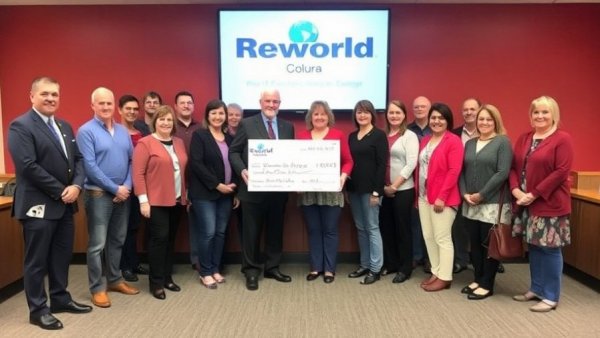
    Update Restoring Community: Reworld’s Generous Donation In an inspiring show of corporate social responsibility, Reworld recently donated $20,000 to various community organizations in Pennsylvania. This generous contribution reflects a growing recognition among businesses that investing in local communities can foster sustainable development and strengthen social ties. Such philanthropic initiatives not only address immediate local needs but also lay a foundation for long-term growth and community resilience, essential in today’s rapidly changing economic landscape. Why Community Investment Matters Community investments like those made by Reworld are not merely acts of charity; they symbolize a strategic approach to fostering goodwill and support within the community. As organizations face challenges from economic turmoil, such commitments are crucial for initiatives aimed at addressing local needs, from education to public health. For instance, investment in educational programs can help equip future generations with the knowledge and skills necessary to thrive, while support for health initiatives can improve overall well-being and productivity in the community. Addressing Plastic Waste Through Innovation Reworld’s donation aligns seamlessly with broader environmental goals, as many of the funds are designated for projects that tackle plastic waste. With the increasing focus on sustainable practices, organizations that address waste management and recycling efforts directly contribute to a healthier planet. The community organizations benefiting from this donation are implementing innovative solutions that combine education on plastic use with actionable recycling initiatives. These educational efforts are particularly vital in shaping public awareness and encouraging responsible consumption patterns, which are essential in combating the plastic crisis. Real-World Impact: The Recipients The $20,000 donation will be allocated across several key organizations within Pennsylvania. These include educational and environmental initiatives that aim to foster awareness about plastic waste and promote sustainability. By empowering local nonprofits, Reworld is ensuring that its impact resonates throughout the community, inspiring further actions toward environmental stewardship. Recipients of this funding include local schools introducing recycling programs, community gardens promoting sustainable agriculture, and workshops designed to educate the public about reducing plastic usage at home and in their daily lives, thereby reinforcing the importance of collective action against pollution. Anticipating Future Trends in Corporate Responsibility As businesses increasingly recognize the impact of their operations on community welfare, investments in social programs will likely expand. The growing trend of corporate responsibility has transcended conventional philanthropy; it now includes a focus on long-term sustainable development and environmental impact. Companies that align operational goals with community needs create a significant opportunity not just for themselves, but also for the broader society. As a result, businesses are not merely viewed through the lens of profit and loss, but as integral participants in the ecological and social fabric of their communities. Inspiring a Movement: How Businesses Can Follow Suit Reworld’s donation serves as a powerful reminder to other businesses about the importance of community engagement and environmental responsibility. Firms of all sizes can explore ways to integrate corporate philanthropy into their business model, thereby building a reputation rooted in community support. For businesses looking to make a similar impact, engaging local stakeholders to identify critical areas for assistance is essential. By laying the groundwork for sustainable practices, businesses can enhance their credibility while contributing to essential social endeavors. Moreover, this can lead to increased employee morale and customer loyalty, as people are more inclined to support brands that are socially conscious. Conclusion: The Significance of Community Engagement The financial support provided by Reworld illustrates an important trend in business leadership—prioritizing social responsibility and engaging communities in meaningful ways. As more organizations adopt this model, communities may experience a ripple effect of positive change, creating a more sustainable future that addresses pressing issues like plastic waste and social equity. Businesses must take note of these developments and strive to replicate such inspiring examples of corporate responsibility. By doing so, they not only enhance their brand image but also contribute to the well-being of society as a whole. To further amplify the impact of such initiatives in your local community, consider collaborating with organizations like Reworld or engaging in sustainable practices yourselves. Every effort counts towards building a more resilient society. Whether it’s through direct donations, volunteer work, or simply spreading awareness, businesses and individuals alike play a crucial role in creating a lasting change. Together, we can build communities that are not only economically vibrant but also environmentally responsible and socially equitable.

    11.20.2026

    How the Conversion of Iron is Paving the Way for Green Steel

    Update The Transformation of Iron in Green Steel Production The European think tank Future Cleantech Architects has recently announced that converting iron into steel without utilizing blast furnaces offers a promising pathway for mined ore. This innovation is crucial for the steel industry, which is currently one of the largest carbon dioxide emitters globally. Traditional steel production via blast furnaces is energy-intensive and contributes significantly to environmental degradation. By shifting to greener methods, the industry can capitalize on new technologies that prioritize sustainability, ultimately benefiting both the environment and the economy. Understanding the Green Steel Revolution Green steel refers to steel produced using low-carbon or zero-carbon processes. Traditionally, blast furnaces rely on carbon-intensive materials, primarily coal, to convert iron ore into steel. In contrast, innovative methods aim to utilize hydrogen or electricity to facilitate the reduction of iron oxide, a process that significantly lowers carbon emissions. This shift aligns with Europe's climate goals and the broader ambition of reducing greenhouse gas emissions across industries. The urgency to transition to green steel production has never been greater as nations strive to meet international climate agreements, such as the Paris Agreement, which aim to limit global warming. Key Technologies Behind Green Steel New technologies that support the transformation of iron into low-carbon steel include hydrogen-based reduction processes, direct reduced iron (DRI), and electric arc furnaces (EAFs). Hydrogen-based processes involve using renewable electricity to electrolyze water, producing hydrogen that then reacts with iron oxide. This method is gaining traction, as it can be integrated with wind and solar power, making it a sustainable option in regions rich in renewable resources. Meanwhile, DRI processes enable the reduction of iron ores using gases rich in hydrogen instead of carbon, contributing to lower emissions. EAFs utilize scrap metal and electricity to produce steel efficiently and with minimal emissions, highlighting the circular economy's role in steel production. The Business Case for Green Steel The business implications of adopting green steel technologies are vast and essential for future prosperity. Companies prioritizing sustainability can enhance their market competitiveness and appeal to an increasingly environmentally conscious consumer base. Moreover, with countries worldwide pushing for carbon neutrality by mid-century, embracing cleaner production processes can position firms favorably within the regulatory landscape and open up new revenue streams. Investments in green steel projects are not just environmentally prudent but also financially savvy, as they can unlock funding opportunities from green bonds and government incentives designed to encourage eco-friendly practices. Challenges in Implementing Green Steel Technologies Despite the promise of these technologies, challenges abound. The transition from conventional to green steel production requires substantial investments and the establishment of sustainable supply chains. Existing infrastructure may need significant upgrades to incorporate new processes, and there are concerns regarding the availability and scalability of green hydrogen. Furthermore, the demand for green steel must be cultivated in tandem with production capabilities to ensure market readiness. Agreements between various stakeholders, including manufacturers, government bodies, and consumers, are crucial in fostering an environment conducive to sustainable practices. Long-term strategic planning and collaboration can help alleviate some of these challenges. The Future of Steel and Carbon Management The potential for iron in the green steel ecosystem illustrates the ongoing evolution within the metal industry, which must adapt to meet stringent sustainability targets. As the Global Steel Innovations Forum emphasizes, the collective efforts in research, collaboration, and implementation of green technologies are essential to reshape how future steel is produced. The integration of digital technologies, such as AI and blockchain, can further enhance transparency and efficiency within supply chains, facilitating better management of resources and emissions. With a growing urgency for sectors to reduce their carbon footprints, investments in green steel technology hold the promise of significantly lessening the environmental impact of one of the most fundamental materials in modern society. Companies that kindle innovation in this field are setting the stage not only for enhanced operational efficiencies but also a sustainable future. The transition to green steel production is not merely a trend; it represents a profound shift in how manufacturing will occur, aligning economic interests with ecological responsibility, ensuring that the steel industry not only supports the economy but also contributes positively to the planet.

    Eco-Innovation Hub

    The Eco-Innovation Hub focus is on sustainable solutions and eco-friendly innovations, providing content that highlights pioneering technologies and sustainable practices. This channel emphasizes practical applications and consumer-friendly solutions, offering DIY guides and expert advice to help our audience adopt sustainable practices.

    • ecoinnovationhub@facebook
    • ecoinnovationhub@twitter
    • ecoinnovationhub@linkedin
    • ecoinnovationhub@pinterest
    • ecoinnovationhub@youtube
    • ecoinnovationhub@instagram
    Advertise
    Eco-Innovation Hub
    SeamanDan.com fcmo
    Dan Seaman Press Pass

    ABOUT US

    SeamanDan LLC is a modern news media agency creating niche digital channels that inform and engage. We specialize in launching focused platforms that deliver impactful content.  Our current brands include:
    Parallel Health World
    AI Insights Hub
    MLM News AI
    Rider Safe News
    Meme Crypto News
    Rugged Trails Network
    Recreation Wave
    Outdoor Odyssey News
    Eco-Innovation Hub
    Metal Green Innovators
    Autism Foundation News
    At SeamanDan LLC, we don't just report the news we create platforms that build communities, foster trust, and drive forward-thinking conversations.  Can we build a channel for you?

    © 2026 Eco-Innovation Hub All Rights Reserved. 810 N Main St #187, Spearfish, SD 57783 . Contact Us . Terms of Service . Privacy Policy

    eyJjb21wYW55IjoiRWNvLUlubm92YXRpb24gSHViIiwiYWRkcmVzcyI6IjgxMCBOIE1haW4gU3QgIzE4NyIsImNpdHkiOiJTcGVhcmZpc2giLCJzdGF0ZSI6IlNEIiwiemlwIjoiNTc3ODMiLCJlbWFpbCI6InNlYW1hbmRhbkBzZWFtYW5kYW4uY29tIiwidG9zIjoiUEhBK1BITjBjbTl1Wno0OFpXMCtWMmhsYmlCNWIzVWdjMmxuYmkxcGJpQjNhWFJvSUhWekxDQjViM1VnWVhKbElHZHBkbWx1WnladVluTndPeUI1YjNWeUlIQmxjbTFwYzNOcGIyNGdZVzVrSUdOdmJuTmxiblFnZEc4Z2MyVnVaQ0I1YjNVZ1pXMWhhV3dnWVc1a0wyOXlJRk5OVXlCMFpYaDBJRzFsYzNOaFoyVnpMaUJDZVNCamFHVmphMmx1WnlCMGFHVWdWR1Z5YlhNZ1lXNWtJRU52Ym1ScGRHbHZibk1nWW05NElHRnVaQ0JpZVNCemFXZHVhVzVuSUdsdUlIbHZkU0JoZFhSdmJXRjBhV05oYkd4NUlHTnZibVpwY20wZ2RHaGhkQ0I1YjNVZ1lXTmpaWEIwSUdGc2JDQjBaWEp0Y3lCcGJpQjBhR2x6SUdGbmNtVmxiV1Z1ZEM0OEwyVnRQand2YzNSeWIyNW5Qand2Y0Q0S0NqeHdQbWgwZEhCek9pOHZaV052TFdsdWJtOTJZWFJwYjI1b2RXSXVZMjl0UEM5d1Bnb0tQSEErSm01aWMzQTdQQzl3UGdvS1BIQStQSE4wY205dVp6NVRSVkpXU1VORlBDOXpkSEp2Ym1jK1BDOXdQZ29LUEhBK1YyVWdjSEp2ZG1sa1pTQmhJSE5sY25acFkyVWdkR2hoZENCamRYSnlaVzUwYkhrZ1lXeHNiM2R6SUhsdmRTQjBieUJ5WldObGFYWmxJSEpsY1hWbGMzUnpJR1p2Y2lCbVpXVmtZbUZqYXl3Z1kyOXRjR0Z1ZVNCcGJtWnZjbTFoZEdsdmJpd2djSEp2Ylc5MGFXOXVZV3dnYVc1bWIzSnRZWFJwYjI0c0lHTnZiWEJoYm5rZ1lXeGxjblJ6TENCamIzVndiMjV6TENCa2FYTmpiM1Z1ZEhNZ1lXNWtJRzkwYUdWeUlHNXZkR2xtYVdOaGRHbHZibk1nZEc4Z2VXOTFjaUJsYldGcGJDQmhaR1J5WlhOeklHRnVaQzl2Y2lCalpXeHNkV3hoY2lCd2FHOXVaU0J2Y2lCa1pYWnBZMlV1SUZsdmRTQjFibVJsY25OMFlXNWtJR0Z1WkNCaFozSmxaU0IwYUdGMElIUm9aU0JUWlhKMmFXTmxJR2x6SUhCeWIzWnBaR1ZrSUNaeGRXOTBPMEZUTFVsVEpuRjFiM1E3SUdGdVpDQjBhR0YwSUhkbElHRnpjM1Z0WlNCdWJ5QnlaWE53YjI1emFXSnBiR2wwZVNCbWIzSWdkR2hsSUhScGJXVnNhVzVsYzNNc0lHUmxiR1YwYVc5dUxDQnRhWE10WkdWc2FYWmxjbmtnYjNJZ1ptRnBiSFZ5WlNCMGJ5QnpkRzl5WlNCaGJua2dkWE5sY2lCamIyMXRkVzVwWTJGMGFXOXVjeUJ2Y2lCd1pYSnpiMjVoYkdsNllYUnBiMjRnYzJWMGRHbHVaM011UEM5d1Bnb0tQSEErV1c5MUlHRnlaU0J5WlhOd2IyNXphV0pzWlNCbWIzSWdiMkowWVdsdWFXNW5JR0ZqWTJWemN5QjBieUIwYUdVZ1UyVnlkbWxqWlNCaGJtUWdkR2hoZENCaFkyTmxjM01nYldGNUlHbHVkbTlzZG1VZ2RHaHBjbVFnY0dGeWRIa2dabVZsY3lBb2MzVmphQ0JoY3lCVFRWTWdkR1Y0ZENCdFpYTnpZV2RsY3l3Z1NXNTBaWEp1WlhRZ2MyVnlkbWxqWlNCd2NtOTJhV1JsY2lCdmNpQmpaV3hzZFd4aGNpQmhhWEowYVcxbElHTm9ZWEpuWlhNcExpQlpiM1VnWVhKbElISmxjM0J2Ym5OcFlteGxJR1p2Y2lCMGFHOXpaU0JtWldWekxDQnBibU5zZFdScGJtY2dkR2h2YzJVZ1ptVmxjeUJoYzNOdlkybGhkR1ZrSUhkcGRHZ2dkR2hsSUdScGMzQnNZWGtnYjNJZ1pHVnNhWFpsY25rZ2IyWWdaV0ZqYUNCVFRWTWdkR1Y0ZENCdFpYTnpZV2RsSUhObGJuUWdkRzhnZVc5MUlHSjVJSFZ6TGlCSmJpQmhaR1JwZEdsdmJpd2dlVzkxSUcxMWMzUWdjSEp2ZG1sa1pTQmhibVFnWVhKbElISmxjM0J2Ym5OcFlteGxJR1p2Y2lCaGJHd2daWEYxYVhCdFpXNTBJRzVsWTJWemMyRnllU0IwYnlCaFkyTmxjM01nZEdobElGTmxjblpwWTJVZ1lXNWtJSEpsWTJWcGRtVWdkR2hsSUZOTlV5QjBaWGgwSUcxbGMzTmhaMlZ6TGlCWFpTQmtieUJ1YjNRZ1kyaGhjbWRsSUdGdWVTQm1aV1Z6SUdadmNpQmtaV3hwZG1WeWVTQnZaaUJsYldGcGJDQnZjaUJUVFZNdUlGUm9hWE1nYVhNZ1lTQm1jbVZsSUhObGNuWnBZMlVnY0hKdmRtbGtaV1FnWW5rZ2RYTXVJRWh2ZDJWMlpYSXNJSEJzWldGelpTQmphR1ZqYXlCM2FYUm9JSGx2ZFhJZ2FXNTBaWEp1WlhRZ2MyVnlkbWxqWlNCd2NtOTJhV1JsY2lCaGJtUWdZMlZzYkhWc1lYSWdZMkZ5Y21sbGNpQm1iM0lnWVc1NUlHTm9ZWEpuWlhNZ2RHaGhkQ0J0WVhrZ2FXNWpkWElnWVhNZ1lTQnlaWE4xYkhRZ1puSnZiU0J5WldObGFYWnBibWNnWlcxaGFXd2dZVzVrSUZOTlV5QjBaWGgwSUcxbGMzTmhaMlZ6SUhSb1lYUWdkMlVnWkdWc2FYWmxjaUIxY0c5dUlIbHZkWElnYjNCMExXbHVJR0Z1WkNCeVpXZHBjM1J5WVhScGIyNGdkMmwwYUNCdmRYSWdaVzFoYVd3Z1lXNWtJRk5OVXlCelpYSjJhV05sY3k0Z1dXOTFJR05oYmlCallXNWpaV3dnWVhRZ1lXNTVJSFJwYldVdUlFcDFjM1FnZEdWNGRDQW1jWFZ2ZER0VFZFOVFKbkYxYjNRN0lIUnZKbTVpYzNBN1BHaHBaMmhzYVdkb2RDQmpiR0Z6Y3owaVkyOXRjR0Z1ZVZOTlUxQm9iMjVsVlhCa1lYUmxJajV1ZFd4c1BDOW9hV2RvYkdsbmFIUStMaUJCWm5SbGNpQjViM1VnYzJWdVpDQjBhR1VnVTAxVElHMWxjM05oWjJVZ0puRjFiM1E3VTFSUFVDWnhkVzkwT3lCMGJ5QjFjeXdnZDJVZ2QybHNiQ0J6Wlc1a0lIbHZkU0JoYmlCVFRWTWdiV1Z6YzJGblpTQjBieUJqYjI1bWFYSnRJSFJvWVhRZ2VXOTFJR2hoZG1VZ1ltVmxiaUIxYm5OMVluTmpjbWxpWldRdUlFRm1kR1Z5SUhSb2FYTXNJSGx2ZFNCM2FXeHNJRzV2SUd4dmJtZGxjaUJ5WldObGFYWmxJRk5OVXlCdFpYTnpZV2RsY3lCbWNtOXRJSFZ6TGp3dmNENEtDanh3UGp4emRISnZibWMrV1U5VlVpQlNSVWRKVTFSU1FWUkpUMDRnVDBKTVNVZEJWRWxQVGxNOEwzTjBjbTl1Wno0OEwzQStDZ284Y0Q1SmJpQmpiMjV6YVdSbGNtRjBhVzl1SUc5bUlIbHZkWElnZFhObElHOW1JSFJvWlNCVFpYSjJhV05sTENCNWIzVWdZV2R5WldVZ2RHODZQQzl3UGdvS1BHOXNQZ29KUEd4cFBuQnliM1pwWkdVZ2RISjFaU3dnWVdOamRYSmhkR1VzSUdOMWNuSmxiblFnWVc1a0lHTnZiWEJzWlhSbElHbHVabTl5YldGMGFXOXVJR0ZpYjNWMElIbHZkWEp6Wld4bUlHRnpJSEJ5YjIxd2RHVmtJR0o1SUhSb1pTQlRaWEoyYVdObEppTXpPVHR6SUhKbFoybHpkSEpoZEdsdmJpQm1iM0p0SUNoemRXTm9JR2x1Wm05eWJXRjBhVzl1SUdKbGFXNW5JSFJvWlNBbWNYVnZkRHRTWldkcGMzUnlZWFJwYjI0Z1JHRjBZU1p4ZFc5ME95a2dZVzVrUEM5c2FUNEtDVHhzYVQ1dFlXbHVkR0ZwYmlCaGJtUWdjSEp2YlhCMGJIa2dkWEJrWVhSbElIUm9aU0JTWldkcGMzUnlZWFJwYjI0Z1JHRjBZU0IwYnlCclpXVndJR2wwSUhSeWRXVXNJR0ZqWTNWeVlYUmxMQ0JqZFhKeVpXNTBJR0Z1WkNCamIyMXdiR1YwWlM0Z1NXWWdlVzkxSUhCeWIzWnBaR1VnWVc1NUlHbHVabTl5YldGMGFXOXVJSFJvWVhRZ2FYTWdkVzUwY25WbExDQnBibUZqWTNWeVlYUmxMQ0J1YjNRZ1kzVnljbVZ1ZENCdmNpQnBibU52YlhCc1pYUmxMQ0J2Y2lCM1pTQm9ZWFpsSUhKbFlYTnZibUZpYkdVZ1ozSnZkVzVrY3lCMGJ5QnpkWE53WldOMElIUm9ZWFFnYzNWamFDQnBibVp2Y20xaGRHbHZiaUJwY3lCMWJuUnlkV1VzSUdsdVlXTmpkWEpoZEdVc0lHNXZkQ0JqZFhKeVpXNTBJRzl5SUdsdVkyOXRjR3hsZEdVc0lIZGxJR2hoZG1VZ2RHaGxJSEpwWjJoMElIUnZJSE4xYzNCbGJtUWdiM0lnUEhOMGNtOXVaejQ4YzNCaGJpQnpkSGxzWlQwaVkyOXNiM0k2STBaR01EQXdNRHNpUG5SbGNtMXBibUYwWlNCNWIzVnlJR0ZqWTI5MWJuUXZjSEp2Wm1sc1pTQmhibVFnY21WbWRYTmxJR0Z1ZVNCaGJtUWdZV3hzSUdOMWNuSmxiblFnYjNJZ1puVjBkWEpsSUhWelpTQnZaaUIwYUdVZ1UyVnlkbWxqWlNBb2IzSWdZVzU1SUhCdmNuUnBiMjRnZEdobGNtVnZaaWt1UEM5emNHRnVQand2YzNSeWIyNW5Qand2YkdrK0Nqd3ZiMncrQ2dvOGNENG1ibUp6Y0RzOEwzQStDanhvYVdkb2JHbG5hSFFnWTJ4aGMzTTlJbU52YlhCaGJubE9ZVzFsVlhCa1lYUmxJajVGWTI4dFNXNXViM1poZEdsdmJpQklkV0k4TDJocFoyaHNhV2RvZEQ0OFluSWdMejRLUEdocFoyaHNhV2RvZENCamJHRnpjejBpWTI5dGNHRnVlVUZrWkhKbGMzTlZjR1JoZEdVaVBqZ3hNQ0JPSUUxaGFXNGdVM1FnSXpFNE55d2dVM0JsWVhKbWFYTm9MQ0JUUkNBMU56YzRNend2YUdsbmFHeHBaMmgwUGp4aWNpQXZQZ284YUdsbmFHeHBaMmgwSUdOc1lYTnpQU0pqYjIxd1lXNTVVR2h2Ym1WVmNHUmhkR1VpUGlnMk56Z3BJRFEzT0MwME5qa3dQQzlvYVdkb2JHbG5hSFErUEdKeUlDOCtDanhvYVdkb2JHbG5hSFFnWTJ4aGMzTTlJbU52YlhCaGJubEZiV0ZwYkZWd1pHRjBaU0krYzJWaGJXRnVaR0Z1UUhObFlXMWhibVJoYmk1amIyMDhMMmhwWjJoc2FXZG9kRDQ9IiwicHJpdmFjeSI6IlBIQStQSE4wY205dVp6NVFVa2xXUVVOWlBDOXpkSEp2Ym1jK1BDOXdQZ29LUEhBK1BITjBjbTl1Wno1VWFHVWdhVzVtYjNKdFlYUnBiMjRnY0hKdmRtbGtaV1FnWkhWeWFXNW5JSFJvYVhNZ2NtVm5hWE4wY21GMGFXOXVJR2x6SUd0bGNIUWdjSEpwZG1GMFpTQmhibVFnWTI5dVptbGtaVzUwYVdGc0xDQmhibVFnZDJsc2JDQnVaWFpsY2lCaVpTQmthWE4wY21saWRYUmxaQ3dnWTI5d2FXVmtMQ0J6YjJ4a0xDQjBjbUZrWldRZ2IzSWdjRzl6ZEdWa0lHbHVJR0Z1ZVNCM1lYa3NJSE5vWVhCbElHOXlJR1p2Y20wdUlGUm9hWE1nYVhNZ2IzVnlJR2QxWVhKaGJuUmxaUzQ4TDNOMGNtOXVaejQ4TDNBK0NnbzhjRDQ4YzNSeWIyNW5Qa2xPUkVWTlRrbFVXVHd2YzNSeWIyNW5Qand2Y0Q0S0NqeHdQanhsYlQ1WmIzVWdZV2R5WldVZ2RHOGdhVzVrWlcxdWFXWjVJR0Z1WkNCb2IyeGtJSFZ6TENCaGJtUWdhWFJ6SUhOMVluTnBaR2xoY21sbGN5d2dZV1ptYVd4cFlYUmxjeXdnYjJabWFXTmxjbk1zSUdGblpXNTBjeXdnWTI4dFluSmhibVJsY25NZ2IzSWdiM1JvWlhJZ2NHRnlkRzVsY25Nc0lHRnVaQ0JsYlhCc2IzbGxaWE1zSUdoaGNtMXNaWE56SUdaeWIyMGdZVzU1SUdOc1lXbHRJRzl5SUdSbGJXRnVaQ3dnYVc1amJIVmthVzVuSUhKbFlYTnZibUZpYkdVZ1lYUjBiM0p1WlhsekppTXpPVHNnWm1WbGN5d2diV0ZrWlNCaWVTQmhibmtnZEdocGNtUWdjR0Z5ZEhrZ1pIVmxJSFJ2SUc5eUlHRnlhWE5wYm1jZ2IzVjBJRzltSUVOdmJuUmxiblFnZVc5MUlISmxZMlZwZG1Vc0lITjFZbTFwZEN3Z2NtVndiSGtzSUhCdmMzUXNJSFJ5WVc1emJXbDBJRzl5SUcxaGEyVWdZWFpoYVd4aFlteGxJSFJvY205MVoyZ2dkR2hsSUZObGNuWnBZMlVzSUhsdmRYSWdkWE5sSUc5bUlIUm9aU0JUWlhKMmFXTmxMQ0I1YjNWeUlHTnZibTVsWTNScGIyNGdkRzhnZEdobElGTmxjblpwWTJVc0lIbHZkWElnZG1sdmJHRjBhVzl1SUc5bUlIUm9aU0JVVDFNc0lHOXlJSGx2ZFhJZ2RtbHZiR0YwYVc5dUlHOW1JR0Z1ZVNCeWFXZG9kSE1nYjJZZ1lXNXZkR2hsY2k0OEwyVnRQand2Y0Q0S0NqeHdQanh6ZEhKdmJtYytSRWxUUTB4QlNVMUZVaUJQUmlCWFFWSlNRVTVVU1VWVFBDOXpkSEp2Ym1jK1BDOXdQZ29LUEhBK1BITjBjbTl1Wno1WlQxVWdSVmhRVWtWVFUweFpJRlZPUkVWU1UxUkJUa1FnUVU1RUlFRkhVa1ZGSUZSSVFWUTZQQzl6ZEhKdmJtYytQQzl3UGdvS1BHOXNQZ29KUEd4cFBsbFBWVklnVlZORklFOUdJRlJJUlNCVFJWSldTVU5GSUVsVElFRlVJRmxQVlZJZ1UwOU1SU0JTU1ZOTExpQlVTRVVnVTBWU1ZrbERSU0JKVXlCUVVrOVdTVVJGUkNCUFRpQkJUaUFtY1hWdmREdEJVeUJKVXlaeGRXOTBPeUJCVGtRZ0puRjFiM1E3UVZNZ1FWWkJTVXhCUWt4RkpuRjFiM1E3SUVKQlUwbFRMaUFzTGlCQlRrUWdWVk1zSUVsVUppTXpPVHRUSUVOVlUxUlBUVVZTVXl3Z1JWaFFVa1ZUVTB4WklFUkpVME5NUVVsTlV5QkJURXdnVjBGU1VrRk9WRWxGVXlCUFJpQkJUbGtnUzBsT1JDd2dWMGhGVkVoRlVpQkZXRkJTUlZOVElFOVNJRWxOVUV4SlJVUXNJRWxPUTB4VlJFbE9SeXdnUWxWVUlFNVBWQ0JNU1UxSlZFVkVJRlJQSUZSSVJTQkpUVkJNU1VWRUlGZEJVbEpCVGxSSlJWTWdUMFlnVFVWU1EwaEJUbFJCUWtsTVNWUlpMQ0JHU1ZST1JWTlRJRVpQVWlCQklGQkJVbFJKUTFWTVFWSWdVRlZTVUU5VFJTQkJUa1FnVGs5T0xVbE9SbEpKVGtkRlRVVk9WQzQ4TDJ4cFBnb0pQR3hwUGsxQlMwVlRJRTVQSUZkQlVsSkJUbFJaSUZSSVFWUWdLR2twSUZSSVJTQlRSVkpXU1VORklGZEpURXdnVFVWRlZDQlpUMVZTSUZKRlVWVkpVa1ZOUlU1VVV5d2dLR2xwS1NCVVNFVWdVMFZTVmtsRFJTQlhTVXhNSUVKRklGVk9TVTVVUlZKU1ZWQlVSVVFzSUZSSlRVVk1XU3dnVTBWRFZWSkZMQ0JQVWlCRlVsSlBVaTFHVWtWRkxDQW9hV2xwS1NCVVNFVWdVa1ZUVlV4VVV5QlVTRUZVSUUxQldTQkNSU0JQUWxSQlNVNUZSQ0JHVWs5TklGUklSU0JWVTBVZ1QwWWdWRWhGSUZORlVsWkpRMFVnVjBsTVRDQkNSU0JCUTBOVlVrRlVSU0JQVWlCU1JVeEpRVUpNUlN3Z1FVNUVJQ2hwZGlrZ1FVNVpJRVZTVWs5U1V5QkpUaUJVU0VVZ1UwOUdWRmRCVWtVZ1YwbE1UQ0JDUlNCRFQxSlNSVU5VUlVRdVBDOXNhVDRLQ1R4c2FUNUJUbGtnVFVGVVJWSkpRVXdnUkU5WFRreFBRVVJGUkNCUFVpQlBWRWhGVWxkSlUwVWdUMEpVUVVsT1JVUWdWRWhTVDFWSFNDQlVTRVVnVlZORklFOUdJRlJJUlNCVFJWSldTVU5GSUVsVElFUlBUa1VnUVZRZ1dVOVZVaUJQVjA0Z1JFbFRRMUpGVkVsUFRpQkJUa1FnVWtsVFN5QkJUa1FnVkVoQlZDQlpUMVVnVjBsTVRDQkNSU0JUVDB4RlRGa2dVa1ZUVUU5T1UwbENURVVnUms5U0lFRk9XU0JFUVUxQlIwVWdWRThnV1U5VlVpQkRUMDFRVlZSRlVpQlRXVk5VUlUwZ1QxSWdURTlUVXlCUFJpQkVRVlJCSUZSSVFWUWdVa1ZUVlV4VVV5QkdVazlOSUZSSVJTQkVUMWRPVEU5QlJDQlBSaUJCVGxrZ1UxVkRTQ0JOUVZSRlVrbEJUQzQ4TDJ4cFBnb0pQR3hwUGs1UElFRkVWa2xEUlNCUFVpQkpUa1pQVWsxQlZFbFBUaXdnVjBoRlZFaEZVaUJQVWtGTUlFOVNJRmRTU1ZSVVJVNHNJRTlDVkVGSlRrVkVJRUpaSUZsUFZTQkdVazlOSUU5U0lGUklVazlWUjBnZ1QxSWdSbEpQVFNCVVNFVWdVMFZTVmtsRFJTQlRTRUZNVENCRFVrVkJWRVVnUVU1WklGZEJVbEpCVGxSWklFNVBWQ0JGV0ZCU1JWTlRURmtnVTFSQlZFVkVJRWxPSUZSSVJTQlVUMU11UEM5c2FUNEtQQzl2YkQ0S0NqeHdQanh6ZEhKdmJtYytURWxOU1ZSQlZFbFBUaUJQUmlCTVNVRkNTVXhKVkZrOEwzTjBjbTl1Wno0OEwzQStDZ284Y0Q1WlQxVWdSVmhRVWtWVFUweFpJRlZPUkVWU1UxUkJUa1FnUVU1RUlFRkhVa1ZGSUZSSVFWUWdRVTVFSUZOSVFVeE1JRTVQVkNCQ1JTQk1TVUZDVEVVZ1JrOVNJRUZPV1NCRVNWSkZRMVFzSUVsT1JFbFNSVU5VTENCSlRrTkpSRVZPVkVGTUxDQlRVRVZEU1VGTUxDQkRUMDVUUlZGVlJVNVVTVUZNSUU5U0lFVllSVTFRVEVGU1dTQkVRVTFCUjBWVExDQkpUa05NVlVSSlRrY2dRbFZVSUU1UFZDQk1TVTFKVkVWRUlGUlBMQ0JFUVUxQlIwVlRJRVpQVWlCTVQxTlRJRTlHSUZCU1QwWkpWRk1zSUVkUFQwUlhTVXhNTENCVlUwVXNJRVJCVkVFZ1QxSWdUMVJJUlZJZ1NVNVVRVTVIU1VKTVJTQk1UMU5UUlZNZ0tFVldSVTRnU1VZZ1NFRlRJRUpGUlU0Z1FVUldTVk5GUkNCUFJpQlVTRVVnVUU5VFUwbENTVXhKVkZrZ1QwWWdVMVZEU0NCRVFVMUJSMFZUS1N3Z1VrVlRWVXhVU1U1SElFWlNUMDA2UEM5d1Bnb0tQRzlzUGdvSlBHeHBQbFJJUlNCVlUwVWdUMUlnVkVoRklFbE9RVUpKVEVsVVdTQlVUeUJWVTBVZ1ZFaEZJRk5GVWxaSlEwVTdQQzlzYVQ0S0NUeHNhVDVVU0VVZ1EwOVRWQ0JQUmlCUVVrOURWVkpGVFVWT1ZDQlBSaUJUVlVKVFZFbFVWVlJGSUVkUFQwUlRJRUZPUkNCVFJWSldTVU5GVXlCU1JWTlZURlJKVGtjZ1JsSlBUU0JCVGxrZ1IwOVBSRk1zSUVSQlZFRXNJRWxPUms5U1RVRlVTVTlPSUU5U0lGTkZVbFpKUTBWVElGQlZVa05JUVZORlJDQlBVaUJQUWxSQlNVNUZSQ0JQVWlCTlJWTlRRVWRGVXlCU1JVTkZTVlpGUkNCUFVpQlVVa0ZPVTBGRFZFbFBUbE1nUlU1VVJWSkZSQ0JKVGxSUElGUklVazlWUjBnZ1QxSWdSbEpQVFNCVVNFVWdVMFZTVmtsRFJUczhMMnhwUGdvSlBHeHBQbFZPUVZWVVNFOVNTVnBGUkNCQlEwTkZVMU1nVkU4Z1QxSWdRVXhVUlZKQlZFbFBUaUJQUmlCWlQxVlNJRlJTUVU1VFRVbFRVMGxQVGxNZ1QxSWdSRUZVUVRzOEwyeHBQZ29KUEd4cFBsTlVRVlJGVFVWT1ZGTWdUMUlnUTA5T1JGVkRWQ0JQUmlCQlRsa2dWRWhKVWtRZ1VFRlNWRmtnVDA0Z1ZFaEZJRk5GVWxaSlEwVTdJRTlTUEM5c2FUNEtDVHhzYVQ1QlRsa2dUMVJJUlZJZ1RVRlVWRVZTSUZKRlRFRlVTVTVISUZSUElGUklSU0JUUlZKV1NVTkZMand2YkdrK0Nqd3ZiMncrQ2dvOGNENDhkVDVDZVNCeVpXZHBjM1JsY21sdVp5QmhibVFnYzNWaWMyTnlhV0pwYm1jZ2RHOGdiM1Z5SUdWdFlXbHNJR0Z1WkNCVFRWTWdjMlZ5ZG1salpTd2dZbmtnYjNCMExXbHVMQ0J2Ym14cGJtVWdjbVZuYVhOMGNtRjBhVzl1SUc5eUlHSjVJR1pwYkd4cGJtY2diM1YwSUdFZ1kyRnlaQ3dnSm5GMWIzUTdlVzkxSUdGbmNtVmxJSFJ2SUhSb1pYTmxJRlJGVWsxVElFOUdJRk5GVWxaSlEwVW1jWFZ2ZERzZ1lXNWtJSGx2ZFNCaFkydHViM2RzWldSblpTQmhibVFnZFc1a1pYSnpkR0Z1WkNCMGFHVWdZV0p2ZG1VZ2RHVnliWE1nYjJZZ2MyVnlkbWxqWlNCdmRYUnNhVzVsWkNCaGJtUWdaR1YwWVdsc1pXUWdabTl5SUhsdmRTQjBiMlJoZVM0OEwzVStQQzl3UGdvS1BIQStKbTVpYzNBN1BDOXdQZ284YUdsbmFHeHBaMmgwSUdOc1lYTnpQU0pqYjIxd1lXNTVUbUZ0WlZWd1pHRjBaU0krUldOdkxVbHVibTkyWVhScGIyNGdTSFZpUEM5b2FXZG9iR2xuYUhRK1BHSnlJQzgrQ2p4b2FXZG9iR2xuYUhRZ1kyeGhjM005SW1OdmJYQmhibmxCWkdSeVpYTnpWWEJrWVhSbElqNDRNVEFnVGlCTllXbHVJRk4wSUNNeE9EY3NJRk53WldGeVptbHphQ3dnVTBRZ05UYzNPRE04TDJocFoyaHNhV2RvZEQ0OFluSWdMejRLUEdocFoyaHNhV2RvZENCamJHRnpjejBpWTI5dGNHRnVlVkJvYjI1bFZYQmtZWFJsSWo0b05qYzRLU0EwTnpndE5EWTVNRHd2YUdsbmFHeHBaMmgwUGp4aWNpQXZQZ284YUdsbmFHeHBaMmgwSUdOc1lYTnpQU0pqYjIxd1lXNTVSVzFoYVd4VmNHUmhkR1VpUG5ObFlXMWhibVJoYmtCelpXRnRZVzVrWVc0dVkyOXRQQzlvYVdkb2JHbG5hSFErIn0=

    Terms of Service

    Privacy Policy

    Core Modal Title

    Sorry, no results found

    You Might Find These Articles Interesting

    T
    Please Check Your Email
    We Will Be Following Up Shortly
    *
    *
    *