

Spain's Renewables Leadership: A New Era
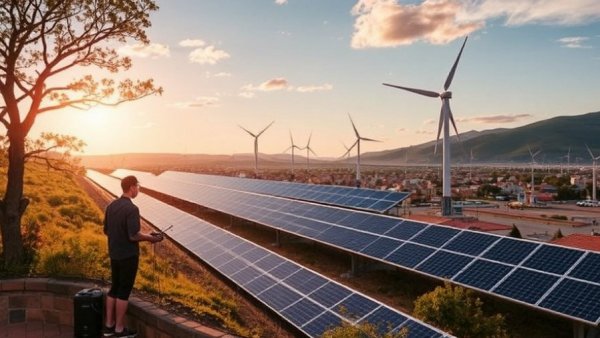
The recent IEA Energy Policy Review highlights the significant role of renewable energy in Spain's energy landscape. With an impressive increase in renewable electricity generation from 35% to 56% between 2015 and 2025, the country is not only securing its energy future but also enhancing its economic competitiveness. The reduction in emissions by nearly one-fifth showcases the effectiveness of Spain’s robust energy and climate policy framework.
Fostering a Just Transition
Spain's strategic approach emphasizes a just transition, a model that links investments in clean energy with job creation, regional development, and social inclusion. This initiative can serve as an inspiring blueprint for other nations striving toward similar goals. By focusing on inclusion, Spain ensures that the shift towards renewable energy does not leave vulnerable populations behind.
Challenges in Accelerating Electrification
Despite its achievements, Spain faces hurdles in accelerating electrification. Currently, electricity accounts for only 25% of final energy consumption, trailing behind the target of 35% by 2030. The potential for electric vehicle (EV) uptake remains largely untapped, especially among corporate fleets, and high upfront costs present barriers to widespread adoption in industries. Addressing these issues requires rethinking the financial structure around energy pricing. Spain’s recent decision to eliminate the tax on electricity production by 2026 is a positive step, aiming to lower user costs and encourage electrification.
Grid Modernization: The Key to Unlocking Benefits
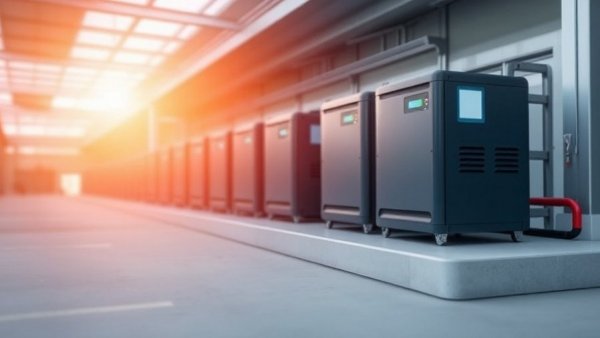
To fully harness the benefits of its renewable initiatives, Spain must prioritize modernizing its electrical grid. The importance of flexibility in energy management cannot be overstated, as the integration of renewable power sources—like wind and solar—demands a resilient grid infrastructure. Ongoing reforms to bolster storage solutions and demand-side flexibility will allow for a more adaptable energy system that can meet the varying needs of consumers while ensuring security of supply.
Navigating the Nuclear Phase-Out
Spain is also navigating the delicate balance required by its planned nuclear phase-out. The recent extension of operations at the Almaraz nuclear power plant marks a pivotal moment in this transition. By establishing a transparent decision-making framework for future operations, Spain can ensure that energy security and consumer costs are effectively managed during this period of change. This approach provides valuable lessons for other countries considering similar transitions.
Conclusion: Sharing Valuable Lessons
Spain's journey into renewable energy leadership not only demonstrates the potential for reduced emissions and increased energy security, but it also sets a roadmap for other nations. By accelerating electrification, modernizing grid infrastructures, and managing nuclear transitions effectively, Spain can serve as a beacon of innovation in the global shift toward sustainable energy solutions.







Write A Comment