

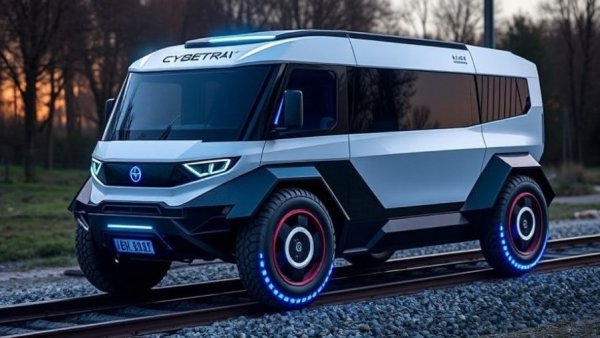
Is Aesthetic Appeal Important for EVs?
The recent launch of Intramotev's TugVolt may not capture the imagination with its design, but it represents a significant stride towards greener rail transport. Unlike the much-criticized aesthetics of the Tesla Cybertruck, Intramotev's focus rests firmly on functionality over form. This shift offers beneficial insight into a growing trend in electric vehicles (EVs): prioritizing the functionality that serves a higher purpose—a reduction of carbon emissions.
Revolutionizing Rail Transport with TugVolt
Intramotev is indeed pushing the envelope of traditional freight transport with its autonomous electrified TugVolt. Instead of relying on bulky and inefficient diesel engines, these freight cars can operate independently, streamlining operations and maximizing efficiency. Each TugVolt unit not only performs transport but also acts as a switcher, positioning railcars where they need to go, thus diminishing dependency on diesel-powered locomotives.
This innovation aligns with broader trends in decarbonization efforts and offers clear advantages over conventional rail operations. By minimizing fuel consumption and reducing emissions, the TugVolt is well-positioned to tackle freight transport's environmental challenges. Moreover, it introduces the potential for turning short rail trips from costly diesel dependency into economically viable green operations.
Implications for Military Operations
The TugVolt's involvement in military training exercises illustrates its versatility. By successfully deploying this technology to organize and manage the loading of military supplies, it showcases a practical application of EVs in high-pressure scenarios. Such developments are likely to be beneficial to the Army, which has faced challenges maintaining personnel proficient in rail operations. With less manual intervention required, more soldiers could potentially be trained quickly, streamlining operations where rail transport is pivotal.
The Future of EVs in Rail Transportation
As Intramotev expands its operations—now confirmed to be pulling zero-emission switcher duty in Seadrift, Texas—the implications become clearer for cities and industrial areas that rely on logistics. The potential for EVs to connect with electric charging infrastructure is significant. Although there are challenges ahead, such as establishing comprehensive charging networks along freight routes, the path forward is promising.
In addition, as these electric alternatives become more prevalent, competition may push for advancements in better battery technology, making electric freight even more efficient. Industry leaders will undoubtedly take notice as they reevaluate their transportation strategies to include greener practices that align with emerging technologies.
Understanding the Broader Shift Towards Sustainability
The transition from diesel locomotion to electric freight systems signifies more than just modernization; it reflects a cultural and industrial shift towards sustainability. For consumers increasingly aware of the environmental impact of their choices, supporting companies innovating in green technology has become critical. Solutions like TugVolt demonstrate a commitment to cleaner transport, making strides toward a future where sustainability is paramount.
Conclusion
Though the aesthetics of Intramotev's TugVolt may not win any design awards, the functionality and innovation it represents are crucial for the future of eco-friendly transportation. As cities and industries embrace green technologies, we can expect to see a substantial transformation in how goods are moved across the country. It is time to recognize the importance of functionality over form, paving the way for a more sustainable future.
Stay tuned for more updates on the evolution of green technologies in rail systems, and consider how this technological shift impacts your views on sustainability and innovation in transportation.






Write A Comment