


Did you know that over 28 billion glass bottles and jars are disposed of each year globally—yet only a fraction ever get recycled? While many people toss empty bottles into their bins, few realize that the humble act of recycling glass bottles is a linchpin in the fight against landfill overflow, climate change, and wasted natural resources
A Startling Statistic: The Environmental Impact of Recycling of Glass Bottles
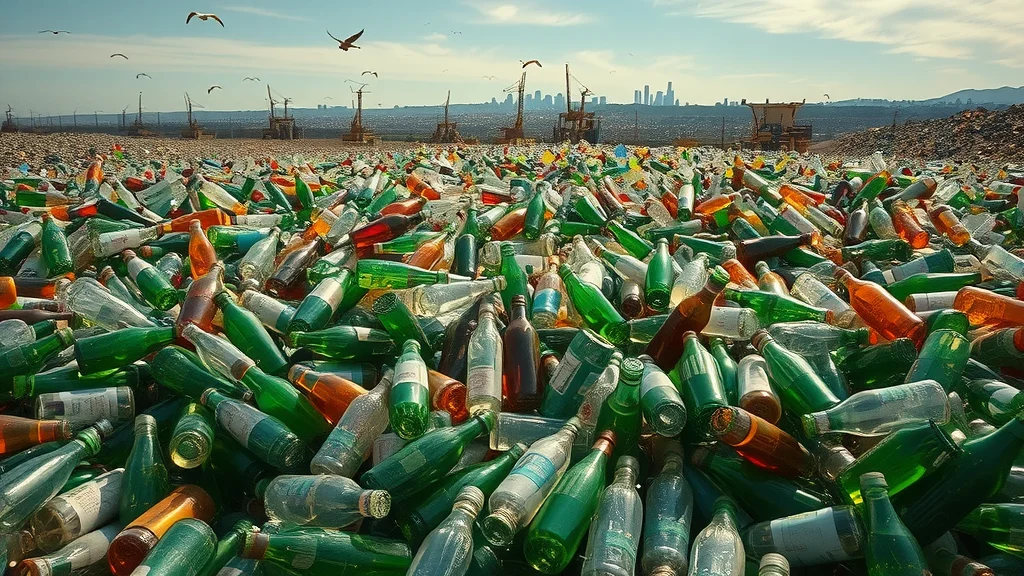
When thinking about recycling, glass bottles often slip under the radar. Yet, they are at the center of staggering waste statistics: in the United States alone, over 10 million tons of glass are generated each year, but less than a third of this ends up in recycling streams. The environmental cost is dramatic—consider this: a single glass container can take up to 1 million years to decompose in a landfill. The sheer volume of discarded bottles creates sprawling glass-filled landfills, leading to environmental hazards for city dwellers and wildlife alike.
The act of recycling glass bottles doesn’t just keep our neighborhoods and parks litter-free—it dramatically shrinks our ecological footprint. By turning waste glass into new glass containers, each recycled bottle directly conserves raw materials like silica sand, soda ash, and limestone. Glass recycling brings a 20% reduction in air pollution and reduces water pollution by up to 50% compared to making new glass from scratch. It’s not just about aesthetics—recycling glass bottles is critical for resource conservation, energy efficiency, and cleaner communities worldwide.
What You'll Learn About Recycling of Glass Bottles
- The full lifecycle of glass containers and glass bottle recycling
- How recycled glass reduces use of raw materials
- The environmental and economic benefits
- Effective methods for recycling glass bottles
- Answers to common questions about recycling of glass bottles
Understanding the Basics: What is Recycling of Glass Bottles?
Recycling of glass bottles refers to the process where used glass containers—like bottles and jars—are collected, processed, and transformed back into new glass products. Glass is unique among recyclable materials: it can be recycled endlessly without any loss in quality or purity. After collection, bottles and jars are sorted by color and type, then cleaned to remove contamination from labels, food residue, or non-glass materials. This process ensures that the final product meets strict quality or purity standards for reuse.
Unlike recycling plastics or metals, the process for glass is straightforward: glass is easy to sort and crush into cullet, a raw material that’s vital for manufacturing new containers. The high recyclability of glass means that waste glass can quickly become part of a new bottle sitting on store shelves within weeks. With increasing awareness and improvements in local recycling programs, bottle banks, and curbside collections, recycling glass bottles has become one of the most effective—and essential—ways for communities to reduce landfill waste and support a sustainable future.
As you explore the lifecycle and benefits of glass recycling, it's important to recognize how broader environmental policies and political actions can influence the success of sustainable initiatives. For example, shifts in government priorities can have a direct impact on green jobs and the growth of renewable sectors. If you're interested in how policy decisions shape the future of eco-friendly industries, you may find it insightful to review the impacts of political actions on offshore wind jobs in America.
The Lifecycle of a Glass Bottle: From Raw Materials to Recycled Glass
"Every recycled glass container saves energy and reduces landfill demand."
Every glass bottle begins its journey as a mixture of raw materials: silica sand, soda ash, and limestone. These ingredients are heated to high temperatures, forming molten glass. As demand for glass containers and jars grows, so does the need for these natural resources. However, when old bottles are diverted from landfills and crushed into “cullet,” this recycled glass replaces significant portions of those raw ingredients—lowering manufacturing costs and reducing environmental impact.
The glass container lifecycle continues full circle: after serving its initial purpose, the bottle is returned via recycling programs or bottle banks. Sorted, cleaned, and processed into cullet at a recovery facility, recycled glass is then blended into the raw melt at glass plants. Using cullet not only saves energy but also extends furnace life and reduces emissions, since cullet melts at a lower temperature. This cycle is endlessly repeatable: glass can be recycled indefinitely without loss in quality, making every recycled bottle a champion for sustainability and cost efficiency.
Environmental Benefits of Recycling of Glass Bottles
- Conserves natural resources
- Reduces landfill waste
- Minimizes energy consumption in glass product manufacturing
- Decreases emissions and supports circular economy
"One ton of recycled glass saves over one ton of natural resources."
Recycling of glass bottles delivers robust environmental dividends. Each ton of recycled glass incorporated into new containers conserves more than a ton of natural resources. The process directly benefits the environment by decreasing the mining and processing of raw materials like silica sand, which can damage ecosystems and increase erosion. This conservation effort extends to reduced requirements for limestone and soda ash, further protecting land and water resources in sensitive environments.
Additionally, recycling glass bottles lessens landfill demand and extends site lifespans, sparing communities the expense and impact of expanding waste facilities. Recycled glass, when used in making new bottles, lowers the energy needed in glassmaking furnaces by up to 30%. This translates to fewer greenhouse gas emissions and cleaner air—recycling one glass bottle can save enough energy to power a 100-watt lightbulb for four hours. By closing the loop in glass recycling, we foster a truly circular economy: one where waste is not just managed, but transformed into a valuable resource.
Economic Impact: How Recycling of Glass Bottles Saves Costs
| Production Method | Raw Materials Required | Average Energy Cost per Ton | CO2 Emissions per Ton |
|---|---|---|---|
| Traditional (Virgin Materials) | Silica sand, soda ash, limestone | +100% | High |
| Using Recycled Glass (Cullet) | Up to 95% recycled cullet, minimal virgin | -30% | Reduced |
The cost benefits of recycling glass bottles are significant for both manufacturers and consumers. Utilizing recycled glass cullet can slash energy usage by nearly a third in the glassmaking process. Because cullet melts at a much lower temperature than virgin raw materials, glass plants experience direct fuel savings and reduced wear on equipment. This ultimately translates into reduced production costs for every glass container manufactured with recycled content.
On a larger scale, communities also save money by diverting waste glass from overflowing landfills. Fewer landfill expansions and lower waste management expenses mean reduced costs passed to taxpayers. In some regions, bottle bank schemes and deposit-return programs create local jobs and bolster municipal budgets by incentivizing the return and recycling of bottles and jars. Whether you’re a manufacturer, local government, or a concerned citizen, the economic advantages of recycling of glass bottles are hard to ignore.
How the Recycling Process Works
- Collection of used glass bottles and containers: Glass is collected from curbside bins, bottle banks, or community drop-off points.
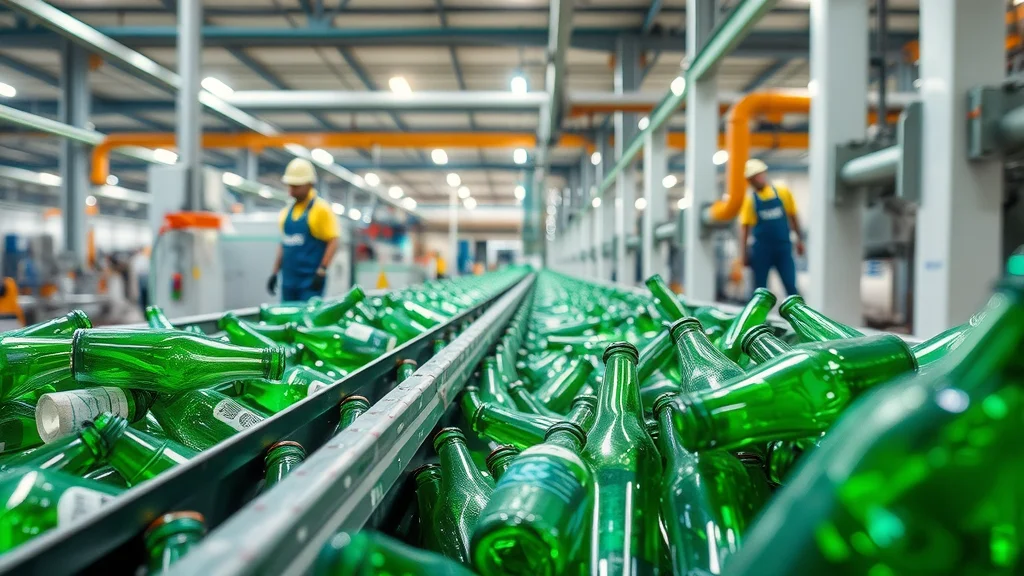
- Sorting glass by color and cleaning: Bottles and jars are grouped by color (clear, green, brown) and cleaned to remove labels and contaminants, ensuring high-quality recycled glass.
- Crushing into cullet for new glass products: The sorted glass is crushed into small pieces called cullet, an essential raw material in manufacturing new glass products.
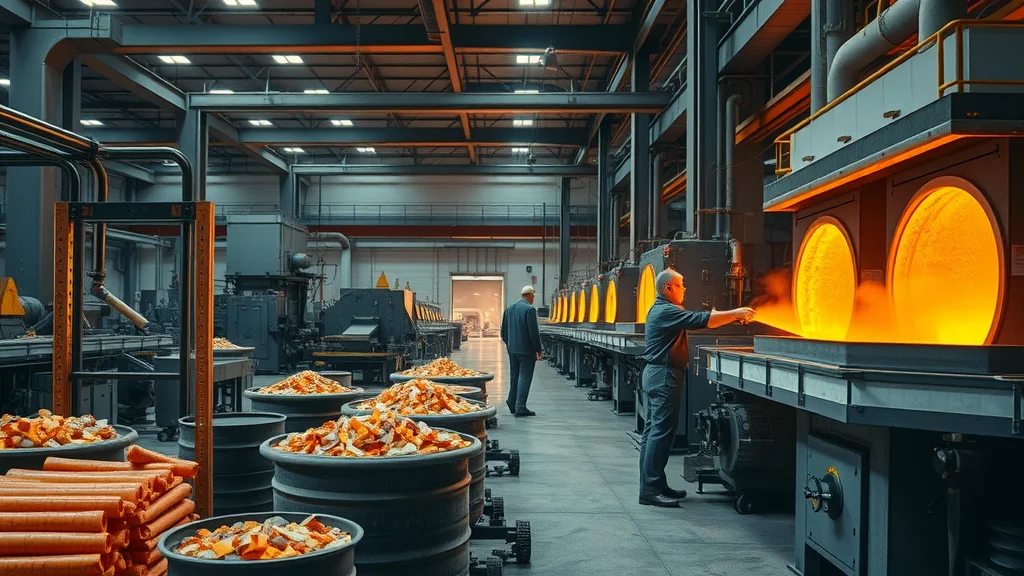
- Melting and forming new glass containers: The cullet is mixed with some new raw materials, melted in furnaces, and molded into brand new bottles and jars, starting the cycle again.
Each of these steps is vital to the success of glass recycling efforts. Well-sorted, contamination-free cullet increases the efficiency and quality of every new glass container, further reinforcing the sustainability and cost-effectiveness of the entire process. Every bottle recycled begins a new life—potentially being reborn as another bottle in as little as 30 days.
Common Challenges in Recycling of Glass Bottles
- Contamination of glass containers
- Difficulty in sorting mixed raw materials
- Market fluctuations for recycled glass
Despite its many benefits, the recycling of glass bottles faces notable challenges. The most persistent issue is contamination—food, paper labels, or non-glass materials can lower the quality of recycled glass and raise processing costs. Mixed-color glass or ceramics present in recycling bins complicate sorting and can result in wasted batches. Additionally, the logistics of collecting and transporting heavy, breakable bottles can be expensive, particularly for rural areas far from glass plants or recovery facilities.
Another challenge lies in fluctuating demand for recycled glass. Sometimes, market prices for cullet drop, reducing the financial incentive for recycling programs and bottle banks. Increased use of alternative packaging (like plastic or aluminum) can also reduce the volume of glass collected, making routes less efficient. However, with increased awareness, technological advances in sorting equipment, and expanded local recycling programs, many of these hurdles are being addressed head-on.
Innovations and Best Practices in Glass Recycling
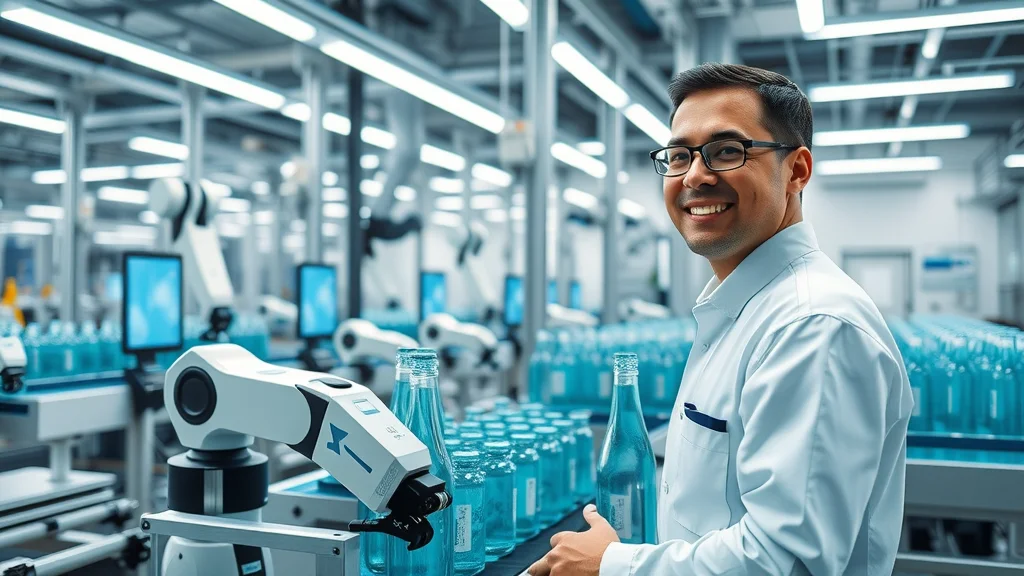
Modern glass recycling has come a long way thanks to advances in automation, robotics, and public engagement. High-tech optical sorters accurately separate glass by color and remove contaminants far faster than manual labor ever could, leading to an increase in cullet quality. Some facilities now use AI-powered robots and computer vision to spot non-glass items on conveyor belts. Communities are adopting color-coded bottle banks, making drop-offs simpler and cleaner.
Best practices also include public outreach to educate about the importance of rinsing bottles, removing caps, and keeping non-glass items out of the recycling stream. Local recycling programs increasingly partner with businesses to secure consistent, large-volume collections. On the manufacturing side, glass plants aim to maximize the proportion of recycled glass in their new products, reducing costs and energy usage. By following these best practices, the entire system becomes stronger, more cost-effective, and more sustainable.
How You Can Contribute to Recycling of Glass Bottles
- Practical at-home steps to recycle glass bottles
- Community recycling centers and drop-off points
- Advocating for local glass recycling programs
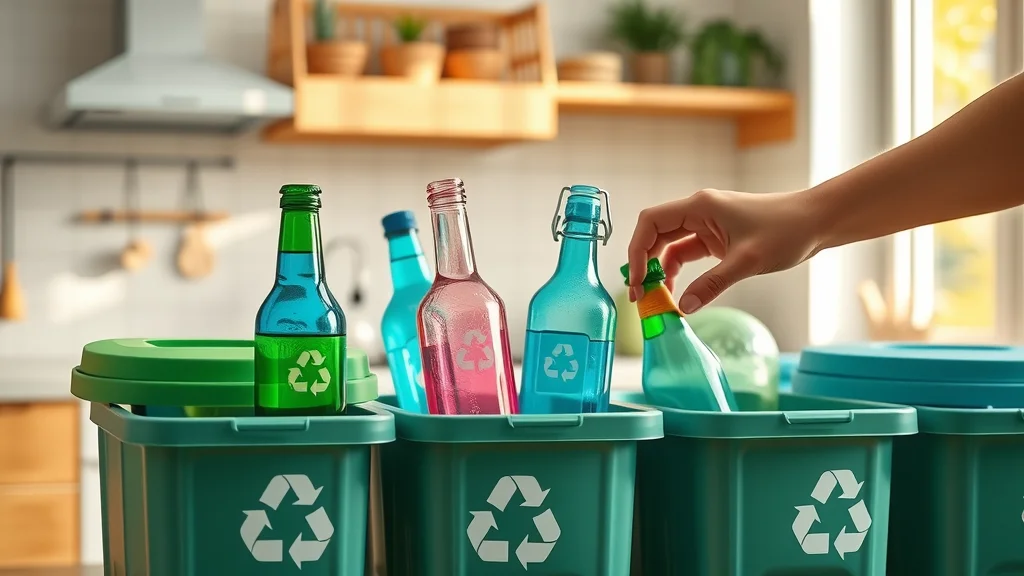
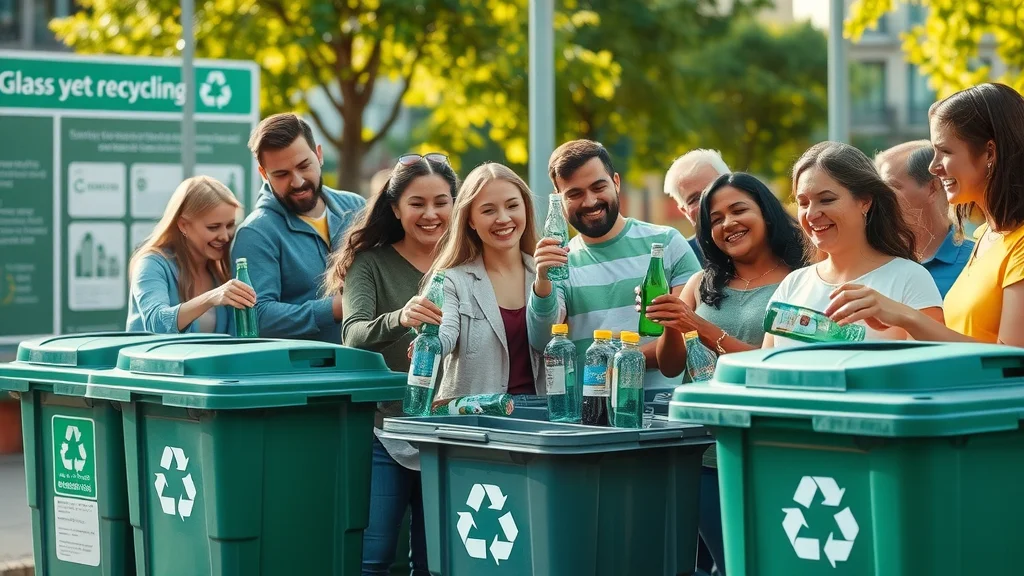
Everyone has a role to play in making glass recycling more effective. At home, rinse bottles and jars, remove non-glass lids, and use clearly labeled bins for color-separation when possible. Many communities host drop-off points or bottle banks, making it convenient to recycle even if you don’t have curbside collection. Volunteering at these centers or encouraging friends and neighbors to participate boosts collection rates and keeps contamination low.
You can also lobby local officials to prioritize glass recycling in your area—greater investment in municipal programs often leads to better collection rates and reduced landfill waste. By supporting businesses and brands that use high percentages of recycled glass in their packaging, you help create demand for recycled products and close the loop in the circular economy. Every bottle counts toward a healthier planet for current and future generations.
People Also Ask About Recycling of Glass Bottles
How can we recycle glass bottles?
Recycling glass bottles involves collecting them via curbside bins or bottle banks, thoroughly rinsing and sorting by color, and removing any labels or non-glass caps. The bottles are then transported to a recycling facility where they are crushed into cullet—the raw material used to make new glass products. By participating in local recycling programs and making sure to keep your glass bottles clean and free of contaminants, you can help ensure a successful recycling process and contribute to a more sustainable environment.
How to get rid of lots of glass bottles?
If you have a large number of glass bottles, the best approach is to utilize local recycling centers or bottle banks, often found in supermarkets or designated drop-off points. For businesses or large events, consider partnering with a recycling service that specializes in glass collection. Always separate glass from other recyclables, remove any corks or lids, and transport bottles carefully to avoid breakage. This keeps glass recycling streams pure and maximizes the amount of usable recycled glass cullet.
Are glass bottles worth recycling?
Absolutely. Glass bottles are among the most valuable recyclable materials because glass can be recycled endlessly without any loss in quality. Recycling saves raw materials, reduces landfill waste, conserves energy, and decreases greenhouse gas emissions. Every bottle that is recycled is one less taking up space in a landfill—and one more supporting the circular economy and the sustainable production of goods.
Can you put glass bottles into the recycling bin?
Yes, but always check your local recycling program for specific instructions. Most curbside programs and recycling centers accept glass bottles and jars. Make sure they’re clean, free of lids and caps, and sorted by color if your community requires it. Avoid throwing broken glass, ceramics, or light bulbs in with bottles, as these can contaminate the recycling stream and damage equipment at recovery facilities.
Key Takeaways: The Importance of Recycling of Glass Bottles
- Recycling of glass bottles protects natural resources and reduces waste
- Recycled glass is cost-effective and environmentally friendly
- Every individual can have a meaningful impact on glass recycling rates
Frequently Asked Questions About Recycling of Glass Bottles
-
What happens to recycled glass?
Recycled glass is cleaned, sorted, and crushed into cullet before being melted and remade into new bottles or jars. It can also be used in construction, as filtration media, or for decorative purposes. -
How many times can glass be recycled?
Glass can be recycled endlessly without any loss in quality or purity, making it one of the most sustainable packaging materials available. -
What is cullet and why is it important?
Cullet is recycled, crushed glass that replaces a significant portion of raw materials in glass manufacturing. The use of cullet reduces energy use, costs, and emissions. -
Can colored glass be recycled together?
Colored glass is typically sorted by shade (clear, green, brown) because mixing colors can result in a lower-quality recycled product. Always follow your local recycling program’s sorting guidelines for best results.
Take Action to Support Recycling of Glass Bottles
Want to make an even bigger impact? Become an AMPLIVO / CORSAIR Plastic Independent Affiliate—join the movement for a cleaner, more sustainable world today
If you’re inspired to deepen your understanding of how environmental progress is shaped, consider exploring the intersection of policy and sustainability. The future of recycling and renewable energy often hinges on the decisions made at the highest levels of government. For a broader perspective on how political actions can influence the growth of green industries and the creation of sustainable jobs, take a look at the analysis of why political actions threaten offshore wind jobs in America. Gaining insight into these dynamics can empower you to advocate more effectively for both local recycling efforts and the larger movement toward a cleaner, greener economy.


Write A Comment