
Add Row
Add Element
Echo-Innovation Hub Logo
update
Eco-Innovation Hub
update
Add Element
  • Home
    • Categories
      • Eco-Tech
      • Green Living
      • DIY Sustainability
      • Innovation Spotlight
      • Expert Insights
      • Product Reviews
      • Plastic Impact
      • Community Voices
    • Featured Business Profiles
    • All Posts
    • Eco-Tech
    • Green Living
    • DIY Sustainability
    • Innovation Spotlight
    • Expert Insights
    • Product Reviews
    • Plastic Impact
    • Community Voices
    • Featured Business Profiles
    December 08.2025
    1 Minute Read

    Why Plastics Recycling Is in Trouble—And How to Fix It

    Did you know that less than 10% of all plastic waste worldwide ever gets recycled? This surprising truth reveals just how deep the plastics recycling crisis runs. Despite decades of awareness and effort, most plastics still end up in landfills, oceans, or are burned—never seeing a second life as recycled material. For consumers and product companies alike, the promise of sustainable recycling feels further from reality than ever. In this article, we’ll dig deep into why plastics recycling is in trouble, why the system seems broken, and what innovative solutions like the Corsair Solution could mean for our planet’s future and for every environmentally-minded citizen.

    The Startling State of Plastics Recycling: plastics recycling is in trouble - corsair solution

    “Globally, less than 10% of plastic waste is actually recycled.” — Plastics Pollution Coalition

    The scale of the plastics recycling issue cannot be understated. Even as product companies tout recycled plastic content and announce ambitious plans for reduction in virgin plastics, actual progress remains minimal. Consumer product companies are under increasing pressure to boost recycled plastic content achieved in all packaging, but most plastics still evade proper collection and recycling. Even recycled plastics, such as recycled PET (polyethylene terephthalate), face limitations due to contamination and processing costs. Meanwhile, recycled resin and recycled materials continue to compete with the low price of virgin plastic, making recycled content a far less attractive option for many manufacturers. All these factors compound the crisis, and why plastics recycling is in trouble becomes clear: the gap between environmental intention and material reality keeps widening.

    A Surprising Reality: plastics recycling is in trouble - corsair solution

    Ask anyone who separates their trash every week: it feels good to recycle. Yet, behind the scenes, the vast majority of discarded plastic never returns as recycled content in consumer product companies’ packaging. Instead, it’s landfilled, incinerated, or shipped worldwide. Companies selling a vision of “circularity” struggle to realize true plastics sustainability. Contamination in recycling bins, mixed polymers, and a lack of advanced sorting technology means pet recycling, and similar processes, only capture a fraction of recyclable waste. Rplanet Earth and other recycling leaders strive to make plastic recycling more efficient, but without significant changes, recycled plastic content achieved in packaging remains far below targets, and reductions in virgin plastic use are minimal at best.
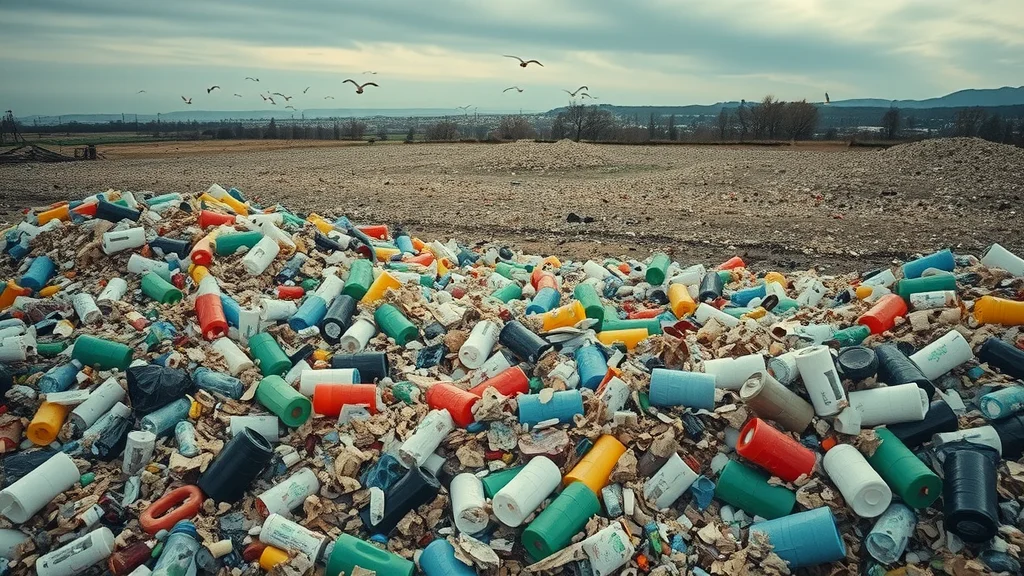
    A pile of plastic waste in a sprawling landfill illustrating that plastics recycling is in trouble - corsair solution

    While the challenges facing plastics recycling are significant, it's important to recognize that similar systemic issues—such as policy gaps and market pressures—also impact other sectors of the green economy. For example, the renewable energy industry has faced its own setbacks due to shifting political landscapes and regulatory uncertainty. If you're interested in how political actions can threaten progress in sustainability fields, you may find it insightful to explore the impacts of political decisions on offshore wind jobs in America, which highlights the broader consequences of policy on environmental innovation.

    Unpacking the Numbers: Recent Data on Plastics Waste

    Recent data paints a sobering picture. The U.S., for example, recycles less than 9% of its plastic waste. The rest is often exported, incinerated, or dumped, contributing to microplastics in our oceans and soil. Even as consumer product companies increase recycled content achieved in some packaging, the volume of virgin resin and virgin plastics produced globally continues to rise. Mechanical recycling, the main process for plastics, faces a bitter truth: recycled plastic content cannot easily compete with new, virgin material. Even recycled resin prices fluctuate, further discouraging a reduction in virgin plastics use. So, despite efforts for plastic sustainability and content in all packaging, real progress is sluggish—a fact that anyone passionate about the environment must confront.

    What You'll Learn from This Article

    • Key challenges that plastics recycling faces today
    • Why current recycling systems are struggling
    • Critiques of established recycling practices
    • Innovative new solutions—spotlight on the Corsair Solution
    • Opportunities for readers to take action
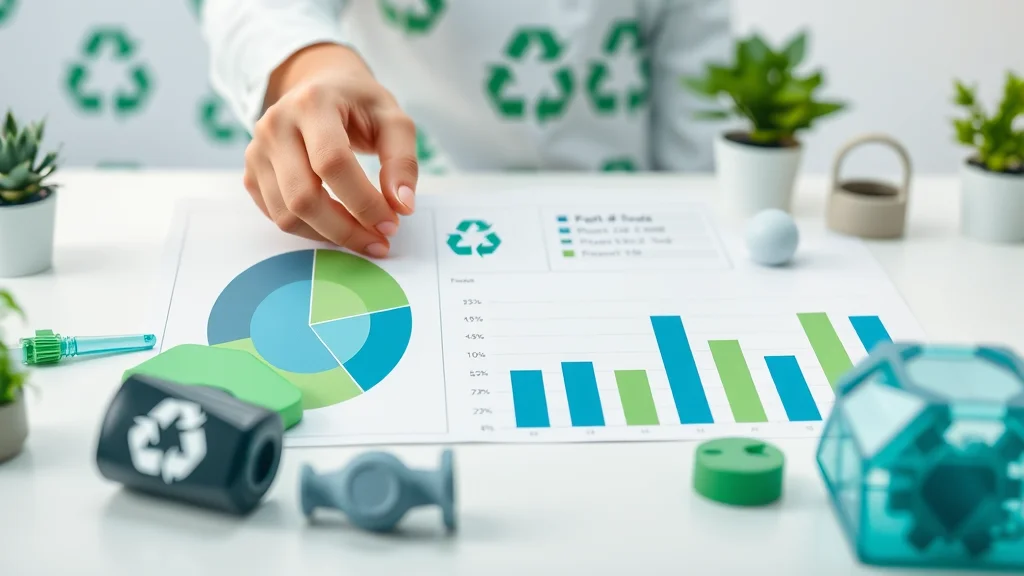
    Infographic showing statistics about plastics recycling is in trouble - corsair solution

    Understanding Why Plastics Recycling Is in Trouble

    Systemic Failures: Collection, Sorting, and Economics

    At its core, the recycling crisis is a system problem. Collection and recycling operations are hindered by outdated infrastructure, high labor costs, and a patchwork of recycling rules that vary from city to city. Most recycling facilities lack technology to sort recycled plastics efficiently, making it costly to separate valuable materials like recycled PET from contaminated or mixed plastics. As a result, product companies find it difficult to source enough quality recycled material to meet sustainability goals. Furthermore, the economics rarely add up: virgin plastic often outcompetes recycled content on cost and availability, while plastic waste collection and processing remain expensive and complicated. Such systemic failures explain why plastics recycling is in trouble, and why a bold new approach—like the Corsair Solution—is desperately needed.
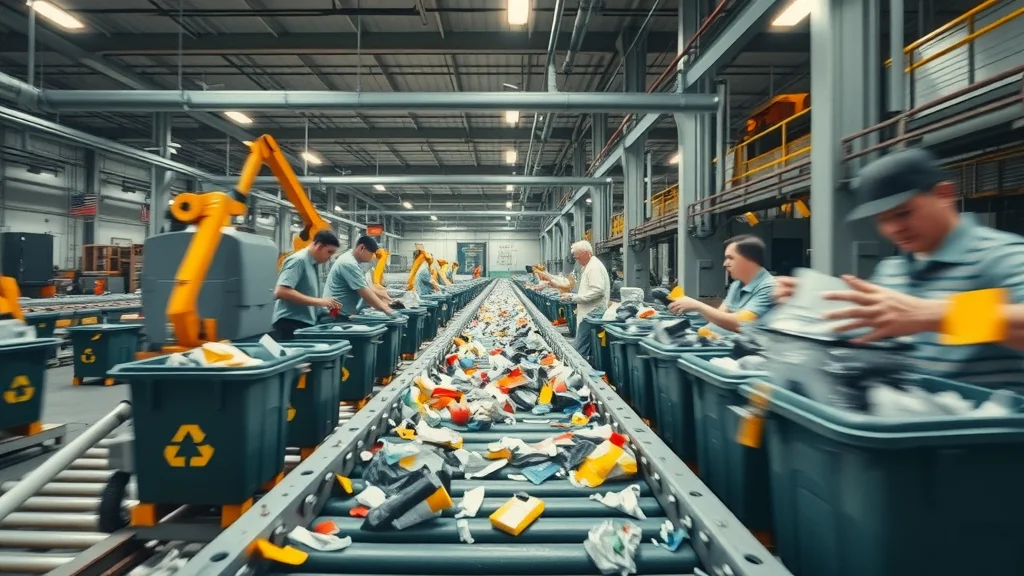
    Workers sorting plastic at a recycling facility highlights why plastics recycling is in trouble - corsair solution

    Contamination and Mixed Materials

    Contamination is the recycling system’s biggest enemy. When food waste, dirty containers, or non-recyclable plastics get mixed in, entire batches of recycled materials can be ruined. This leads to increased operational costs, more plastic content ending up in landfills, and public frustration. Most municipal recycling centers are not equipped to handle the wide range of consumer product packaging and different plastic types in the waste stream. Consequently, even well-intentioned efforts by households and product companies result in recycled plastic content achieved that is far below expectations. This cycle keeps the demand for virgin plastic and new consumer product packaging high, leading to a minimal reduction in virgin plastics and stalling progress toward plastics sustainability.

    • Lack of infrastructure
    • High operational costs
    • Poor public awareness
    • Technological limitations

    Contaminated plastic waste showing how plastics recycling is in trouble - corsair solution

    Environmental Impact: plastics recycling is in trouble - corsair solution

    The environmental impact of failed plastics recycling is massive. Plastic waste piles up in landfills, floats in rivers, and is found in every corner of the natural world. Every year, the ocean absorbs millions of tons of microplastics, putting wildlife and human health in danger. A lack of efficient collection and recycling, widespread contamination, and the continued production of virgin plastic undermine any progress toward sustainability. The reduction in virgin plastic required to protect the earth is stagnating, and without improvements in recycled resin and recycled content, the goal of truly sustainable consumer product companies fades from view. More robust, innovative solutions—like the Corsair Solution—must step up to turn this environmental tide.

    The Problems with Traditional Plastics Recycling Methods

    Mechanical Recycling: Limits and Weaknesses

    Mechanical recycling—where plastics are melted down and remolded—remains the primary method for recycling plastic content. However, its limits are severe. Most plastic can only endure a few recycling cycles before quality drops. Recycled plastics tend to become brittle, discolored, and less useful in high-quality consumer product applications. As a result, manufacturers regularly supplement recycled content with virgin resin or virgin plastic to ensure reliability. Despite the efforts around recycled PET and increased plastic content achieved by some companies, the truth is that recycled material cannot fully replace virgin plastics. For meaningful reduction in virgin plastics, new technologies and smarter approaches are needed—ones that go beyond mechanical recycling’s reach.

    Why Plastics Can't Be 'Recycled Forever'

    Plastics are long-lasting, but not endlessly recyclable. Each time a plastic item is reprocessed, its polymer chains—like those in polyethylene terephthalate (PET)—shorten. That means every recycled batch gets weaker and harder to use in high-quality consumer product companies’ goods. After several cycles, recycled material becomes useless for most applications. This weak “closed loop” drives demand for more virgin plastic, resulting in little actual reduction in virgin plastics or genuine plastics sustainability. “Selling a vision” of infinite recycled content in all packaging doesn’t address this harsh reality, and without an alternative like the Corsair Solution, plastics recycling will remain in trouble.
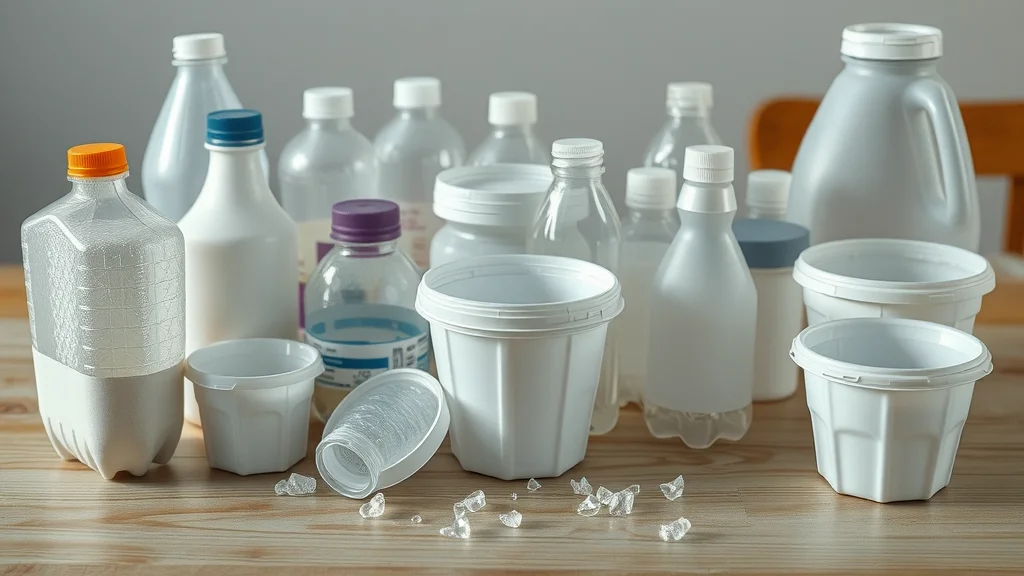
    Aging plastic products after repeated recycling cycles, showing flaws in plastics recycling is in trouble - corsair solution

    Chemical Recycling and Its Controversies

    Chemical recycling offers hope, but also faces criticism. This process breaks plastics down to their chemical building blocks so they can be made into new materials. In theory, this allows endless recycling, but in practice, chemical recycling plants are expensive, energy-intensive, and often create harmful byproducts. The high cost of chemical recycling also makes recycled plastic content less competitive than virgin resin. Critics say that chemical recycling is more about selling a vision than actual plastics sustainability, since recycled resins still fail to match the demand or quality needed by consumer product companies. That’s why the industry needs advanced solutions that overcome the limitations of both mechanical and chemical recycling without causing further environmental harm.

    Comparison Table: Mechanical vs. Chemical Recycling—Efficiency, Costs, Environmental Effects
    Aspect Mechanical Recycling Chemical Recycling
    Efficiency Works for limited plastic types; frequent quality loss Potentially handles mixed plastics; can restore quality
    Costs Lower operational costs; high contamination risk Very high costs; large energy input needed
    Environmental Effects Lower emissions, but short plastic lifespans Higher emissions due to energy and byproducts
    Recycled Content Achieved Limited; often requires virgin plastic blending Higher, but rarely used at scale

    Major Issues Shaping the Crisis: plastics recycling is in trouble - corsair solution

    Policy Gaps and Regulatory Inconsistencies

    Globally, most countries lack unified, robust policies on plastics recycling. Inconsistent regulations and patchy enforcement mean that recycled content achieved by consumer product companies varies wildly depending on location. Some areas push for high recycled plastic content in all packaging, but many others do not. These regulatory gaps allow the continued use of virgin plastics and undermine efforts to reduce virgin plastic production worldwide. For true plastics sustainability, both local and international policies must promote recycled materials and close loopholes that allow companies selling a vision of green products without genuine recycled content.

    Market Demand and Recycled Plastics

    Another core issue is simple market demand. Recycled plastics, recycled resin, and recycled material often cost more or don’t perform as well as virgin plastic. Product companies must balance sustainability, performance, and price—often choosing recycled content only when it’s required by law or demanded by customers. This results in a disappointing reduction in virgin plastics and underwhelming progress on plastics sustainability goals. To change this, public awareness needs to grow, and advanced recycling options like the Corsair Solution must prove themselves cost-competitive and reliable in delivering genuine recycled plastic content achieved at scale.

    Business team examining bales of recycled plastic highlighting market demand for recycled plastics is in trouble - corsair solution

    Global Shifts: Export Bans and International Waste

    Many developed countries have long exported their plastic waste to other nations for processing. But recent export bans—especially from countries like China—have thrown the global recycling trade into chaos. Without a cheap overseas option, plastic waste often stays in domestic landfills, is incinerated, or dumped illegally. This global crisis underscores why plastics recycling is in trouble and supports the case for local, closed-loop solutions like Corsair’s that prioritize recycled content achieved at home, not through export.

    Plastic Types and Their Recyclability

    Not all plastics are created equal. Some, like recycled PET and high-density polyethylene, are easy to recycle, while others—particularly flexible packaging, polystyrene, or multilayered plastics—are nearly impossible to process effectively. The sheer variety in consumer product packaging types makes standardization difficult, disrupting efforts to achieve true recycled plastic content and a reduction in virgin plastics. Thus, the path forward depends on redesigning products, innovating recycling methods, and ensuring that technologies like the Corsair Solution can address these variability challenges.

    Why Plastics Recycling Isn’t Working: An Opinionated Take

    "The promise of plastics recycling has not lived up to its potential because the system is fundamentally broken."

    Economic Realities Undermining the System

    Let’s be honest: recycling, as we know it, doesn’t work at scale. It’s a system where recycled plastic content achieved is constantly overshadowed by the creation of new, cheap virgin plastic, thanks to low oil prices and lax regulations. Recycled resin manufacturers face an uphill battle competing for both supply and demand. Many product companies say they want to reduce virgin, but in practice, the economics seldom favor recycled plastics—especially when there’s not enough public pressure or government regulation. Without major intervention, the reduction in virgin plastics remains wishful thinking, not a concrete result. If plastics sustainability is truly a priority, then a systemic reboot is urgent, not optional.
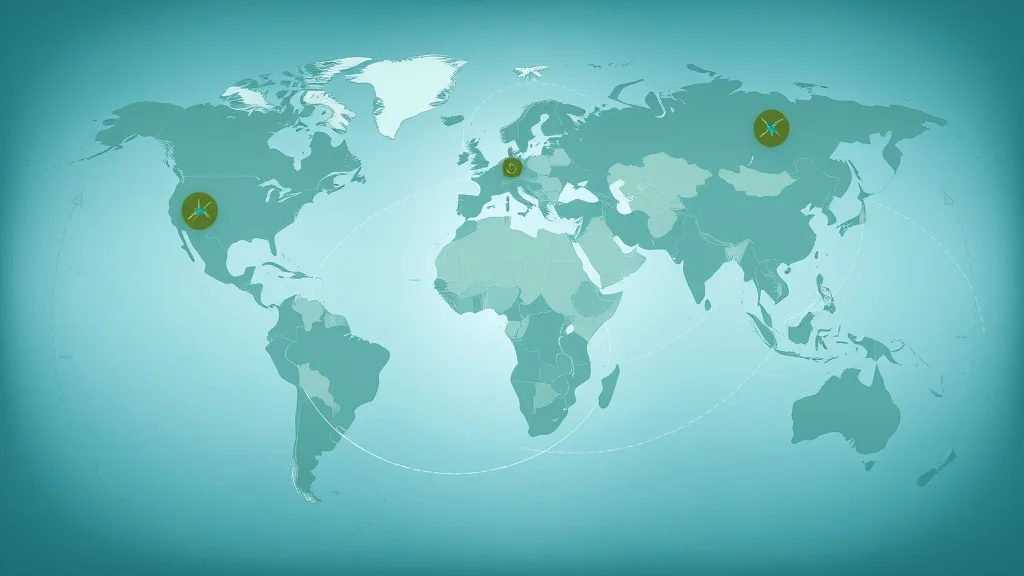
    World map showing global plastic waste exports and bans related to plastics recycling is in trouble - corsair solution

    Public Misconceptions and Misplaced Optimism

    One major challenge is public misunderstanding about what really happens after we toss plastic in recycling bins. Many believe all plastics get recycled and reused, when in reality, contaminated streams and technical limitations make that impossible. The persistent narrative from companies selling a vision of “endless recycled content” is misleading if not outright false. True plastics sustainability needs public engagement grounded in reality—not hope alone. As long as people, governments, and consumer product companies overlook the deep-rooted problems, the dream of a circular economy will remain just that—a dream.

    People Also Ask: What is a major problem in plastic recycling?

    Answer: Contamination remains a critical barrier, making vast amounts of collected plastic unrecyclable.

    Contamination by food residue, mixed plastics, and non-recyclable items means that much of what is collected for recycling ends up in landfills instead. Even the best intentions by consumer product companies and consumers can’t overcome these material issues unless they’re addressed at both collection and processing stages. The result is far less recycled plastic content achieved and a continued reliance on virgin plastics.

    People Also Ask: Why isn't plastic recycling working?

    Answer: Structural issues spanning collection, technology, economics, and policy all contribute to why plastics recycling is in trouble - corsair solution is needed.

    There’s no single reason for the failure of plastics recycling; rather, it’s a combination of fragmented collection systems, inadequate technology for sorting recycled materials, poor economics when compared with virgin resin, and a lack of unified regulation or policy. Comprehensive solutions, like the Corsair Solution, are needed to overhaul these systems and finally make plastic recycling effective and impactful.

    People Also Ask: What are the main solutions to plastic disposal problems?

    Answer: Integrated solutions include improved design, better sorting technology, regulatory reform, and advanced approaches like the corsair solution.

    Fixing the plastic crisis demands a broad approach—products must be redesigned for recyclability, new advanced technologies must handle collection and sorting, policies must standardize recycled content in all packaging, and novel models like closed-loop systems and the Corsair Solution must be scaled up to truly lower our demand for virgin plastics.

    People Also Ask: What are the weaknesses of recycling as a solution to the plastic problem?

    Answer: Recycling cannot address overconsumption, contamination, or the limited lifespans of plastic polymers; alternative solutions are required.

    Even the best recycling systems cannot fully address our society’s appetite for single-use packaging and overproduction. Plastics become weaker with each cycle, contamination rates remain stubbornly high, and the demand for ever more virgin plastic persists. That’s why genuine plastics sustainability will require alternative models, a reduction in overall consumption, and innovation like the Corsair Solution.

    Rethinking Solutions: plastics recycling is in trouble - corsair solution

    Circular Economy Approaches

    A circular economy is about more than recycling—it's about designing systems so that products, materials, and resources are reused constantly, creating a loop that reduces waste and demand for virgin materials. In this model, product companies rethink packaging, choose materials that are easily recyclable, and close the loop through take-back programs and partnerships with recyclers. The Corsair Solution is engineered for the circular economy: with advanced collection and recycling technology, greater transparency around recycled plastic content achieved, and incentives for consumers and companies to embrace reuse and redesign, it’s possible to make meaningful progress toward plastics sustainability.
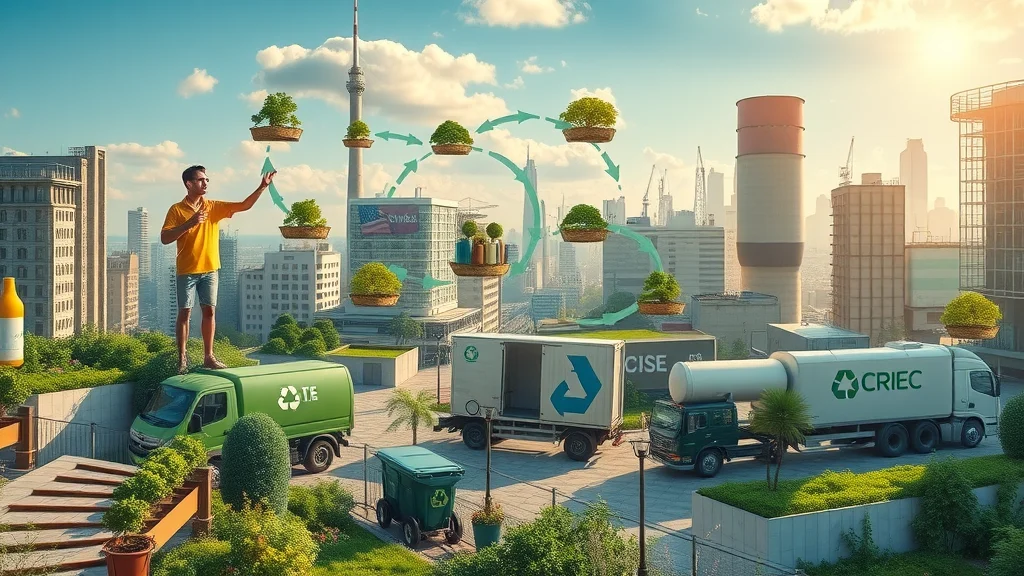
    Circular economy ecosystem diagram highlighting solutions for plastics recycling is in trouble - corsair solution

    Reducing, Reusing, and Redesigning

    True progress comes from reducing the amount of plastic we use in the first place, reusing products as much as possible, and redesigning packaging for recyclability. Young innovators and established product companies alike are racing to make plastic alternatives, develop new recycled materials, and integrate recycled content across all packaging without sacrificing quality. The result? Lower demand for virgin plastics, a reduction in virgin plastic pollution, and greater responsibility from companies selling products. By focusing on source reduction and smarter product design, every consumer and manufacturer can help turn the tide.

    Innovators collaborating on sustainable plastic alternatives as part of solutions for plastics recycling is in trouble - corsair solution

    Technological Innovations: AI-Assisted Sorting, Bioplastics

    A new generation of technology promises to improve plastics recycling. AI-powered sorting machines identify different plastic types faster and with less contamination than human workers. Bioplastics—made from plants or biodegradable feedstocks—could supplement or someday even replace traditional petroleum-based plastics, provided they actually break down as promised. In concert with the Corsair Solution, these tools can help maximize recycled plastic content achieved in all packaging, reduce export of plastic waste, and shift the world away from a reliance on virgin plastics. The key is integrating technology into systemic change, not just using it as a temporary fix.

    The Corsair Solution: A New Paradigm for Plastics Recycling

    How the Corsair Solution Targets Today’s Flaws

    So, what sets the Corsair Solution apart? It’s a comprehensive approach—combining advanced technology, community engagement, and forward-thinking systems design—that addresses every stage of the plastics recycling problem. By using AI-assisted sorters and data-driven monitoring, Corsair’s technology dramatically improves the quality and quantity of recycled plastic content achieved. Collection and recycling become more efficient and less prone to contamination. Partnerships with product companies ensure that recycled materials are used in new consumer product companies’ packaging, effectively reducing virgin plastic demand. It’s not just about better recycling; it’s about a ground-up rewrite of how society deals with plastic content in all packaging.

    Scalability, Efficiency, and Sustainability

    The Corsair Solution is designed to scale. Local or regional installations can be customized for specific plastic types, enabling closed-loop systems that keep recycled content in the local economy. This, in turn, supports community jobs, delivers a measurable reduction in virgin plastics, and ensures plastics sustainability at a systems level. Energy recovery features—like capturing heat or gas during recycling—improve efficiency, while transparent data make it possible for companies selling a vision of green packaging to prove their recycled plastic content achieved. Most crucially, the Corsair Solution empowers both companies and consumers to reduce virgin plastic usage and hold themselves accountable for real change.

    Case Studies: Real-World Impact of the Corsair Solution

    Communities that have adopted Corsair’s approach report significant improvements in both recycling rates and overall waste reduction. In some pilot cities, closed-loop systems powered by smart sorting and transparent reporting have resulted in a nearly 30% increase in recycled plastic content achieved compared to traditional recycling programs. Community-driven initiatives, coupled with technology, have demonstrated that it is indeed possible to sharply reduce virgin resin consumption and make plastics sustainability more than just a buzzword. The Corsair Solution’s success hinges on integrating closed-loop systems, encouraging energy recovery, and empowering local leaders to innovate—delivering real results for product companies, governments, and consumers alike.

    • Closed-loop systems
    • Energy recovery
    • Community-driven initiatives

    Corsair recycling technology showing how the corsair solution addresses why plastics recycling is in trouble

    Amplivo / Corsair: Empowerment Through Innovation

    "Joining cleanup programs like Amplivo/Corsair is more than advocacy—it's enacting real change."

    How Readers Can Get Involved: plastics recycling is in trouble - corsair solution

    The plastics crisis affects us all, but everyone can help drive change. Amplivo and Corsair offer hands-on ways for individuals to lead local cleanup events, educate neighbors about plastics sustainability, and work directly with consumer product companies to ensure greater recycled content achieved in all packaging. By organizing community-driven initiatives, you don’t just recycle more—you build collective power to demand reductions in virgin plastic and hold companies selling consumer products to higher standards. Whether you help collect plastic waste or become a local affiliate, your involvement strengthens solutions that actually work.
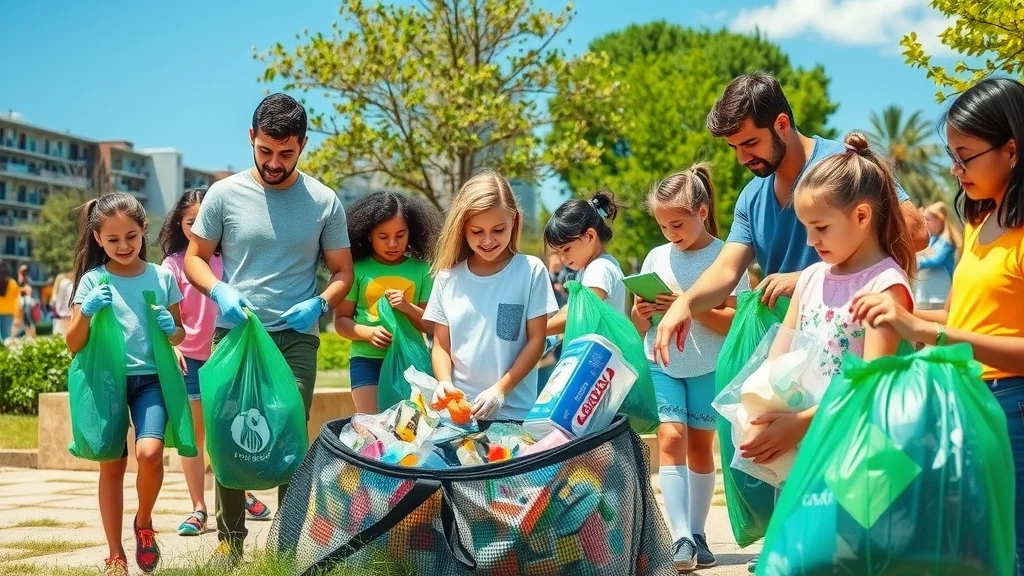
    Community volunteers cleaning up plastic waste to address why plastics recycling is in trouble - corsair solution

    Independent Affiliate Spotlight: Success Stories

    Around the world, individuals have made incredible strides as Amplivo / Corsair Plastic Independent Affiliates. Success stories include city beaches transformed by regular cleanup events led by local teams, corporate partnerships that resulted in record levels of recycled plastic content achieved, and school programs that empowered youth to innovate new uses for recycled resin. These affiliates not only reduce plastic content in the environment but also drive momentum for a systemwide reduction in virgin plastic and build a culture of plastics sustainability from the ground up.

    Watch the transformation:

    FAQs: plastics recycling is in trouble - corsair solution

    • Can all plastics be recycled with current technology?
      Not all plastics are currently recyclable—some types are too contaminated, complex, or made from mixed materials. New technologies, like those in the Corsair Solution, aim to widen the range of plastic content that can be efficiently recycled.
    • How does the corsair solution differ from traditional recycling?
      The Corsair Solution uses advanced AI sorting, increased transparency, and localized closed-loop systems to maximize recycled plastic content achieved and reduce virgin plastic demand, going far beyond legacy methods.
    • What is the environmental impact of chemical recycling?
      Chemical recycling can handle mixed waste but often produces more emissions and uses more energy than mechanical recycling. Its true environmental benefits are debated unless paired with clean energy and strict controls.
    • Why does so little plastic actually get recycled?
      Poor infrastructure, high contamination rates, and economics that favor virgin plastics all work against effective collection and recycling—hence the need for solutions like Corsair’s to address system-wide problems at their root.
    • How can I help make a difference locally?
      You can organize cleanups, educate your community, push for policy, and become an Amplivo / Corsair Plastic Independent Affiliate to help close the loop and shift both local and global systems toward true plastics sustainability.

    Key Takeaways: plastics recycling is in trouble - corsair solution

    1. Conventional plastic recycling faces deep-rooted problems.
    2. Systemic fixes must include technology, policy, and public engagement.
    3. The corsair solution offers scalable and impactful improvements.
    4. Individual action and accountability are essential.

    Conclusion: Where Do We Go from Here? plastics recycling is in trouble - corsair solution

    If plastic recycling is in trouble, it’s clear we need bold, collaborative, and innovative solutions to reshape our future. Becoming part of the solution is accessible to everyone.

    As you reflect on the urgent need for change in plastics recycling, remember that the challenges and opportunities in sustainability extend far beyond waste management. Policy shifts, economic incentives, and technological breakthroughs all play a role in shaping the future of our environment. If you’re eager to broaden your perspective and understand how political actions can influence the growth of green industries, consider reading about the impact of political decisions on offshore wind jobs in America. Exploring these interconnected issues can empower you to advocate for smarter, more resilient solutions—whether in plastics, energy, or beyond.

    Next Steps: Join the Cleanup Movement

    "Your involvement is the catalyst for change in plastics recycling."

    Become a AMPLIVO / CORSAIR Plastic Independent Affiliate: https://jointhecleanup.com/seamandan

    The challenges facing plastics recycling are multifaceted, involving systemic failures in collection, sorting, and economic viability. A significant issue is the contamination of recyclable materials, which hampers the efficiency of recycling processes. Additionally, the global landscape has shifted due to policies like China’s waste import ban, which has disrupted traditional recycling channels and highlighted the need for domestic solutions.

    Innovative approaches are emerging to address these challenges. For instance, Corsair Group International Holding BV has partnered with Kera Energy AG to distribute advanced pyrolysis oil derived from household plastic waste across Europe, Asia, and the Americas. This collaboration aims to support the production of sustainable plastics and chemicals, reducing reliance on fossil-based materials. (accessnewswire.com)

    Furthermore, scientists at Northwestern University have developed a method to break down PET plastics using air moisture and a molybdenum-based catalyst, converting them into valuable chemicals like terephthalic acid. This process operates efficiently under ambient conditions, offering a low-cost alternative to traditional recycling methods. (livescience.com)

    These developments underscore the importance of technological innovation and strategic partnerships in overcoming the current shortcomings of plastics recycling.

    Plastic Impact

    2 Views

    0 Comments

    Write A Comment

    *
    *
    Related Posts All Posts
    12.08.2025

    Recycled Plastic's Role in Sustainable Products: What Lies Ahead?

    Update Revolutionizing Sustainability: The Role of Recycled Plastics The discussion surrounding recycled plastics has gained unprecedented momentum as the world grapples with the escalating plastic pollution crisis. The potential of recycled plastic to replace virgin materials in various industries signals a monumental shift towards more sustainable practices. This article delves into the role of recycled plastics in sustainable products and their future in fostering an eco-friendly economy.In 'Recycled Plastic: The Future of Sustainable Products! ♻️?', the conversation shifts to the transformative potential of recycled plastics in creating sustainable solutions, prompting us to delve deeper into its implications for the environment. The Urgent Need for Sustainable Materials With over 300 million tons of plastic produced globally each year, the detrimental impact of plastic waste on marine ecosystems cannot be overstated. Research indicates that an alarming 8 million tons of plastic enter the ocean annually, posing serious threats to marine life. As a marine biology expert, I have witnessed first-hand how plastic pollution disrupts marine biodiversity and destroys habitats. To combat this, the shift to using recycled plastics could drastically reduce the demand for new plastic production while simultaneously addressing waste management issues. Innovative Uses of Recycled Plastic Various industries are at the forefront of utilizing recycled plastics in innovative ways. Companies are now producing everything from apparel to construction materials using recycled plastic. For instance, some fashion brands manufacture clothing from PET bottles, effectively transforming waste into wearable fabric. In construction, recycled plastics are being used to create durable outdoor furniture and even road materials. These novel applications not only mitigate waste but also highlight the versatility of recycled materials. Future Predictions: Trends in Recycled Plastics As consumer awareness of environmental issues grows, the demand for products made from recycled materials is expected to surge. Industry analysts predict that innovation in recycling technology and investment in circular economy practices will propel the market for recycled plastics. Moreover, governments are increasingly setting regulations to mandate the use of recycled materials in products, pushing industries to adapt swiftly. Challenges on the Path to Adoption While the potential benefits of recycled plastics are immense, several challenges remain. The contamination of recyclables often hinders the recycling process, leading to subpar quality in the end products. Furthermore, the initial investment required for recycling facilities can deter companies from pursuing recycled materials. Overcoming these barriers will require collaboration between governments, industries, and consumers to foster a more robust recycling infrastructure. The Role of Consumers in Driving Change Consumer choices play a pivotal role in the transition to sustainable products. Educating consumers about the benefits of supporting brands that use recycled plastics can spark change in purchasing habits. By prioritizing recycled products, individuals can contribute to reducing plastic waste and promoting a sustainable, circular economy. In summary, the increasing adoption of recycled plastics offers a promising avenue toward sustainable product development. As industries evolve and consumers demand more eco-friendly options, the future of recycled plastics looks optimistic. Organizations and individuals alike must champion these advancements to foster a cleaner, healthier planet for future generations.

    12.06.2025

    Discover How Chemical Recycling of Plastic in 18 US States Is Changing Waste

    Did you know that less than 10% of plastic waste in the United States is actually recycled? That's right — the vast majority of plastic you use ends up in landfills, being burned, or contaminating our rivers, streets, and oceans. But there’s another way: the chemical recycling of plastic in 18 US states is emerging as a game-changing — and sometimes controversial — solution. This article dives into what’s really happening, why it matters for our environment, and what role you can play in the future of waste. A Surprising Truth: The Realities of Chemical Recycling of Plastic in 18 US States Plastic pollution is one of the most pressing environmental challenges of our era. Each year, the United States generates millions of tons of plastic waste, overwhelming traditional recycling systems. Many don’t realize that even with the blue bin on the curb, more than 90% of plastic never completes the recycling journey. In response, chemical recycling of plastic in 18 US states is carving a new path forward, promising to break down plastics that mechanical recycling cannot handle, and giving us tools to turn plastic waste back into valuable raw materials. With advancements in advanced recycling technologies, and a growing commitment from states and industry leaders, chemical recycling may finally help bridge the gap in recycling of plastic. These innovative methods work at the molecular level, offering the potential to reduce plastic pollution, improve resource efficiency, and support environmental protection. However, this transformation is not without its own hurdles — from regulatory scrutiny under the Clean Air Act to community concerns about equity and health impacts. Here, we reveal the facts, examine the controversies, and help you understand what’s at stake. As states continue to navigate the complexities of implementing advanced recycling, it's important to recognize how policy decisions and regulatory frameworks can directly influence the growth of sustainable industries. For example, shifts in political priorities have had significant impacts on other sectors, such as renewable energy—explored in depth in this analysis of how political actions threaten offshore wind jobs in America. Understanding these dynamics can provide valuable context for the evolving landscape of chemical recycling. What You’ll Learn About Chemical Recycling of Plastic in 18 US States The current state and impact of chemical recycling of plastic in 18 US states How advanced recycling compares to traditional methods for plastic waste Perspectives on environmental justice and the future of plastic pollution solutions Benefits, challenges, and controversies of chemical recycling in the United States Understanding Chemical Recycling of Plastic in 18 US States What is Chemical Recycling? Chemical recycling is a set of advanced recycling technologies that break down plastic waste at the molecular level. Unlike traditional — or mechanical — recycling, which physically shreds and melts plastic products to make new items, chemical recycling uses heat, chemical reactions, or solvents to convert plastics back into their original building blocks or even into new raw materials for plastic production. This approach, employed across 18 US states, allows for the processing of mixed, dirty, or even hazardous waste plastics that would otherwise be impossible to recycle. These molecular-level recycling processes, such as pyrolysis and gasification, go beyond what most recycling facilities can do. Instead of simply creating lower quality plastic from old bottles, chemical recycling holds the promise of producing near-virgin-quality plastics for new product creation. The American Chemistry Council and the plastics industry are championing this as a vital component of a true circular economy, but it is important to understand that success hinges on overcoming technical, regulatory, and environmental challenges—especially when dealing with materials classified as hazardous waste or with potentially high emissions. A Look at Plastic Waste and Advanced Recycling Techniques The sources of plastic waste in the United States are vast and varied — from food packaging to bottles, from single-use bags to complex multilayer materials used in electronics and cars. Most of these products are challenging or uneconomical to recycle with mechanical processes. As a result, only a tiny percentage of plastic products re-enter the market as new goods. Advanced recycling techniques, including chemical recycling, are designed to address this challenge by enabling the recycling of plastics that would otherwise go to landfill or incineration. Recycling technologies such as chemical recycling, pyrolysis, and gasification allow us to extract value from a broader range of waste. Instead of treating plastic as disposable, these processes convert it into raw materials or even fuels, supporting efforts to reduce plastic pollution and drive more responsible resource management. Nonetheless, this requires robust recycling facilities, awareness of potential environmental and social trade-offs, and strong extended producer responsibility measures to ensure the benefits outweigh the risks. The Rise of Chemical Recycling of Plastic in 18 US States Which States Are Leading in Chemical Recycling Initiatives? Eighteen US states have stepped up, adopting chemical recycling policies or welcoming new recycling facilities that prioritize advanced recycling over conventional methods. States like Texas, Florida, Illinois, Pennsylvania, and Ohio have enacted laws or incentives making it easier for companies to invest in recycling infrastructure or redefining chemical recycling from "waste management" to "manufacturing." This regulatory environment allows for faster technology deployment, lower project costs, and a more supportive framework that fosters both innovation and scale. With solid waste management increasingly in the spotlight and community demand for real solutions to plastic pollution, these pioneering states serve as a model for how policy, industry, and environmental protection efforts can converge. Legislative pathways are often guided by lobbying from the chemical and recycling industry, as well as feedback from citizens and environmental advocacy groups. This regional patchwork approach suggests that the future of chemical recycling of plastic in 18 US states — and beyond — may rest with state-level initiatives that balance opportunity with oversight. Table: State-by-State Adoption of Chemical Recycling Policies State Year Adopted Key Policies Impact on Plastic Waste Texas 2019 Defined chemical recycling as manufacturing Increased investment and new facilities Florida 2020 Permitting streamlining for advanced recycling Greater capacity for mixed waste plastics Pennsylvania 2022 Extended producer responsibility incentives Higher plastic recycling rates Illinois 2021 Support for new recycling technologies Significant new plant construction Ohio 2021 Manchester Bill on solid waste and advanced recycling Boost in chemical recycling output Chemical Recycling of Plastic in 18 US States vs. Traditional Recycling of Plastic The Science Behind Advanced Recycling Traditional recycling of plastic relies on shredding, washing, and remelting plastic to form new products — but not all plastics can undergo this process without degradation in quality. Chemical recycling goes further, transforming even contaminated or complex plastics into raw material, often of equal quality to virgin plastics used in plastic production. Techniques like pyrolysis, gasification, and depolymerization can tackle previously "unrecyclable" plastic waste and create new building blocks for the plastics industry. Compared to mechanical recycling, advanced recycling often requires more energy and sophisticated infrastructure. While it produces high-purity outputs, energy consumption and emissions, especially air pollution, are critical considerations. Regulatory frameworks, including the Clean Air Act, influence facility permitting and monitoring, ensuring that environmental protection is balanced with the push for technological advancement. As consumer demand for sustainable products grows, so does the scrutiny on life-cycle impacts, making transparency a non-negotiable in the evolving recycling industry. Lists: Pros and Cons of Chemical Recycling versus Mechanical Recycling Greater potential for recycling mixed and contaminated plastic waste: Advanced chemical recycling technologies make it possible to process difficult plastics, potentially reducing landfill reliance and environmental protection agency alert levels. Ability to create high-quality recycled plastic products: Chemical recycling can provide almost virgin-quality outputs that re-enter plastic production cycles. Concerns about emissions, energy consumption, and environmental justice: Facilities may increase air pollution and hazardous waste risks if not properly regulated. Environmental justice issues arise if communities near plants are not protected under the clean air act. The Impact of Chemical Recycling of Plastic on Plastic Pollution and Environmental Justice Can Chemical Recycling Significantly Reduce Plastic Pollution? Many experts believe chemical recycling of plastic in 18 US states could slash plastic pollution by opening the door to recycling materials that were once destined for landfills, incinerators, or simply left to pollute the environment. Studies by leading environmental protection groups show that when operated responsibly, chemical recycling can close critical resource gaps, recover more plastic waste, and move us toward reducing plastic dependency and contaminant leakage. Still, some scientists and advocates warn that the promise of these technologies hinges on strict oversight and transparency. Without rigorous environmental protection and clear standards for outputs, chemical recycling could shift — not solve — pollution problems, potentially creating new forms of hazardous waste. Balancing industry innovation with community health and environmental integrity remains at the forefront of public debate. Environmental Justice Concerns Surrounding Chemical Recycling Communities located near large chemical recycling plants can face heightened risks related to air pollution, hazardous waste, and potential releases that may impact the air and water. The clean air act and corresponding solid waste policies are meant to provide oversight, but gaps in enforcement or monitoring can leave vulnerable populations exposed. The principle of environmental justice insists that no group should bear a disproportionate burden from industrial production — including advanced recycling facilities. Experts and community leaders often stress the need for robust engagement, impact assessments, and extended producer responsibility measures to ensure equitable outcomes. By foregrounding environmental protection agency standards and listening to those most affected, the chemical recycling of plastic in 18 US states can embrace both innovation and justice in its mission. "Advanced recycling can help, but equity and oversight are essential," says Dr. Evelyn Moore, environmental scientist. Plastic Product Lifecycle: Closing the Loop with Chemical Recycling How Chemical Recycling of Plastic Affects Plastic Production and Consumption By turning used plastics into new raw materials, chemical recycling helps reduce reliance on virgin petroleum-based resources. This shift supports a circular economy, where the life of plastic products does not end at disposal but cycles back into production, reducing the demand for new fossil fuel extraction. When chemical recycling of plastic in 18 US states is scaled effectively, fewer plastics become hazardous waste, and more are transformed into useful goods, extending their product lifecycle. Industries are increasingly seeking ways to close the loop — creating products that are recyclable by design and participating in extended producer responsibility schemes. Consumers, too, play a crucial role by supporting products made from recycled content and advocating for responsible industry practices. When looped systems work, plastic production becomes less about expanding supply and more about stewarding the plastics already in circulation. Challenges and Controversies in Chemical Recycling of Plastic in 18 US States Regulatory and Technological Barriers The growth of chemical recycling still depends on overcoming significant regulatory and technological barriers. Facilities must comply with the Clean Air Act (and corresponding state-level air act provisions), properly manage hazardous waste, and meet solid waste rules to prevent environmental harm. Technological advances in sorting, feedstock preparation, and emissions abatement can help facilities minimize adverse impacts, but large-scale deployment often faces delays or public scrutiny without strong oversight. Solid waste policies and environmental protection measures continue to evolve as new advanced recycling technologies are introduced. Collaboration between state regulators, environmental protection agencies, and industry partners is essential to ensure that innovation does not come at the expense of public or environmental health. Public Perception and Industry Response While some see chemical recycling as an answer to the plastic waste crisis, others remain skeptical. Public opinion is divided, with many supporting the idea of moving beyond landfills but wary of air pollution, hazardous waste, and potential corporate greenwashing. Major organizations such as the American Chemistry Council and leading plastics manufacturers are heavily invested in promoting the technology, but environmental NGOs call for more transparency and strict enforcement of environmental laws. This debate plays out across town halls, public comment hearings, and media reports, with growing calls for extended producer responsibility and genuine community engagement. Ultimately, responsible innovation and robust public oversight will determine whether chemical recycling of plastic in 18 US states achieves its promise without sacrificing environmental justice or community health in the process. Case Studies: Chemical Recycling Success Stories in the United States Notable Facilities and Breakthroughs Across the 18 leading states, several facilities stand out for their breakthroughs in chemical recycling. For example, plants in Texas and Illinois have demonstrated the ability to process hundreds of tons of mixed plastic waste per day, converting it into waxes, oils, and feedstocks for new plastic production. In Florida and Pennsylvania, new applications for recycling contaminated packaging and complex films demonstrate the sector’s potential for innovation. Yet the story is not without setbacks: some projects have faced local opposition over emissions, and others have struggled to achieve economic viability at scale. These real-world examples highlight both the promise and limitations of chemical recycling — and underscore the critical role of strong policy and community partnerships. People Also Ask: Common Questions on Chemical Recycling of Plastic in the United States What percentage of plastic is actually recycled in the United States? Only about 5–10% of plastic waste produced in the United States is currently recycled, with the majority ending up in landfills or incinerators. Chemical recycling of plastic in 18 US states offers the potential to improve these recycling rates, especially for plastics not suitable for mechanical processes. Where do 79% of all plastic products end up? Approximately 79% of plastic products in the United States end up in landfills, dumps, or the natural environment, rather than being recycled. Advanced recycling aims to divert a portion of this plastic waste into new, useful goods. What is chemical recycling of plastic? Chemical recycling refers to processes that break down plastic waste at the molecular level to create raw materials for new plastic products. This enables recycling of plastics that cannot be mechanically processed and helps transform waste into valuable resources. What states recycle plastic? While most U.S. states have some form of recycling programs, 18 have adopted specific policies or supported major investments in chemical recycling facilities to process plastic waste with advanced recycling technologies. Frequently Asked Questions on Chemical Recycling of Plastic in 18 US States Is chemical recycling of plastic a sustainable solution? Chemical recycling can be a sustainable part of the solution to plastic pollution if managed responsibly. Its success relies on low-emission operations, transparent reporting, and robust community and policy oversight, ensuring benefits outweigh the potential risks. Does advanced recycling affect air quality and public health? The impact on air quality and public health depends on the technology and scale of the facility, adherence to regulations (such as the Clean Air Act), and ongoing community engagement. Oversight and investment in pollution controls are essential for protecting communities. How can consumers support responsible recycling practices? Consumers can advocate for products made from recycled materials, support local recycling programs, and participate in extended producer responsibility initiatives. Staying informed and voicing concerns at public meetings also promotes transparency and accountability in the recycling industry. Key Takeaways on Chemical Recycling of Plastic in 18 US States Chemical recycling of plastic in 18 US states is a rapidly growing segment of the advanced recycling industry. It presents significant opportunities for reducing plastic pollution, but it raises critical environmental justice concerns. State policies and community engagement are vital for sustainable success. Final Thoughts: Is Chemical Recycling Transforming Waste in the United States? With the chemical recycling of plastic in 18 US states, we are seeing the seeds of a waste revolution. The journey is complex—full of both promise and responsibility. As new breakthroughs and community voices guide the industry, the next chapter in plastic recycling will be written by science, policy, and the people it serves. If you’re interested in how large-scale policy shifts and industry trends shape the future of sustainability, there’s much more to explore beyond plastics. The intersection of environmental policy and economic opportunity is also playing out in the renewable energy sector, where political decisions are influencing job creation and technological progress. For a broader perspective on how these forces impact America’s clean energy transition, discover the challenges and opportunities facing offshore wind jobs in the U.S. by reading why political actions threaten offshore wind jobs in America. Gaining insight into these interconnected issues can empower you to make informed choices and advocate for a more sustainable future across industries. Take Action: Become a Plastic Independent Affiliate Today Empower your community and promote responsible waste management by becoming an AMPLIVO / CORSAIR Plastic Independent Affiliate. Learn more at https://jointhecleanup.com/seamandan

    12.05.2025

    Pyrolysis Oil: A Circular Economy Solution Revolutionizing the Plastics Industry

    Update Understanding Pyrolysis Oil: A Game-Changer for PlasticsThe issue of plastic pollution is more pressing than ever, particularly concerning its devastating effects on marine ecosystems. Among the innovative solutions emerging to combat this crisis is pyrolysis oil, a sustainable alternative derived from waste plastics. Pyrolysis involves breaking down plastic waste at high temperatures, resulting in oil that can be repurposed in various applications, thus offering a pathway for transforming waste into valuable resources.In Pyrolysis Oil: A New Circular Economy Solution for the Plastics Industry, the discussion highlights the application of innovative technologies in tackling plastic waste, prompting a deeper analysis of its potential impact. The Circular Economy and Its ImportanceTransitioning to a circular economy is essential in addressing the global plastic crisis. Unlike traditional linear models that promote waste disposal, a circular economy emphasizes reuse and recycling, significantly reducing environmental impact. Pyrolysis oil can be integral to this shift, allowing plastics to be converted into energy rather than ending their life cycle in landfills or oceans. This not only provides an alternative energy source but also minimizes the extraction of virgin materials.Environmental and Economic BenefitsUtilizing pyrolysis oil has dual benefits—environmental restoration and economic growth. By converting waste plastics into usable energy, companies can reduce the operational costs associated with raw material procurement. Moreover, pyrolysis facilities can provide job opportunities in local communities, thus supporting economic development alongside ecological recovery. The widespread implementation of pyrolysis technology could lead to increased investments in waste management infrastructure, further enhancing community resilience against pollution.Challenges on the Road to AdoptionDespite its promise, pyrolysis oil faces challenges in adoption. The technology requires significant upfront investment, and there is a need for regulatory frameworks to support its integration into existing waste management systems. Additionally, raising public awareness about the benefits of pyrolysis is critical to ensuring community buy-in and support for such initiatives. To facilitate broader acceptance, stakeholders must advocate for policies that incentivize sustainable practices and technologies.The Future of Pyrolysis Oil in the Plastics IndustryLooking ahead, the role of pyrolysis oil in reducing plastic pollution is poised for expansion. As technology advances and costs decrease, pyrolysis could become a mainstream solution for waste management. This shift would not only contribute to a cleaner environment but also bolster economies dependent on plastic production and consumption. Future trends indicate a growing emphasis on sustainability that aligns with the increased consumer demand for eco-friendly alternatives.In summary, pyrolysis oil represents a promising solution for the plastics industry. By seamlessly integrating into a circular economy, it can transform waste into a valuable resource, thus contributing to environmental conservation while facilitating economic growth. As the dialogue surrounding sustainability continues to evolve, the adoption of technologies like pyrolysis will be essential in addressing the intricate challenges posed by plastic pollution.

    Terms of Service

    Privacy Policy

    Core Modal Title

    Sorry, no results found

    You Might Find These Articles Interesting

    T
    Please Check Your Email
    We Will Be Following Up Shortly
    *
    *
    *