

Did you know that by 2050, the world’s oceans might contain more plastic than fish by weight? That’s a jaw-dropping reality, and for New Orleans—a city flanked by water and fueled by vibrant communities—this statistic hits uncomfortably close to home. Traditional recycling programs make headlines, but most plastics still slip through the cracks. Enter Corsair Recycling New Orleans: a game-changing solution not just for waste, but for local jobs, the environment, and the city’s quest to lead the way in circular economies. If you’re searching for an eco solution that goes far beyond blue bins, read on to see how Corsair is transforming New Orleans plastic waste from a liability to an asset.
A New Era for Corsair Recycling New Orleans: Disrupting Traditional Plastic Disposal
New Orleans stands at an environmental crossroads. The city, famous for its culture and waterways, is now facing a mounting plastic waste crisis that conventional recycling efforts seem powerless to solve. For years, traditional disposal methods have depended on single-stream recycling and landfills, but statistics show that up to 79% of all plastic products still end up polluting our environment. Corsair Recycling New Orleans is rewriting this narrative with disruptive technology designed to upcycle mixed plastic, significantly reduce waste, and keep materials circulating within the economy.
Unlike standard recycling plants, Corsair is bringing its first USA-based advanced recycling plant to the heart of New Orleans. Their focus? Converting low-value plastics—items that are usually discarded or incinerated—into valuable resources like pyrolysis oil. By building this flagship facility, Corsair is not just addressing local plastic waste but also paving the way for green innovation throughout the United States. The plant’s approach leverages cutting-edge supply chain optimization and upcycling, offering New Orleans residents a direct hand in shifting away from linear 'take-make-waste' disposal toward a circular model that prioritizes sustainability and lasting economic value.
Shocking Facts: The Plastic Predicament in New Orleans
Plastic waste isn’t just a global headline; it’s felt on the streets, shores, and rivers of New Orleans. Despite the city’s robust efforts, most plastic packaging still ends up in landfills, waterways, or streets—leading to environmental hazards and eye-sores. Research shows that only a small fraction of plastic collected in city programs is truly recycled, amplifying public skepticism and posing a serious risk to the Mississippi River’s health. Mixed plastic types, which are not handled by most municipal programs, accumulate and create complex waste management challenges.
With each year, the volume of discarded plastics grows, directly impacting the city’s wildlife, tourism, and quality of life. The nation as a whole battles a plastic waste glut, but New Orleans, with its proximity to sensitive wetland ecosystems and shipping routes, is a frontline community for both the problems—and solutions—of modern waste management. Traditional methods are falling short, making it clear why Corsair Recycling New Orleans is not only timely, but essential for the city’s sustainable future.
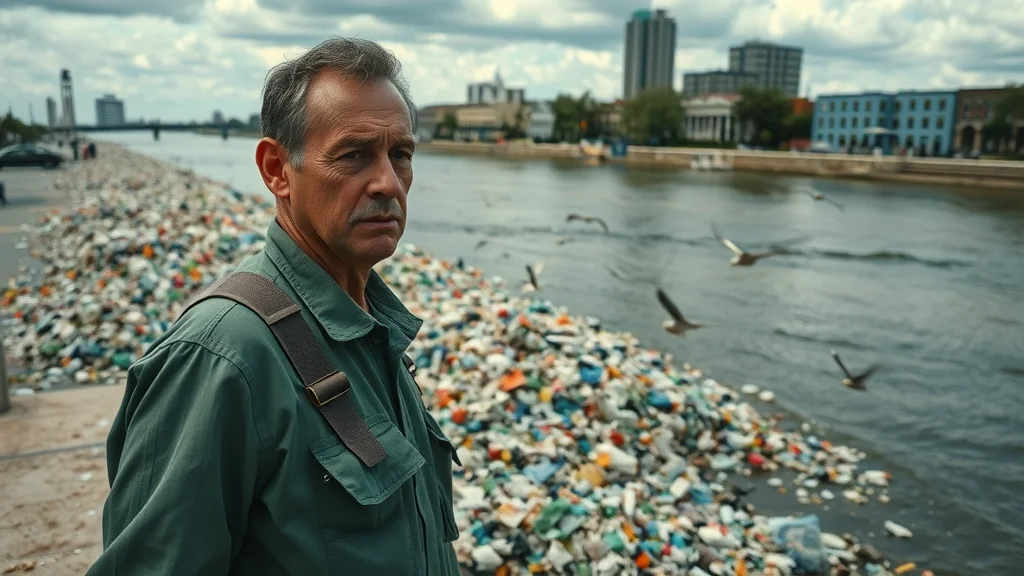
"By 2050, plastic in oceans may outweigh fish by mass – Corsair Recycling New Orleans aims to change the local narrative."
What You'll Learn: Corsair Recycling New Orleans and Local Impact
How Corsair Recycling New Orleans technology functions
Market trends in pyrolysis oil and plastic upcycling
Environmental benefits of advanced recycling
Opportunities for community participation
Comparison with kera energy and other solutions
Corsair Recycling New Orleans: Leading the Circular Economy Movement
The circular economy isn’t just a buzzword—it’s a practical solution to a growing problem. Corsair Recycling New Orleans is pioneering this transition locally, harnessing advanced pyrolysis technology to turn everyday household plastic into valuable resources. By working in tandem with the larger Corsair Group international strategy, the New Orleans facility intends to serve as a blueprint for future facilities around the United States and beyond.
The company’s approach is rooted in optimizing the supply chain for plastic materials, minimizing waste at every step, and enabling the recycling of plastics previously considered too “dirty” or complex for standard municipal programs. The result: valuable pyrolysis oil derived from mixed plastic, used as feedstock in various industries, which reduces the need for virgin fossil fuels and the environmental impact of extraction. Ultimately, Corsair Recycling New Orleans is driving an economic shift where plastic waste becomes a tool for local growth and global sustainability.
As Corsair’s advanced recycling model gains traction, it’s important to recognize how local green initiatives can be influenced by broader policy and economic factors. For example, shifts in national energy policy can have a significant impact on the growth of sustainable industries and job creation—explore how political actions shape the future of renewable sectors in this analysis of offshore wind jobs in America.
Pyrolysis Oil: The Science Behind Corsair Recycling New Orleans
At the core of Corsair’s technology is the production of pyrolysis oil. This innovative process uses heat to break down mixed plastics into smaller, usable hydrocarbons without burning or releasing toxins. The resulting plastic pyrolysis oil can be refined into fuel, chemicals, or even new plastics, effectively closing the loop on plastic’s lifecycle. This is a major leap beyond traditional recycling—no longer do plastics need to be sorted by resin code or color. Instead, Corsair Recycling New Orleans can process diverse plastic streams, providing a much-needed market sector boost for the city and the nation.
The science is simple yet transformative: by using controlled heating in the absence of oxygen, the Corsair plant reduces waste and recovers valuable energy, advancing the city’s role in global sustainable practices. The transparency and efficacy of the pyrolysis oil system also inspire confidence among corporate partners and eco-conscious consumers alike, helping New Orleans emerge as a leader in advanced recycling.
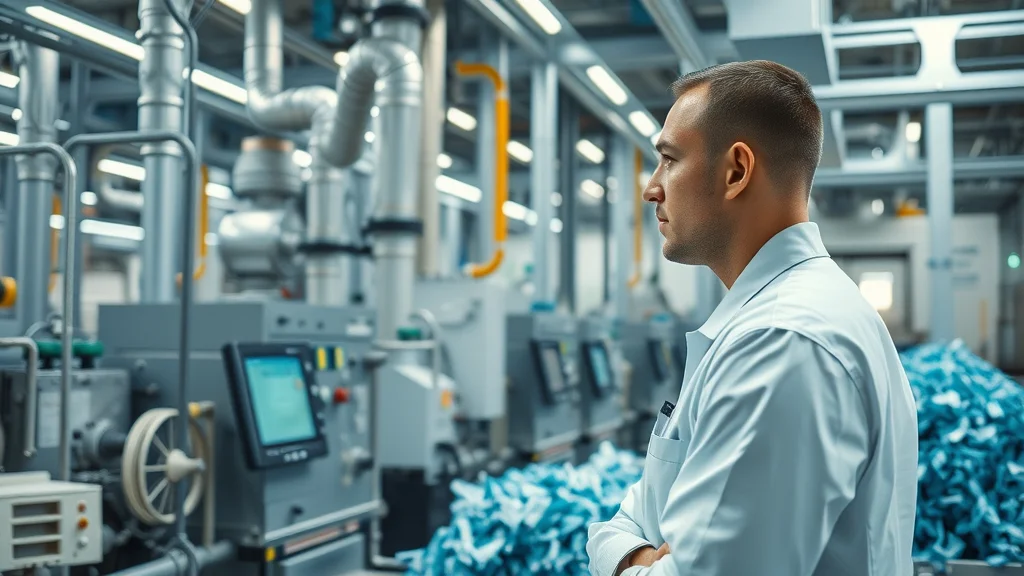
From Waste to Wealth: Corsair Recycling New Orleans Partnerships with kera energy
A defining feature of Corsair’s expansion is its robust partnership with kera energy. By uniting with kera energy ag, a leading name in international plastic recycling and alternative energy solutions, Corsair is able to scale up sustainable advanced solutions while tapping into global access and knowledge. This collaboration marks a turning point for both companies, as their combined capacity to process waste increases and the impact on local and global environmental outcomes strengthens.
Through shared investments and optimized supply chains, Corsair can also draw on kera energy’s proven success in plastic pyrolysis and tire pyrolysis, offering industry insights for pushing technology boundaries. As Corsair Recycling New Orleans becomes the home base for innovative recycling in the United States, its model of partner with kera makes advanced plastic recycling, and the market for pyrolysis oil derived from plastic, truly accessible.
How Corsair Recycling New Orleans Drives Environmental Accountability
Environmental accountability is about transparency and trust. Corsair Recycling New Orleans understands this, incorporating rigorous traceability, third-party audits, and verified outcomes into every stage of its operation. By going beyond regulatory requirements and involving independent experts, Corsair instills confidence in both the technology’s effectiveness and its positive environmental impact.
This proactive stance is crucial, especially as more companies and residents demand proof that recycling efforts are not just well-meaning, but genuinely effective. Corsair’s system offers a verified, closed-loop solution with documented positive outcomes, paving the way for other industries to follow suit and making New Orleans a beacon for sustainable transformation.
Transparency and Traceability: Why It Matters
Many residents question whether their recycling really counts. Corsair Recycling New Orleans tackles this head-on by making recycling data and operational outcomes open to public scrutiny. Each step—from plastic collection to pyrolysis oil output—is meticulously logged, ensuring that community and business stakeholders know exactly where their plastics go and how they are transformed.
This commitment stands in stark contrast to conventional systems—where plastic waste can vanish into poorly tracked landfills or overseas shipments—instead creating a transparent, locally-focused process. By embracing traceability, Corsair builds trust while offering scalable solutions for other cities seeking to reduce waste and ensure that local recycling efforts truly benefit the environment.
Third-Party Audits and Verified Outcomes
Verification matters in modern recycling, and Corsair Recycling New Orleans leads the way with regular third-party audits from respected environmental and technical organizations. Independent evaluations ensure that Corsair’s advanced pyrolysis technology meets or exceeds international standards. Every batch of pyrolysis oil can be traced directly to post-consumer plastic origins, with reports published for transparency.
This approach provides local governments, residents, and investors alike with tangible proof of the company’s environmental compliance and real-world results. With these rigorous systems, Corsair sets a new standard in the market sector, pushing toward verified, zero-waste ambitions and providing a competitive edge over traditional plastic management approaches.
Corsair Recycling New Orleans vs. Traditional Plastic Waste Management |
||
Features |
Corsair Recycling New Orleans |
Traditional Plastic Waste Management |
|---|---|---|
Technology |
Advanced Pyrolysis, Traceable Output, Mix-Plastic Upcycling |
Single-stream Sorting, Landfilling, Occasional Incineration |
Environmental Impact |
Reduces landfill use, Upcycles plastic to valuable oil, Verified net-positive |
High landfill rates, Low recycling efficiency, Unverified emissions |
Community Involvement |
Direct profit via CSR26 plastic credits, Local partnerships |
Limited resident engagement, few incentives |
Transparency |
Open audits, Trackable process data |
Opaque end-destinations, minimal reporting |
Economic Impact |
Job creation, Supports green careers and local training |
Mainly low-wage manual sorting jobs |
Comparing Corsair Recycling New Orleans with Existing City Programs
While New Orleans has invested in municipal recycling, most efforts focus on traditional, single-stream systems, often limited to clean #1 and #2 plastics. Unfortunately, the majority of household waste—mixed and soiled plastics—ends up being incinerated or sent to landfills due to processing limitations. Corsair Recycling New Orleans enters as a complementary force, targeting exactly those plastic streams that city systems struggle to handle.
This expanded capability directly addresses resident concerns and aligns with broader expansion plans for sustainability in Louisiana. Corsair’s ability to process mixed plastic, offer traceability, and generate value through the CSR26 plastic credit ensures more plastics are kept out of the landfill, offering a local circular economy approach municipalities simply aren’t equipped to deliver—yet.
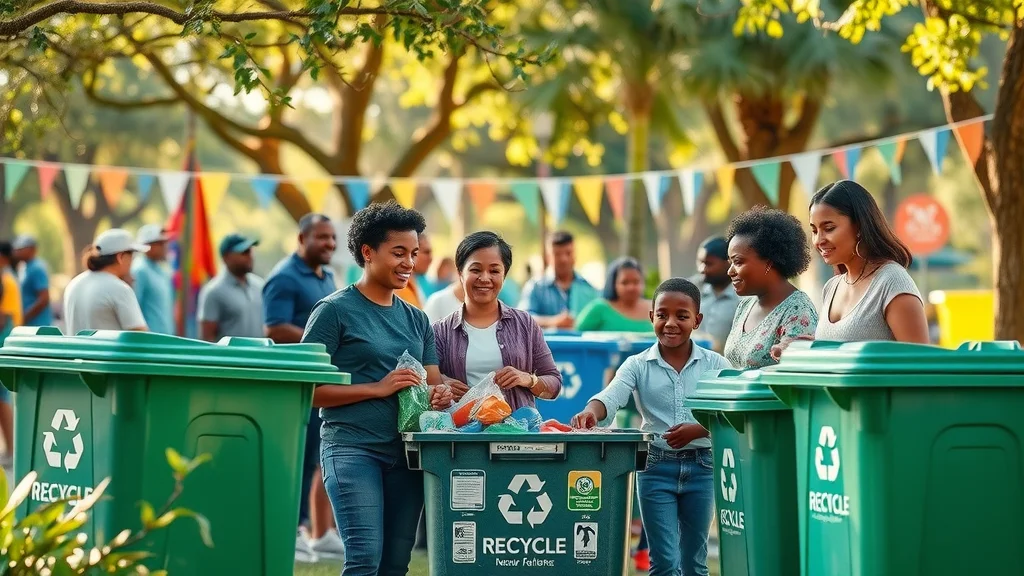
A Look at New Orleans’ Municipal Recycling Effectiveness
For years, New Orleans’ curbside recycling collected only a narrow band of plastics, paper, and cardboard. While this helped somewhat, recent audits show only a small percentage of collected recyclables are actually remanufactured—thanks to global recycling market shifts and domestic processing shortfalls. Most mixed plastic is classified as contamination, further slashing the city’s recycling rates and public confidence in the system.
This reality highlights why advanced solutions like Corsair Recycling New Orleans—capable of handling the full range of plastics using innovative methods—are urgently needed. The transition toward feedstock recycling and closed-loop models can dramatically improve the city’s stats while clearing up confusion about what happens to residents’ recyclables.
Where Do 79% of Plastic Products End Up? The Uncomfortable Truth
Despite public awareness, the ugly truth remains: a staggering 79% of plastics produced in the United States escape the recycling loop. Instead, they accumulate in local landfills, clog city incinerators, or float into the Gulf of Mexico. Only a tiny fraction sees a new life as a recycled material. For environmentally conscious New Orleanians, this is a call to action—traditional methods aren’t enough.
Corsair Recycling New Orleans flips the script by providing real alternatives to landfill and oceanic accumulation. Through their advanced system, plastics are given a new purpose, supporting the city’s—and the nation’s—quest to finally address what has long been an uncomfortable environmental crisis.
Industry Insights: How much of your recycling gets truly recycled?
Most residents overestimate the value of their blue bin contributions. Actual tracking shows only about 20% of collected plastics are ever recycled into new products, while the rest is either too contaminated, improperly sorted, or simply not accepted by processors. Corsair Recycling New Orleans raises the bar, guaranteeing that all accepted materials are fully accounted for and upcycled, bridging the gap between community intent and real-world outcomes.
Kera Energy Collaboration: A Game Changer for Corsair Recycling New Orleans
Partnering with kera energy has enabled Corsair to leapfrog many logistical and technological hurdles. This global partnership not only ensures access to proven recycling systems, but also boosts scalability for the entire project. Energy ag and Corsair Group international together create new market sector opportunities for New Orleans and open the doorway for other American cities to adopt proven strategies fast.
Through this collaboration, New Orleans stands to immensely benefit from shared R&D and a cross-Atlantic pool of technical expertise, helping to scale up sustainable advanced systems for future facilities and set a model for the country.
Scaling Up Circular Economy Solutions in New Orleans
A single Corsair plant, in collaboration with kera energy ag, can process tons of plastic daily, producing valuable pyrolysis oil and supporting the city’s dreams of becoming a major sustainability hub. With each step, Corsair Recycling New Orleans fuels green careers, local training programs, and sustainable local commerce—all while exporting know-how to the wider United States market sector.
"A single Corsair Recycling New Orleans plant can process tons of plastic daily, fueling green jobs for Louisiana. " With scalable systems and international partnership, Corsair is ready not just to revolutionize recycling in New Orleans, but to inspire entire regions to join in the march toward a truly circular economy.
Community Engagement: How Corsair Recycling New Orleans Empowers Residents
Building a sustainable city is a community effort, and Corsair Recycling New Orleans puts people at the center. By offering education in schools and businesses, supporting neighborhood collection drives, and introducing the CSR26 plastic credit, Corsair empowers locals to take active roles in sustainability. Their programs go beyond awareness—they offer real financial and social incentives to residents, businesses, and creative organizations.
Partnerships with local artists and eco-initiatives culminate in public art projects, workshops, and forums that rally the city together toward shared goals. In this spirit, Corsair ensures their impact stretches beyond the plant—fostering a cleaner, more connected New Orleans and inspiring widespread cultural shifts.
Education Drives Action: Local Schools and Businesses
Knowledge powers change. Corsair Recycling New Orleans works closely with local schools and businesses to build a foundation of environmental literacy. By running engaging recycling workshops, funding in-class projects, and offering tours of their advanced recycling plant, Corsair helps future generations understand not only the "how" but the "why" of responsible plastic use.
Businesses are encouraged to participate in the CSR26 plastic credit program, unlocking direct benefits while building brand reputation for sustainability. The collective effect? A local workforce and consumer base that is more invested, informed, and empowered to make ongoing positive changes for the city.
Neighborhood collection drives
Partnerships with local artists and eco-initiatives
CSR26 plastic credits and incentives
Workshops and community forums

Take a walkthrough of the Corsair Recycling New Orleans facility: witness advanced recycling equipment in action and learn how plant employees transform plastic waste into valuable resources.
Hear firsthand from New Orleans locals about how Corsair has changed their view of recycling and what it means for community pride and the city’s future.
The Economic Impact of Corsair Recycling New Orleans on Local Communities
Environmental progress often translates to economic opportunity. Corsair Recycling New Orleans goes far beyond reducing plastic waste—it creates green jobs, vocational training programs, and new economic pathways for local residents. By building advanced recycling capacity, Corsair fosters a future-proof workforce and injects new life into Louisiana’s economy.
As green industries become more central to economic growth and national climate goals, New Orleans’ investment in advanced recycling positions the city as a prime destination for sustainability-focused companies, talent, and investment—benefitting everyone from recent graduates to experienced professionals seeking careers with purpose.
Job Creation: Green Careers and Training Programs
From plant operators and maintenance experts to educators and logistics coordinators, Corsair Recycling New Orleans brings a variety of new career opportunities. Employees are supported by robust vocational training, designed to develop expertise in advanced recycling technologies, pyrolysis oil production, and environmental compliance. These skills are in demand far beyond New Orleans, giving locals a foothold in an expanding global market.
Corsair’s career programs specifically target communities historically left out of green economic growth, supporting social mobility and creating pathways into STEM and technical fields. Green jobs, environmental stewardship, and innovation—all come together under one roof at Corsair’s state-of-the-art local facility.

Supporting New Orleans’ Ambitions to Become a Sustainability Hub
The journey from plastic waste to sustainability hub is marked by bold leadership and active participation. Corsair Recycling New Orleans is not just creating jobs—it’s helping anchor the city’s vision for a clean, resilient future. By attracting new investment, cultivating green businesses, and inspiring the next generation of eco-leaders, Corsair positions New Orleans at the forefront of America’s sustainability movement.
Their advanced, inclusive model is designed to scale, supporting the state’s climate ambitions and providing a replicable template for cities across the United States—a true testament to what local innovation and global partnership can achieve.
Corsair Recycling New Orleans and the Global Plastic Crisis
The world faces a daunting challenge: plastic production continues to soar, with waste management systems perpetually playing catch-up. Corsair Recycling New Orleans offers a different path. By aligning with Corsair Group international and global partners like kera energy ag, the city steps into the spotlight as a leader in the fight against plastic pollution. This is more than a local effort—it's a contribution to a global solution, redefining what’s possible in modern waste management.
As cities everywhere struggle with mounting plastic problems, Corsair leverages the latest science and international expertise to prove a zero-waste future is within reach, right here in Louisiana.
What Sets Corsair Apart in International Recycling
Corsair Recycling’s international approach sets it apart. It’s not just the plant’s cutting-edge plastic pyrolysis technology, but the robust systems for traceability, transparency, and verified environmental impact that make Corsair a leader. The collaboration with industry experts like Jussi Veikko Saloranta ensures that Corsair’s systems meet rigorous international standards, positioning New Orleans as an epicenter of next-generation recycling.
Unlike most programs, Corsair’s process is designed for rapid adoption right across the United States—bringing global access and proven best practices to the American market sector in real-time.
Long-Term Vision: Towards Zero-Waste in New Orleans
The ultimate goal? Zero-waste for New Orleans. Corsair Recycling’s technology, partnerships, and community initiatives align with this bold vision, focusing on removing plastics from the environment, upcycling them, and rewarding active participants. With each innovation and every ton of pyrolysis oil produced, New Orleans edges closer to a sustainable future, free from plastic pollution.
As more cities follow suit, Corsair’s blueprint has the potential to transform global waste management—and put New Orleans at the epicenter of America’s push for a circular, regenerative economy.
People Also Ask: What Can Be Recycled in New Orleans?
Breaking Down Accepted Materials and Guidelines
New Orleans residents can recycle many common household plastics (#1 and #2 bottles and jugs), as well as paper, cardboard, aluminum cans, and certain glass containers. Unfortunately, most municipal programs don’t accept items like plastic bags, wrap, polystyrene foam, or dirty food containers. This limitation is what makes Corsair Recycling New Orleans so powerful—it targets complex and mixed plastics typically left out of the local stream.
Always follow your parish’s guidelines and keep materials clean and dry to maximize recyclability. But remember, thanks to Corsair, even challenging plastic types have a new, proven pathway to circularity, keeping waste out of landfills and waterways.

People Also Ask: Where Do 79% of All Plastic Products End Up?
The Journey of Plastics: Landfills, Incinerators, and Oceans
In the United States, about 79% of plastics produced do not get recycled. Most end up in local landfills, where they take hundreds of years to break down—or, worse, travel by stormwater into incinerators or leak into oceans and rivers. Each stage poses its own environmental hazards, from toxic emissions to resource depletion and threats to marine life.
Corsair Recycling New Orleans breaks this cycle by giving plastics a productive second life, ensuring that fewer materials escape into the environment and more feedstocks are diverted into valuable products like pyrolysis oil that support the city and the planet.
People Also Ask: Does My Recycling Actually Get Recycled?
Corsair Recycling New Orleans Brings Transparency to Local Systems
The sad truth is, much of the recycling collected curbside is never recycled due to sorting errors, contamination, or lack of processing facilities. Corsair Recycling New Orleans changes this with transparent, traceable systems that let you follow your plastic’s journey from waste to pyrolysis oil—and, ultimately, to new products and reduced dependency on fossil fuels.
This approach answers the public’s call for genuine results, making your recycling efforts as impactful as you always hoped.
FAQs about Corsair Recycling New Orleans
What is pyrolysis oil and why is it important to Corsair Recycling New Orleans?
Pyrolysis oil is a valuable product created by heating plastics in the absence of oxygen. It can be turned into fuel or used to make new plastics, closing the loop on plastic waste and supporting sustainable energy goals.How can residents participate in the CSR26 plastic credit program?
New Orleans residents can sort, save, and drop off plastics at Corsair collection points. Every pound recycled earns you CSR26 credits, which can be converted into cash, rewards, or donated to local community projects.How does Corsair Recycling New Orleans ensure environmental compliance?
Corsair conducts regular third-party environmental audits and publishes outcome data, ensuring its technology consistently meets or exceeds all legal and ecological requirements.Is Corsair affiliated with kera energy or other international partners?
Yes, Corsair’s New Orleans plant is built in partnership with kera energy and leverages international expertise and proven advanced recycling models.
Key Takeaways: Corsair Recycling New Orleans’ Transformational Role
Innovative technology positions New Orleans as a circular economy leader
Local economic boost through new jobs and training
Transparent, eco-friendly processes
Opportunities for residents to profit and participate in sustainability
Start Earning with the CSR26 Plastic Credit – Make Money, Save the Planet!
Ready to make a real difference? Join the cleanup with Corsair Recycling New Orleans! Start earning with the CSR26 plastic credit—help transform waste into wealth, save your city, and contribute to a greener planet today.
Conclusion: Corsair Recycling New Orleans isn’t just a plant—it’s a movement. By combining global expertise, new technology, engaged residents, and eco-incentives, New Orleans is fast becoming the model city for real, transparent, profitable waste solutions.
As you consider the impact of Corsair Recycling New Orleans on the city’s environment and economy, it’s clear that local innovation is deeply connected to national and global trends in sustainability. If you’re interested in understanding how broader political and economic decisions can influence the growth of green industries and the creation of future-proof jobs, take a deeper dive into the challenges and opportunities facing America’s renewable sectors. Discover more about the intersection of policy, innovation, and sustainable employment in this in-depth look at offshore wind jobs and political action. Exploring these insights can help you see the bigger picture—and inspire your next steps toward a more sustainable future.





Write A Comment