


Did you know Wyoming’s AI data center growth rate has outpaced the national average by nearly 400% in just the past four years? This isn’t just a statistic—it’s a signal that the state is fast becoming a powerhouse for technology infrastructure. The expansion of AI data centers in Wyoming is creating economic opportunities, transforming the state into a regional tech hub, and prompting vital conversations about sustainability in the digital age. As the world’s demand for artificial intelligence and digital infrastructure accelerates, Wyoming’s unique blend of resources and innovation is making it the center stage for a revolution in data center campus development. Let’s dive into why this boom is such a watershed moment for the Cowboy State and beyond.
A Stunning Statistic: The Unforeseen Growth of AI Data Center Expansion in Wyoming
In recent years, Wyoming has experienced a staggering surge in AI data center expansion, eclipsing many tech-forward states in both speed and scale. With data center campus projects multiplying across the prairie, the state has swiftly become a national leader in digital infrastructure innovation. According to industry analysts, the square footage devoted to data centers in Wyoming has expanded by over 400% since 2020—that’s more rapid than the tech booms seen in established urban hubs.
The reason behind this explosive growth lies in Wyoming’s convergence of resources: low-cost land, abundant natural gas, and eager support from state and local policymakers. As the AI revolution demands more robust infrastructure for machine learning, cloud processing, and national security applications, Wyoming has offered an unbeatable combination of economic incentives and logistical feasibility. The data center campus models under construction aren’t just serving the needs of big tech—they’re fundamentally altering the economic makeup and technological direction of the region.
How AI Data Center Projects Outpace National Trends
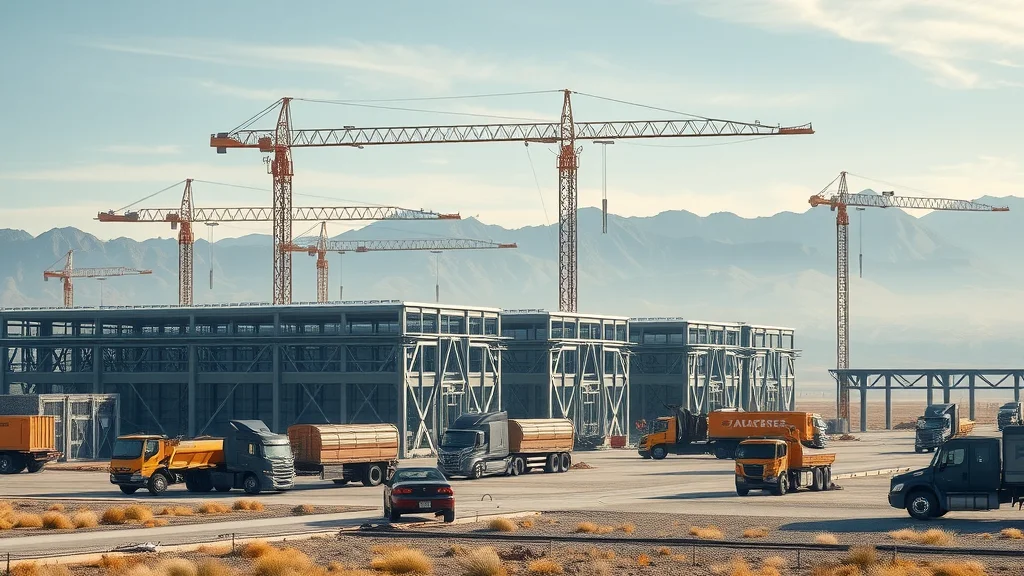
Wyoming’s AI data center projects are notable for not just keeping up with, but actually outpacing, national trends. While states like Texas and Virginia have long dominated digital infrastructure development, Wyoming’s unique combination of energy sources—particularly natural gas—and favorable tax structures have given it a competitive edge. The rise in AI infrastructure projects has seen data center campuses spring up in record time, supported by local innovation and forward-thinking policies from the state of Wyoming.
What’s remarkable is how Wyoming’s expansion is both faster and more sustainable than many other states. Modern data centers in Wyoming are designed to maximize energy efficiency, often leveraging nearby power plant resources or integrating renewable energy options like wind and solar. By capitalizing on these synergies, Wyoming’s data centers not only serve current AI and data processing needs but also set new benchmarks for environmental responsibility in large-scale digital projects.
As Wyoming’s data center sector continues to evolve, it’s important to recognize how shifts in national policy and energy markets can influence local job creation and infrastructure investment. For a deeper look at how political decisions impact renewable energy employment, explore the broader effects of political actions on offshore wind jobs in America and consider the parallels in workforce and economic development.
What You'll Learn from This Insight on AI Data Center Expansion in Wyoming
Why Wyoming is attracting ai data center and data centers investment
The link between natural gas, sustainability, and ai data center infrastructure
The broader impact of ai data on regional economies
How power plant resources fuel the data center campus model
AI Data Center Expansion in Wyoming: A Unique Regional Opportunity
The choice to build AI data centers in Wyoming is far from accidental. This region offers a compelling case study in how natural resources, policy, and industrial vision can converge to spark digital transformation. Leading AI data center developers are attracted by Wyoming's low electricity rates, ample natural gas reserves, and expansive tracts of industrial land. This distinctive combination positions Wyoming as an emerging power hub for high-performance computing and cloud services.
Moreover, the state’s commitment to modern energy infrastructure—backed by support from local government, including endorsements from figures like Wyoming Gov. Mark Gordon—has fostered an environment ripe for investment. As these projects scale, they lay the groundwork for Wyoming to reinvent itself, moving from a heritage centered on raw natural resources to one driven by digital economy ambitions and technological expertise.
Why Wyoming Was Chosen for Major Data Center and Data Centers Developments
No other state quite matches Wyoming’s specific advantages for AI data center development. From relaxed zoning in counties like Laramie County to robust, reliable power grids anchored by both renewable and fossil energy sources, the region offers an operational stability that tech giants demand. Companies building large-scale data center campus facilities in Wyoming have cited the state’s proactive approach toward permitting, infrastructure grants, and support for sustainable operations.
Furthermore, Wyoming’s cool, dry climate aids in lowering cooling system demands—a crucial benefit when it comes to operating energy-hungry AI data centers. With minimal seismic threats, stable connectivity via the Cheyenne Power Hub, and forward-leaning local county commissioners, Wyoming emerges as an ideal launch pad for major data center investments.
The Role of Natural Gas and Power Plant Infrastructure
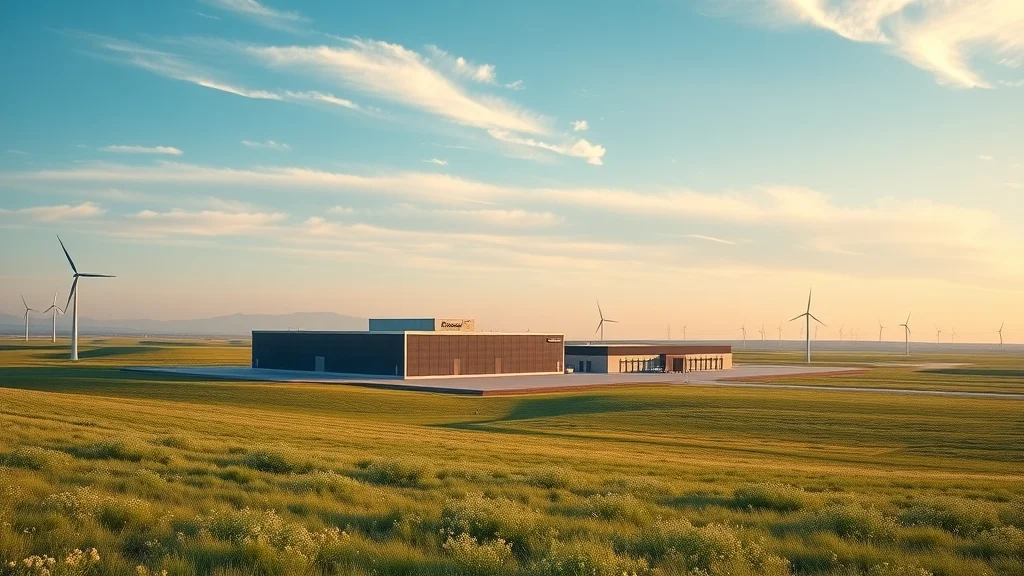
Natural gas has become the linchpin of Wyoming’s rise in digital infrastructure, powering both the actual data centers and their ambitious sustainability goals. By harnessing excess natural gas that would otherwise go to waste, developers are turning a traditional energy source into a foundational pillar of modern, green AI data center operations. This approach not only offers cost advantages but also dovetails with increasing calls for carbon capture technologies and reduced emissions from power plant operations.
On the data center campus, the close integration of power plant and digital infrastructure allows for real-time management of energy loads—making Wyoming’s facilities more resilient and responsive than most. This synergy attracts both established players and cutting-edge startups focused on climate technology, with projects often highlighting their alignment with renewable energy trends and low environmental impact.
"Wyoming's energy landscape makes it the perfect launchpad for AI data centers," says local technology analyst.
The Economic Impact of AI Data Center Expansion in Wyoming
Perhaps the most immediate and tangible benefit of Wyoming’s AI data center boom is the powerful, positive effect on the state’s economy. Major projects—such as those spearheaded by innovators like Crusoe and Tallgrass—are creating an unprecedented influx of new jobs, tax revenues, and secondary business opportunities. Where cattle once dominated the prairie, data centers now serve as engines of economic growth, catalyzing both short-term and long-term prosperity in the communities they call home.
As data center campuses are constructed and staffed, local businesses respond with an uptick in demand for everything from construction services to IT support and beyond. The multipliers are significant—with indirect job creation often outpacing initial projections and offering career pathways previously unavailable in many rural Wyoming counties.
Job Creation and New Career Pathways
Data center expansion is more than a construction boom—it’s a launchpad for diversified, high-tech job creation. New and ongoing AI data center campus projects are forecast to create at least 2,000 permanent jobs across engineering, maintenance, security, digital infrastructure operations, and artificial intelligence research. The workforce ripple extends to local contractors, logistics providers, and even educational institutions tailoring programs to prepare students for this rapidly changing industry landscape.
This diversification injects new hope into the regional economy. Historically reliant on extraction industries and agriculture, Wyoming now sees a future where IT, data science, and power plant management offer well-paid, future-proof career opportunities. As a result, residents are not only staying but also attracting talent from across state lines, reinforcing Wyoming’s identity as a rising tech hub.

Tax Revenue and Community Development from Data Center Campus Projects
The positive financial implications of AI data center expansion in Wyoming extend beyond direct employment. New facilities mean increased tax revenues for counties and municipalities, supporting public infrastructure, schools, and community initiatives. With major players like Crusoe and Tallgrass operating significant campuses, annual tax contributions are expected to rise tenfold over the course of the decade—fueling everything from recreational facilities to broadband expansion.
Furthermore, data center campus projects unleash a wave of community investment. By partnering with local governments, operators are supporting affordable housing initiatives, workforce development programs, and even green energy research in partnership with Wyoming’s universities. As these contributions accumulate, entire counties can experience a transformative uptick in quality of life, echoing the cyclical prosperity previously seen only during resource booms.
Projected Economic Benefits of AI Data Center Expansion in Wyoming |
||
Categories |
Short-term Impact |
Long-term Impact |
|---|---|---|
Jobs Created |
250 |
2,000+ |
Annual Tax Revenue |
$12M |
$120M |
Sustainable Energy and AI Data Center Campus Design in Wyoming
Sustainability is a leading theme for Wyoming’s newest data center campuses. Developers are investing heavily in clean energy solutions, particularly those that tap into the state’s considerable natural gas reserves while exploring wind, solar, and innovative power plant models. The concept is simple: to create AI data center operations that are both world-class in performance and benchmark-setting in their environmental stewardship.
This focus on sustainability isn’t just a marketing pitch—it’s increasingly embedded in how data centers are designed, built, and regulated in Wyoming. By leveraging best practices in energy efficiency, water use, and carbon capture, these facilities minimize their environmental footprint even as they support the exponential growth of AI and data-driven technologies. The result? Wyoming is not only powering the future but doing so responsibly, setting an example for tech regions everywhere.
Leveraging Natural Gas for Green AI Data Operations
Natural gas is central to Wyoming’s push for sustainable, scalable AI data center operations. Rather than simply burning off excess natural gas, the state’s projects focus on converting this resource into useable electricity, often coupled with advanced carbon capture and storage techniques. This approach drives operational costs down while contributing to a more sustainable energy market—a crucial component as global climate concerns mount.
By tapping into Wyoming’s established power plant and energy infrastructure, data center campus operators can ensure a stable supply of electricity. These facilities also tend to serve as test beds for next-generation cooling systems and innovative energy management platforms, making Wyoming a proving ground for sustainable tech solutions destined for national and international adoption.
Synergies Between Power Plant Operations and Modern Data Centers
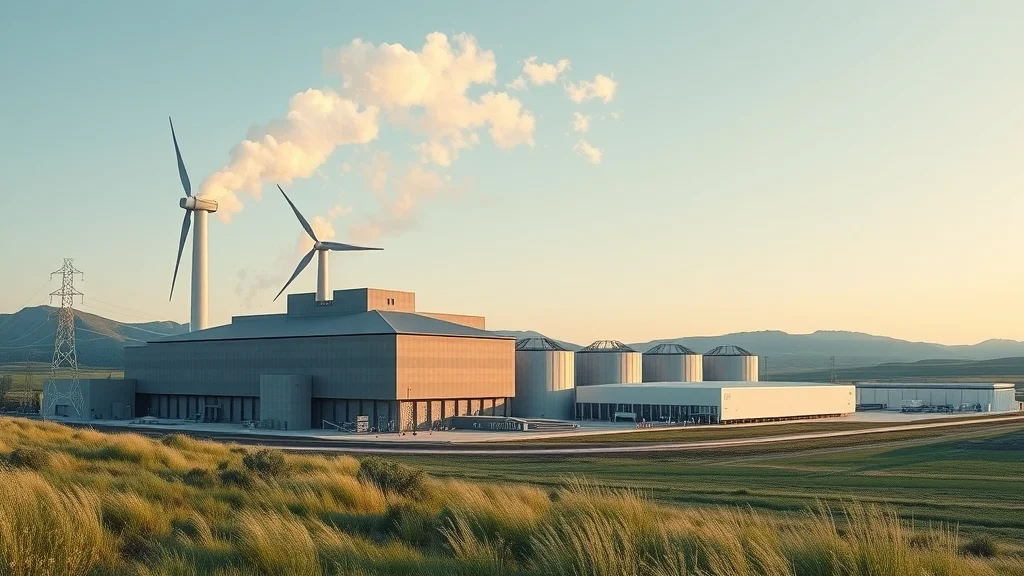
Wyoming’s energy-rich environment pays dividends in how seamlessly power plants and data centers can be integrated. Direct connections between energy producers and digital infrastructure reduce transmission losses and increase operational flexibility. This synergy also allows campus operators to participate in demand-response energy programs—meaning they can adjust their energy usage in real time based on grid needs and market dynamics.
Moreover, as AI data centers grow, their presence encourages upgrades and modernization across adjoining power facilities. Older plants are retrofitted with emission controls, renewable energy supplements, and carbon capture technology, spurred on by the specific requirements of these new digital tenants. Over time, this enhances the overall sustainability and resilience of Wyoming’s entire energy and tech ecosystem.
Crusoe and Tallgrass: Innovators in Wyoming’s AI Data Center Expansion
Two names repeatedly surface when talking about Wyoming’s AI data center success story: Crusoe and Tallgrass. These companies stand out for their pioneering work in both engineering sustainable infrastructure and driving job creation in the region. Crusoe, for example, is lauded for its strategy to harness excess natural gas—convert it into computing power, and, in the process, minimize unnecessary emissions at the wellhead. Tallgrass, meanwhile, has been at the forefront of integrating robust digital infrastructure directly with Wyoming’s energy assets, shaping a data center campus blueprint now studied nationwide.
By merging traditional energy expertise with cutting-edge digital infrastructure, Crusoe and Tallgrass are ushering in a new era in which AI data centers don’t just consume resources—they actively innovate, recycle, and contribute to net-positive regional development. Their approaches are models for balancing economic growth, energy efficiency, and environmental stewardship in the rapidly evolving AI sector.
"Harnessing excess natural gas for AI data center projects converts waste into computing power," industry insider.
Challenges and Controversies of AI Data Center Expansion in Wyoming
No transformation comes without its challenges. Even as Wyoming earns national praise for its AI data center expansion, the projects have attracted scrutiny from environmental groups, regulatory agencies, and citizens concerned about the long-term implications of rapid growth. From debates on resource allocation to questions about water and emissions, there’s a lively, ongoing conversation about how best to manage the state’s tech-driven future.
Critics express concerns that AI data centers, even when powered by natural gas and renewables, can strain local grids and ecosystems. Some argue that community development could lag if not all segments benefit equally from new infrastructure and tax dollars. As more data center campus facilities are proposed, maintaining Wyoming’s balance of economic ambition and environmental responsibility has become both a policy challenge and a public relations priority.
Criticisms Over Energy Use and Environmental Implications
One of the most debated aspects of Wyoming’s AI data center projects is the sheer scale of energy consumption. While modern facilities boast impressive efficiency ratings and increasingly use renewable sources, there’s still concern over emissions, water usage, and the long-term sustainability of relying on natural gas as a primary energy source. Local and national environmental advocates often cite the need for stronger carbon capture standards, transparency in reporting energy use, and robust independent oversight of campus operations.
That said, companies operating in Wyoming typically emphasize their commitment to minimizing impact—investing in green building certifications, heat recycling methods, and on-site renewable energy projects. As demand for artificial intelligence and cloud computing continues to climb, the pressure will remain high on operators to align growth with best-in-class sustainability standards.
Regulatory Hurdles Facing New Data Center Campuses
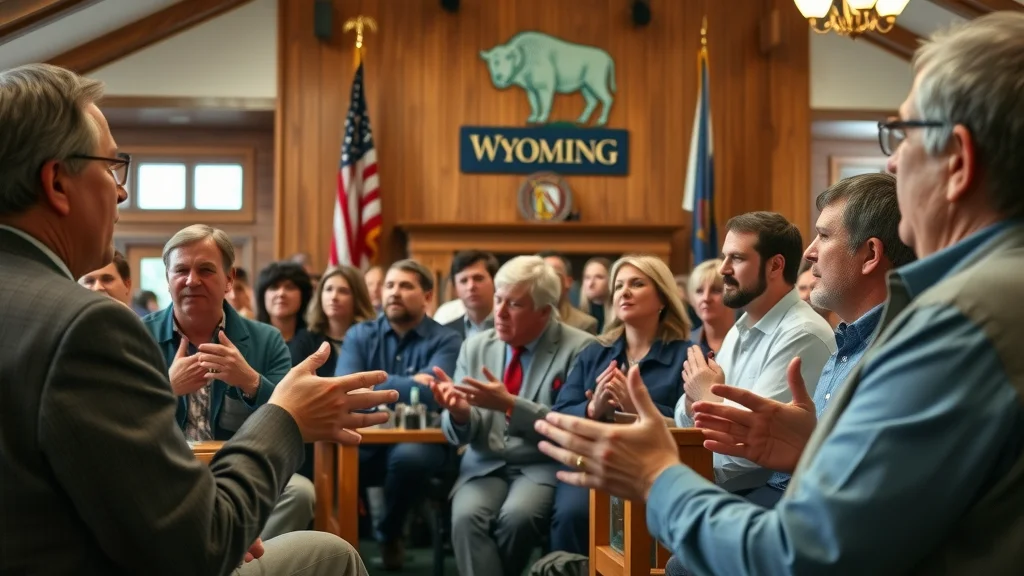
Regulatory approval for new data centers in Wyoming is more complex than ever. State lawmakers and county commissioners must consider not only the economic upside but also community feedback and ecological impacts. Issues like zoning, water rights, and infrastructure capacity are frequent flashpoints in public town hall meetings, often pitting developers against local landowners and conservation groups.
As data center campus models evolve, regulators are increasingly demanding detailed environmental studies, mitigation plans, and long-term monitoring commitments from AI data center owners. These hurdles, while slowing some projects, are driving innovation and accountability—spurring a new era of partnership between tech, government, and local communities as Wyoming charts its path forward.
"The sustainability debate around these AI data center projects is far from settled." — Energy Policy Advocate
AI Data and the Digital Transformation of Wyoming’s Economy
The ripple effect of AI data center expansion in Wyoming goes far beyond construction sites and tax records. By establishing world-class data infrastructure, the state is actively shifting toward a digital economy model, ready to attract investment, talent, and innovation from across the globe. With programs like Project Jade and major data center campus investments, Wyoming is positioning itself as a national leader in artificial intelligence adoption and commercialization.
This transformation is especially meaningful for rural communities. Where economic opportunities were once limited to agriculture or energy extraction, digital infrastructure now promises a diverse array of jobs and entrepreneurial prospects. As data center construction and operation becomes a permanent fixture, local educational institutions and workforce programs are evolving to meet the rising demand for digital skills—the foundation of a lasting tech ecosystem.
How AI Data Center Expansion Spurs Innovation and New Businesses
The arrival of substantial AI infrastructure in Wyoming opens unprecedented doors for tech startups, research partnerships, and service providers. With reliable, high-capacity digital infrastructure on-site, businesses can access state-of-the-art tools and AI computing power, eliminating barriers to entry and driving innovation. The cumulative effect is a blossoming startup ecosystem and an influx of digital expertise that amplifies Wyoming’s reputation as an innovation hub.
Additionally, with companies like Crusoe and Tallgrass offering proof-of-concept facilities for sustainable energy use in AI data centers, Wyoming is now a testing ground for new technologies in green computing, edge processing, and national security-focused digital solutions. This growing tech environment not only supports homegrown businesses but also attracts forward-thinking ventures from across the country.
The Role of Project Jade in Wyoming’s AI Data Center Growth
Project Jade has emerged as a symbol of Wyoming's ambitious AI-driven future. Spearheaded by major public-private partnerships and with backing from key industry leaders, Project Jade is a multi-phase plan to build a network of sustainable, high-performance data center campuses throughout the state. The project’s blueprint emphasizes carbon neutrality, smart grid integration, and the recruitment of global tech talent to power Wyoming’s new AI infrastructure era.
Anchored in strong collaboration between state agencies, local universities, and private operators, Project Jade aligns with state goals for economic diversification and environmental responsibility. As this and similar projects mature, Wyoming’s tech workforce and innovation culture are set to achieve heights previously unimaginable in the region.
Developing a Regional Tech Hub on the Data Center Campus
Wyoming’s data center campuses are designed not merely as isolated industrial sites but as community anchors for regional economic revitalization. Many operators are working with county commissioners and local educational programs to establish innovation hubs—spaces where startups, established tech firms, and even government agencies can co-locate and collaborate. These hubs drive job creation, research partnerships, and continuous professional development, ensuring that Wyoming’s tech economy will endure for decades to come.
Moreover, as more government and enterprise clients demand resilient, U. S. -based digital infrastructure for national security and artificial intelligence applications, Wyoming is positioned to meet these needs head-on—cementing its role as a cornerstone of American digital transformation.
People Also Ask: AI Data Center Expansion in Wyoming
Why are data centers being built in Wyoming?
Wyoming offers low-cost land and energy, making it an attractive destination for AI data center expansion. Local policies and infrastructure also support large-scale data centers.
How does natural gas power data centers in Wyoming?
Data centers can harness local natural gas through captured or converted emissions, providing an efficient and sustainable power solution while reducing waste.
What is the economic benefit of AI data centers to the local community?
The economic impact includes job creation, increased tax revenue, and community investment from ongoing operations and partnerships with local businesses.
What is the role of companies like Crusoe and Tallgrass in Wyoming’s AI data center sector?
Crusoe and Tallgrass are key innovators, leveraging Wyoming’s resources to build sustainable AI data center infrastructure and pioneer power solutions.
How does project jade fit within Wyoming’s data center strategy?
Project Jade represents Wyoming's growing influence in the AI data center market, emphasizing sustainable practices and economic diversification.
A short documentary-style video showing daily operations, energy infrastructure, and staff at a major Wyoming AI data center campus. Includes drone shots of the facility’s scale, expert interviews, and time lapses of energy conversion technology in use.
Lists: Key Benefits of AI Data Center Expansion in Wyoming
Low-cost energy and land
Abundant natural resources (natural gas)
Tax incentives for data center campus development
Strategic location for ai data expansion
Growing tech workforce in the region
FAQs About AI Data Center Expansion in Wyoming
What makes Wyoming ideal for ai data center projects?
Are natural gas-powered data centers sustainable?
How do ai data and data centers affect rural economies?
Who are the leading players—Crusoe and Tallgrass—in Wyoming's ai data sector?
Key Takeaways: Why AI Data Center Expansion in Wyoming Matters
Wyoming is emerging as an innovation hub for ai data center growth
The intersection of natural gas, power plant technology, and ai data is unique
New data center campus investments spark regional transformation
Final Thoughts on the Future of AI Data Center Expansion in Wyoming
Opportunities, Risks, and Recommendations for Stakeholders
Wyoming stands on the cusp of a digital revolution, driven by its commitment to energy innovation and AI data center growth. While promising, this transformation comes with questions—about equity, sustainability, and long-term impact. Stakeholders are encouraged to foster open dialogue, prioritize sustainable investment, and ensure that economic benefits reach every corner of the community.
For Wyoming, the future is bright—if vision, accountability, and innovation remain at the heart of this remarkable expansion in ai data infrastructure.
As you reflect on Wyoming’s remarkable journey toward becoming a digital infrastructure leader, it’s clear that the interplay between technology, policy, and energy resources shapes not only local economies but also the national landscape. If you’re interested in understanding how broader political and regulatory forces can impact the future of clean energy jobs and tech-driven growth, take a moment to review the far-reaching impacts of political actions on America’s offshore wind workforce. Exploring these connections can offer valuable perspective on how regions like Wyoming can navigate both opportunities and challenges as they build a resilient, future-ready economy.
-
Ready to Take the Next Step?
Ready to be part of the solution?
Ready to Make a Change? Check Out the Reach Solar Review: https://reachsolar.com/seamandan/#about

Buy Your New Home With Zero Down Reach Solar Solution: https://reachsolar. com/seamandan/zero-down-homes


Write A Comment