

Did you know that only 9% of global plastic waste gets recycled? This shocking statistic isn’t just a wake-up call; it’s a glaring signal that our current recycling technology and policies need a radical upgrade. Enter the Recycling Technology Innovation Act (H. R. 6566), introduced by Reps. Dan Crenshaw (R-Texas) and Gary Palmer (R-Ala. ), which aims to change the game for American waste management and catalyze a shift toward advanced recycling innovation. If you care about the environment, jobs in American manufacturing, or simply the cleanliness of your community, understanding this groundbreaking legislation is essential.
A Surprising Reality: The Growing Impact of Recycling Technology Innovation Act (H.R. 6566)
"Did you know that only 9% of global plastic waste gets recycled?" This jarring reality underscores the urgency for legislative solutions like the Recycling Technology Innovation Act (H.R. 6566), introduced by Reps. Dan Crenshaw (R-Texas) and Gary Palmer (R-Ala.).
The Recycling Technology Innovation Act (H. R. 6566) emerges at a time when traditional waste management systems, built on dated definitions like “solid waste” and the Clean Air Act, are falling short. With growing consumer demand for recycled plastic, recycling facilities are struggling to keep pace, leading to mounting landfills and increasing reliance on problematic methods such as solid waste incineration. The intent behind H. R. 6566 is to break this cycle by incentivizing technology innovation, aligning federal policy with modern recycling technologies, and clarifying the regulatory status of advanced recycling facilities. This innovation act represents more than a tweak to policy—it’s a call to reimagine how America defines, sorts, processes, and reuses waste plastic in the 21st century.
As the conversation around advanced recycling grows, it’s important to recognize how legislative changes can directly impact the workforce and industry growth. For example, shifts in federal policy have previously influenced sectors like offshore wind energy, as explored in how political actions threaten offshore wind jobs in America, highlighting the interconnectedness of policy, innovation, and job creation across the clean energy landscape.
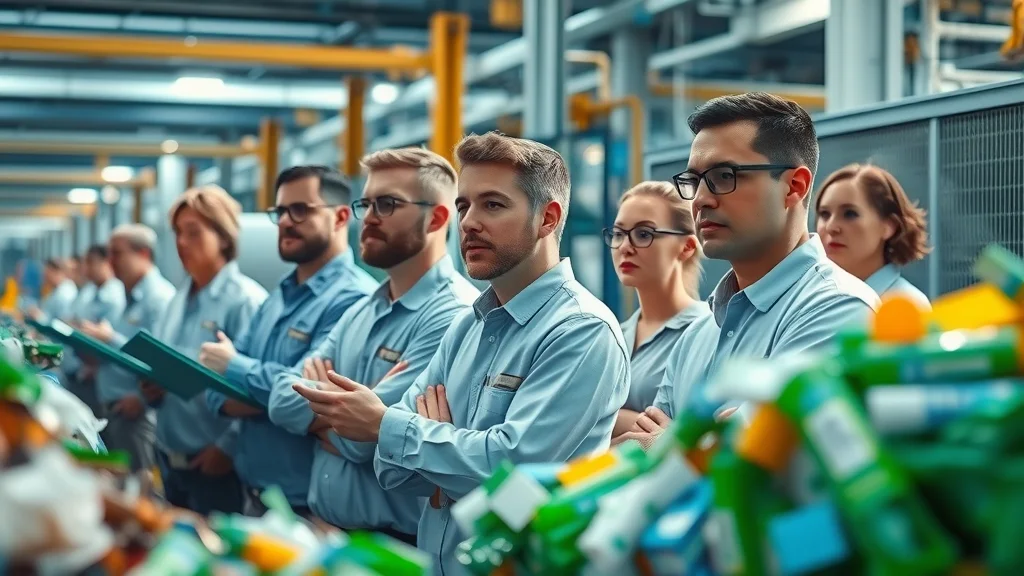
What You'll Learn About the Recycling Technology Innovation Act (H.R. 6566) and Technology Innovation
- Core objectives behind the Recycling Technology Innovation Act (H.R. 6566)
- Key facets of technology innovation and advanced recycling solutions
- Insights into the act's potential impact on American chemistry and recycling industry
- Critical perspectives on the bill’s strengths and weaknesses
Overview of the Recycling Technology Innovation Act (H.R. 6566): Legislators, Intent, and Scope
- Background: Introduction by Reps. Dan Crenshaw (R-Texas) and Gary Palmer (R-Ala.)
- What is the Recycling Technology Innovation Act?
- Primary goals for recycling technology and advanced recycling
Introduced in the House of Representatives, the Recycling Technology Innovation Act (H. R. 6566) is a federal policy solution spearheaded by Dan Crenshaw and Gary Palmer. Their vision centers on supporting new technology innovation in recycling by revisiting regulations that have, until now, lumped advanced recycling facilities into the “solid waste incineration unit” definition—a classification that has stifled investment and progress. By redefining the boundaries, the act to exclude certain advanced facilities from overly restrictive definitions fosters an environment where recycling technology innovation can thrive. This move not only incentivizes the development of advanced recycling technologies but also aligns federal policy with the push for increased demand for recycled plastic and cleaner air.

Technology Innovation at the Heart of the Recycling Technology Innovation Act
"Innovation is the engine of progress for sustainable recycling," notes the American Chemistry Council.
Technology innovation is the backbone of effective waste management and meaningful environmental change. The Recycling Technology Innovation Act encourages investment and research in advanced recycling—moving beyond basic collection and sorting to true chemical transformation of recycled plastic into high-value products. Advanced recycling technologies are at the forefront of this movement and offer new solutions to the persistent challenges of solid waste. As policies like the Clean Air Act are modernized, technology innovation will help American chemistry, reduce waste incineration, and create a circular economy for plastics.
Advanced Recycling Technologies: Transforming Waste Management
- How advanced recycling is shaping the industry
- Comparison of traditional vs. advanced recycling technologies
Advanced recycling technologies represent a shift from traditional “mechanical” systems—think sorting, shredding, and melting plastic—toward “chemical” and molecular level processing. This approach makes it possible to transform hard-to-recycle plastics into new material, minimizing landfill and reducing dependence on fossil fuels for fresh plastic. In comparison, traditional recycling technologies often result in downcycled products of lesser quality. Advanced recycling, supported by legislation like H. R. 6566, offers the promise of cleaner air, improved sustainability, and a boost in the demand for recycled plastic, serving both environmental and economic interests in American manufacturing.
| Feature | Traditional Recycling | Advanced Recycling |
|---|---|---|
| Types of Plastics Processed | Limited (mainly single-stream) | Wide range, including hard-to-recycle plastics |
| End Product Quality | Often lower (downcycling) | High purity, comparable to virgin plastic |
| Environmental Impact | More residual waste, air pollution from incineration | Minimal residual waste, reduced GHG emissions |
| Potential for Circular Economy | Limited | Significant (true closed-loop recycling) |

American Chemistry Council and Chemistry Council: Their Support for the Recycling Technology Innovation Act
- Role of the American Chemistry Council and Chemistry Council in supporting recycling technology innovation
- Advocacy efforts and industry collaboration
The American Chemistry Council (ACC) stands out as a critical supporter and advocate for the Recycling Technology Innovation Act (H. R. 6566). As the collective voice for the chemistry industry, the ACC and related chemistry councils have prioritized the transformation of America’s recycling system through policy and science-based innovations. Their advocacy has been instrumental in educating stakeholders—from legislators to the public—about the necessity of excluding advanced recycling facilities from definitions intended for traditional waste incineration units. This collaboration between industry leaders and lawmakers fosters cross-sector innovation, mobilizes resources for research, and drives public-private partnerships aimed at scaling up effective recycling technologies that serve both the environment and American manufacturing jobs.

Opportunities and Challenges: Navigating Innovation Act Implementation
- Market opportunities for technology innovation in recycling: The Recycling Technology Innovation Act opens new markets for high-quality, recycled plastic products, providing incentives for businesses to adopt cutting-edge recycling technologies and helping to meet the growing demand for recycled plastic in packaging and products.
- Regulatory hurdles and funding questions: While the act to exclude advanced recycling facilities from stringent regulations is a policy solution, success depends on clarifying federal guidelines and securing the necessary funding to accelerate research and deployment. There’s a need to balance environmental safeguards against the risk of rolling back the Clean Air Act or inadvertently encouraging waste incineration under the definition of solid waste incineration units.
- Stakeholder opinions — critical acclaim and skepticism: Industry experts, environmental advocacy groups, and local governments are weighing in on the Recycling Technology Innovation Act (H.R. 6566). While many hail it as overdue, some worry about unintended consequences, particularly regarding the environmental impact of advanced recycling methods. Ongoing collaboration, transparency, and iterative federal policy adjustments will be crucial to ensuring the act delivers on its promise without compromise.

People Also Ask: Answering Your Key Questions on Recycling Technology Innovation Act (H.R. 6566)
[[paa]]
In-depth answers to pressing questions surrounding the Recycling Technology Innovation Act (H.R. 6566), its legislative journey, and the state of advanced recycling technologies.
What is the Recycling Technology Innovation Act (H. R. 6566)? The Recycling Technology Innovation Act is a proposed federal measure designed to support and expand the role of advanced recycling in the United States. By refining the definition of solid waste and excluding advanced recycling plants from the same regulatory framework as traditional waste incineration, it encourages technological innovation and increased recovery of recycled plastic materials. The act’s ultimate aim is to align federal policy with best practices in waste management, reduce landfill dependency, and promote a cleaner, more sustainable environment.
How does the act impact advanced recycling facilities? Under current regulations, some advanced recycling technologies are treated as solid waste incineration units, subjecting them to the same restrictions as facilities that burn waste for energy. The Recycling Technology Innovation Act (H. R. 6566) seeks to reshape this regulatory landscape—providing clear policy solutions for innovation and accelerating adoption of recycling technologies capable of handling a broader array of plastics and reducing environmental impact.
Why are organizations like the American Chemistry Council supporting the act? Industry groups such as the American Chemistry Council play a pivotal role by providing resources, research, and advocacy necessary to inform lawmakers and the public about the differences between advanced recycling and traditional waste management. Their support is vital for building a strong coalition to implement, monitor, and refine new recycling technology innovations across the country.
Video: What Sets the Recycling Technology Innovation Act (H.R. 6566) Apart?
FAQs on Recycling Technology Innovation Act (H.R. 6566) and Advanced Recycling
-
How will the Recycling Technology Innovation Act affect recycling processes?
The act enables a broader use of advanced recycling technologies, which can process more types of plastic and generate high-quality recycled materials. Facilities will benefit from clearer federal policy, greater incentives for innovation, and improved processes that reduce waste and greenhouse gas emissions, ultimately modernizing American recycling technologies nationwide. -
What are the roles of American Chemistry Council in fostering technological innovation?
The American Chemistry Council champions new recycling technology innovation by supporting research, advising policymakers, and guiding industry collaboration. Their advocacy ensures that legislative solutions foster robust and practical advancements in advanced recycling, helping to shape sustainable waste management at scale. -
How does the Act address environmental sustainability?
H.R. 6566 prioritizes lower emissions, increased recycling rates, and decreased reliance on landfilling or waste incineration. By supporting technology innovation and providing a framework for continuous improvement, the act aligns American recycling practices with pressing environmental sustainability goals.
Key Takeaways: Critical Insights on the Future of Recycling Technology Innovation Act (H.R. 6566)
- The significance of integrating advanced recycling technologies
- Influence of industry stakeholders like the American Chemistry Council
- The pivotal role of legislation in shaping future recycling technologies
Conclusion: Is the Recycling Technology Innovation Act (H.R. 6566) the Future of Sustainable Waste Management?
"Without consistent innovation and legislative support, true recycling transformation remains beyond reach." — Industry Expert

Support Recycling Innovation: Join the Movement to Make Money and Save the Planet
The Recycling Technology Innovation Act (H. R. 6566) sets a new standard: innovation and legislative action can drive real change in recycling technology and environmental stewardship. Don’t just watch this transformation—be part of it. Become an AMPLIVO / CORSAIR Plastic Independent Affiliate today to help revolutionize recycling, grow your income, and protect our planet.
As you consider the future of recycling and sustainable innovation, it’s clear that policy decisions ripple far beyond a single industry. If you’re interested in how government actions can shape the trajectory of clean energy and green jobs, take a deeper look at the impacts of political actions on offshore wind jobs in America. Exploring these broader trends can provide valuable perspective on the challenges and opportunities facing all sectors striving for a cleaner, more resilient economy. By understanding the interplay between legislation, technology, and workforce development, you’ll be better equipped to advocate for meaningful change in your community and beyond.
The Recycling Technology Innovation Act (H. R. 6566), introduced by Reps. Dan Crenshaw (R-Texas) and Gary Palmer (R-Ala. ), aims to modernize recycling regulations by providing clear federal policy for advanced recycling technologies. This legislation seeks to amend the Clean Air Act to exclude certain advanced recycling facilities from being classified as solid waste incineration units, thereby encouraging innovation and investment in the recycling sector. (congress. gov) The American Chemistry Council (ACC) has expressed strong support for this bill, highlighting its potential to boost U. S. manufacturing, drive investment, and meet the growing demand for recycled plastics. The ACC emphasizes that clear federal policy can help align regulations with modern recycling technologies, fostering a more sustainable and efficient recycling industry. (americanchemistry. com) Additionally, a coalition of 26 conservative organizations has endorsed the Recycling Technology Innovation Act, noting that it provides much-needed regulatory clarity for advanced recycling technologies. They argue that this clarity will give businesses the long-term certainty necessary to develop and succeed, ultimately supporting economic growth and environmental sustainability. (ntu. org) If you’re serious about understanding the legislative efforts to modernize recycling and their potential impact on the environment and economy, these resources will provide valuable insights.





Write A Comment