


Did you know that the global solar energy market is expected to grow by over 20% annually, overtaking many traditional power sources in speed of adoption? It’s not just about saving the planet—switching to solar offers practical, financial, and social advantages you can tap into right now. In this comprehensive guide, we dig deep into the solar energy benefits you can’t afford to overlook, from massive cost savings and energy independence to groundbreaking innovations transforming our future.
Solar Energy Benefits: A Surprising Look at the Numbers
When you think about solar energy benefits, most people picture clean rooftops and lower utility bills, but the numbers tell a much bigger story. For starters, according to the National Renewable Energy Laboratory, installing solar panels can cut the average home's carbon emissions by over 7,000 pounds every year. The solar energy industry also supports hundreds of thousands of jobs and contributes billions to local economies. Meanwhile, as fossil fuel costs rise, solar power becomes an increasingly competitive and attractive energy source, even outperforming certain fossil fuels in many regions of the United States.
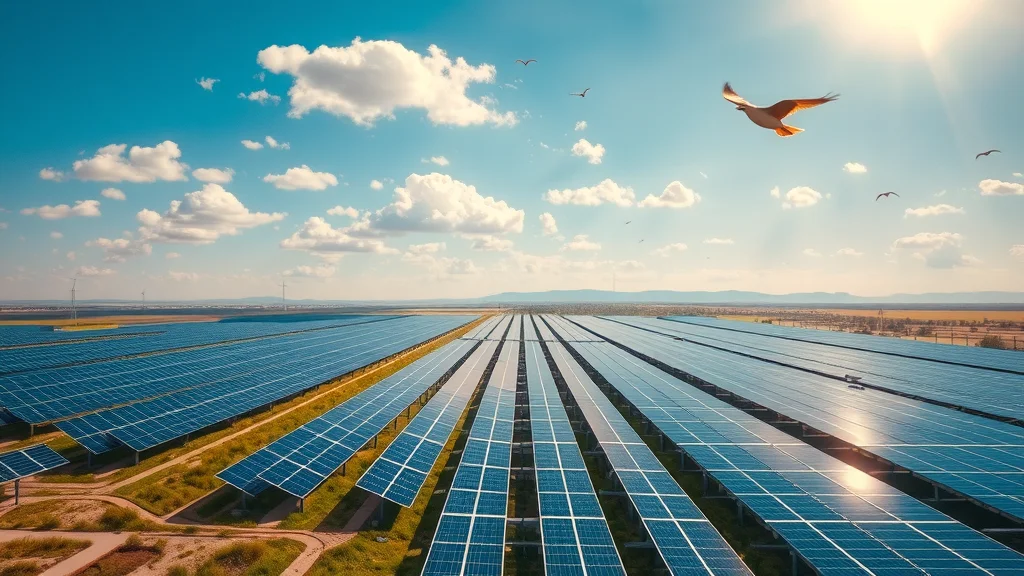
One of the key benefits of solar energy is its role as a renewable energy source. This means solar energy can be replenished naturally and used continually without depleting today’s resources or harming the environment. With advances in solar energy systems, energy independence becomes achievable for more homeowners and businesses than ever. Installing solar panels transforms your roof into a mini power plant, generating electricity, lowering your reliance on the grid, and slashing your utility bills to historic lows.
What You'll Learn About Solar Energy Benefits
Key benefits of solar energy for individuals and communities
Environmental impact, including greenhouse gas reduction
Financial savings and incentives
How to maximize residential solar advantages
Understanding Solar Energy: A Foundation for Solar Energy Benefits
To fully appreciate the benefits of solar energy, it helps to understand how solar technology works. Solar panels, often called photovoltaic panels, convert sunlight into electricity using semiconductors. As sunlight strikes the panel, electrons are knocked loose and flow through the material, generating electricity you can use right at home. This process, called the photovoltaic effect, is what makes solar panels a sustainable energy source and a powerful tool in reducing our reliance on fossil fuels.
Solar energy systems can be installed on rooftops, ground mounts, or even integrated into building materials, making them a flexible solution for nearly any property type. By generating electricity directly from the sun, you can feed excess power back into the grid, store it in batteries for use after dark, or simply reduce your regular utility bills. Whether applied in residential solar installations or across large-scale solar power plants, the result is clean energy produced locally, supporting energy independence and reducing greenhouse gas emissions on a global scale.
As the renewable energy sector continues to expand, it's important to recognize how political and economic factors can influence the growth of clean energy jobs and infrastructure. For example, recent policy changes have had significant impacts on related industries—explore how political actions have affected offshore wind jobs in America in this in-depth analysis of the Trump administration's impact on offshore wind employment.
The Environmental Solar Energy Benefits: Lowering Carbon and Greenhouse Gas Emissions
"Each kilowatt-hour of solar energy production keeps nearly 1.5 pounds of CO2 out of the atmosphere."
Perhaps the most compelling solar energy benefit is its positive impact on the environment. Solar panels don’t produce greenhouse gas emissions when generating electricity, unlike traditional power plants that rely on fossil fuels. As a result, every home or business that switches to solar energy effectively reduces their carbon emissions, contributing to cleaner air and a healthier planet. Over time, solar projects worldwide help lessen the effects of climate change and decrease our collective dependence on non-renewable resources.
In the United States and around the world, deploying more solar energy systems means fewer fossil fuels burned for energy and fewer harmful pollutants released into the atmosphere. This shift not only combats global warming but also reduces pollution-related health risks in our communities. Adopting solar energy is a meaningful way to help lower national greenhouse gas emissions, complement other renewable energy sources, and ensure a sustainable energy future for generations to come.

Solar Energy Benefits at Home: Residential Solar and Its Power
Increased property value
Energy independence
Customizable solar panel options
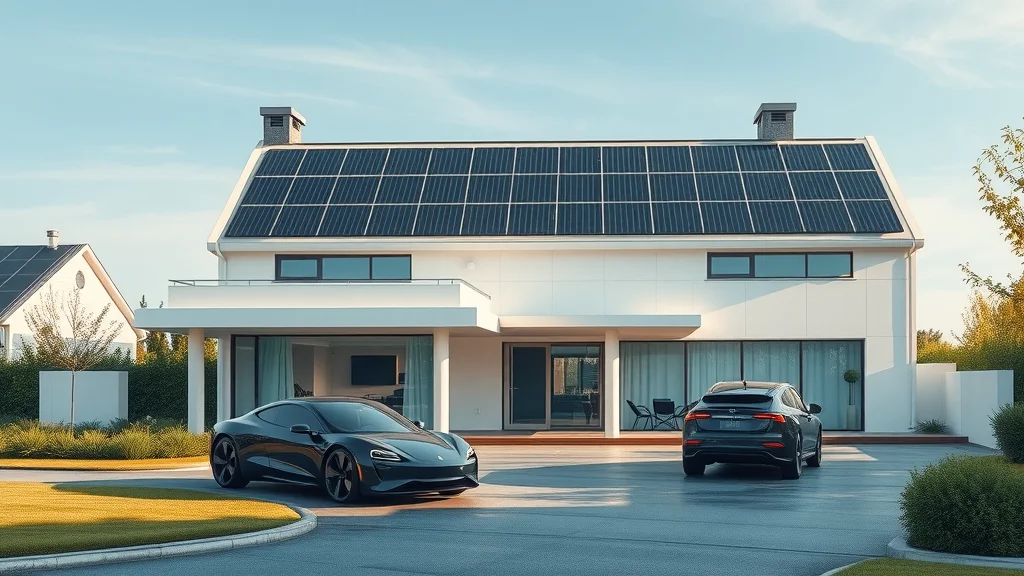
For homeowners, the benefits of solar energy go beyond eco-friendliness. Installing residential solar panels can significantly increase your property’s market value and appeal. Many buyers today are attracted to homes that feature renewable energy upgrades, seeing them as both modern and sustainable. In addition to boosting property value, solar energy contributes to household energy independence. By producing your own electricity with solar panels, you become less reliant on unpredictable grid rates and rising fossil fuel costs.
Customization is another big advantage. Modern solar energy systems can be tailored to your roof design, daily energy needs, and budget. There are sleek, low-profile solar panels for a seamless look, and integrated battery options to store surplus energy. Homeowners benefit from a wide range of incentives, including tax credits and state rebates, making the transition to solar more affordable than ever before. The result: lower bills, greater control over energy spending, and a future-proof home.
How Does Solar Power Reduce Your Energy Bills?
Solar panels generate electricity from sunlight, supplying your appliances, lights, and electronics directly with clean energy. On bright days, you can produce more power than you use—feeding the excess back into the grid and often receiving credits on your bill through a process called net metering. Over time, this results in dramatically reduced monthly utility bills, with some homeowners cutting their electric costs by 50% or more. Once your solar panels are paid off, the electricity they produce is essentially free, maximizing your return on investment and keeping more money in your pocket.
The size of your solar energy system, your household energy usage, and your local utility policies all influence how much you’ll save, but in most cases, the long-term benefits of installing solar panels make solar power a smart financial choice. Additionally, many areas now offer community solar projects and financing options that bring solar within reach for more people. By capturing the sun’s energy, homeowners are empowered to take control of their power costs, gain resilience during outages, and invest in a sustainable lifestyle.

Comparing Solar Energy Benefits with Other Renewable Energy Sources
Criteria |
Solar Energy |
Wind Energy |
Hydroelectric |
|---|---|---|---|
Upfront Cost |
Moderate – variable by system size |
High – large turbines expensive |
Very high – large infrastructure needed |
Longevity |
25–30 years average |
20–25 years average |
40+ years average |
Emissions |
Zero direct emissions |
Zero direct emissions |
Minimal emissions |
Scalability |
Flexible (from home to utility scale) |
Requires more land and wind resource |
Limited by geography and water access |
Solar energy stands out as a uniquely accessible renewable energy source. Unlike other options, solar panels can be installed on nearly any property, from urban rooftops to rural fields, with minimal disruption. Compared to wind energy, solar is easier to site in residential areas and requires less maintenance. Hydroelectric power can offer long-term, stable output but is generally limited to specific locations near water sources and involves significant environmental intervention. Solar energy's scalability makes it ideal for both personal use and large-scale solar power plant projects.
The comparison makes clear that when weighing cost, emissions, and accessibility, the solar energy benefits edge out other renewables for many property owners and communities. Adaptability, zero emissions, and straightforward installation position solar as the renewable energy source of choice for modern sustainable living.
Solar Power Plants vs Traditional Power Plants: Environmental Impact
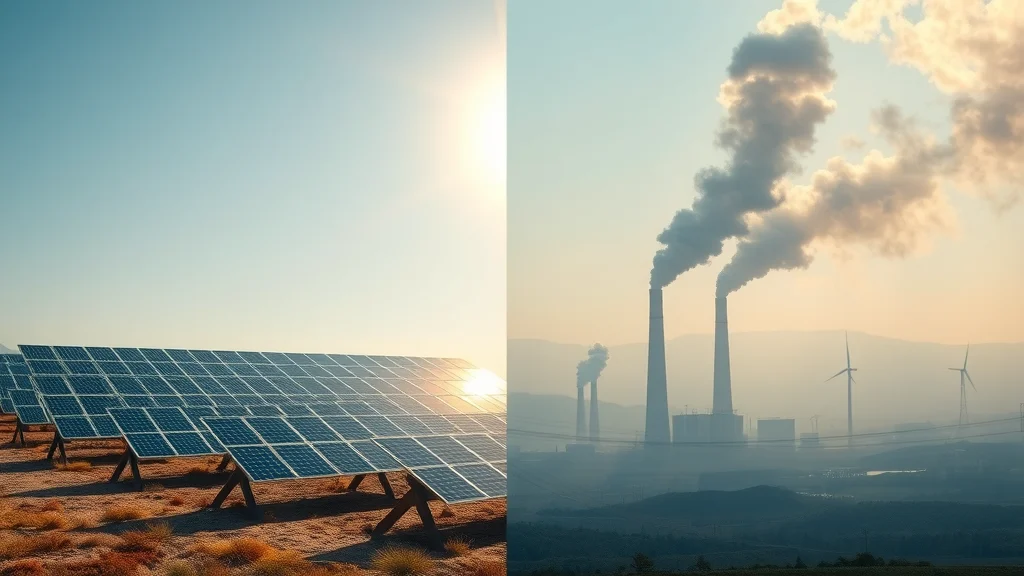
Traditional power plants, especially those powered by coal or other fossil fuels, are some of the largest sources of greenhouse gas emissions worldwide. They produce electricity by burning fossil fuels, releasing high amounts of carbon dioxide and other pollutants into the atmosphere. By contrast, solar power plants generate electricity without combusting fuels, eliminating direct emissions and dramatically reducing overall pollution. As more solar projects replace or supplement older power plants, the cumulative impact means cleaner air, fewer health problems, and a meaningful step forward in combating climate change.
In addition to lower carbon emissions, solar energy systems require less water and produce less hazardous waste than traditional power facilities. These advantages make solar power an essential part of a diversified and ethical energy system. Widespread adoption of utility-scale solar projects can help transition entire regions away from outdated and pollution-heavy energy systems, laying the groundwork for a cleaner, greener future.
The Economic Solar Energy Benefits: Savings, Incentives, and Payback
Beyond environmental impact, solar energy benefits shine in the realm of household and business finances. Homeowners using solar power regularly see dramatic drops in their monthly utility bills, and over the lifespan of solar panels, these savings can easily add up to tens of thousands of dollars. Add to that generous local, state, and federal incentives, like the solar Investment Tax Credit (ITC), and the upfront investment in solar rapidly becomes more affordable and appealing.
On average, most residential solar installations see a payback period of 6 to 10 years, after which the electricity generated is essentially free for the remainder of the system's life. For commercial solar projects, the financial model is equally compelling, with tax incentives encouraging businesses to embrace clean energy and reduce operating costs. From rebates to no-money-down financing and solar lease options, there are more ways than ever to make going solar easy and attainable, empowering everyone from homeowners to large-scale property developers to join the renewable energy movement.
Solar Panels: Key Innovations That Enhance Solar Energy Benefits
Bifacial and high-efficiency solar panels
Battery storage advancements
Smart home integration for optimal energy use
Solar panel technology evolves rapidly, and the latest innovations unlock even greater solar energy benefits. Bifacial solar panels can capture sunlight from both sides, maximizing energy harvest, while high-efficiency panels generate more electricity in less space. Battery storage advancements allow homeowners to save excess energy for use during peak demands or after sunset, improving resilience during blackouts and maximizing bill savings.
The rise of smart homes means solar energy systems can now be seamlessly integrated with intelligent lighting, heating, and appliance controls. These innovations make it easier to fine-tune energy use, lower bills even further, and reduce waste. Whether you’re upgrading an existing solar energy system or installing new panels, embracing these advances ensures you capture more value—and more energy—from every ray of sunshine.
The Future of Solar Energy Benefits: Trends and Emerging Technologies
"The next decade will see solar energy benefits become accessible to virtually every homeowner."
The solar energy landscape is evolving at a breathtaking pace. Emerging technologies, such as solar roof tiles and transparent solar panels, will soon integrate renewable energy directly into building design, making solar power a standard feature of new homes and commercial buildings. Advances in energy storage, microgrids, and artificial intelligence are poised to make solar energy more efficient and affordable than ever before.
Experts predict that as manufacturing scales and technology improves, the cost of solar panels and batteries will continue to drop—even as their performance rises. With increasing government support, wider adoption, and community-driven solar projects, it won’t be long before the benefits of solar energy are accessible to nearly every family. The future is bright, sustainable, and powered by the sun.
People Also Ask: Solar Energy Benefits Explored
What are the 5 main advantages to solar energy?
The top five solar energy benefits include: 1) Reduced electricity bills through on-site power generation, 2) Significant decrease in carbon emissions and environmental pollutants, 3) Energy independence from the utility grid and rising fossil fuel costs, 4) Increased property value and appeal for solar-equipped homes, and 5) Access to incentives, rebates, and long-term savings. These advantages make solar panels one of the most impactful clean energy solutions you can choose.
How can we benefit from solar energy?
Both individuals and communities can benefit from solar energy by installing solar panels on homes or businesses, joining community solar projects, and supporting utility-scale solar development. Direct benefits include lower energy bills, improved air quality, energy security, and contributing to a cleaner environment. Long-term, switching to solar helps reduce national reliance on fossil fuels and accelerates the global transition to renewable energy sources.
Can a house run 100% on solar?
Yes, with careful system design and the right equipment, a house can run entirely on solar energy. For full independence, you’ll need enough solar panel capacity to meet your electricity needs year-round, plus battery storage to cover nighttime and cloudy days. Many homeowners with efficient homes, smart energy use, and modern solar energy systems achieve complete grid independence or near-total self-sufficiency.
Why is my electric bill so high if I have solar panels?
High electricity bills after installing solar panels are often due to increased energy consumption, undersized systems, or changes in local utility rates and policies. Make sure your solar energy system is matched to your usage, check for inverter or panel issues, review seasonal variations in sunlight, and confirm you’re on the best net metering or billing plan. Regular system checks and customer support can help resolve most issues quickly.
Key Takeaways: Maximizing Solar Energy Benefits
Solar energy benefits extend to finances, the environment, and future-proofing homes.
Regular system checks and updating technology ensure you capture the most value from your solar panels.
Frequently Asked Questions About Solar Energy Benefits
Are solar panels worth it in cloudy climates?
Answer: Yes, even in cloudy regions, solar panels can generate substantial electricity. Modern panels are efficient, and incentives can offset reduced output. Many homeowners in overcast areas still save significantly on energy bills.What's the average payback period?
Answer: Most residential solar panel systems reach payback in 6 to 10 years, depending on system size, local electrical rates, and incentives. After that, you enjoy years of virtually free electricity.Can solar panels operate during blackouts?
Answer: Standard grid-tied systems shut off during blackouts for safety, but adding battery storage lets you use your solar energy even when the grid is down. Backup batteries are now more affordable and easy to integrate.
Ready to Experience the Benefits of Solar Energy?
Take the first step toward affordable, clean energy. Buy Your New Home With Zero Down Reach Solar Solution and make the most of all the unbeatable solar energy benefits today!
Ready to Take the Next Step?
Ready to be part of the solution?
Ready to Make a Change? Check Out the Reach Solar Review: https://reachsolar.com/seamandan/#about

Buy Your New Home With Zero Down Reach Solar Solution: https://reachsolar. com/seamandan/zero-down-homes
As you consider the many advantages of solar energy, it's clear that the transition to renewables is not just a personal choice but part of a larger movement shaping our energy future. If you're interested in understanding how broader policy decisions and government actions can influence the growth of clean energy sectors, including solar and wind, take a deeper dive into the far-reaching impacts of political actions on renewable energy jobs. Exploring these dynamics will give you a more comprehensive view of the opportunities and challenges ahead, empowering you to make informed decisions and advocate for a sustainable tomorrow. https://reachsolar.com/seamandan/zero-down-homes


Write A Comment