


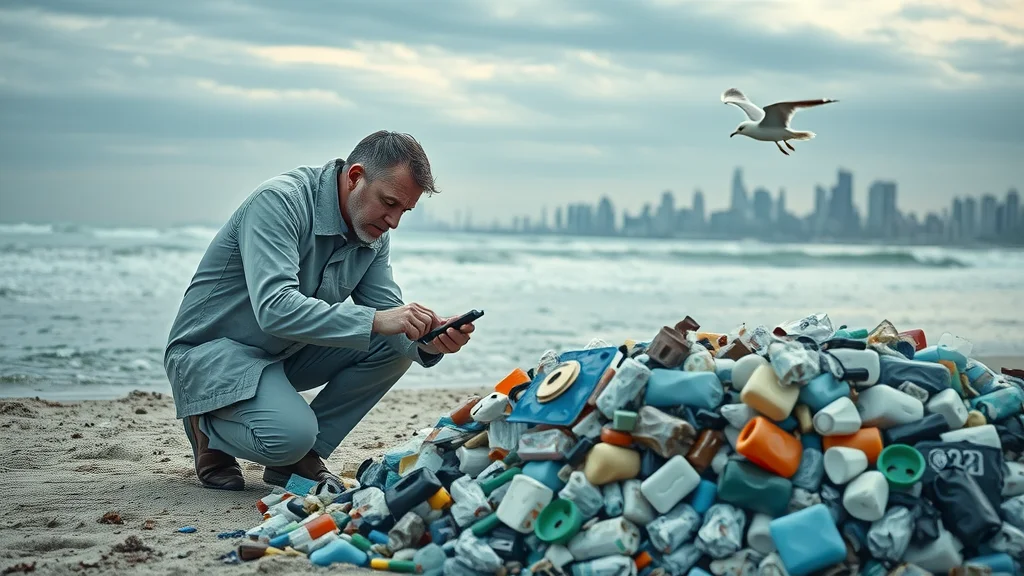
Imagine this: Over 11 million metric tons of plastic end up in our oceans every year. That’s a football field’s worth of plastic entering the water every single minute. As plastic pollution chokes our coasts and devastates marine life, the urgent need for innovation in waste management has never been clearer. Blockchain for plastic credits is emerging as a groundbreaking solution—fusing digital trust with on-the-ground action to transform how we tackle the crisis. In this article, we’ll pull back the curtain on blockchain-powered waste systems, offer up-to-the-minute opinion, and unpack if blockchain can truly turn the tide for our planet.
A Startling Look at Blockchain for Plastic Credits and Its Urgent Importance
"Over 11 million metric tons of plastic end up in the ocean every year—can blockchain for plastic credits turn the tide?"
The world is drowning in plastic waste. Traditional waste management strategies have failed to contain the rising tide of plastic pollution, and recycling credits alone have proven inadequate. As society stands at a critical crossroads, the integration of blockchain for plastic credits offers a disruptive and potentially game-changing avenue for both immediate impact and long-term solutions. Blockchain technology infuses transparency and traceability into plastic waste management systems, creating verified plastic credits for each unit of plastic collected, recycled, or offset. This revolution not only supports sustainable waste management but brings verified, traceable plastic into global focus—ensuring that every plastic credit represents real-world plastic recovery. With urgency rising, the time for action, honesty, and digital transformation in the recycling infrastructure is now.
What You'll Learn About Blockchain for Plastic Credits
- How blockchain for plastic credits enhances transparency in recycling credit systems
- The connection between plastic waste management and sustainable waste
- Real-world applications and challenges of blockchain in credit systems for plastic
- Opinion-led commentary on future policy, industry adoption, and impact
Understanding Blockchain for Plastic Credits: The Basics
Defining Blockchain for Plastic Credits and the Role of Credit Systems
Blockchain for plastic credits is a digital ledger technology that records every event in the lifecycle of plastic—collection, recycling, and credit issuance—on a secure, tamper-proof database. The heart of this system is the credit system, which lets individuals, companies, and organizations offset their plastic use by buying or earning verified plastic credits. Each plastic credit represents a specific amount of plastic waste removed or recycled, validated by blockchain smart contracts. This verified plastic can be precisely traced back to its point of recovery, eliminating the risk of double-counting or fraud that plagues traditional credit systems.
These systems echo the logic of carbon credit markets, yet are uniquely designed for the challenges of plastic waste management. By connecting all participants—from waste pickers to recyclers to manufacturers—on a single, shared digital platform, blockchain for plastic credits transforms the recycling infrastructure and delivers sustainable waste management at scale.
For a deeper dive into how political and regulatory actions can influence the adoption and effectiveness of innovative environmental solutions like blockchain for plastic credits, it's worth exploring the broader context of policy impacts on green jobs and industries. The article on why political actions threaten offshore wind jobs in America provides valuable insights into the intersection of policy, technology, and sustainability.
| Credit Type | Verified By | Traceability | Main Use | Fraud Risk |
|---|---|---|---|---|
| Plastic Credits (Blockchain) | Digital Ledger, Smart Contracts | High (Unit-level tracking) | Plastic waste recovery & offset | Low |
| Carbon Credits (Blockchain) | Blockchain Registry | High | CO2 offset, emission reduction | Low |
| Traditional Recycling Credits | Manual Paper/Electronic Records | Low | General recycling validation | High |

The Urgency of Plastic Pollution and Ineffective Waste Management
Plastic Pollution: The Challenge That Signals the Need for Blockchain for Plastic Credits
Plastic pollution is one of the gravest environmental crises of our time. Each year, millions of tons of plastics leak into our ecosystems, washing up as microplastics on coastlines and infiltrating the food chain. Despite a proliferation of recycling initiatives, the actual rates of plastic recovery remain staggeringly low, partially due to opaque reporting, unreliable tracking, and lack of global coordination. Current waste management and recycling systems—often powered by manual reporting, incomplete ledgers, and outdated tools—fall short of preventing fraudulent claims or ensuring truly traceable plastic recovery.
This is where blockchain for plastic credits can change everything. By digitally linking every piece of plastic recovered to a secure blockchain ledger, stakeholders—from recyclers to corporations—gain access to verified plastic records and credits they can trust. The ability to audit, trace, and verify every credit transforms plastic waste management into a more honest, effective, and scalable solution. Making plastic recovery transparent through blockchain isn’t just smart—it’s indispensable for achieving sustainable waste goals and rebalancing our relationship with plastics.
"We can't fix plastic waste management with yesterday's solutions. Blockchain for plastic credits is tomorrow's answer, starting today."
How Blockchain for Plastic Credits Disrupts Traditional Credit Systems
Transparency and Trust: The Advantages Over Conventional Credit Systems
- Blockchain enabling verified plastic recovery
- Eliminating double counting and fraud in recycling credit markets
- Ensuring traceability in supply chain management
Traditional credit systems for recycling are prone to manipulation, with little independent oversight and no reliable way to confirm each credit’s origin. This undercuts trust and diminishes the impact of plastic credits. Yet, when you apply blockchain technology, every step in the credit system is recorded, immutable, and accessible for validation. Smart contracts automate credit issuance only when real plastic recovery is verified, removing human error and bias from the process.
This leap in transparency places blockchain platforms several steps ahead of traditional waste management systems. Double counting and credit inflation are virtually impossible, waste recovery rates become public and auditable, and participation in the global recycling effort is no longer a leap of faith. Instead, it's grounded in digital proof, building lasting trust among corporations, consumers, and regulatory bodies.
The Connection Between Blockchain for Plastic Credits and the Circular Economy
Driving a Circular Economy Through Transparent Plastic Waste Management
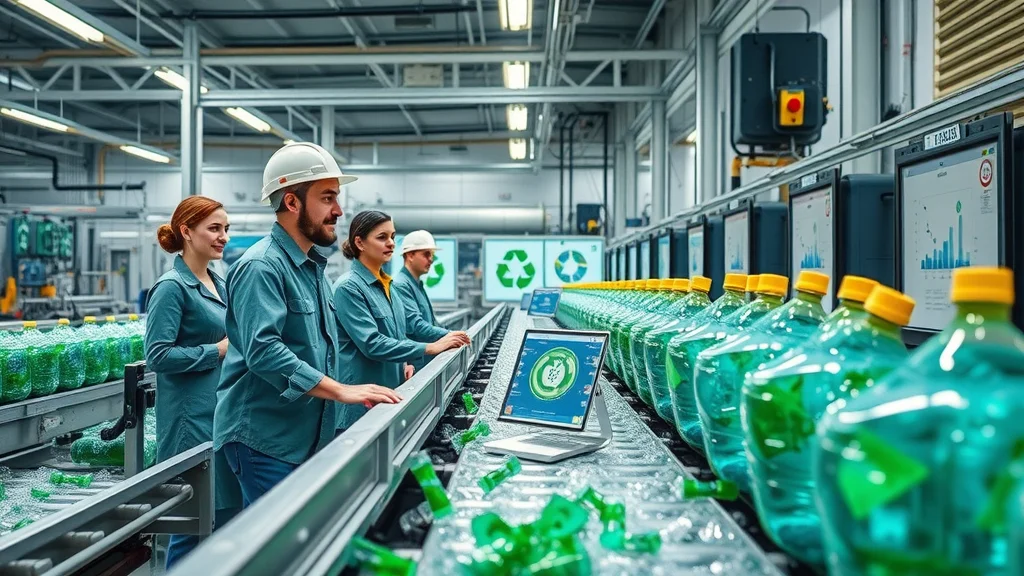
The circular economy isn’t just a buzz phrase—it’s a blueprint for our sustainable future. In this model, materials like plastic never become waste but are instead transformed, reused, or recycled in endless loops. Blockchain for plastic credits helps realize this vision by weaving transparency into every thread of the plastic recovery process. Recycling credits become more than numbers; they become digital proof that plastic is being reclaimed and reintegrated into the economy.
By closing the loop, organizations can showcase verified plastic recovery, building public faith and incentivizing further investment in sustainable waste programs. As more companies adopt blockchain-driven credit systems, the dream of a global circular economy—where waste is minimized and resources are valued—draws closer. This approach supports both environmental outcomes and the bottom line for firms aiming to demonstrate authentic sustainable waste management practices.
"Plastic bank tokens and recycling credits powered by blockchain drive a new era of ethical, traceable recovery."
Critiquing Current Recycling Credit Systems: Why Change Is Needed
Shortcomings of Traditional Plastic Credit and Recycling Credit Platforms
- Lack of transparency in plastic waste management
- Inefficiencies in credit system validation
- Barriers to global adoption and verified plastic monitoring
Many existing plastic credit and recycling credit platforms struggle with poor visibility, outdated paperwork, and inconsistent quality assurance. Manually tracked credits can be easily manipulated or lost, worsening the risk of fraud and undercutting stakeholder confidence. Without a mechanism for universal verification, these legacy systems leave too many loopholes for uncollected or unaccounted-for waste, hampering efforts to build a robust, unified recycling infrastructure.
In my opinion, only a rapid shift to blockchain for plastic credits can fix these widespread issues. Blockchain offers not just new technology, but a new standard of accountability—empowering all sectors to join a trusted, verifiable loop of plastic recovery and sustainable waste management. The future requires action, digitization, and bold thinking: there’s simply no time left for outdated solutions.

Industry Leaders Championing Blockchain for Plastic Credits
Notable Companies and the Plastic Bank Movement
- Plastic Bank
- Major waste management innovators
- Startups and NGOs pioneering credit systems for plastic recovery
The key lesson? Blockchain not only strengthens transparency but democratizes participation—letting even micro-recyclers in underserved regions plug into the global credit system as never before

Case Study Table: Comparing Blockchain For Plastic Credits Across Organizations
| Company | Program | Blockchain Approach | Impact Metrics | Lessons Learned |
|---|---|---|---|---|
| Plastic Bank | Ocean Plastic Collection | Digital token issuance, unit-level tracking | Millions of kg plastic recovered; verified credits sold to corporations | Local engagement is crucial for scaling; tech builds trust |
| GreenToken (by SAP) | Supply Chain Traceability | Secure distributed ledger for entire supply chain | Full traceability of recovered plastic; supply chain audit transparency | Partnerships with brands accelerate adoption |
| Empower | Incentive-Based Recovery | Blockchain rewards for individual collectors | Thousands of transactions with geotagged plastic recovery | Transparency boosts community participation |
People Also Ask: Essential Questions About Blockchain for Plastic Credits
What is blockchain for carbon credits?
Blockchain for carbon credits utilizes decentralized ledgers to validate, track, and securely exchange certificates for verified CO2 reductions. In the plastic credit market, similar digital systems ensure that every plastic credit corresponds to physically recovered waste. Ultimately, it’s about transparency, trust, and providing proof of environmental impact.
How to get plastic credit?
To obtain plastic credits, individuals or organizations can either participate in certified plastic recovery and recycling programs or purchase credits via authorized platforms, many of which now leverage blockchain for transparency. By supporting or funding these programs, you’re helping ensure each credit is tied to the physical recovery of plastic, making your environmental action credible and traceable.
How to use blockchain for recycling programs?
Employing blockchain for recycling programs involves implementing a secure ledger that records each phase of the recycling journey: collection, processing, issuance of credits, and redemption. Smart contracts automate verification, providing complete transparency and immutable proof that plastic waste is processed as claimed—boosting trust for all involved.
What companies are leading the way in plastik innovation?
Leading innovators include Plastic Bank, a range of waste management startups, and global corporate partners seeking to offset their plastic usage. These organizations are pushing the envelope with blockchain-driven recycling credits, verified plastic tracking, and robust digital credit systems to create meaningful, accountable impact in plastic waste management worldwide.
Breaking Down the Blockchain for Plastic Credits Model: Lists and Quick Insights
- Top 5 attributes of a strong blockchain for plastic credits platform:
- End-to-end traceability of plastic credits (unit-level)
- Fraud-proof smart contract validation
- User-friendly access for collectors, recyclers, and buyers
- Transparent, public reporting
- Interoperability with supply chain and regulatory systems
- Best practices for integrating blockchain with waste management:
- Automate credit validation via smart contracts
- Link credits directly to verifiable plastic recovery events
- Foster open data access for brands, NGOs, and local partners
- Common mistakes in adopting plastic credit systems:
- Ignoring on-the-ground stakeholder needs
- Failing to integrate with broader recycling infrastructure
- Poor usability or opaque data reporting

Key Takeaways: Blockchain for Plastic Credits—A Paradigm Shift
- Blockchain enhances transparency and trust in recycling credit systems
- Plastic waste management becomes more effective with verified, traceable credits
- Blockchain-powered credit systems foster a true circular economy for plastics
- Major industry players are validating success in real deployments
Frequently Asked Questions: Blockchain for Plastic Credits
-
What are the environmental benefits of plastic credits?
Plastic credits incentivize responsible waste management, reduce pollution, support a circular economy, and help fund recycling infrastructure globally. -
How secure are blockchain-based waste management programs?
These programs use encrypted, decentralized ledgers and smart contracts to provide highly secure and tamper-resistant tracking of all recycling credits and waste flows. -
Can blockchain for plastic credits be adopted globally?
Yes, blockchain’s decentralized nature supports cross-border integration, making it easier for companies and governments around the world to participate, standardize, and scale up recycling initiatives. -
Will blockchain for plastic credits distort recycling markets?
With appropriate safeguards, blockchain can reduce distortions by ensuring credits represent real recovery, but care is required to avoid over-crediting and maintain integrity in rapidly evolving markets.
Summary and Forward-Looking Opinion: Blockchain for Plastic Credits Will Reshape Plastic Waste Management
The transformative potential of blockchain for plastic credits is here. By uniting digital trust, traceability, and actionable metrics, the industry can overcome longstanding gaps in waste management. As regulations catch up and more stakeholders join the movement, prioritizing blockchain adoption is not just advisable—it’s essential for a cleaner planet, a resilient circular economy, and a future with less plastic pollution.
Take Action: Offer the CSR26 Plastic Credit—Make Money, Save the Planet
Ready to make a difference with blockchain for plastic credits? Get your CSR26 plastic credit and support a cleaner planet today: https://jointhecleanup
As you continue your journey toward sustainable innovation, consider how the intersection of technology, policy, and industry can shape the future of environmental solutions. Exploring the broader impacts of political decisions on renewable sectors, such as the challenges facing offshore wind jobs, can provide a strategic perspective on the systemic changes needed for true progress. By understanding these interconnected forces, you’ll be better equipped to champion advanced solutions like blockchain for plastic credits and drive meaningful change across the sustainability landscape. For a comprehensive look at how policy can accelerate—or hinder—green innovation, delve into the analysis of political actions threatening offshore wind jobs in America and discover actionable insights for the next wave of eco-innovation.


Write A Comment