


Did you know that global carbon credit markets have soared to over $851 billion in value—and yet, many experts say transparency and credibility remain major challenges? Enter the tokenization of environmental impact, a bold new movement leveraging blockchain technology to track, trade, and validate sustainability efforts with unprecedented precision
A New Era for Environmental Impact: Unveiling the Tokenization Revolution
- Tokenization of environmental impact is reshaping carbon credit systems and sustainable practices.
- Blockchain technology and digital assets are driving transformation in environmental monitoring.
- This article provides an opinion-driven lens on the opportunities and challenges in tokenization for ecological change.
"By digitizing environmental impact, we have the potential to realign incentives for the planet's benefit—even as we introduce new risks."

As climate change accelerates and greenwashing incidents make headlines, tokenization of environmental impact offers a radical shift. Imagine every carbon credit or conservation action becoming a unique digital asset, tracked in real time, providing true accountability to companies and consumers alike. Blockchain technology eliminates the opacity common in traditional carbon markets, while smart contracts enforce rules automatically, making credible sustainability not just possible—but practical.
Yet, this is no silver bullet. As with any disruptive technology, opportunities walk hand-in-hand with new threats and untested territory. Let’s explore what this revolution means for the future—not just of finance or climate policy, but for everyone who calls Earth home.
As organizations and governments increasingly look to digital solutions for environmental accountability, it’s important to recognize how political and regulatory actions can shape the success of these innovations. For example, shifts in policy can have a direct impact on the growth of green sectors, as seen in the evolving landscape of offshore wind jobs in America. To understand how external factors influence sustainable technology adoption, explore the impacts of political decisions on offshore wind employment and their broader implications for environmental progress.
What You'll Learn About the Tokenization of Environmental Impact
- How tokenization of environmental impact operates in theory and practice
- Advantages and limitations compared to traditional environmental impact methods
- The role of blockchain, smart contracts, and digital assets in promoting positive environmental outcomes
- How carbon credits, tokenized carbon, and renewable energy tie into tokenization
- Potential pitfalls, market challenges, and critical questions for the future
Understanding the Tokenization of Environmental Impact: Key Concepts
- Definition: The tokenization of environmental impact refers to transforming quantifiable ecological actions—like reducing carbon emissions or protecting forests—into blockchain-based digital tokens.
- Core Components: Blockchain technology records transactions securely and transparently; smart contracts automate rule enforcement; digital asset creation allows trading, trading, and tracking of ecological value.
- Role in Carbon Markets: Carbon credit and tokenized carbon tokens are revolutionizing how organizations participate in the evolving carbon market.
| Criteria | Traditional Approach | Tokenized Approach |
|---|---|---|
| Transparency | Opaque, prone to double-counting and fraud | High, data verified on public blockchain |
| Traceability | Poor, paper trails or siloed databases | Clear provenance for each digital asset |
| Scalability | Manual, costly, hard to scale | Automated, can handle global volume |
| Accessibility | Restricted to certain market players | Open to a broader range via digital platforms |
| Cost | High transaction and verification costs | Reduced costs enabled by automation |

To put it simply, tokenization is about creating digital tokens that represent environmental achievements. These can be recorded on a blockchain, making it easier to track, prove, and even trade actions like planting trees, producing clean energy, or producing less waste. The tokenized asset may represent a ton of CO₂ avoided, the protection of a hectare of rainforest, or even shares in a water rights project. This system seeks to solve problems of trust, accessibility, and scale that have long plagued environmental markets.
The Rise of Carbon Credit Tokenization in the Carbon Market
How Tokenized Carbon is Reshaping Environmental Impact Accounting
- Mechanics of carbon credit tokenization
- Integration with carbon market transparency
- Impact on supply chain reporting and regulation
"Tokenized carbon is not just a digital asset—it’s a bridge to more credible, verifiable climate action."
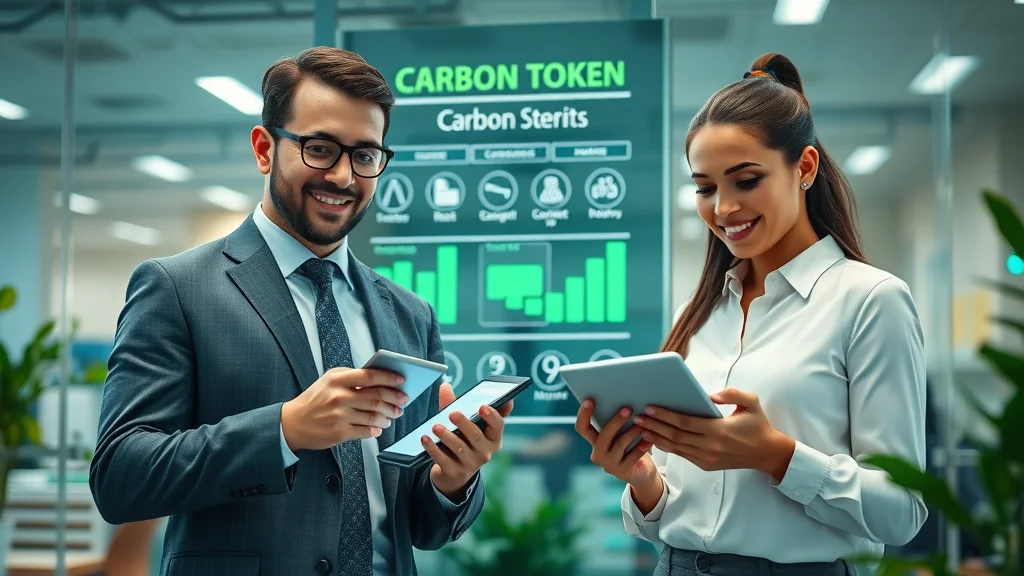
Traditional carbon credit markets have long struggled with verifying that their credits lead to real-world impacts. By leveraging blockchain technology and creating tokenized carbon credits, every step in the lifecycle of a carbon credit—from offset creation to retirement—is recorded on an immutable ledger. Companies can track their actions, and regulators and consumers can verify them instantly.
The introduction of tokenized carbon to the carbon market does more than make trading more efficient; it sets a new bar for transparency in supply chain reporting. Smart contracts can automatically enforce eligibility requirements, ensuring that credits meet necessary standards before being traded or retired. This reduces the chance for double-counting or fraudulent offset claims while also making environmental accounting more robust, helping companies prove their positive environmental impact to investors, consumers, and regulators.
From Natural Resources to Renewable Energy: Expanding the Tokenization Paradigm
Tokenization of Natural Assets and the Role of Smart Contracts
- Examples of tokenizing natural resources: forests, water, biodiversity
- Renewable energy certificates as digital assets
- Smart contracts enabling automated, auditable sustainability reporting
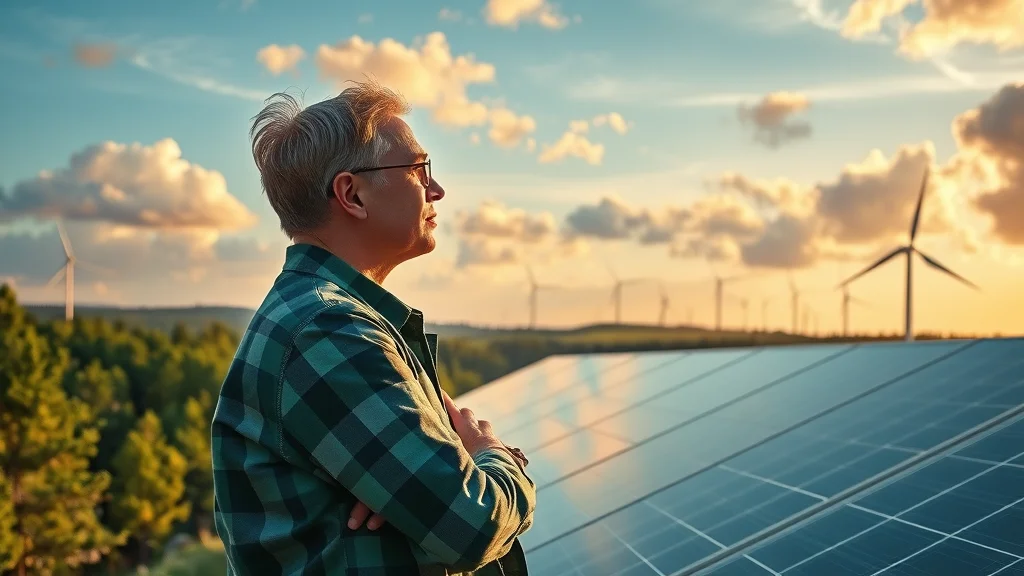
The concept of tokenization of natural resources is rapidly advancing. We’re seeing forests, wetlands, and even biodiversity “fractionally owned” through digital tokens representing shares of conservation or usage rights. This model allows communities, organizations, and even individual investors to participate directly in supporting the world’s most vulnerable ecosystems, making conservation efforts both more democratic and potentially more effective.
Parallel to this, renewable energy markets now issue blockchain-based certificates to prove the origin of green power. Smart contracts automate the data collection and reporting process—triggering the issuance or retirement of a tokenized asset (like a renewable energy credit) when a project meets specified sustainability criteria. For both carbon and natural resource markets, this leads to more auditable, streamlined reporting and a higher level of trust in positive environmental outcomes.
Blockchain Technology and Digital Asset Infrastructure for Environmental Impact
Opportunities and Risks for Positive Environmental Change
- Benefits: transparency, traceability, efficiency
- Risks: greenwashing, technical complexity, digital asset volatility
"Not all blockchains are created equal—environmental claims must be backed by robust data and sustainable practices."

The main promise of leveraging blockchain technology for environmental impact lies in creating transparent, traceable, and efficient markets. Stakeholders—from project developers to financial institutions—can verify the impact of their efforts, trade digital assets more easily, and cut down on lengthy verification audits. The potential of smart contracts to execute sustainability milestones and automate emission reductions brings new levels of credibility to these markets.
However, there are trade-offs. If not implemented carefully, the tokenization of environmental impact could enable greenwashing on a digital scale. Poorly designed token standards, lax oversight, or volatile digital markets might undermine trust. Technical complexity can make participation daunting for non-experts, while blockchain inefficiency or energy usage could create unintended environmental costs. Everyone—from investors to policymakers—must recognize that robust governance and accountable data are fundamental to success.
Case Studies: Tokenization in the Supply Chain and Carbon Markets
- Supply chain traceability and environmental impact tracking
- Notable projects: blockchain-based carbon credit issuance
- Industry adoption: digital asset pilots and lessons learned

Real-world adoption of the tokenization of environmental impact is already underway. Leading logistics and agricultural companies now use blockchain platforms to track the carbon emissions of their entire supply chain. These systems create digital tokens as carbon credits, renewable energy units, or proof of sustainable sourcing—giving companies and consumers a transparent window into environmental impact all the way from farm to fork or port to pork.
Notable projects include the World Bank’s blockchain-based green bond issuance and the rise of decentralized asset platforms issuing tokenized carbon credits for voluntary and compliance markets. Pilots by retail giants and technology consortia show that, with the right controls and data, tokenized asset platforms can accelerate both sustainability and regulatory compliance. Lessons learned include the need for robust verification protocols, interoperability between token standards, and ongoing education for both companies and consumers.
Expert Opinions: Is Tokenization of Environmental Impact a Game-Changer or a Gimmick?
"Tokenization of environmental impact is essential for the evolution of sustainable finance, but it can’t fix everything." – Dr. Jordan Lee, Environmental Economist
- Supporters: Innovation in sustainable practices and democratization of environmental action
- Skeptics: Oversimplification of complex ecological realities
- Middle ground: Importance of standards, governance, and verification
The debate is nuanced. Proponents argue that tokenization offers a breakthrough—a scalable way to integrate environmental incentives into global finance and supply chains. Critics warn that reducing world assets like forests or rivers to mere digital tokens risks glossing over ecological complexities. Most experts agree on the necessity for clear regulation, independent audits, and strong data standards, ensuring these technologies serve as tools for positive environmental change—not gimmicks.
Pros and Cons: Tokenization of Environmental Impact
| Pros | Cons |
|---|---|
| Greater transparency & traceability | Potential for digital greenwashing |
| Fractional ownership broadens access | Technical barriers and system complexity |
| Automated compliance with smart contracts | Market volatility and risk of fraud |
| Lower transaction costs for asset transfer | Regulatory and verification gaps |
| Supports innovation in sustainable finance | Need for robust data and ongoing oversight |

People Also Ask
What is tokenization of carbon footprint?
- Tokenization of carbon footprint creates digital tokens that represent a quantifiable reduction in carbon emissions. This system brings transparency, as each token can be traced to a real-world reduction, helping avoid double-counting and supporting more credible carbon markets.
What is tokenization of natural resources?
- Tokenization of natural resources means converting ownership or usage rights—think forests, minerals, or water—into digital tokens that can be traded or invested in. This opens new ways to fund conservation and makes real assets accessible to a larger group of people.
Is Solana bad for the environment?
- Solana uses a proof-of-stake model, making it much more energy efficient than the older proof-of-work blockchains. However, no blockchain is totally free from environmental impact; all digital infrastructure uses some natural resources.
What is an example of tokenization?
- A company may issue digital carbon credit tokens for every ton of CO₂ offset. These tokens can be traded, tracked, and retired on a blockchain platform, helping ensure authentic environmental claims.

Lists: Top Applications and Emerging Trends for Tokenization of Environmental Impact
- Tokenized carbon credits for voluntary and regulated carbon markets
- Digital asset platforms for renewable energy trading and reporting
- Supply chain management with embedded environmental provenance
- Community-driven conservation projects powered by tokenization technology

FAQs: Tokenization of Environmental Impact
-
How secure are environmental impact tokens?
Most tokens leverage secure blockchain technology, with encryption and consensus protocols to prevent tampering. However, system security depends on the quality of the blockchain and ongoing oversight. -
What standards ensure verifiability of tokenized carbon assets?
Standards like Verra’s VCS and Gold Standard, along with blockchain protocols enforcing transparency, are critical. Interoperability between standards is improving, strengthening market trust. -
How are smart contracts used to mitigate fraud in environmental markets?
Smart contracts can automate key processes, check compliance, and prevent double-counting or fraudulent token issuance—making environmental claims easier to verify. -
Can tokenization make environmental financing more accessible globally?
Yes, by lowering entry barriers and broadening participation, tokenization can democratize access to investments in sustainability projects worldwide.
Key Takeaways for the Tokenization of Environmental Impact
- Tokenization of environmental impact is rapidly evolving with both promise and pitfalls.
- Blockchain technology can facilitate transparency and efficiency, but standards and due diligence are essential.
- A balanced approach is needed to ensure digital assets support genuine sustainable practices.
Opinion: The Path Forward for Tokenization of Environmental Impact
- Regulatory frameworks and standards are crucial for long-term impact. Without governance, digital solutions risk credibility loss.
- Greater collaboration between all stakeholders—business, government, civil society—will increase trust, credibility, and verifiability.
- Continuous innovation is needed—but so too is caution, to avoid unintended environmental or social consequences.
How to Get Involved: Make Money and Save the Planet with CSR26 Plastic Credit
- Participate in climate-positive solutions by supporting the CSR26 plastic credit.
- Join the movement and help clean the planet while potentially earning income.
Conclusion: The Tokenization of Environmental Impact—A Double-Edged Sword?
- Tokenization offers new tools for tracking, trading, and incentivizing sustainable actions.
- Its ultimate value will be determined by thoughtful action, robust oversight, and a willingness to adapt.
As the landscape of environmental innovation continues to evolve, understanding the interplay between technology, policy, and market forces is essential for anyone invested in a sustainable future. The journey doesn’t end with tokenization—broader shifts in political will and regulatory frameworks can either accelerate or hinder progress in green industries. If you’re interested in how these dynamics play out in real-world scenarios, especially in sectors like renewable energy, take a deeper dive into the strategic challenges facing offshore wind jobs in America. Exploring these insights will equip you with a more holistic perspective on the opportunities and obstacles shaping the next era of environmental impact.


Write A Comment