

The Rising Tide of Wildfire Litigation
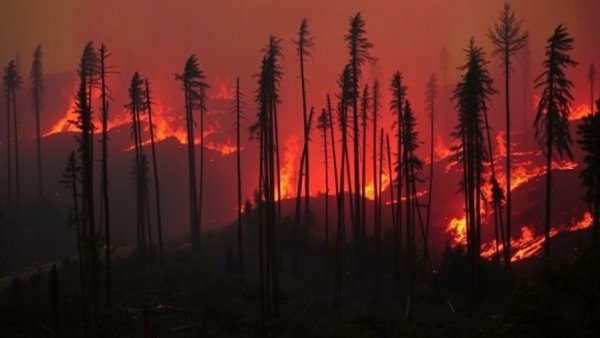
In the wake of devastating wildfires across the United States, one cannot help but notice the profound implications for both communities and the utilities responsible for equipment failure. The tragic Camp Fire in 2018, which engulfed the town of Paradise, California, serves as a striking reminder of fire's devastating potential. With 85 lives lost and over 18,000 structures destroyed, the community was left in ruins. But amidst the ashes, a new industry began to take shape—wildfire litigation.
Understanding the Impact of Utility Accountability
The Camp Fire ignited a chain reaction of lawsuits against utility providers, ultimately leading to an unprecedented settlement of $13.5 billion with Pacific Gas and Electric Company (PG&E). This settlement not only marked a financial turning point for PG&E, forcing the company into bankruptcy, but also set a precedent for holding utility companies accountable for their role in wildfire ignitions. Since then, wildfire litigation has burgeoned into a multibillion-dollar industry, recording over $18 billion in settlements across states like California, Hawaiʻi, Colorado, and Oregon.
Are Lawsuits the Answer to Fire-Related Losses?
With more than 9 million acres burned in wildfires this year alone—an amount significantly above the annual average—the pressure on utilities has intensified. Among the notable cases, residents in Colorado have taken legal action against the San Isabel Electric Association for allegedly causing the Aspen Acres Fire. These legal actions reflect a growing sentiment among homeowners that seeking compensation from utilities is a viable route to recover from losses. However, as climate change reshapes our landscapes, the sustainability of this litigious approach remains uncertain.
A Changing Climate: What’s Behind the Blazes?
The frequency of wildfires in recent decades has not surged dramatically, according to experts. Instead, it’s the intensified conditions produced by climate change that have made regions more flammable and prone to catastrophic fires. As Chris Field, a climate scientist at Stanford University, notes, while the ignition sources have remained relatively unchanged, the likelihood of small fires spiraling into devastating infernos has increased. This complicated dynamic poses serious questions about how society should respond to a growing number of fire-related catastrophes.
Community Resilience: Navigating the Aftermath of Wildfires
While litigation can help individuals obtain necessary funds for recovery, it also signals a shift in responsibility. Homeowners are increasingly depending on state-sanctioned approaches that target utilities rather than weather-related phenomena, like lightning strikes or the erratic behavior of wildfires themselves. This reliance on legal recourse effectively shifts the landscape of fire recovery and resilience for communities, placing pressure on utility companies to bolster their infrastructure and minimize risk.
The Future of Wildfire Litigation
As wildfires become a recurring aspect of life in fire-prone areas, the business of wildfire litigation is poised to expand further. With major industry players under scrutiny and communities looking for relief, it’s essential to ask how litigation can promote real change in preventing wildfires and protecting communities. The encouraging blend of regulation and legal recourse could be the key to sustainable wildfire recovery, but only if the root causes of the crisis are addressed as well.






Write A Comment