


homes installing solar panels has grown by an astonishing 34% each year? As energy costs rise and environmental concerns take center stage, more homeowners are turning to solar power home installation to save money, increase property value, and join the clean energy revolution
A Surprising Shift: The Rapid Rise of Solar Power Home Installation
Startling Fact: Solar Panels in U.S. Homes Have Grown by 34% Annually
The adoption of solar panels in residential homes is more than a mere trend; it’s a movement reshaping how Americans power their homes. Over the past decade, the annual growth rate for solar panel installation in U.S. homes has been a massive 34%. This surge is fueled by a mix of falling installation costs, expanding tax credit opportunities, and growing interest in clean energy. As a result, the image of a suburban home gleaming with solar panels is quickly becoming the new normal nationwide.
Homeowners recognize that investing in a solar power home installation means tapping into renewable resources and protecting their wallets from unpredictable utility price hikes. The movement isn’t just about installing solar panels for energy savings—it’s about future-proofing your home, boosting resale value, and standing out as an environmental steward in your neighborhood. Strong government and local incentives, backed by robust industry support, further drive solar’s meteoric rise, making it both practical and achievable for average households.

What You'll Learn About Solar Power Home Installation
- Understand the basics and benefits of solar power home installation
- Explore the types of solar panels and systems for residential use
- Learn the solar panel installation process step-by-step
- Examine tax credits, rebates, and cost savings opportunities
- Review tips for choosing a professional solar panel installation provider
Understanding Solar Power Home Installation: A Comprehensive Overview
What is Solar Power Home Installation?
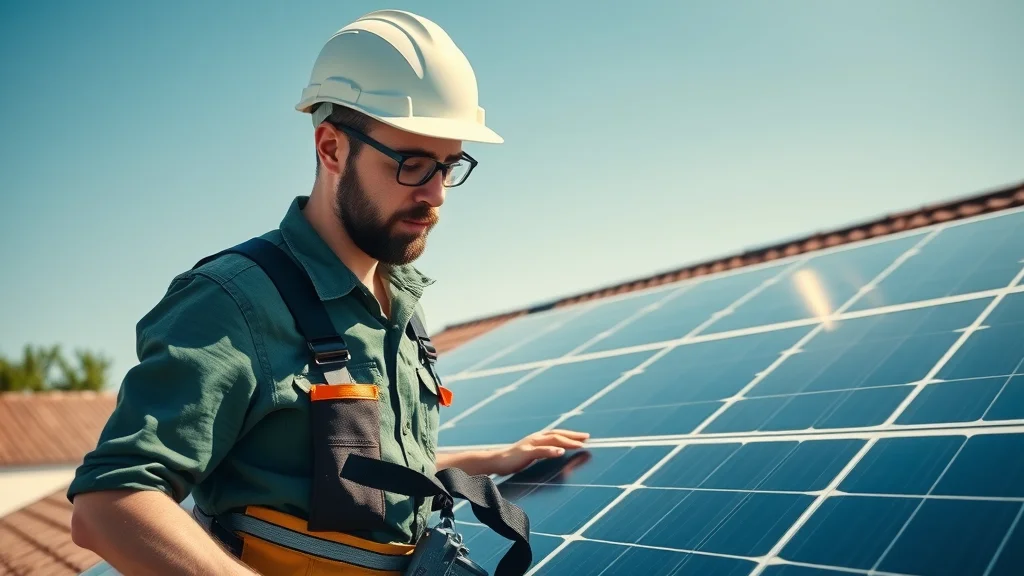
Solar power home installation refers to the process of outfitting your home with solar panels to produce renewable electricity. This involves mounting panels—usually on the roof—connecting them to an inverter and your home’s electrical panel, and integrating a smart monitoring system. Unlike simply buying green energy from the grid, installing solar panels means you can generate your own clean energy and directly control savings on your utility bills.
This setup not only reduces your energy costs but strategically positions your home as a part of the ongoing clean energy movement. With the right solar system design, your household can cover most, if not all, of its electricity needs, and even feed excess power back into the grid via net metering. Whether you choose to go fully off-grid or remain grid-tied, the installation unlocks access to long-term financial and environmental rewards.
As you consider the benefits and logistics of solar power home installation, it's also important to recognize how broader political and economic factors can influence the renewable energy sector. For example, shifts in government policy can have a significant impact on clean energy jobs and the growth of related industries, as seen in the case of offshore wind employment trends during recent political administrations.
The Growth of Solar Energy and Clean Energy in Homes
The spread of solar energy systems in American homes marks a dramatic shift toward renewable resources. As more households install solar panels, the total amount of clean energy generated increases, shrinking overall dependence on fossil fuels. Advances in technology mean today’s solar panels are more efficient, cost-effective, and easier to maintain, making solar panel installation more accessible than ever.
Homeowners are further incentivized by state and federal tax credits, solar loans, and attractive new financing models. With governments prioritizing renewable energy and utilities supporting community solar initiatives, solar’s footprint has expanded rapidly. In fact, experts agree we are living in a watershed moment for home solar adoption as policy and innovation come together to make clean, affordable energy a realistic choice for millions.
"The sun provides more energy in an hour than Earth uses in a year. Harnessing this energy is now more accessible to homeowners than ever before."
The Benefits of Installing Solar Panels for Homeowners
Reducing Electricity Bills with Solar Power Home Installation
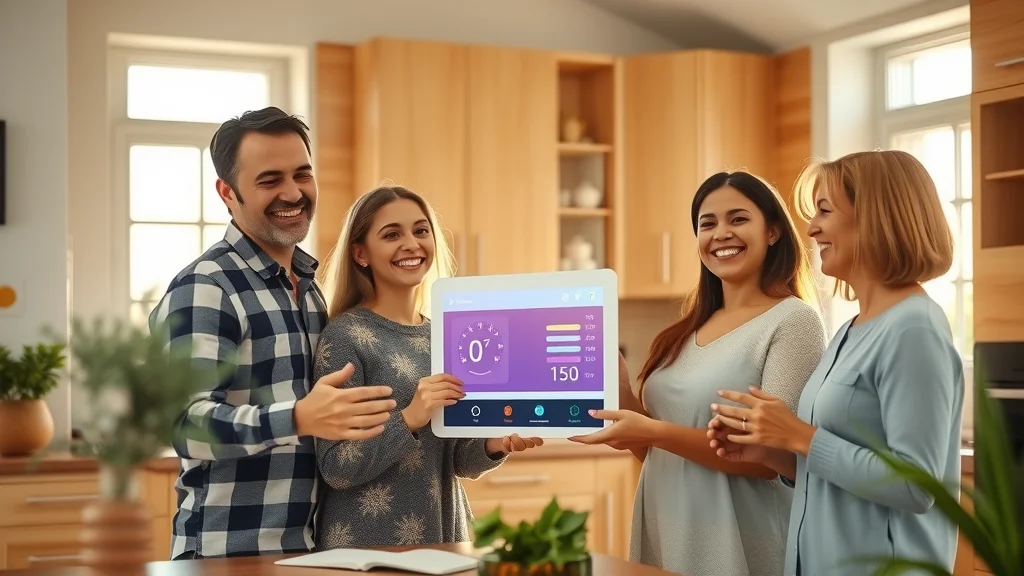
One standout benefit of a solar power home installation is its ability to help homeowners save money by reducing monthly electricity bills. Once solar panels are up and running, a significant portion of your energy needs are met through solar energy, directly cutting down what you owe your utility company. Depending on your zip code, sun exposure, and energy consumption, you may even produce a surplus, which can be sold back to the grid through net metering.
A solar loan can make the initial investment more affordable, often allowing monthly payments that are lower than previous utility costs. Over the system’s lifespan—typically 25 years or more—these cumulative savings can easily offset upfront spending. For many, installing solar is not just an eco-friendly choice; it’s a practical, money-saving strategy for the long term.
Increasing Home Value with Solar Panel Installation
Numerous studies confirm that solar panel installation boosts home value. Potential buyers are attracted to the prospect of lower energy costs and self-sufficiency. In many regional real estate markets, homes with solar panels sell faster and for higher prices than those without. Additionally, owning a renewable energy system adds prestige and market appeal, signaling that your property is both modern and cost-efficient.
A rooftop solar system, visible from the curb, sends a message that your home is forward-thinking and sustainable. This market appeal helps justify the up-front expense and often delivers an exceptional return when it’s time to sell. Today’s buyers appreciate homes with future-ready features—solar panels rank high among them.
Contributing to Clean Energy and Environmental Stewardship
Beyond personal financial benefits, your solar power home installation is a direct investment in clean energy and a healthier planet. Generating electricity from the sun dramatically reduces your household’s carbon footprint, lessening reliance on fossil fuels and advancing local sustainability initiatives. Over a typical 25-year service life, a solar panel installation can prevent tens of thousands of pounds of carbon dioxide from entering the atmosphere.
Participating in the clean energy transition also makes you part of a nationwide effort to address climate change and energy security. As more households join in, the community-wide impact multiplies, accelerating our collective shift toward renewable energy systems and a more sustainable energy future.
Types of Solar Power Systems for Home Installation
Grid-Tied, Off-Grid, and Hybrid Solar System Options
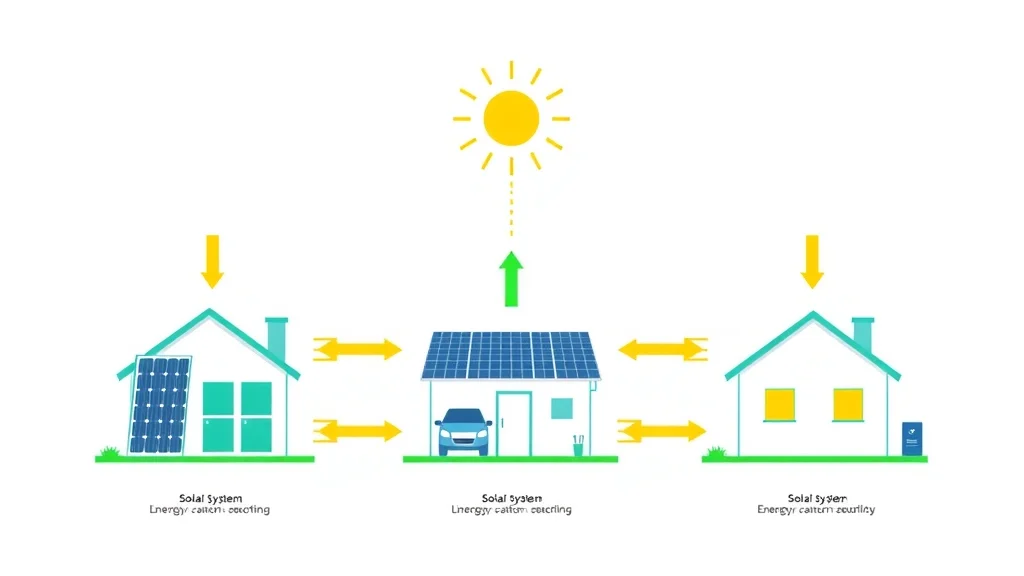
Modern homeowners can choose from three main solar system designs: grid-tied, off-grid, and hybrid. A grid-tied system connects your solar panels directly to the utility grid, allowing for easy net metering—selling surplus energy back to your utility provider. Off-grid systems, meanwhile, operate independently with battery storage, making them ideal for remote areas but requiring larger investments in equipment and maintenance.
Hybrid setups offer a best-of-both-worlds approach, staying connected to the grid while incorporating battery storage to keep the lights on during outages. Choosing the right system depends on your energy needs, location, and budget. Speaking with a qualified solar contractor about your goals is a great way to pinpoint the best solution for your household.
| System Type | How It Works | Best For | Battery Backup |
|---|---|---|---|
| Grid-Tied | Connected to the utility grid, uses net metering to sell excess energy | Homes in developed areas with reliable grid access | Optional |
| Off-Grid | Fully independent; relies on battery storage for night-time & backup | Remote locations, cabins, or homes without grid connection | Required |
| Hybrid | Combines grid-tied and battery storage for flexibility and backup power | Homes in areas with occasional outages | Built-in |
Choosing the Right Solar Panels for Your Home
Monocrystalline, Polycrystalline, and Thin-Film Solar Panels
When selecting solar panels, homeowners must understand the differences between monocrystalline, polycrystalline, and thin-film models. Monocrystalline panels are known for their high efficiency and slim profile, making them a popular choice in areas with limited roof space. Polycrystalline panels, while less efficient, offer a more affordable price point, making them appealing for budget-conscious installations.
Thin-film panels are lightweight and flexible, allowing innovative placement options but often require more rooftop area to achieve similar power outputs. Each type comes with different warranties and aesthetic considerations, so it’s crucial to weigh efficiency, price, and appearance when choosing which solar panels to install.
Efficiency and Output Comparison of Solar Panels
Efficiency is a major factor in how much power your solar power home installation can produce. Monocrystalline panels typically reach efficiencies of 20% or higher—meaning they convert about 20% of sunlight into usable electricity—setting the standard for most residential installs. Polycrystalline panels usually fall in the 15–18% range, while thin-film technologies can range from 10–13% but are improving each year.
Higher efficiency panels are ideal for smaller rooftops or when you want to maximize output in limited space. Careful comparison of panel specs, warranties, and manufacturer reputations will help ensure your solar system delivers reliable clean energy for decades to come.
Assessing Your Property for Solar Power Home Installation
Site Analysis: Roof Orientation, Angle, and Shade Factors
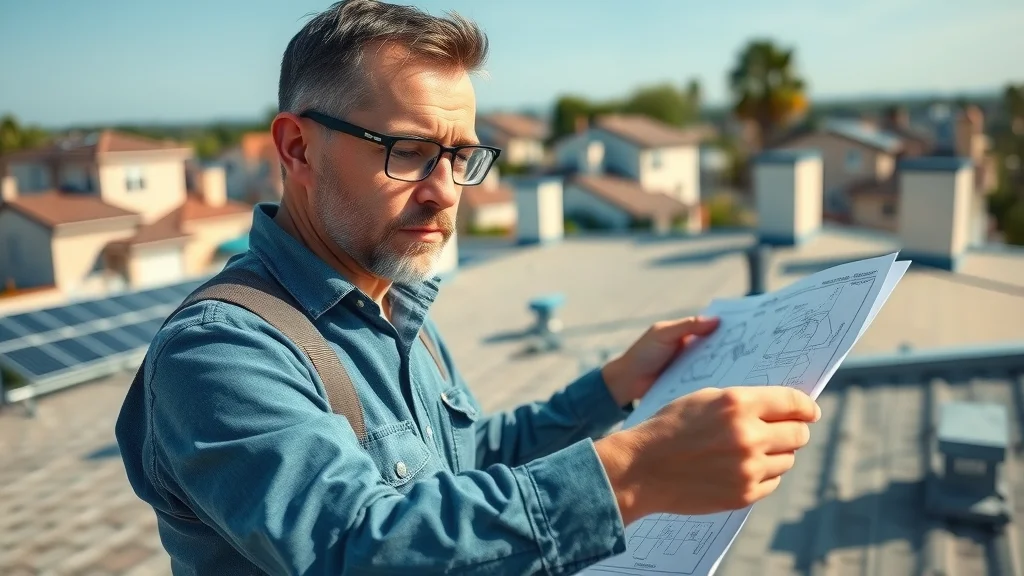
Before installing solar panels, it’s crucial to evaluate how your home’s roof size, orientation, and shading will affect system performance. Ideally, solar panels should face south (in the Northern Hemisphere) at an angle similar to your latitude for optimal sun exposure. Roofs with little to no shading from nearby trees, vents, or buildings are best suited for a successful solar panel installation.
Solar contractors may also consider alternative options—like ground mounts—if your roof isn’t ideal. A professional property assessment by a reliable solar company is a must; they’ll use tools like sun path diagrams and shading analysis to customize your installation for maximum efficiency and output, ensuring you generate your own clean energy with confidence.
Determining Your Household Solar Energy Needs
To right-size your solar system, your installer will analyze your past 6–12 months of electricity bills to understand your average energy costs and daily consumption. Factors like the number of residents, major appliances (such as heating and air conditioning), and future plans—like adding an electric vehicle—are all important.
Having a clear understanding of your household’s solar energy needs allows your provider to design a system that meets your current—and anticipated—usage patterns. This step not only optimizes investment but also creates an accurate projection of your savings over time.
Step-by-Step Guide to Solar Panel Installation Process
- Site assessment and energy audit
- Choosing solar panels and system design
- Obtaining permits and solar panel installation approvals
- Panel installation and electrical system integration
- Final inspection, activation, and monitoring setup
1. Site Assessment & Energy Audit: A qualified installer will inspect your roof, check shading, and evaluate your household’s energy usage patterns.
2. Choosing Solar Panels & System Design: Next, you’ll select your preferred solar panels and determine whether a grid-tied, off-grid, or hybrid system fits best.
3. Permits & Approvals: Legal compliance is key—your installer will manage permits, utility notifications, and any local incentive paperwork.
4. Panel Installation & Integration: Contractors secure the solar mounts and panels, then connect wiring to the electrical panel and inverter, integrating your new system with your home’s power.
5. Inspection, Activation, & Monitoring: After a local authority or utility verifies safe operation, your system is turned on—and monitoring tools help track performance and savings from day one.
Watch: How Solar Power Home Installation Works (Visual Guide)
Investing in Solar Power Home Installation: Cost, Savings, and Tax Credits

Typical Costs to Install Solar Panels
The typical cost to install solar panels on a home in the U.S. ranges from $15,000 to $25,000 before tax credits and local incentives. The final price depends on system size, location, panel type, and any customization such as battery storage. While this up-front investment may sound substantial, most families experience significant energy cost reductions—saving thousands over the system’s lifetime.
Financing options such as solar loans, leases, or power purchase agreements (PPA) allow homeowners to start saving with little to no money down. With the right combination of savings and tax credit claims, many homeowners recover initial installation expenses in as little as 5–7 years, after which savings continue for decades.
Federal, State, and Local Tax Credits for Solar Panel Installation
A major benefit of solar installation is eligibility for numerous incentive programs and tax credits. In the U.S., the federal Investment Tax Credit (ITC) allows you to deduct 30% of the total system cost from your tax bill. Many states and municipalities offer additional credits, rebates, or property tax exemptions—further reducing your net investment.
Eligibility requirements can vary based on your location and system type. Be sure to consult with your solar installer for the full list of local incentives in your area, so you don’t miss out on valuable money-saving opportunities.
| Incentive | Details | Potential Savings |
|---|---|---|
| Federal Investment Tax Credit (ITC) | Deduct 30% of system cost from federal taxes | Up to $7,500+ |
| State Tax Credits | State-specific deductions/credits for solar installation | Varies |
| Local Rebates | Cash rebates from utility or local government | Up to $2,000 |
| Net Metering | Sell excess energy back to the grid | Ongoing bill credits |
| Property/ Sales Tax Exemptions | Exemptions on solar equipment from taxes | ~5–10% reduction |
Financing Options for Solar Power Home Installation
Don’t let high up-front costs deter you from solar savings. Most homeowners take advantage of solar loans, which allow for manageable monthly payments, often below your previous utility bill. Solar leases and power purchase agreements (PPA) let you rent the system or buy back solar energy at a fixed rate, sometimes with no money down.
Be sure to compare options, including terms for maintenance, ownership, and end-of-contract choices. A qualified solar company will walk you through financing scenarios, ensuring you select a solar contract that meets your budget and delivers the most value over the life of your solar energy system.
Choosing a Reputable Solar Power Home Installation Provider
Questions to Ask Before Signing with a Solar Panel Installation Company
- Licensing and certification: Does the provider have the necessary credentials for solar panel installation in your region?
- Warranties and support: What kind of equipment and performance warranties will you receive?
- Reviews and references: Can the company share customer testimonials and examples of previous solar power home installations?
Choosing the right solar contractor makes all the difference. Look for providers with a strong local presence, impressive installation track records, and transparent contracts. Don’t hesitate to contact several installers for quotes, and ask detailed questions to ensure your expectations—and investment—are protected.
Common Challenges in Solar Power Home Installation—and Solutions
Weather, Regulatory, and Technical Hurdles
Every project comes with its challenges. Some homeowners face delays due to weather, permit wait times, or navigating confusing local regulations. Technical issues—like an aging roof or unique electrical setup—may require additional upgrades or adaptations. Working with an experienced, well-reviewed solar company helps you anticipate and overcome these hurdles, streamlining the installation process.
It pays to be proactive: ensure all required permits are in place, your roof is in good condition, and your chosen contractor has experience dealing with your area’s specific challenges. Good preliminary planning ensures a smooth, efficient installation with minimal setbacks.
Maintenance Tips for Reliable Solar Energy
Once your solar panels are installed, ongoing performance depends on basic maintenance. Modern systems are designed for minimal upkeep, but it’s wise to periodically check for debris, keep surfaces clear of leaves or snow, and schedule professional inspections every few years. Many solar installation companies offer maintenance packages or remote system monitoring to swiftly catch and resolve performance issues.
A well-maintained system will continue to generate clean energy efficiently for decades, protecting your upfront investment and ensuring peace of mind.
Frequently Asked Questions About Solar Power Home Installation
How much does it cost to install a solar system in your house?
Answer: The average cost for solar power home installation in the U.S. ranges from $15,000 to $25,000 before tax credits, depending on system size and location.
Can AC be run on solar power?
Answer: Yes, modern solar panels can generate enough solar energy to power air conditioning systems, provided the system is sized appropriately.
What is the 20% rule for solar panels?
Answer: The 20% rule refers to the typical efficiency threshold for solar panels, meaning the panels convert about 20% of sunlight into electricity.
What is the biggest downside to solar electricity?
Answer: The primary downside is the upfront cost of solar power home installation, though incentives and long-term savings offset this for most homeowners.
Solar Energy Storage and Nighttime Power Solutions
Key Takeaways for Your Solar Power Home Installation
- Solar power home installation offers major cost savings, energy independence, and a reduced carbon footprint
- Assess your property and choose a reputable solar panel installer to optimize benefits
- Take advantage of available tax credits and incentives
- Proper maintenance ensures lasting solar energy performance
Exploring solar power for your home is just the beginning of understanding how renewable energy shapes our future. If you're interested in the broader landscape of clean energy and how policy decisions can influence job growth and innovation, take a deeper dive into the impacts of political actions on offshore wind jobs in America. This perspective can help you appreciate the interconnectedness of solar, wind, and other renewables—and empower you to make informed choices as both a homeowner and a clean energy advocate. Stay curious and keep building your knowledge to maximize the benefits of your solar investment and support a sustainable energy future.




Write A Comment