

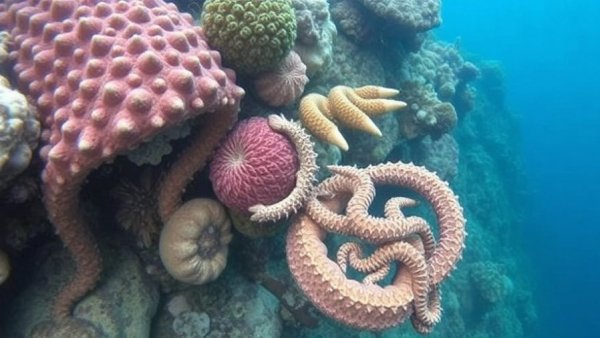
Protecting Scorpion Reef: The Heart of Marine Conservation
On a seemingly ordinary Sunday morning in September, an extraordinary mission unfolded aboard the MV Sharkwater, a vessel operated by the Sea Shepherd Conservation Society. As the sun began to rise, the crew prepared to embark on a crucial task at Scorpion Reef, part of the Alacranes Reef National Park, a vibrant marine ecosystem threatened by illegal fishing and climate change.
A Race Against Time to Protect Marine Life
With reports of an illegal fishing boat discovered anchored near Isla Desterrada, Sea Shepherd's Director of Operations, David Hance, led a pre-dawn mission to confront the offenders before they could begin fishing. The urgency of the situation was palpable as they navigated the small inflatable motorboat over the waves, fueled by a commitment to safeguard the precious marine biodiversity housed in this federally protected area.
This difficult but vital work aligns with Sea Shepherd's decades of effort in marine conservation worldwide, from battling whaling to intercepting illegal fishing operations. As ocean temperatures rise and damage to reefs escalates, Sea Shepherd’s focused initiatives on Scorpion Reef embody a fight not just for marine protection but for the survival of entire ecosystems.
The Vital Role of Coral Reefs
Coral reefs need our help more than ever—these vibrant underwater structures harbor at least 25% of all marine life, including diverse fish species that contribute to healthy ecosystems. However, experts warn that climate change, especially marine heatwaves, jeopardizes their existence, with 96% of shallow reefs heading toward collapse. To combat this, including reefs in protected areas like Scorpion Reef is essential for maintaining the balance required for coral survival.
The Importance of Community Efforts in Conservation
Effectively managed marine protected areas (MPAs) like Scorpion Reef require active involvement. The collaboration between Sea Shepherd and the Mexican Navy illustrates the importance of teamwork in defending these critical ecosystems. By employing drones for surveillance, the teams can monitor human activity in the area, respond quickly to threats, and ensure that delicate underwater habitats are shielded from illegal intrusions.
What You Can Do to Help
Anyone can contribute to marine conservation efforts! Start by reducing plastic usage, as plastic waste poses a significant threat not only to reefs but to the entire oceanic ecosystem. Simple lifestyle changes like using reusable bags, minimizing single-use plastics, and supporting marine-friendly businesses can go a long way. Stay informed about local conservation efforts, and consider participating in community clean-up events or supporting organizations working to protect marine environments.
Inspiring Stories of Local Heroes
Each mission carried out by organizations like Sea Shepherd underscores the heroes among us—those who dedicate their lives to protecting our environment. From the crew risking their safety to defend marine life to the scientists developing ways to bolster coral resilience, their stories remind us of the collective effort needed to safeguard our planet.
As we recognize the critical role of Scorpion Reef in the broader context of ocean health, it’s essential to acknowledge that protecting these areas isn't just about conservation; it's about ensuring the future of our planet. Everyone has a part to play in creating a sustainable environment for generations to come.








Write A Comment