

Add Row
Add Element
Echo-Innovation Hub Logo
update
Eco-Innovation Hub
update
Add Element
  • Home
    • Categories
      • Plastic Waste Impact
      • Eco-Tech
      • Green Living
      • DIY Sustainability
      • Innovation Spotlight
      • Expert Insights
      • Product Reviews
      • Community Voices
    • Featured Business Profiles
    • All Posts
    • Eco-Tech
    • Green Living
    • DIY Sustainability
    • Innovation Spotlight
    • Expert Insights
    • Product Reviews
    • Plastic Waste Impact
    • Community Voices
    • Featured Business Profiles
    October 09.2025
    2 Minutes Read

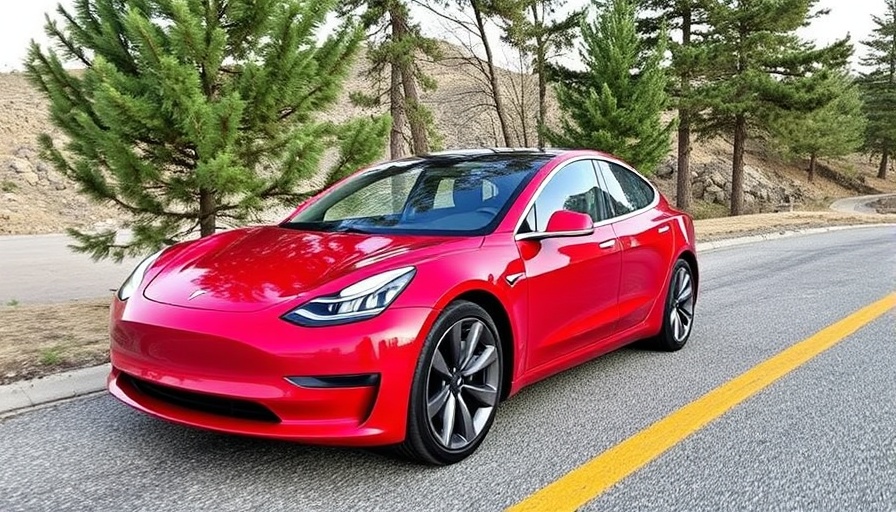
    Navigating America’s Roads: Our Tesla Model 3 Journey with Full Self Driving

    Westward Ho 2025 in Our Tesla Model 3

    Embracing Change: The Journey of Two Homes

    As summer comes to an end, many families find themselves reflecting on the joyful times spent across the country. For one family, this transition is marked not only by cherished memories at their lake house in Northern Wisconsin with four children and numerous grandchildren but also by their commitment to sustainability through electric travel. With 12 trips across America in their Tesla Model 3 over the past six years, they have mastered both the route and the technology that enables this lifestyle.

    Road Warriors: Long Road Ahead with Full Self Driving

    The couple's recent trip to Utah marked another chapter in their adventures, this time featuring the much-talked-about Full Self Driving (FSD) feature. While they have enjoyed this technology since 2019, the experience was not without its challenges. Issues like a blocked rear camera threatened to halt the FSD activation, prompting humorous yet resourceful solutions, including taping over the camera to circumvent the glitch.

    Challenges Along the Way: Navigating Technology on the Road

    The couple faced additional hurdles while utilizing the FSD on long trips. They found that too many distractions, such as tuning into their favorite playlist, could cause them to lose access to FSD, creating a frustrating tick in their otherwise smooth ride. This dilemma showcases a duality that many Tesla owners grapple with; the conveniences of modern technology versus its sometimes temperamental nature.

    The Evolution of Self-Driving Technologies

    Observations from other Tesla users and reviews, such as recent articles highlighting the feedback received during FSD's supervised iterations, emphasize how far this technology has come. For instance, models like the Tesla Model Y and Model 3 are boasting impressive adaptations that can navigate complex urban environments. According to a report from Chasing Cars, many aspects, such as traffic recognition and adaptive driving, are reaching a stage where they can alleviate drivers' stress, thereby revolutionizing long-distance travel.

    Insights from the Road: Stories That Matter

    These journeys are merely a reflection of broader changes in vehicle technology and consumer preferences. The stories that arise from road trips are not just about technology. They bring families closer, showcase the beauty of the American landscape, and carve out moments that can be shared for generations. As the couple enjoys their adventures, their story becomes an inspiring tale of sustainable travel, community, and family bonds.

    Eco-Tech

    1 Views

    0 Comments

    Write A Comment

    *
    *
    Related Posts All Posts
    01.18.2026

    Trump's Geothermal Energy Advocacy: Could It End Fossil Fuels' Hold?

    Update Trump's Geothermal Strategy: Embracing Renewables While Hugging Fossil Fuels As President Donald Trump embarks on his renewed term with a focus on energy independence, the U.S. geothermal industry finds itself at the forefront of a significant shift. Despite historical reliance on fossil fuels, recent policies signal a newfound support for geothermal energy, allowing it to thrive alongside traditional energy sources like coal, oil, and natural gas. What Makes Geothermal Energy So Compelling? Geothermal energy stands out as a reliable and continuous power source, providing energy 24/7, unlike solar and wind, which depend on weather conditions. Its potential to meet the rising energy demands from various sectors, such as data centers, has garnered attention. Former Energy Department officials highlight geothermal's viability, especially with the right technological innovations and regulatory support. Geothermal's Position: A Mixed Blessing? Despite the push toward geothermal, there is concern over the administration's commitment and consistency. Programs that promote geothermal technology, such as the Geothermal Power Accelerator, aim to streamline project development and reduce operational costs across 13 states. Yet, former officials voice apprehensions that inadequate funding and regulatory clarity may stifle growth. Challenging the Fossil Fuel Titans Geothermal energy is poised to challenge traditional fossil fuels by offering a cleaner, renewable alternative. Enhanced geothermal systems that leverage advanced drilling techniques, borrowed from the oil and gas sectors, can access previously unreachable geothermal resources. With investments from companies like Fervo Energy and policy backing from the Biden administration, new geothermal initiatives are expected to emerge, potentially transforming the U.S. energy landscape. A Greener Future in Utah? With significant geothermal projects underway in Utah, including the promising Cape Station, the state could become a beacon for geothermal innovation. Investments are expected to continue in states with existing geothermal reserves, paving the way for a cleaner, more sustainable future. Conclusion: The Path Forward for Geothermal As the conversation around energy policy continues, geothermal energy's ability to replace fossil fuels while delivering stable power is crucial. However, overcoming the regulatory barriers and ensuring investor confidence will be key to unlocking its full potential. As the technological landscape evolves, so too will the discussions around energy independence and sustainability in the U.S. Let's keep an eye on the evolving role of geothermal energy in this crucial transition.

    01.17.2026

    Trump's Approach Fuels China's Growing Global Influence: What It Means for Us

    Update The Rise of China Amidst U.S. Isolation As global perceptions shift, a recurrent theme has emerged: China's increasing influence stems largely from U.S. foreign policy missteps, particularly under Donald Trump's administration. A recent global survey revealed that in countries across the globe, a substantial majority expect China’s global influence to grow over the coming decade. This is particularly concerning for many U.S. allies who feel that their safety and diplomatic ties with the U.S. are under threat. Shifting Alliances in a Multipolar World Historically, America has held a dominant position on the world stage, often acting as a stabilizing force in international relations. However, recent actions, including threatening coercion towards Greenland and withdrawing from multiple international agreements, have resulted in growing skepticism regarding U.S. reliability. This skepticism is especially pronounced among European allies, many of whom now view the U.S. as either a rival or a potential adversary. In these times of turmoil, countries such as India, Brazil, and South Africa are leaning notably more towards China, often seeing it as a necessary partner in various fields, particularly in renewable energy and trade. The Consequence of America First: What It Means for Global Stability With Trump's administration advocating for an isolationist and 'America First' approach, the implications for global stability are severe. As the U.S. pulls back from international institutions and agreements, other nations are taking on a more proactive stance in formulating their foreign policies. This has created an international landscape where the reliance on traditional alliances is diminishing and the age of multipolarity is gaining traction. The findings suggest that without a cohesive and internationally collaborative approach from the U.S., the global order may tip toward greater unpredictability. Future Predictions: The Ongoing Great Power Competition The trajectory projected for U.S.-China relations indicates the possibility of increased tension. Many experts predict that as China bolsters its technological and military capabilities, the U.S. will need to reconceptualize its leadership in global governance. With existing power dynamics shifting, the Biden administration faces the challenge of regaining trust among allies while addressing rising competition from Beijing. Actions Speak Louder: The Impact of Recent Policies In his first moves of 2026, Trump escalated tensions through a controversial invasion of Venezuela, revealing his administration's aggressive strategic stance. With such actions, the U.S. has been perceived less as a beacon of democracy and more as a nation seeking dominance at the expense of others. The potential consequences are grave, with conflict forecasts predicting significant increases in battle-related deaths globally, particularly in areas where U.S. interventions occur. Conclusion: Seeking New Leadership in a Changeable World As the international landscape continues to evolve, Americans should contemplate the implications of an increasingly assertive China and the potential fragility of traditional alliances. With growing fear that America is becoming less influential, there is a need for a concerted effort towards forging ahead with sustainable foreign policies that consider environmental challenges alongside global partnerships. Understanding these dynamics not only prepares us for future shifts but can also empower individual and collective actions toward a more stable multipolar world.

    01.16.2026

    Trump's Redirecting of Pollution Control Funds: Consequences for Coal and Renewable Energy

    Update How Coal Plants Are Being Supported Amid Growing Renewable Trends In a controversial move, the Trump administration plans to redirect funding originally allocated for pollution control to revive aging coal plants, raising eyebrows among environmental advocates. As reported by Politico, this initiative not only undermines efforts to combat air pollution and climate change but also highlights a growing tension between traditional energy sources and rapidly advancing renewables. This approach, characterized by the Sierra Club's Beyond Coal Campaign Director Laurie Williams as reckless, signals a profound disregard for public health and the future of sustainable energy. Coal vs. Renewables: A Shifting Landscape The last decade has seen a dramatic shift in the U.S. energy landscape, with utilities opting to retire over 158 coal plants due to competitive pressures from more affordable and cleaner energy sources like wind and solar. This shift reflects broader trends in energy consumption, where a significant number of Americans are increasingly interested in supporting green technology. The cost-effectiveness of alternatives to coal has prompted an industry pivot, as documented by a host of studies exploring the economic benefits of transitioning to renewable energy. Environmental Implications: The Cost of Polluting Energy Redirecting funding towards coal not only impacts energy pricing but also poses substantial health risks. The Sierra Club cautions that increased pollution from coal plants will lead to more respiratory illnesses and environmental degradation. As air quality deteriorates, communities may face increased healthcare costs and reduced quality of life. Williams aptly noted that this decision contradicts any claims of prioritizing public health, indicating that the administration is favoring economic ties with the fossil fuel industry over the welfare of American citizens. Resistance from Environmental Advocacy Groups Environmental organizations have reacted vehemently against the move to prop up coal plants. As the largest grassroots environmental organization in the U.S., the Sierra Club aims to protect both the planet and public health through advocacy and activism. With millions of supporters, they are positioned to challenge this decision at local, state, and federal levels, rallying communities around more sustainable practices and advocating for cleaner energy options. The response from the Sierra Club and similar organizations will likely shape public opinion and policy discussions going forward. Future Directions: The Path Forward for Energy Policy The redirection of these funds raises urgent questions about the future of energy policy in the U.S. Experts suggest that for the country to meet its climate goals, a more strategic focus on renewable energy development and investment could yield more significant environmental benefits than preserving coal, which is becoming increasingly expensive to operate. Alternatives such as solar and wind not only offer cleaner options but foster job creation and stimulate economic growth in emerging sectors. What Citizens Can Do: Engaging in the Energy Debate As citizens, engaging in this discourse is crucial. Individuals can advocate for sustainable energy policies by contacting their representatives, participating in local environmental initiatives, and educating themselves about the benefits of renewable energy. A collective push towards cleaner alternatives could influence future legislative actions and encourage a faster transition away from polluting energy sources. This contentious issue highlights the need for informed dialogue surrounding energy choices in America. It is an opportunity for consumers to steer the conversation towards sustainability and advocate for policies that prioritize long-term environmental stewardship over short-term financial gain.

    Terms of Service

    Privacy Policy

    Core Modal Title

    Sorry, no results found

    You Might Find These Articles Interesting

    T
    Please Check Your Email
    We Will Be Following Up Shortly
    *
    *
    *

