Add Row
Add Element
Echo-Innovation Hub Logo
update
Eco-Innovation Hub
update
Add Element
  • Home
    • Categories
      • Plastic Waste Impact
      • Eco-Tech
      • Green Living
      • DIY Sustainability
      • Innovation Spotlight
      • Expert Insights
      • Product Reviews
      • Community Voices
    • Featured Business Profiles
    • All Posts
    • Eco-Tech
    • Green Living
    • DIY Sustainability
    • Innovation Spotlight
    • Expert Insights
    • Product Reviews
    • Plastic Waste Impact
    • Community Voices
    • Featured Business Profiles
    January 07.2026
    1 Minute Read

    Is the Plastic Credit System the Recycling Game-Changer?

    But is it truly a solution that will revolutionize how we manage and reduce plastic leak and plastic pollution? Let’s unlock how this system works, who’s driving it, and whether it’s the much-needed game-changer for recycling and the circular economy

    "Every minute, a garbage truck’s worth of plastic enters our oceans — the plastic credit system could disrupt this cycle."

    Unveiling the Plastic Credit System: A New Era for Plastic Waste Management

    The plastic credit system is reshaping the fight against plastic waste, promising a modern mechanism to reduce our growing plastic footprint. Unlike traditional recycling activities, this system introduces a financial and operational incentive for governments, corporations, and communities to collectively address the surge in plastic pollution. By assigning measurable value to waste collection and recycling efforts, plastic credits create a marketplace where progress in reducing plastic leakage is quantified and traded, driving innovation and accountability in a way recycling bans and taxes often fail to achieve.

    Is this approach the revolution that plastics management desperately needs, or could it introduce new risks and challenges?

    As the plastic credit system continues to evolve, it’s important to consider how political and regulatory actions can influence the success of environmental initiatives. For example, shifts in government policy have had significant impacts on other sectors, such as renewable energy—explore how political decisions have affected offshore wind jobs in America in this in-depth analysis of policy impacts on sustainable industries.

    What You'll Learn About the Plastic Credit System

    • Understand the plastic credit system and its role in waste reduction
    • Explore how plastic credits work versus traditional recycling methods
    • Assess environmental impact, producer responsibility, and the circular economy
    • Get answers to the most common plastic credit and recycling questions
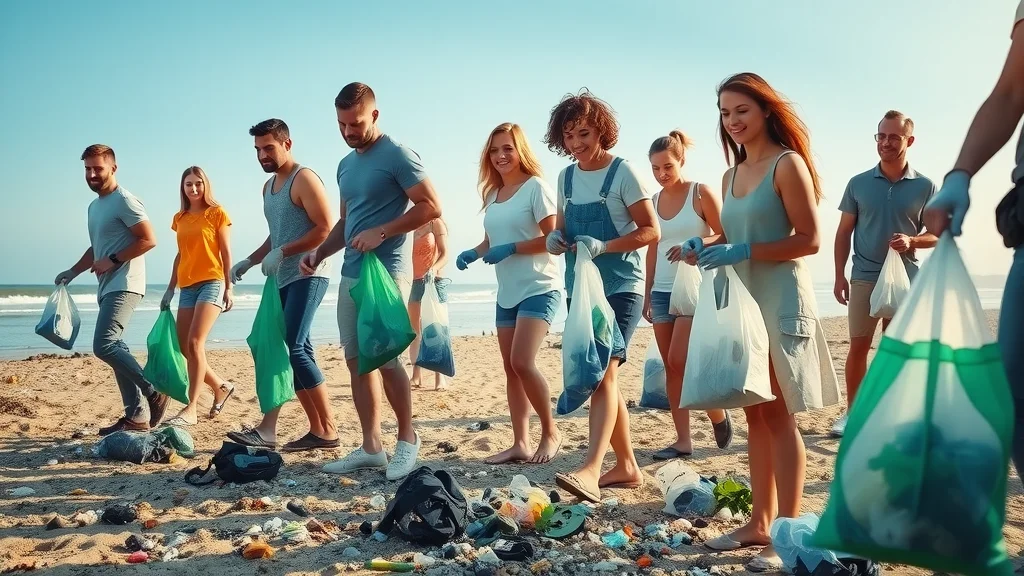
    plastic credit system beach cleanup - diverse volunteers collecting plastic waste

    What Is the Plastic Credit System?

    Definition of Plastic Credit System

    The plastic credit system is a market-based tool for waste reduction that allows organizations to offset their plastic footprint by supporting collection and recycling efforts elsewhere. Like carbon credits, each plastic credit typically represents a verifiable unit (such as a kilogram or ton) of plastic that is collected and recycled or otherwise permanently removed from the environment. Similarly, organizations can buy or trade these credits, funding projects that remove or repurpose plastics—ranging from urban waste collection to second-life recycling projects—thus compensating for the plastic the organizations put into circulation.

    In practical terms, a plastic credit assigns a measurable value to actions that prevent new virgin plastic from entering the ecosystem or that clean up existing waste, such as ocean plastic or landfill-bound plastic. These actions are often audited by independent bodies to ensure they meet a recognized plastic standard. Ultimately, the system aims to reduce the amount of plastic left unmanaged, incentivize sustainable packaging, and financially reward those driving positive environmental impact through effective waste management.

    Origins and Global Growth of Plastic Credit Systems

    The idea behind plastic credits draws inspiration from the success of carbon credit trading, which has supported climate mitigation for over a decade. As global plastic pollution has surged—growing more than 400 million tons annually—governments and private initiatives began piloting plastic credit programs in the early 2010s. The first large-scale recycling projects supported by plastic credits emerged in Asia, Africa, and Latin America, where plastic waste accumulation and management present urgent challenges.

    Fueled by consumer demand for environmentally friendly products, the plastic credit system expanded rapidly as brands like Coca-Cola and Nestle sought ways to manage their plastic footprint. Today, nearly every continent hosts platforms and non-profits trading in plastic credits, adhering to global frameworks and third-party certification. The plastic credit system continues to grow, particularly where state infrastructure for formal waste management is lacking, offering new opportunities to reduce plastic leakage and embed circular economy models.

    Plastic Credit vs. Plastic Credits: Common Terminology Explained

    The terms plastic credit and plastic credits are often used interchangeably, but distinction matters. A singular plastic credit generally refers to the unit of verified action—such as removing or recycling one kilogram of bound plastic. Plastic credits describes the broader marketplace or cumulative efforts, referring to multiple units that corporations or organizations purchase to offset their total plastic use. Understanding this terminology is crucial to navigating the discussions around credit represents, trading systems, and regulatory compliance, all vital for practical waste reduction and enhanced producer responsibility.

    How Does the Plastic Credit System Work?

    Core Mechanisms: Waste Collection and Recycling

    The core of a plastic credit system is the quantifiable process of waste collection and recycling. Accredited partners or local waste collectors collect discarded plastics from communities, urban centers, or the environment. This material is tracked and documented, then transferred to recycling facilities or projects that convert it into new products or ensure it never returns to landfills. Verification partners check whether the recycled plastic remains repurposed, replaced virgin plastic, or was permanently removed and safely managed, thereby maintaining the integrity of each issued credit.

    This system incentivizes not just the end recycling project but also strengthens the collection infrastructure—channels missing in many regions with high rates of plastic leak or plastic leakage. Innovative approaches, like digital tracking and barcoded collection, enable complete traceability and generate data for oversight. By translating collection and recycling activities into recognized credits, these mechanisms shift the financial and environmental responsibility onto organizations seeking to neutralize or reduce their plastic footprint.
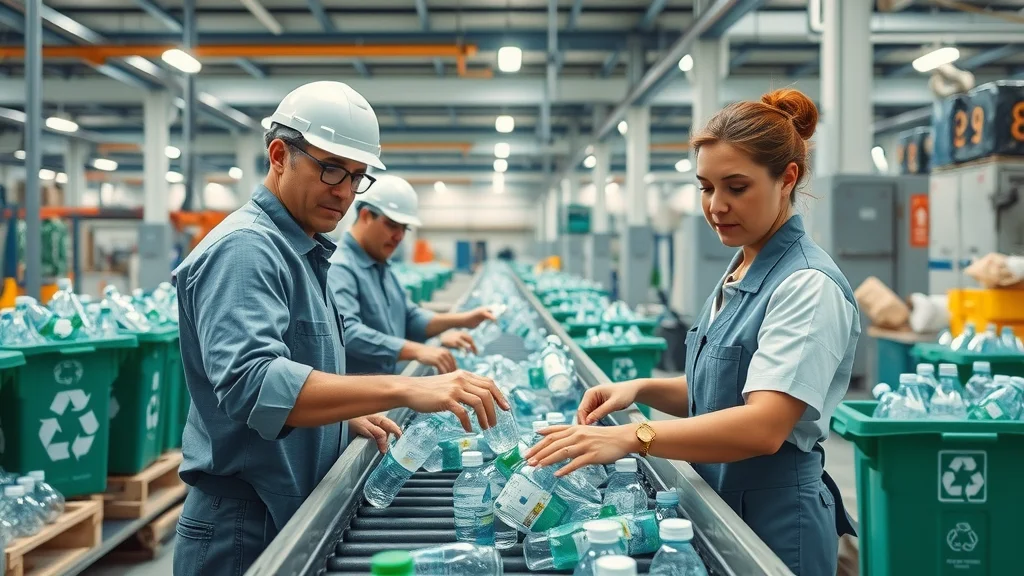
    clean industrial recycling facility plastic credit system conveyor sorting

    Certification and Verification Processes

    For the plastic credit system to work credibly, every plastic credit must be certified and verified. Certification involves setting and maintaining plastic standards—clear rules defining what counts as a genuine environmental impact. Third-party organizations, such as Verra or the Plastic Credit Exchange, audit waste collection, transport, recycling projects, and environmental outcomes. They confirm each credit represents a real, additional, and verified amount of plastic removed or recycled, ensuring no credits are double-counted or falsely reported.

    Independent verification is the backbone of trust in the system. All steps, from the initial collection to final recycling, are logged and checked regularly. Transparent documentation not only validates credits for buyers (like brands seeking sustainability goals) but also reassures regulatory bodies and the wider public that waste reduction targets are being met in line with circular economy values. This precise oversight reduces the risk of greenwashing and builds lasting confidence in the plastic credit market.

    Role of Third Parties and Regulatory Bodies

    Third-party verifiers and government regulators are essential to upholding the credibility of the plastic credit system. They design plastic standards, monitor all collection and recycling activities, and certify credits to ensure they reflect real and sustainable environmental gains. Reputable third parties often collaborate with industry groups, non-profits, and international agencies to reinforce best practices and harmonize global plastic accounting standards.

    Regulatory oversight also ensures that extended producer responsibility is embedded in law, preventing companies from using credits as a loophole for delaying real environmental progress. Such frameworks are increasingly adopted in regions grappling with high amounts of plastic waste or fast-growing economies where the pressure of plastic leakage is most severe. When governments, third-party certifiers, and civil society align, the plastic credit system can deliver transparent and consistent results—empowering both compliance and long-term circularity.

    Comparison of Plastic Credit System and Traditional Recycling Models
    Aspect Plastic Credit System Traditional Recycling
    Primary Focus Waste reduction through market-based accountability and verifiable credits Physical reprocessing of discarded plastics into reusable materials
    Financial Incentives Plastic credits can be traded, purchased, and used to offset plastic footprint Operates mainly on recycling program fees, municipal funding, and consumer participation
    Scope of Impact Global, scalable—enables organizations to support projects outside their supply chains Local/regional—limited to what’s collected, sorted, and accepted in municipal recycling
    Oversight & Transparency Third-party verified, often adheres to global standards of credit issuance Mix of local regulations, often with limited external auditing
    Integration with Circular Economy Explicitly designed to close the loop via incentives and responsibility Dependent on consumer participation and available recycling technology

    Why the Plastic Credit System Matters for Plastic Waste Reduction

    Plastic Waste: A Crisis Demanding Solutions

    The scale of plastic waste has reached crisis levels, with plastic leakage polluting not only coastlines and oceans but also rivers, soil, and air. As billions of tons of bound plastic accumulate, global plastic interventions have struggled to keep up with surging production. Traditional recycling faces countless limitations, from a lack of infrastructure to contamination, leaving only a fraction of plastics truly recycled. Here, the plastic credit system emerges as a necessary tool—transforming passive waste management into active pollution reduction.

    By monetizing responsible collection and offering new financial streams to local recyclers, the plastic credit system promises both waste reduction and improved waste management strategies. Rather than placing the burden solely on consumers or governments, it draws producers, brands, and entire industries into the fight—attaching real economic value to removing plastic from the environment. This collective approach escalates the scale and pace of change needed to avert irreversible environmental impact.

    Waste Reduction Targets: Circular Economy and Environmental Impact

    To align with the circular economy, the plastic credit system sets quantifiable waste reduction targets. These standards measure not just the tonnes of plastic collected or recycled, but also the life-cycle impact—tracking how much new plastic is avoided and how recycling projects create closed-loop systems. Each credit, then, serves as proof of measurable progress toward a world where plastics are reused, not just discarded.

    Environmental impact measurement extends beyond immediate waste removal; it considers factors like reduced need for virgin plastic, decreased carbon emissions from incineration or landfill, and the overall drop in plastic leakage into ecosystems. The system’s transparent data collection and reporting inspire confidence in eco-conscious stakeholders and make it easier to hold all parties accountable to their stated waste reduction and sustainability goals.

    Collection and Recycling: Closing the Loop

    Core to circular economy ambitions, the plastic credit system harnesses collection and recycling to “close the loop.” Rather than linear models—make, use, discard—the credit approach incentivizes circular thinking: every piece of discarded plastic becomes an opportunity for value recovery, reuse, or transformation. Waste collection and recycling activities under plastic credit schemes document precisely how much plastic is diverted from landfills or nature and where it re-enters production as new material.

    This process powers both environmental and economic benefits, equipping marginalized waste collectors, innovative social enterprises, and established recycling projects with resources that were traditionally out of reach. The result: far greater scale, transparency, and measurable impact than conventional recycling approaches—turning plastic credits into powerful levers for systemic change.

    "Plastic credits are a stepping stone towards the circular economy, but only if paired with producer responsibility and robust waste collection."

    woman examining reusable plastics plastic credit system environmental impact

    Plastic Credit System vs Carbon Credit Systems: Key Differences

    Understanding Carbon Credits

    Carbon credits are well-established tools in the climate mitigation toolkit, each representing a reduction or removal of a specified amount of greenhouse gas emissions. Like plastic credits, they provide market incentives for companies to meet environmental targets—financing renewable energy, forest conservation, and emissions reduction projects globally. Both systems rely on third-party verification to ensure environmental impact, but their mechanics and intended outcomes differ vastly.

    With carbon credits, the focus is on offsetting carbon footprints; with plastic credits, it’s reducing the physical and persistent pollution caused by plastic leakage. Although they both involve financial transactions for environmental benefit, the value chains, affected communities, and infrastructure requirements are unique to their environmental challenges.

    Comparing Environmental Impact: Plastic vs Carbon Credit

    Both credit systems play significant but distinct roles in environmental impact. Carbon credits mitigate climate change by funding activities that absorb or avoid carbon emissions, helping organizations approach “net zero.” In contrast, plastic credits specifically target the reduction of physical plastics in the ecosystem—addressing plastic leak, ocean plastic, and the negative consequences of unmanaged waste.

    While carbon credit systems predominantly impact atmospheric health, plastic credits deliver visible real-world outcomes: clearing riverbanks, cleaning up coastlines, and supporting livelihoods through inclusive waste management. Their environmental impact is more tangible and immediate, which can inspire public engagement but also requires rigorous oversight to prevent false claims or greenwashing.

    Value Chains: Collection, Recycling, and Real-world Outcomes

    The value chain in the plastic credit system centers on logistics—collection, weighing, sorting, verifying, and transforming plastic waste. Credits are issued only when plastic is demonstrably removed or recycled, ensuring that real, measurable results form the basis of every transaction. This supports recycling activities in regions where plastic waste management lags, aligning local, national, and global stakeholders toward a common goal.

    Meanwhile, carbon credits often fund projects far from the buyer’s operations, and environmental changes are measured over years or even decades. In plastic credit systems, the impacts of every credit—collected, recycled, or avoided—are tracked in weeks or months, producing a more agile response to ever-increasing waste. This immediacy can be crucial for communities plagued by plastic leakage and ongoing pollution.

    Plastic Credit System vs Carbon Credit Systems: Feature Comparison
    Feature Plastic Credit System Carbon Credit Systems
    Main Objective Reduce plastic waste and plastic leakage through incentivized collection/recycling Reduce greenhouse gas emissions via offset and mitigation projects
    Unit of Credit Kilogram/tonne of plastic collected or recycled Ton of CO2 emissions avoided/removed
    Beneficiaries Communities, local recyclers, brands, environment Climate, global societies, project developers
    Speed of Impact Immediate and visible (weeks to months) Long-term, often measured yearly
    Core Challenge Tracking, verification, leakage prevention Measurement, permanence, market pricing

    The Role of Producer Responsibility in the Plastic Credit System

    Extended Producer Responsibility (EPR): Framework and Implications

    Extended Producer Responsibility (EPR) is a regulatory framework that makes manufacturers and brands accountable for the end-of-life management of the plastics they introduce to the market. Under EPR, companies must either directly manage the collection, recycling, and disposal of their products or pay a fee to support such activities—ideally resulting in less plastic waste and reduced environmental impact.

    The plastic credit system intersects with EPR by creating flexible and verifiable ways for producers to fulfill their legal and ethical obligations. Instead of physically collecting all their waste, companies can buy plastic credits equal to their plastic usage, thus funding the necessary waste reduction elsewhere. This approach encourages a proactive attitude, prompting companies to redesign products and invest in circular plastic solutions, furthering progress toward a circular economy.

    How Major Brands and Producers Utilize Plastic Credit

    Leading brands and producers are increasingly leveraging the plastic credit system to manage their plastic footprint, comply with EPR mandates, and boost their environmental credentials. Giants like Coca-Cola, Nestle, and Unilever are at the forefront—using credits to support global recycling projects, community waste collection, and innovation in sustainable packaging. By publicly disclosing credit usage and recycling partnerships, these companies aim not only to meet regulation but also to respond to consumer demand for transparency and meaningful action.

    Such initiatives are crucial for setting industry benchmarks and motivating widespread adoption. When major players commit to comprehensive waste management strategies and visible plastic reduction, it creates ripple effects throughout the supply chain and inspires both competitors and local businesses to follow suit. In this way, the plastic credit system becomes an engine for sector-wide transformation.

    • Coca-Cola’s plastic credit initiatives
    • Nestle’s collaboration in waste collection
    • Unilever’s circular economy pilots

    corporate team discussing plastic credit system and waste targets

    Addressing Plastic Pollution: Can the Plastic Credit System Prevent Plastic Leak and Leakage?

    Plastic Leak vs Plastic Leakage: Defining Terms

    Plastic leak refers to the release of plastics into environments where they aren’t intended—most often in waterways, public spaces, or natural habitats. Plastic leakage is the broader, ongoing process by which plastics escape formal waste management channels and pollute ecosystems over time. Both phenomena undermine recycling efforts and the goals of a sustainable circular economy.

    The plastic credit system aims to intercept plastics before they leak, supporting more systematic waste collection and incentivizing actions that prevent leakage at every stage—from production and post-consumer collection to recycling and responsible disposal. By tying value to verified collection and recycling, credits ensure the amount of plastic that risks leaking is minimized at source.

    Plastic Pollution Metrics: Measuring Impact

    Quantifying plastic pollution—and the impact of interventions like the plastic credit system—is crucial for accountability. Metrics such as tonnes collected, area cleaned, and plastics diverted from landfill are standard. Advanced data tracking allows real-time mapping of plastic leak hotspots and the tracing of plastic flows from source to final reuse or disposal. These insights inform better policy, target persistent leakage sources, and demonstrate the system’s effectiveness compared to traditional waste management.

    By leveraging robust metrics, the system empowers businesses, local authorities, and civil society to measure environmental impact, communicate progress publicly, and refine approaches for greater waste reduction. Transparent data fosters public trust and encourages continuous innovation in recycling technology and waste collection strategies.

    Case Studies: Global Plastic Interventions

    Multiple countries have piloted plastic credit programs with impressive results. In Indonesia, plastic credit-backed waste collection projects have cleared thousands of tons of plastic from rivers and supported local jobs. In Kenya, credits fund community recycling centers, transforming plastic pollution into valuable resources for both environmental and economic gain. These real-world examples highlight how global plastic management can benefit local economies and ecosystems—while holding industry accountable for plastic leakage and plastic waste.

    Such case studies underscore the system’s potential as a tool for rapid, scalable plastic pollution reduction—provided rigorous oversight and ongoing stakeholder collaboration are maintained.

    Plastic Credit System and the Path to a Circular Economy

    Closing the Loop: Integrating Waste Collection and Circularity

    Achieving a full circular economy for plastics means that materials are kept in use through repeated cycles of collection, recycling, and redesign. The plastic credit system provides the financial and logistical incentives to realize this vision, ensuring plastics are valued as resources rather than waste. When integrated with circular design and extended producer responsibility, plastic credits help align the entire value chain—from manufacturing to end-of-life recovery.

    This integration encourages innovation—spurring the creation of new packaging solutions, investment in recycling infrastructure, and collaboration between sectors that previously competed rather than cooperated. As more organizations commit to closing the loop, the pace of waste reduction accelerates, driving us closer to the ultimate goal of eliminating plastic leakage altogether.

    abstract circular economy plastic credit system visualization

    Challenges in Achieving Circular Economy Goals

    While promising, the path to circularity faces notable barriers. Infrastructure for effective collection and recycling remains uneven across the globe, especially in developing regions. Financial incentives often favor the production of virgin plastic over recycling projects, challenging the growth of circular plastic economies. Moreover, public engagement and participation in sorting and collection are inconsistent, even where systems exist.

    Policy and regulation gaps can leave room for loopholes or minimal accountability, risking greenwashing or ineffective recycling. These challenges stress the need for sustained investment, robust standards, and continued efforts to educate consumers and businesses about the opportunities of the plastic credit system and the pressing need for lasting circular economy solutions.

    • Infrastructural barriers
    • Financial incentives
    • Public engagement
    • Policy and regulation gaps

    Challenges, Criticism, and Future of the Plastic Credit System

    Common Criticisms: Greenwashing and Oversight

    Critics warn that plastic credits may be used to exaggerate or misrepresent sustainability progress, a practice known as greenwashing. If not properly certified or transparently reported, credits may allow companies to sidestep direct responsibility for reducing single-use plastics or innovating in packaging. The lack of uniform global standards, inconsistent reporting, and sometimes limited third-party oversight have all drawn scrutiny.

    To combat these risks, leading certification bodies are increasing the rigor of audits and demanding full disclosure. However, ongoing vigilance from regulators and civil society is essential to ensure these systems remain trustworthy, effective, and aligned with real-world waste reduction targets.

    Limitations and Controversies in Plastic Waste Management

    The plastic credit system alone cannot solve the entire plastic waste crisis. Challenges persist in countries without basic recycling infrastructure, where low market prices for recycled plastics make scaling difficult. Some critics suggest that a focus on credits might divert attention and investment from upstream solutions like material redesign, bans, or taxes, which could drive systemic change. Others highlight the risk of credits being double-counted across projects or sold without true additional impact.

    Balancing the strengths and weaknesses of plastic credits is essential for long-term success. Stakeholders must regularly review and revise standards, invest in broader waste management strategies, and prioritize transparency to maintain progress and credibility.

    Innovation and Technology: Future-Proofing Plastic Credits

    New technologies are reshaping the future of plastic waste management and the potential of plastic credits. Blockchain-powered traceability, artificial intelligence in sorting and recycling, and advanced chemical recycling methods promise to boost efficiency and minimize leakage. Emerging platforms now offer real-time carbon and plastic tracking, providing greater transparency for both public and private stakeholders.

    As innovation continues, the next generation of the plastic credit system may offer even more powerful incentives for environmental stewardship—blending economic opportunity with measurable progress toward a world free from unmanaged plastic waste.

    technician operating advanced plastic sorting technology plastic credit system

    People Also Ask About the Plastic Credit System

    How many plastic bottles do you need to make $100?

    The number of plastic bottles required to earn $100 depends on local recycling rates and material type, but typically, plastic bottles fetch anywhere from 5 to 10 cents per pound at recycling centers. With approximately 50 PET bottles making up a pound and each pound valued at about $0.05 to $0.10, you would need 1,000 to 2,000 pounds of bottles—50,000 to 100,000 bottles—to reach $100 in most US states. Actual values vary based on regional deposit schemes and market demand for recycled plastics.

    Why is pyrolysis not widely used?

    Pyrolysis—a process that chemically breaks down plastics into fuel or raw materials—faces barriers including high operational costs, strict environmental regulations, and technological complexity. Many regions lack infrastructure or find the economics unsustainable without subsidies. Additionally, concerns about emissions, quality of end products, and competition from traditional recycling methods have limited the widespread adoption of pyrolysis in addressing global plastic waste.

    What is the difference between plastic credit and carbon credit?

    The primary difference lies in the target environmental challenge: plastic credits tackle the reduction of physical plastic waste and pollution, while carbon credits address greenhouse gas emissions. Plastic credits are tied to specific units of collected or recycled plastics, helping to mitigate plastic leakage, whereas carbon credits fund activities that offset or directly reduce atmospheric carbon. Both systems employ verification and market-based transactions to achieve environmental goals but impact different dimensions of sustainability.

    What states pay you to recycle?

    In the United States, states like California, Michigan, Oregon, and New York offer “bottle bills” or deposit schemes that pay consumers for returning eligible beverage containers, including plastic bottles. Payouts often range from 5 to 10 cents per container. These programs help improve recycling rates, reduce litter, and create local economic opportunities—principles aligned with the waste reduction ambitions of the plastic credit system.

    "The plastic credit system could become a vital tool if industry, consumers, and regulation work together."

    Frequently Asked Questions: Plastic Credit System

    • How are plastic credits generated in the plastic credit system?
      Plastic credits are generated when verified organizations collect, recycle, or permanently remove a set amount of plastic waste, as certified by third-party standards and audited by independent bodies.
    • Are plastic credits transferable internationally?
      Yes, most plastic credits are transferable and tradable on a global scale, allowing organizations to offset their plastic footprint regardless of location, provided they adhere to recognized standards and verification.
    • What role do consumers play in the plastic credit system?
      Consumers can drive demand for products and brands that support or purchase plastic credits and can enhance system impact by properly sorting waste and participating in community recycling projects.
    • Is the plastic credit system more effective than bans and taxes?
      While bans and taxes limit specific plastics or reduce incentives for wasteful use, the plastic credit system rewards actual waste reduction and recycling, encouraging innovation and broader stakeholder participation in ways bans and taxes sometimes cannot.

    Key Takeaways on the Plastic Credit System

    • The plastic credit system incentivizes responsible waste collection and recycling.
    • Robust oversight and transparency are essential for credibility.
    • Integration with circular economy principles improves long-term sustainability.
    • Collaboration across industries and regions is critical to plastic waste reduction.

    Ready to Make a Difference?

    Offer the CSR26 plastic credit - Make Money - Save the Planet: https://jointhecleanup.com/seamandan

    Conclusion: The plastic credit system holds promise as a market-driven tool for plastic waste reduction, but its success relies on transparent standards, robust oversight, and collective action toward genuine circularity.

    As you consider the future of plastic waste management, it’s clear that the effectiveness of systems like plastic credits is deeply intertwined with broader policy decisions and industry trends. Understanding how political actions can shape the trajectory of sustainable sectors is essential for anyone invested in environmental progress. For a deeper dive into the intersection of policy, innovation, and green jobs, discover how government decisions have influenced the growth and challenges of the renewable energy sector by reading about the impacts of political actions on offshore wind jobs in America. Exploring these connections can offer valuable perspective on how collective advocacy and informed policy can accelerate the transition to a truly circular and sustainable economy.

    Plastic Waste Impact

    2 Views

    0 Comments

    Write A Comment

    *
    *
    Related Posts All Posts
    01.08.2026

    How Environmental Sustainability Tokens Boost Eco Efforts

    But what exactly are these tokens, and can they truly drive real-world environmental impact? In this article, we break down how environmental sustainability tokens work, their role in the digital asset revolution, their connection with green tokens and carbon credits, and what you need to know to make a difference today A Surprising Look at Environmental Sustainability Tokens: Redefining Green Investment "Over 70% of global emissions come from just 100 companies—can environmental sustainability tokens make a dent in this statistic?" Environmental sustainability tokens are shaking up the world of green investment. Green tokens and digital tokens are making it easier for anyone—from companies to everyday individuals—to join the fight for a healthier planet. Unlike traditional investments that may lack transparency or impact, these tokens offer a new way to track, verify, and incentivize positive environmental actions. The token market is expanding its focus: not just financial returns, but measurable environmental benefit and progress towards sustainability goals. They use blockchain technology to provide real-time reporting, fostering trust and accountability that’s often lacking in conventional green initiatives. The green token revolution is attracting attention worldwide, especially as more people look for ways to back their money with positive environmental impact. What’s startling is how quickly the digital asset ecosystem is evolving, branching out from cryptocurrencies into powerful tools for climate action. As we explore the ecosystem—carbon credits, green tokens, and other environmental tokens—it's clear that digital innovation could pave the way for market-driven environmental change. But as with any innovation, challenges around transparency and greenwashing remain. Let’s delve deeper into how these technologies are transforming sustainability efforts and what you, as an investor or eco-minded individual, need to know to join the transition to a green future. As the adoption of environmental sustainability tokens accelerates, it's important to recognize how external factors—such as political decisions—can influence the growth of green industries. For example, shifts in government policy have had a direct impact on renewable energy sectors, including offshore wind, which is closely tied to the success of eco-focused digital assets. To understand how political actions can shape the future of sustainable jobs and investments, explore the impacts of recent U.S. administration policies on offshore wind jobs. Startling Trends in Digital Tokens for Environmental Impact The rise of digital tokens dedicated to environmental action is one of the most striking trends in the modern fight against climate change. From tokenizing real-world asset projects—like reforestation or renewable energy—to facilitating carbon credit trading on blockchain networks, these digital assets are being used worldwide to channel funding into sustainability projects and provide real, verifiable outcomes. The market for environmental tokens is projected to grow exponentially, fueled by a combination of heightened investor interest, increasing ESG mandates, and the urgent need for scalable climate solutions. The rapid expansion of green tokens signals not just a technological shift but also a cultural one: people now expect their investments to do more than generate profit—they want them to drive measurable progress in addressing climate change. The distributed ledger technology anchoring these tokens makes every transaction transparent, reducing fraud and fostering trust in a space long plagued by skepticism over impact claims. However, while these innovations show promise, it’s essential to keep an eye on potential pitfalls such as double-counting, authenticity, and the real energy consumption of these networks. What You'll Learn About Environmental Sustainability Tokens How environmental sustainability tokens function in modern markets Their relationship to green tokens, environmental tokens, and digital assets The digital token landscape and its eco-innovation Opportunities and controversies in the carbon credit ecosystem Key examples and case studies of environmental sustainability tokens in action Environmental Sustainability Tokens Explained Defining Environmental Sustainability Tokens and Green Tokens Environmental sustainability tokens are digital tokens designed to support, measure, and incentivize environmental projects or outcomes—everything from carbon sequestration and energy efficiency to renewable energy adoption. These tokens, including green tokens, are built on blockchain technology, creating transparent, immutable ledgers that track every unit generated and claimed. While a green token often refers to a more narrowly focused digital asset supporting green initiatives, like reforestation or renewable power, environmental tokens have a broader remit—embracing any environmental benefit or sustainability goal. In essence, tokens can represent ownership, contribution, or funding in sustainability projects, making the environmental impact visible and tradable in ways previously impossible. How Environmental Tokens Differ from Traditional Carbon Credits Traditional carbon credits are government- or third-party-certified units representing the reduction or offsetting of a certain amount of carbon dioxide. These are typically used for regulatory compliance or ESG reporting. Environmental sustainability tokens, conversely, can represent not only carbon offsets but a range of eco-initiatives—such as biodiversity projects, ocean cleanups, or investments in solar energy. By going beyond carbon credits, environmental tokens open the door for a more diverse and robust ESG investment landscape, including positive environmental impacts like habitat restoration and cleaner air or water. Another crucial distinction lies in the infrastructure: environmental sustainability tokens use blockchain and distributed ledger technologies to ensure traceability, reduce fraud, and make transactions both easier and globally accessible. Rather than relying solely on paper trails and manual audits, these tokens use digital verification and automated reporting—offering a level of transparency that’s tough for traditional carbon credit mechanisms to match. Intersection with Digital Assets and the Rise of Digital Token Solutions As digital assets and digital tokens become increasingly mainstream, environmental sustainability tokens are positioned at the intersection of fintech and climate action. This intersection is driving innovation in how environmental projects are funded, tracked, and rewarded. Digital assets can be fractional, tradable in real time, and—when built on the right platforms—verifiable to stakeholders in ways that analog solutions cannot compete with. The digital token landscape brings flexibility and scale: it allows for micropayments toward environmental projects, crowd-funded green investments, and instant reporting of outcomes. As this sector matures, expect to see more integrations between environmental action, fintech, and global policy movements supporting a transparent, sustainable future for all participants—not only institutional investors but everyday individuals, too. Comparison: Environmental Sustainability Tokens vs. Carbon Credits vs. Green Tokens vs. Digital Tokens Attribute Environmental Sustainability Tokens Carbon Credits Green Tokens General Digital Tokens Primary Purpose Support & incentivize eco outcomes Offset carbon emissions Reward/contribute to green actions Vary: utility, store value, governance, etc. Verification Method Blockchain, distributed ledger, audits Third-party/manual certifications Smart contracts/blockchain Blockchain or internal records Tradability Highly tradable, fractional Tradable, sometimes restricted Highly tradable, fractional Varies widely by type Scope Broad (carbon, biodiversity, oceans) Narrow (carbon only) Green projects specifically Any digital utility or value The Digital Asset Revolution: Environmental Tokenization and Green Crypto Environmental Sustainability Tokens as a Form of Digital Asset Environmental sustainability tokens are at the forefront of the transformation into digital assets for the green economy. These tokens, sometimes functioning as green tokens or other variants, allow investors and activists alike to participate directly in environmental projects. Their status as digital assets means they can be bought, sold, held, or even used as collateral within the DeFi (decentralized finance) ecosystem. This structure democratizes participation—making it easier for everyone to fund environmental project breakthroughs or support eco-initiatives worldwide. Unlike static investments or donations, these tokens offer real-time impact tracking and performance-based rewards. By using blockchain technology, environmental sustainability tokens reduce layers of bureaucracy and help ensure every transaction contributes to a transparent, collective environmental benefit. For communities and organizations seeking to scale positive environmental change, this is a crucial role digital assets fill, connecting resources directly to outcomes. How Digital Tokens Drive Transparency in Environmental Impact Transparency has long been a stumbling block for climate finance and ESG investing. Digital tokens are changing that by anchoring environmental benefit claims to public, tamper-proof ledgers. Every transaction—whether supporting renewable energy, funding a tree-planting campaign, or offsetting emissions—can be reviewed, traced, and audited on blockchain platforms. This not only helps in fostering trust among stakeholders but also curbs the dangers of greenwashing that threaten the credibility of green bond and other environmental instruments. Additionally, the use of smart contracts in digital tokens guarantees automatic compliance with predefined sustainability goals. This reduces the error and fraud risks that have hampered traditional environmental project funding. As a result, users and investors gain confidence in the authenticity and direct impact of their environmental action, capable of seeing instant proof of their contribution to a cleaner, more sustainable world. Green Tokens and Their Environmental Impact Green Tokens vs. Environmental Tokens: Key Differences and Overlaps The distinction between green tokens and more broader environmental tokens comes down to specificity and scope. Green tokens are a type of environmental token but are often focused exclusively on projects related to climate change mitigation—like carbon offset, renewable energy credits, or supporting reforestation efforts. Environmental sustainability tokens, meanwhile, might address an even wider range of outcomes, potentially targeting ecological restoration, biodiversity, clean water, or air quality improvements. Despite their differences, the overlap is significant: both types use the power of digital tokens and blockchain networks to improve transparency, increase accountability, and enable direct investment into sustainable practices. This shared foundation reinforces their value for users who want fast, secure, and verifiable contributions to the environment—no matter the particular cause they decide to champion. Do Green Tokens Truly Reduce Environmental Harm? It’s critical to look at how the underlying projects are selected: Are they backed by science and independently verified? Is the environmental benefit durable and additional? When used responsibly, green tokens can be a powerful tool to finance climate action, ensuring positive environmental impact at scale and at speed. But as the sector grows, only tokens with rigorous, transparent standards are likely to gain long-term credibility in the fight to reduce environmental harm and meet critical sustainability goals. Renewable Energy and Environmental Sustainability Tokens Linking Renewable Energy Initiatives to Digital Tokens Perhaps nowhere is the promise of environmental sustainability tokens clearer than in their ability to fund and scale renewable energy projects. Through tokenization, solar parks, wind farms, and even distributed home energy projects can be supported by many small investors instead of just a handful of institutional backers. This distributed funding model is making the transition to a green energy economy more accessible, accountable, and impactful for everyone involved. Tokenized renewable energy projects also provide digital tokens as proof of investment or contribution. These can act as tradable environmental assets, incentivizing households, communities, and corporations to ramp up their commitment to sustainable power. Investing in renewable energy has never been more innovative or inclusive, thanks to the new tools environmental digital tokens provide. Environmental Sustainability Tokens: Funding Clean Power Projects The need for clean power is at an all-time high, as countries race to meet decarbonization targets and phase out fossil fuels. Environmental sustainability tokens are enabling the direct funding of startup solar farms, expansion of wind turbines, and even the research and development of next-generation battery storage. In some models, supporters receive digital tokens in return, representing a stake in the environmental project’s future success or the quantifiable emissions reductions achieved. This approach bridges the gap between capital markets and climate action, providing real economic incentives for both environmental project developers and token holders. It’s a promising model for democratizing climate solutions and ensuring that the urgent adoption of renewable energy is matched by a transparent, verifiable funding mechanism. Carbon Credits, Carbon Tokens, and Their Role in Sustainability Understanding How Carbon Tokens and Carbon Credits Compare How environmental sustainability tokens complement or compete with carbon credits Market trends in digital token-based carbon offset solutions Carbon credits serve as the backbone of many corporate sustainability programs—they allow companies to offset emissions by funding carbon reduction projects elsewhere. Carbon tokens, powered by blockchain, represent a digital evolution of this approach. They can be tracked more transparently, transferred more easily, and even integrated into larger climate finance strategies as digital tokens. Environmental sustainability tokens, including carbon tokens, are both complementary and competitive with traditional carbon credits. They complement by bringing verification technology and market liquidity to the carbon offset space. However, as blockchain-based carbon offsets gain credibility, they may compete with traditional credits, reshaping how organizations and individuals manage their carbon footprints. As the market matures, digital assets could become the new standard for trading and retiring carbon credits, giving rise to a more efficient, trustworthy carbon economy. Challenges: Validity, Double Counting, and Transparency in Environmental Tokens With innovation comes risk. The biggest challenges for environmental sustainability tokens revolve around ensuring validity, avoiding double counting, and maintaining transparent records. Unlike centralized databases, blockchain platforms offer more security and traceability, but only if projects are properly registered and monitored. Otherwise, the risk persists that multiple tokens could be issued for the same environmental action, undermining the system’s integrity. Transparency and rigorous methodologies are key to preventing these issues. Reputable projects and platforms take extraordinary steps to eliminate fraud, including regular audits, open-source reporting, and the involvement of third-party verifiers. As the sector grows, expect even tighter standards for environmental tokens—gaining public confidence and the ability to provide real, positive environmental action on a global scale. List: Notable Environmental Sustainability Tokens and Their Outcomes Top environmental sustainability tokens by market cap Case studies of successful (and less successful) green tokens Digital asset platforms supporting environmental tokens The token market boasts several standout environmental sustainability tokens, each illustrating the diversity and potential of digital assets in driving environmental projects. Popular tokens by market cap often fund major reforestation projects or back renewable energy infrastructure, providing transparent reporting and robust third-party audits. Others, like those targeting ocean plastic removal or energy efficiency upgrades, have achieved notable scale due to their strong community backing and verified impact. However, not every project is a success. Some green tokens and digital environmental tokens have struggled due to lack of transparency, poor management, or exaggerated claims—serving as cautionary tales for investors and regulators alike. Despite these setbacks, the major takeaway is that digital asset platforms supporting environmental sustainability tokens are fostering a more active, reliable, and impactful ecosystem for green investment. The Controversy: Greenwashing and the Limitations of Environmental Tokens "Even the most innovative digital tokens can be misused—how do we separate true sustainability from eco-marketing?" Environmental Impact Assessment: Fact or Fiction? Assessing the true environmental impact of digital green tokens is a nuanced challenge. While blockchain networks promise transparency, it is sometimes difficult to verify that each environmental project achieves the claimed results. Independent audits, clear metrics, and community-driven validation processes are crucial to avoid tokens simply becoming the latest marketing trend rather than a deliverer of genuine environmental benefit. In a landscape prone to overpromising, separating legitimate environmental impact from fiction requires diligence from both investors and regulators. Ensuring that each environmental project delivers measurable, positive environmental results—not just serving as symbolic gestures—is the biggest hurdle for the sector’s long-term credibility. The Debate Over Environmental Sustainability Tokens' Effectiveness The debate over how effective environmental sustainability tokens can be spans from excitement to skepticism. Proponents celebrate their role in crowd-funding environmental change, democratizing impact, and providing new ways to track sustainability goals. Critics worry about energy consumption, greenwashing, and speculative bubbles that could undermine actual environmental benefit. As the market matures, look for further integration of standards, accountability tools, and regulation to ensure digital token investments provide real environmental action and not just promises. Stakeholders must remain vigilant, demanding transparency and proof before putting their trust—and their capital—into eco-marketed digital assets. Future of Environmental Sustainability Tokens and Global Eco Policy Digital Assets, Environmental Sustainability Tokens, and International Regulation Global policy frameworks on digital assets and environmental sustainability tokens are advancing quickly. Many countries are working on standardizing regulations to mitigate risks like greenwashing and fraud, as well as to encourage mainstream adoption of digital token solutions. International cooperation is key, since blockchain-enabled tokens know no borders and require harmonized verification standards to maximize their positive environmental impact. Expect stricter guidelines on compliance, ESG disclosures, and legitimate impact reporting to accompany environmental token rollouts. With digital assets increasingly recognized as scalable tools for climate action, international policy will shape the next generation of green investment and digital environmental initiatives worldwide. Predictions for Green Token Adoption and Environmental Impact The future for green tokens and environmental sustainability tokens is bright but dependent on three pillars: technological innovation, tough regulation to avoid abuse, and persistent public demand for transparency. Adoption rates are likely to accelerate as awareness grows—particularly if performance data and real-world case studies continue to demonstrate credible hits rather than misses. Looking ahead, digital environmental tokens are poised to become a default part of eco portfolios, crowdfunding platforms, and even everyday consumer products. Their potential to transform the world asset landscape while driving progress toward global sustainability goals is enormous—if the challenges of authenticity, double-counting, and energy efficiency are consistently addressed. People Also Ask About Environmental Sustainability Tokens What is an ESG token? Answer: An ESG token is a digital asset aligned with environmental, social, and governance (ESG) standards that aims to track, incentivize, or verify ESG compliance in companies and projects. ESG tokens may intersect with environmental sustainability tokens in their eco-components. What is the most environmentally friendly crypto? Answer: The most environmentally friendly cryptocurrencies are those that use proof-of-stake or other low-energy protocols. Some green tokens and environmental sustainability tokens claim minimal environmental impact compared to standard cryptocurrencies. What is a green token? Answer: A green token is a form of digital token specifically designed to support or incentivize environmentally friendly actions, investments, or outcomes. These overlap with environmental sustainability tokens. What are carbon tokens? Answer: Carbon tokens are digital assets that represent verified carbon offsets, credits, or allowances for carbon emissions, often using blockchain for transparency. They are a subset of environmental sustainability tokens. Expert and Stakeholder Quotes on Environmental Sustainability Tokens "Environmental sustainability tokens are not a silver bullet, but they offer a new market-driven path for corporate responsibility and eco innovation." — Dr. L. Nguyen, Digital Assets Specialist FAQs About Environmental Sustainability Tokens, Digital Assets, and Green Crypto Are all environmental sustainability tokens compliant with global standards? How can I verify an environmental token’s true impact? Which industries are best suited for adopting green tokens? Are digital tokens a secure method for environmental investing? Key Takeaways on Environmental Sustainability Tokens Environmental sustainability tokens fuse digital innovation with eco goals. Transparency and verification remain major challenges. Strong regulatory support and public awareness are essential for token adoption and positive impact. Not all green tokens deliver on their promises; due diligence is necessary. Embracing Environmental Sustainability Tokens: Responsible Investment for a Greener World How You Can Act Now With Environmental Sustainability Tokens "Make every token count: invest at the intersection of blockchain and the environment for real-world impact." Ready to Make a Positive Change? Offer the CSR26 plastic credit—Make Money–Save the Planet: https://jointhecleanup.com/seamandan Conclusion: Environmental sustainability tokens offer a promising way to support eco innovation—responsible participation, diligence, and community action can make every token truly count. If you’re inspired by the potential of environmental sustainability tokens to drive real change, consider how broader policy and economic forces can accelerate or hinder these innovations. Understanding the intersection of digital assets, renewable energy, and political action is key to making informed, future-ready decisions. For a deeper dive into how government strategies and regulatory shifts can impact the growth of green jobs and the adoption of sustainable technologies, explore the comprehensive analysis on why political actions threaten offshore wind jobs in America. Expanding your perspective on these interconnected issues will empower you to champion more resilient, impactful eco-investments in the years ahead.

    01.08.2026

    How America Is Removing Millions of Tons of Plastic From Oceans

    Did you know an amount of plastic equivalent to a garbage truck dumped every minute pours into our oceans worldwide? America plays a huge part in both this staggering problem and its necessary solution A Shocking Truth: The Scale of Plastic Pollution in America's Oceans "An estimated 8 million tons of plastic enter the world's oceans every year, and the United States is both a significant contributor and a potential leader in cleanup." The scope of plastic pollution in American waters cannot be overstated. Every year, millions of tons of plastic waste—including bottles, bags, packaging, and microplastics—are swept from rivers, coastlines, and cities into the open ocean. The nation’s extensive coasts and bustling urban centers make the United States one of the top contributors to global plastic pollution. Yet, America also holds extraordinary potential for change, leading the charge with ambitious cleanup efforts and scientific advances. Plastic debris drifting in ocean currents impacts marine life, food chains, and the marine ecosystem in profound ways. From floating plastic patches visible from space to invisible microplastics infiltrating the marine environment, the challenge is as immense as the ocean itself. Recognizing this, America’s commitment to removing this plastic pollution stands as both an environmental imperative and a beacon of hope for global action. What You'll Learn From America’s Ocean Plastic Removal Efforts How america is removing millions of tons of plastic from the open ocean The science behind plastic waste accumulation and its impact The role of the United States and international partnerships Breakthrough ocean cleanup technologies and strategies The ongoing battle against the great pacific garbage patch and similar ocean plastic accumulations The Threat of Plastic Pollution: A Deep Dive Into Ocean Plastic How Plastic Pollution Impacts Human Health and Marine Life Plastic pollution in oceans isn’t just unsightly—it’s dangerous for marine life and human health. When plastic products enter the ocean, they break down softly but never disappear. Instead, these pieces are often mistaken by marine animals—like fish, turtles, and birds—for food. Ingested plastic debris causes internal injuries and can be lethal. As more plastic moves up the food chain, it ultimately threatens human health too. Scientists now know that microplastics—tiny plastic particles created by the breakdown of larger waste—can be found everywhere: in fish, salt, and even the water we drink. This infiltration of the food chain risks exposing people to unknown toxins and chemicals long-term. Thus, reducing ocean plastic protects countless marine species, sustains healthy marine ecosystems, and directly safeguards public health. While the focus here is on ocean plastic, it's important to recognize that environmental policy decisions can have far-reaching effects on related sectors. For example, shifts in political actions can influence not only marine conservation but also the growth of renewable energy industries. If you're interested in how policy changes impact sustainable job creation, especially in areas like offshore wind, you may find this analysis on why political actions threaten offshore wind jobs in America particularly insightful. The Extent of Plastic Waste in the Great Pacific Garbage Patch "The great pacific garbage patch is now twice the size of Texas, a sobering visual of our global plastic problem." The Great Pacific Garbage Patch is the world’s largest floating collection of plastic debris, trapped by ocean currents between California and Hawaii. It is a glaring sign of the crisis: scientists estimate it now covers an area twice that of Texas, containing more than 1.8 trillion pieces of plastic and weighing around 80,000 metric tons. This dangerous accumulation poses devastation for marine animals and habitats alike. The plastics found here aren’t just bottles or bags; they include vast “ghost nets”—discarded fishing gear—microplastics, and plastic fragments from all walks of life. Every year, new tons of plastic join the patch, and its slow churn means garbage lingers for decades. America’s ongoing ocean cleanup efforts focus heavily on tackling this region, determined to shrink this massive, visible “garbage patch” for the benefit of oceans everywhere. America Is Removing Millions of Tons of Plastic From the Open Ocean: The Mission Explored The United States’ Commitment to Ocean Cleanup With national attention focused on ocean plastic pollution, the United States has stepped up as a leader in marine debris cleanup. From federal agencies like NOAA to independent initiatives, the U.S. is investing in new strategies, large-scale ocean cleanup operations, and increased funding. These programs organize vast fleets of volunteers and modern boats to directly collect floating plastic from targeted ocean zones. U.S.-based research and innovation have been critical. By deploying ocean cleanup vessels and investing in proven technologies, America is actively removing pounds of plastic from water. Not only are these efforts measured in recovered tons, but the country’s leadership inspires global cooperation—signaling that the fight against ocean plastic must be collaborative and ongoing to succeed. The Role of Government, NGOs, and Private Partnerships America’s remarkable progress is not steered by government alone. Non-governmental organizations (NGOs), private companies, and community volunteers play pivotal roles. High-profile partnerships between groups like Ocean Conservancy, The Ocean Cleanup, and government agencies accelerate research and deployment of effective solutions. These crucial collaborations launch educational campaigns, massive beach cleanups, and develop scalable cleanup technologies for the open Pacific. Grant funding, public-private partnerships, and citizen science projects have all helped remove tons of plastic waste and drive awareness. It’s this cooperative spirit across society that allows america is removing millions of tons of plastic from the open ocean to become reality, not just ambition. Advanced Ocean Cleanup Technologies Driving Change Innovative Methods for Collecting Ocean Plastic Groundbreaking technology is behind much of America’s success in battling ocean plastic. Devices like “System 002” sweep large areas of the Pacific, while Interceptors collect plastic waste from rivers before it reaches open waters. Solar-powered barriers, floating skimmers, and advanced conveyor systems have dramatically increased the amount of plastic retrieved from marine environments. What sets these methods apart is their adaptability: some target large items, others skim microplastics, and all are designed to minimize harm to marine life. By combining new inventions with time-tested tools—nets, booms, and sorting stations—these efforts ensure the broadest impact possible. The scale of america is removing millions of tons of plastic from the open ocean is truly thanks to science and ingenuity working together. Targeting the Pacific Garbage Patch and Beyond While the Great Pacific Garbage Patch draws global attention, America’s removal efforts do not stop there. Targeted missions focus on other high-impact regions, such as the North Atlantic and coastal currents off California and Florida. Data-driven mapping identifies “hotspots” where plastic debris gathers, ensuring ocean cleanup resources are always making the largest difference. Continuous innovation also allows teams to adjust methods as weather, currents, or waste composition change year to year. The result is a nimble response able to address not just the Pacific, but the mounting challenge anywhere plastic accumulates in open water—demonstrating a scalable model for clean oceans worldwide. How Pounds of Plastic Are Being Removed: By The Numbers Key Cleanup Technologies and Their Impact Technology Location/Use Pounds of Plastic Removed (Estimated) Special Features System 002 ("Jenny" by The Ocean Cleanup) Pacific Garbage Patch Up to 220,000 lbs per deployment Automated sweep, minimal marine life impact Interceptor 004 Mississippi River 100,000+ lbs annually Solar-powered, river plastic interception Community Skimmer Nets U.S. Harbors & Bays 10,000+ lbs annually (per location) Volunteer-operated, local deployment Solar-Powered Booms Urban Waterways 5,000–20,000 lbs annually Continuous operation, microplastic capture The Great Pacific Garbage Patch: America’s Biggest Challenge Understanding the Formation of the Great Pacific Garbage Patch The Great Pacific Garbage Patch wasn’t created overnight. It’s a result of natural ocean currents called gyres, which trap floating plastic and other debris in swirling, slow-moving “graveyards” of pollution. These currents collect waste carried from rivers and coastlines—even from thousands of miles away—trapping metric tons of plastic in a seemingly endless churn. Understanding how the garbage patch forms is key to fighting it. Plastic behaves differently than organic debris; it doesn’t break down, moves with wind and water, and collects into tighter, denser clusters over time. This knowledge fuels the mapping, technology deployment, and focused cleanup methods that are shrinking the garbage patch’s hold on our oceans. Case Study: Recent Successful Cleanup Efforts In just the past year, America’s ocean cleanup teams have achieved record-breaking results. The deployment of System 002 alone removed several hundred thousand pounds of plastic debris from the heart of the garbage patch. Partnering with local fishermen and international researchers, these missions reclaimed vast stretches of polluted water, reducing the dangers to marine ecosystems and marking a turning point for high-seas conservation. What made these efforts successful? It’s about combining technology, teamwork, and relentless persistence From Coast to Ocean: How the United States Manages Inland Plastic Waste Plastic Waste Management Strategies Across the United States City and state recycling initiatives Beach cleanup programs Policy interventions to reduce single-use plastics "Reducing plastic pollution starts on land—and every American has a role to play." While ocean cleanup grabs global headlines, the fight begins at home. Across the United States, city recycling initiatives, expanded composting, and bans on single-use plastics tackle the root of the problem: how plastic enters our environment. Local ordinances and national policies combine to discourage excessive packaging and encourage reuse. Thousands of community-driven beach cleanup programs pull plastic waste from shores before it reaches the sea. These interventions are crucial; after all, most ocean plastic once started on land. Active involvement—recycling, volunteering, and advocating for policy change—means every American can play a part in reducing plastic’s pathway to the ocean. United, these actions reinforce america is removing millions of tons of plastic from the open ocean at its source. Ocean Plastic, Human Health, and the Future Microplastics: Long-term Effects on Ecosystems and Communities As plastics break down in the ocean, they create microplastics—tiny fragments that pose serious risks. Unlike larger debris, these particles are easily ingested by plankton, fish, and other marine animals—introducing plastic and toxins into the very foundation of the marine food chain and, ultimately, to people. Long-term exposure to microplastics is linked to a host of problems, from ecosystem disruption to possible health effects in humans. Scientists continue to research how plastic particles carry chemicals, impact reproductive health, and move through water supplies. What’s clear is this: removing tons of plastic today helps secure a cleaner, safer future for everyone—including future generations who depend on healthy oceans. Uniting the United States in Plastic Pollution Solutions The scope of our plastic problem can seem overwhelming, but it’s also inspiring a powerful movement across America. From schools teaching kids about sustainability, to businesses partnering with cleanup organizations, everyday people are joining in. Increased awareness drives action—and when communities unite, small steps accumulate into meaningful impact. Ultimately, the battle against ocean plastic is everyone’s responsibility and opportunity. Government, NGOs, and you—yes, you—are vital to making sure that america is removing millions of tons of plastic from the open ocean isn’t just a headline, but a legacy we leave for tomorrow. People Also Ask: Answering Key Questions on America Removing Ocean Plastic How is america removing millions of tons of plastic from the open ocean? America is removing millions of tons of plastic from the open ocean by using a mix of high-tech devices, coordinated ocean cleanup missions, and community-driven efforts. Advanced vessels and “interceptors” collect large debris and microplastics both offshore and right from rivers. National organizations work alongside volunteers and private partners, regularly tracking and removing floating plastic from affected marine environments, especially the Great Pacific Garbage Patch. What is the role of technology in tackling ocean plastic pollution? Technology plays a game-changing role in tackling ocean plastic pollution. Tools such as solar-powered barges, floating barriers, skimming robots, and automated sorting stations make large-scale cleanup possible and efficient. These innovations help collect and remove metric tons of plastic waste while protecting marine life—marking an exciting new chapter in ocean cleanup history. How much plastic waste ends up in the great pacific garbage patch every year? Research estimates that tens of thousands of tons of plastic waste—with some reports as high as 80,000 metric tons—are concentrated in the Great Pacific Garbage Patch each year. The patch grows as more plastic flows from land-based sources, rivers, and shipping routes, making it a moving target for any large-scale ocean cleanup campaign. Why is ocean cleanup important for human health? Ocean cleanup is vital for human health because microplastics and other toxins in ocean plastic pollution can enter the food chain via seafood, sea salt, and water. Continued exposure to plastic waste is linked to harmful chemicals that threaten reproductive, developmental, and long-term health. Cleaning up our oceans ensures safer food supplies and a healthier marine environment for all. Short Documentary: America Is Removing Millions of Tons of Plastic From Oceans Watch an engaging documentary montage showcasing large-scale U.S. ocean cleanup operations—from coastline volunteer events and boats removing plastic debris, to the deployment of advanced cleanup technologies. See breathtaking aerial footage, time-lapses of the shrinking garbage patch, and hear from passionate scientists and volunteers. FAQs: Everything You Need to Know About America’s Ocean Plastic Cleanup How does plastic enter the oceans from the United States? Are current ocean cleanup methods sustainable? What can individuals do to support the removal of plastic waste? Will ocean plastic ever be fully eliminated? Key Takeaways: America’s Path Forward in Ocean Cleanup America is making significant progress in ocean plastic removal through technology, collaboration, and community action. Continued innovation and public engagement are crucial for lasting change. Take Part: Join the Movement to Remove Millions of Tons of Plastic From the Open Ocean "Become a AMPLIVO / CORSAIR Plastic Independent Affiliate: https://jointhecleanup.com/seamandan" Ready to make a difference? Join the nationwide movement and be a catalyst for cleaner oceans and a healthier planet—every effort counts As you reflect on America’s ambitious journey to remove millions of tons of plastic from our oceans, consider how interconnected our environmental challenges truly are. The same drive for innovation and collaboration that fuels ocean cleanup is also shaping the future of sustainable industries across the nation. If you’re curious about the broader impact of policy and leadership on America’s green economy, especially in sectors like offshore wind energy, explore the in-depth discussion on how political actions are influencing offshore wind jobs in America. By understanding these links, you’ll gain a richer perspective on how every environmental effort—whether on land or sea—contributes to a more resilient and sustainable future for all. America is actively addressing the challenge of ocean plastic pollution through a combination of innovative technologies, legislative measures, and collaborative initiatives. The Ocean Cleanup, founded by Boyan Slat, has been instrumental in removing over 19,000 tons of plastic from the Great Pacific Garbage Patch since 2019, utilizing advanced systems like “System 002” to collect debris efficiently. (time.com) Complementing these efforts, the Save Our Seas 2.0 Act, signed into law in December 2020, established the Marine Debris Foundation and introduced incentives to prevent marine debris, particularly plastic waste, thereby reinforcing the nation’s commitment to cleaner oceans. (en.wikipedia.org) Additionally, initiatives like Team Seas, launched by YouTubers MrBeast and Mark Rober, have mobilized global support, raising over $33 million to remove 30 million pounds of marine debris, showcasing the power of community engagement in environmental conservation. (en.wikipedia.org) These concerted actions underscore America’s dedication to mitigating ocean plastic pollution and preserving marine ecosystems for future generations.

    01.07.2026

    Discover How Corsair Group CSR26 Drives Sustainable Impact

    But what if you could make a difference, even beyond your immediate community? Corsair Group CSR26 offers a practical, powerful way to fight plastic pollution and drive real, lasting change—while also creating rewarding opportunities for those who care A Personal Reflection on Corsair Group CSR26 and the Fight Against Plastic Waste Plastic waste is everywhere—clogging waterways, littering beaches, affecting wildlife, and tarnishing the landscapes we cherish. As someone who has participated in local cleanups and watched firsthand as volunteers rallied to save our local habitats, I know the emotional toll it takes to realize how much plastic we use—and discard—without thinking. Yet, I’ve come to see hope through the work of innovative organizations like Corsair Group CSR26. This initiative is not only targeting the root problem by reducing plastic waste at scale, but is also weaving together a global credit community determined to bring fresh solutions. What makes CSR26 especially inspiring is how it shifts our perception of sustainability from an obligation to an opportunity. Today, this short special reflection is my plea: don’t underestimate the power of your involvement. The plastic credit system transforms everyday actions—like supporting a cleanup initiative or funding plastic waste collection—into measurable, meaningful impact. The Corsair Group is building an inclusive network, and every individual, business, or partner who signs up is signing the single most important agreement in the history of the corsair group of companies. This isn’t just a corporation’s CSR project—it’s a community-led movement forging a cleaner, healthier future for all. "Every small action counts when combating plastic waste. Corsair Group CSR26 is changing how we think about sustainability—one credit at a time." What You'll Learn About Corsair Group CSR26 and Sustainable Solutions How Corsair Group CSR26 addresses plastic waste globally The mechanics behind plastic credits and the CSR26 initiative Opinion-based insights into the impact of Corsair Group's work Understanding Corsair Group CSR26: Addressing Plastic Waste at Scale To truly tackle plastic waste, we need more than beach cleanups or recycling bins—we need scalable solutions that engage entire communities, businesses, and governments. Corsair Group CSR26 is pioneering such a model. The heart of their approach is a robust csr plastic credit system that allows individuals and organizations to “offset” their plastic usage, invest in plastic collection projects, and track the measurable reduction of waste. Through a transparent, traceable approach, the Corsair Group is ensuring that every dollar and every action is accountable. Their program connects local collectors—often from disadvantaged communities—with innovative recycling infrastructure, creating economic opportunity while driving environmental progress. In this way, the entire corsair group is driving a new standard where profit can genuinely align with planet-friendly practices. By enabling the credit community to play a major role in the reduction of plastic waste, Corsair CSR26 is turning environmental responsibility into something collectively achievable and rewarding. While Corsair Group CSR26 is making significant strides in plastic waste management, it's important to recognize how broader policy decisions can also influence the success of sustainable initiatives. For example, shifts in government actions—such as those affecting renewable energy sectors—can have a ripple effect on green job creation and environmental progress. If you're interested in how political landscapes impact sustainability efforts, you may find this analysis on why political actions threaten offshore wind jobs in America particularly insightful. The Corsair Group Model: From Collection to Credit At the core of Corsair Group CSR26 is their unique cycle, transforming discarded plastics into certified, tradable, and trackable assets—plastic credits. These credits represent a certain weight of plastic waste that has been responsibly recovered and processed. The corsair group ensures that every step—from collection to proof of recycling—meets strict transparency and verification standards, leveraging state-of-the-art technology and a global network of trusted partners. What are plastic credits? Plastic credits are digital proofs representing the collection or recycling of a specific amount of plastic waste, making it possible for people and organizations to directly support cleanup projects worldwide. How Corsair Group ensures traceability and transparency: CSR26 applies advanced tracking solutions, integrating blockchain verification and GPS tracing to provide a full chain of custody from source to recycling plant. Economic and environmental benefits of participating in CSR26: Participants can offset their plastic impact, drive circular economy incentives, and foster local jobs, making the program both a financial and environmental win. Comparison of Plastic Waste Management Solutions Solution Traceability Scale Community Impact Economic Incentive Corsair Group CSR26 High (Blockchain, GPS) Global/Expanding Local job creation, infrastructure Yes—via plastic credits Traditional Recycling Low to Moderate (Manual logs) Local/Regional Limited, mostly environmental No direct incentive Landfill Disposal None Universal, negative impact Negative—community health risk No Incineration Low (Emission reporting) Local Negative—air quality issues No Opinion: Why Corsair Group CSR26 Sets a New Standard for Corporate Social Responsibility In a world saturated with “greenwashing” and empty environmental promises, the Corsair Group has set itself apart by rooting CSR26 in accountability, scale, and tangible community benefits. From my experience observing the sustainability landscape, it is rare to find a group of companies that so openly welcomes scrutiny. Through transparent reporting and visible local investments, the Corsair company has demonstrated not only technical prowess but a genuine commitment to the social contract. What’s most compelling is how CSR26 has introduced the plastic credit community as a participative, not just corporate, solution. By allowing anyone—businesses or individuals—to invest in or earn credits, Corsair is democratizing impact and inspiring others to join. In my view, this model will play a major role in the future development of the entire CSR plastic credit community, propelling industry standards forward and holding peers to a higher bar. The program’s influence is already visible as other corporations take note, seeking to embrace traceable, scalable action rather than box-ticking gestures. Community Impact and the Power of Special Messages Real change happens on the ground, where innovative ideas are put to the test. Corsair Group CSR26 has fostered a growing network and the csr plastic credit community on a global scale. By partnering with local collectors and providing infrastructure for recycling and education, CSR26 empowers individuals who might otherwise be overlooked. I have seen short special messages from project leaders and beneficiaries who have found a new livelihood, clean water, or safer neighborhoods thanks to these initiatives. For the anniversary of Corsair CSR26, the pleasure to release for you today this short special acknowledgement: Corsair Group’s direct investment in communities delivers both hope and measurable outcomes. As the network and the CSR plastic credit community expand, Corsair continues to release vital information to be released to participants, ensuring that the agreement will play a major role in the history of the corsair group as well as in the lives of people receiving new infrastructure, education, and opportunities. Success stories enabled by Corsair Group CSR26: In regions where plastic pollution has been rampant, entire neighborhoods have been revitalized with recycling stations and sustainable jobs. Analysis: Corsair Group’s influence on industry standards: More companies are following suit, seeking traceability, and credible community engagement—raising the bar for corporate responsibility worldwide. Personal observations on the growing embrace of plastic credits: The idea of turning environmental action into a traceable, tradable “asset” is swiftly gaining traction, making it easier for everyone to take part in cleaning up our world. "Corsair Group is showing other corporations what true accountability looks like in the face of environmental crisis." Frequently Asked Questions about Corsair Group CSR26 and Plastic Waste How does Corsair Group CSR26 help the environment? Corsair Group CSR26 combats plastic waste by establishing a traceable credit system that funds the collection, sorting, and recycling of discarded plastics. This reduces pollution, protects natural habitats, and improves health for communities worldwide. Every plastic credit directly translates into cleaner waterways, healthier ecosystems, and more sustainable livelihoods for workers in the recycling network. What makes the plastic credit system unique? Unlike traditional recycling efforts, the CSR26 plastic credit model offers transparency and accountability. Each credit is fully traceable using blockchain, ensuring that every ton of plastic promised is actually recovered and repurposed. This digital system allows anyone to support or trade credits, making environmental action accessible and rewarding for a broader audience. Who can participate in the Corsair Group CSR26 initiative? Anyone, from large corporations looking to offset their environmental footprint to individual consumers wanting to make a difference, can join the CSR26 movement. By enrolling or purchasing plastic credits, participants become part of a global effort to clean up plastic waste and bring sustainable change to communities in need. Key Takeaways: The Sustainable Impact of Corsair Group CSR26 Corsair Group CSR26 tackles plastic waste with innovative partnerships Plastic credits offer new incentive paths to environmental action Engaging in CSR26 aligns profit with planet-friendly practices Join the Movement: Make Money and Save the Planet with CSR26 Supporting Corsair Group CSR26 isn’t just about making the right environmental choice—it’s about joining a fast-growing, global credit community where your actions both pay off for the planet and offer real rewards for you. By supporting the initiative, you’re not only contributing to a cleaner world but earning credits that matter. Ready to play a major role in shaping a plastic-free future? Offer the CSR26 plastic credit—Make Money—Save the Planet here and be part of the next big leap for our planet and communities "By supporting CSR26, you’re not only making an impact—you’re making the world a cleaner place, and earning while you do it." As you reflect on the transformative potential of Corsair Group CSR26, consider how interconnected our environmental and economic futures truly are. The journey toward sustainability is shaped not only by grassroots action and innovative programs like CSR26, but also by the broader forces of policy and industry. For a deeper understanding of how political decisions can shape the landscape for green jobs and sustainable growth, explore the comprehensive discussion on the impacts of political actions on offshore wind jobs in America. Expanding your perspective on these issues can empower you to make more informed choices and become an even stronger advocate for a cleaner, more resilient planet.

    Terms of Service

    Privacy Policy

    Core Modal Title

    Sorry, no results found

    You Might Find These Articles Interesting

    T
    Please Check Your Email
    We Will Be Following Up Shortly
    *
    *
    *