


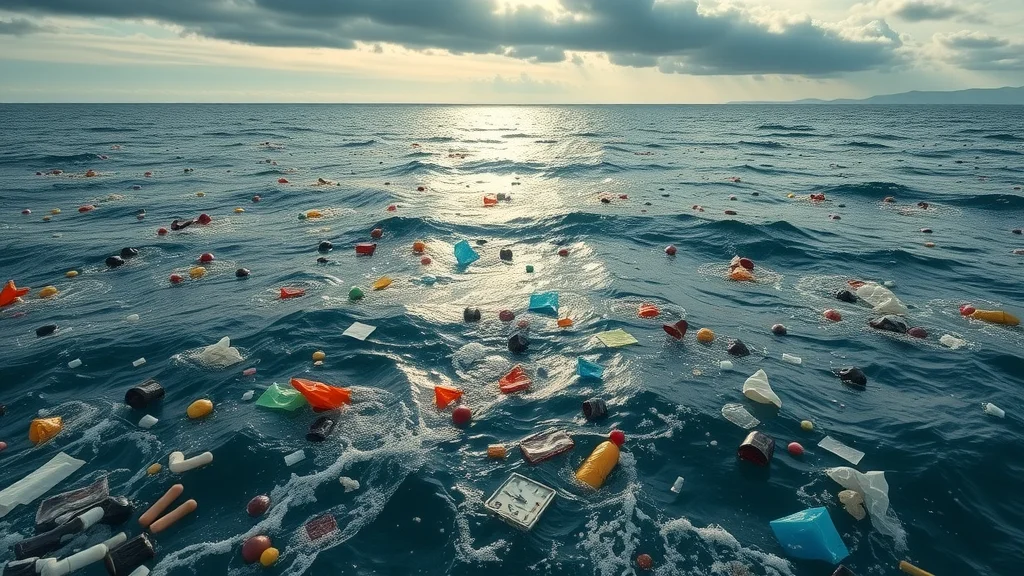
Every minute, one garbage truck of plastic enters the ocean. This isn’t just a statistic—it’s a global alarm.
With entire ecosystems at stake and plastic now finding its way into our food chain and even our bodies, the question is no longer if oceans plastic waste is a crisis, but how much longer can we afford to ignore it?
Shocking Truth: Oceans Plastic Waste by the Numbers
The sheer scale of oceans plastic waste is both staggering and heart-wrenching. Recent estimates reveal that approximately 8 million metric tons of plastic end up in the world’s oceans each year. That’s the equivalent of dumping a garbage truck full of plastics into the sea every minute—24 hours a day, every day. These plastics don’t simply vanish; they accumulate, building up in massive, swirling garbage patches and infiltrating even the most remote waters of the Pacific Ocean and beyond.
Floating plastic debris isn’t just an eyesore—it’s a direct threat to marine life, from the tiniest plankton to hulking marine mammals and sea turtles. The Great Pacific Garbage Patch alone is estimated to be twice the size of Texas, teeming with millions of pieces of plastic waste, including plastic bags, fishing nets, and microplastics. Oceans plastic waste is more than a pollution problem: it’s a planetary emergency demanding urgent attention and, more importantly, decisive action.
"Every minute, one garbage truck of plastic enters the ocean. This isn’t just a statistic—it’s a global alarm."
What You’ll Learn About Oceans Plastic Waste
How oceans plastic waste threatens marine life and entire food webs
The true scale of the Great Pacific Garbage Patch and other hotspots
Why plastic pollution is escalating despite global plastic reduction efforts
What individuals and communities can do about plastic waste in the ocean
Oceans Plastic Waste and the Growing Pacific Garbage Patch
The world’s oceans are increasingly becoming dumping grounds for human waste, but nowhere is this more evident than in the infamous Pacific Garbage Patch. More than just a swirling mess of debris, these garbage patches are the epicenter for some of the most concentrated and visually shocking pollution on the planet. Driven by global plastic production and careless disposal, the oceans, especially in the Pacific, are showing alarming signs of distress as they wrestle with a toxic overload of floating plastic.
Understanding and quantifying these garbage patches helps us see just how vast and interconnected the oceans plastic waste issue really is. As the problem intensifies, the need for greater awareness and action grows. It’s not only about the plastics we see, but also what we can’t: microplastics, fishing gear, nets, and the unseen toxins that threaten worldwide marine life and the food chain that sustains us all.
Efforts to address this mounting crisis are gaining momentum, with international collaborations and innovative partnerships emerging to tackle plastic pollution at its source. For a closer look at how global initiatives are making a difference, explore how the Global Plastic Action Partnership is driving coordinated solutions to plastic waste and supporting impactful change worldwide.
Understanding the Great Pacific Garbage Patch
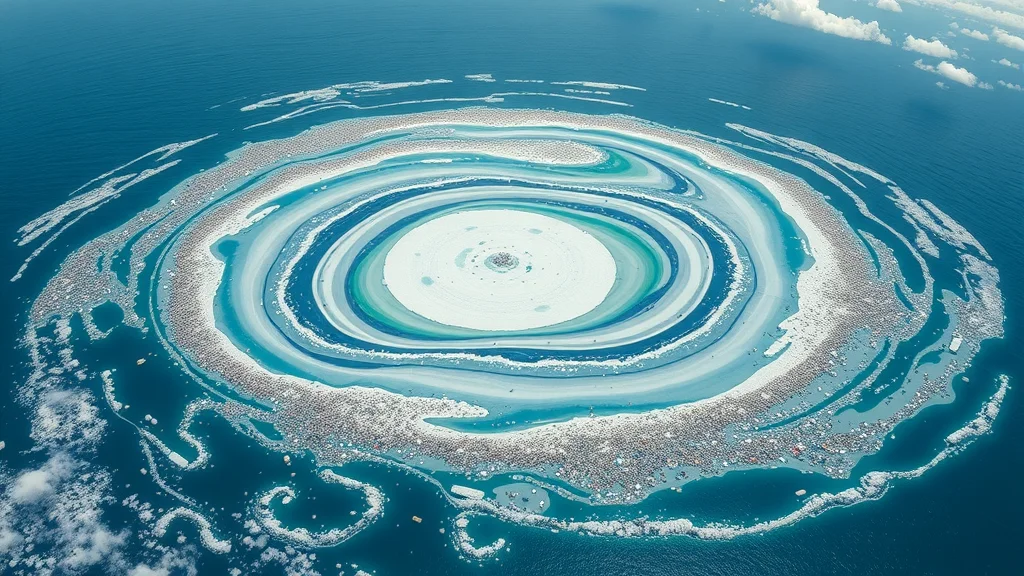
The Great Pacific Garbage Patch is one of the most notorious landmarks of oceans plastic waste. Located between Hawaii and California, this vast collection of plastic debris is essentially a floating landfill. Enormous gyres—large systems of circulating ocean currents—trap plastic waste in concentrated zones, making cleanup a daunting task. Researchers estimate this patch contains over 1.8 trillion pieces of plastic, weighing roughly 80,000 metric tons.
But it’s not just the size that’s so distressing; it’s what the Great Pacific Garbage Patch represents—a graphic display of how runaway plastic production and inadequate waste management converge at sea. Inside, you’ll find everything from plastic bags and fishing nets to tiny microplastics, all swirling together in a deadly continuum. These plastics can persist for centuries, jeopardizing not only the marine environment but also human health through the food chain.
Formation and Scale of the Pacific Garbage Patch
The Pacific Garbage Patch didn’t appear overnight. Its formation is the result of decades of increasing plastic use and poor waste management practices. As plastic waste makes its way from cities, rivers, and coastlines, powerful ocean currents gather and concentrate it in vast, swirling gyres. Over time, these plastics break down into smaller fragments but never fully disappear, turning what was once a navigable waterway into a chemical soup full of plastic and toxins.
Satellite imagery and field studies show that the Pacific Garbage Patch now covers a region more than 1.6 million square kilometers—larger than many countries—and contains up to 1.8 trillion pieces of plastic. The most prevalent items include single-use plastic bags, fishing gear, and microplastics. The impact on marine life is devastating, and the problem keeps escalating as global plastic production continues with little sign of slowing down.
What Makes Great Pacific Garbage Unique?
Unlike other oceanic debris fields, the Great Pacific Garbage Patch stands out due to its sheer size, density, and the diversity of plastic debris it contains. While other garbage patches have formed in different ocean gyres, none are as infamous—or as studied—as this one. Its composition is extremely heterogeneous: about half is believed to be abandoned fishing nets and gear, while the remainder includes everything from consumer packaging to plastic filaments and fragments smaller than a grain of rice.
The patch’s remote location makes it both a logistical nightmare to clean up and an ecological black hole for marine life. Here, sea turtles, marine mammals, and birds often mistake floating plastics for food or become entangled in fishing nets and lines—sometimes with fatal consequences. The Great Pacific Garbage Patch is a tragic symbol of the global oceans plastic waste crisis and a call to action for countries, communities, and individuals alike.
Comparison of Notorious Garbage Patches |
|||
Location |
Size (km²) |
Composition |
Impact on Marine Life |
|---|---|---|---|
Great Pacific Garbage Patch |
~1,600,000 |
Fishing gear, nets, microplastics, plastic bags |
High – Sea turtles, birds, marine mammals |
North Atlantic Garbage Patch |
~700,000 |
Consumer plastics, microplastic particles |
Moderate – Fish, seabirds, dolphins |
Indian Ocean Patch |
Unknown (est. hundreds of thousands) |
Plastics, fishing debris |
Moderate – Varies by region |
From Plastic Enter Ocean to Plastic Pollution Crisis: How Did We Get Here?
How did our oceans become full of plastic? The answer lies not just in our modern lifestyles, but in a global system built for convenience over sustainability
Much of today’s oceans plastic waste comes from single-use items like plastic bags, bottles, straws, and packaging. These lightweight plastics are easily carried by wind and water, making them prime candidates to enter the ocean and join massive garbage patches. The plastic pollution crisis is multifaceted, involving everything from consumer behavior to the complex web of the global plastic trade.
Main Sources: How Plastic Waste Enters the Ocean
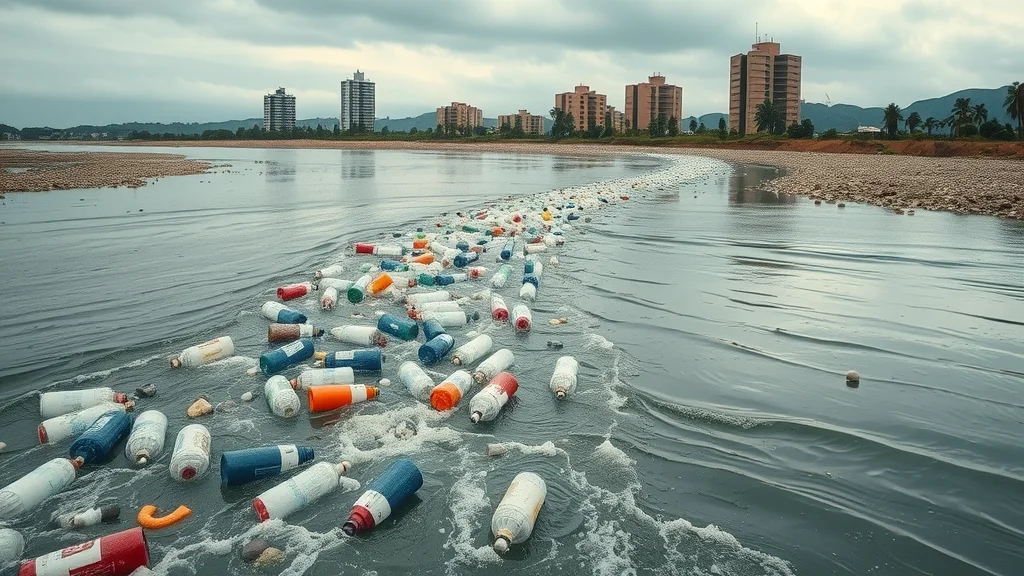
The journey of plastic waste into our oceans starts long before the plastic even reaches a trash bin. Inadequate waste collection, illegal dumping, and lack of recycling infrastructure mean that plastic debris is often left exposed to the elements. Rain can wash plastics from streets and open dumps into rivers, turning these waterways into superhighways for garbage. In fact, recent studies suggest that just 10 rivers are responsible for carrying nearly 90% of all river-borne plastic into the sea—most of them in Asia and Africa.
Industrial waste, fishing activities, and accidental loss of fishing nets—often dubbed “ghost gear”—further compound the issue. Large quantities of fishing gear, including nets and lines made of plastic, get lost at sea every year, contributing to the oceans plastic waste problem. With the global population growing and consumption patterns shifting towards more disposable products, the pipeline from land to ocean remains unbroken unless we take bold corrective action.
Plastic Pollution Gravity: Rivers, Runoff, and Global Plastic Trade
The gravity of the plastic pollution crisis is amplified by the interconnectedness of global waterways. Major rivers like the Yangtze, Ganges, and Nile act as conveyor belts, moving industrial and consumer plastic waste across continents and straight into the Pacific Ocean and beyond. The problem is intensified by the global trade of plastics—millions of tons of plastic waste are shipped internationally every year, sometimes traded to nations with even fewer recycling capabilities.
Global economic pressures, urbanization, and the expansion of the single-use plastic economy exacerbate the issue. Developing countries, in particular, often lack the waste management systems needed to cope with surging plastic consumption. As plastic enters the ocean via rivers and runoff, the result is a seemingly endless influx of floating plastic that ultimately fuels the growth of garbage patches and threatens marine life across the planet.
Plastic Waste Flows—A Global Overview
Top rivers carrying plastic to seas: Yangtze (China), Ganges (India), Yellow River (China), Nile (Africa), Amazon (South America)
Major countries contributing to ocean plastic: China, Indonesia, Philippines, Vietnam, India
Single-use plastics as primary pollutant: Bags, bottles, wrappers, packaging materials, straws
"Most of the plastic in the ocean comes from less than a dozen rivers worldwide."
Oceans Plastic Waste and Its Toll on Marine Life: Stories from the Deep
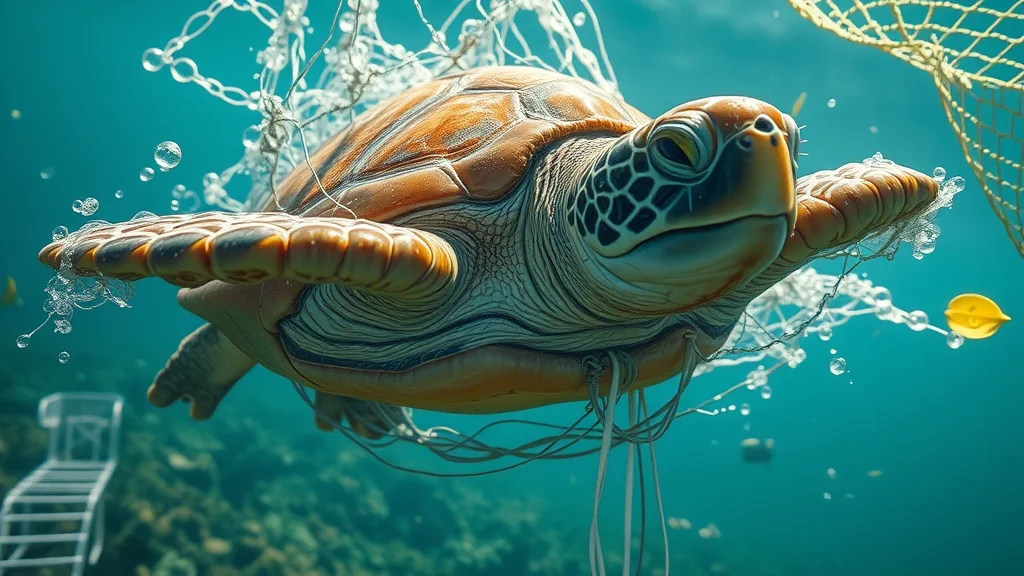
Oceans plastic waste isn’t just a human concern—it’s a daily battle for countless marine creatures. The impact of plastic pollution on marine life is both visually and biologically devastating. Turtles mistake stray plastic bags for jellyfish and suffocate; whales perish with bellies full of plastic debris; and entire populations of sea birds, marine mammals, and smaller marine animals bear injuries from entanglement with fishing nets or ingesting microplastics.
Beneath the surface, the toll is just as severe. Microscopic fragments of plastic known as microplastics are now found in virtually every ocean habitat, infiltrating the food web from the bottom up. The stories from the ocean’s depths serve as a stark warning: our addiction to plastic waste has grave and far-reaching consequences we may only be beginning to understand.
How Marine Life is Impacted by Ocean Plastic Pollution
Imagine a sea turtle entangled in a web of plastic fishing net, its movement restricted and survival threatened. Or a seabird with a stomach full of plastic debris, mistaking floating plastic for food. This is the grim reality for countless marine animals struggling to adapt to a world now full of plastic. These interactions often lead to injury, malnutrition, suffocation, and death, devastating individuals and whole populations alike.
Heavier items like abandoned fishing nets become lethal traps, while lighter objects such as plastic bags and bottles travel vast distances, impacting marine life across the globe. Beyond what we see, ingestion of microplastics introduces toxins into the bodies of fish and invertebrates, and ultimately, into humans who consume seafood. Oceans plastic waste affects the entire food chain and compromises the health and stability of marine ecosystems at every level.
Invisible Dangers: Microplastics and the Food Chain
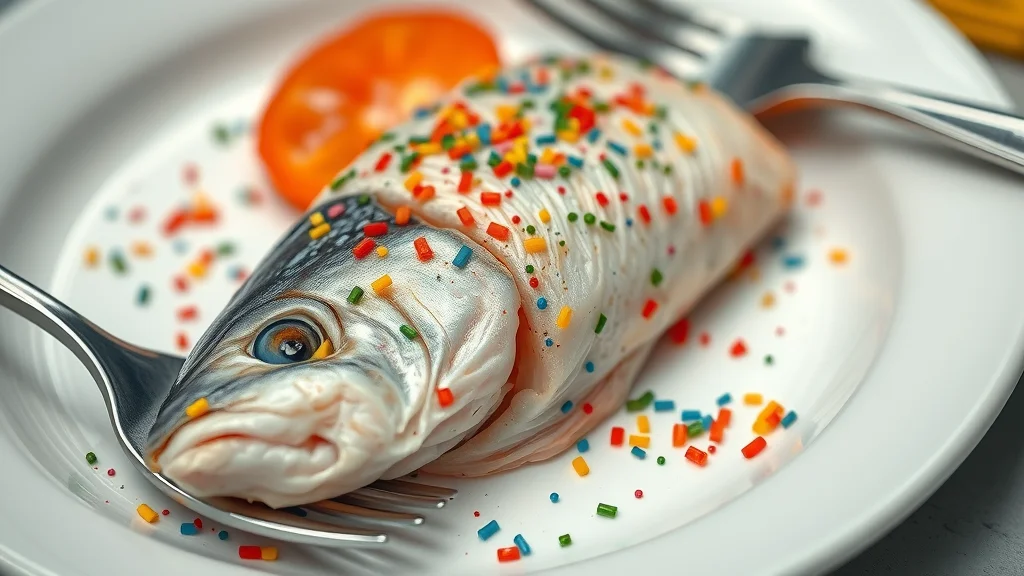
Perhaps most frightening is the rise of invisible microplastics—tiny plastic fragments less than 5mm in size. These are not only ingested by marine life but are now a routine ingredient in the seafood that reaches our tables. Scientists have found microplastics in everything from mussels to tuna, raising red flags about food safety, public health, and the stability of marine food chains.
The long-term effects of microplastics and associated toxins like PCBs and BPA are still being studied, but concern continues to grow. Bioaccumulation means these plastics—and the toxins they carry—build up in the bodies of predators at the top of the food chain, including humans. This silent crisis represents a new phase of the plastic pollution challenge, requiring new solutions, better policy, and a renewed sense of urgency among all who depend on clean oceans.
Entanglement and Ingestion: How animals suffer
Microplastics found in seafood
Long-term effects on ecosystems
Plastic Waste and Human Health: What’s at Stake?
As the crisis of oceans plastic waste intensifies, it’s becoming clear that the threat is not just environmental—it’s personal. From seafood tainted with microplastics to drinking water potentially contaminated by plastic particles, the boundary between ocean pollution and human health is dissolving. With new research showing microscopic plastic entering our bloodstreams, organs, and even the air we breathe, the consequences could extend for generations to come.
Experts warn that these plastics carry harmful chemicals—some linked to cancer, hormone disruption, and immune system problems. The potential for microplastics to move up the food chain and into the bodies of humans highlights an urgent need to address oceans plastic waste not only for the sake of marine life, but for the health and wellbeing of people everywhere.
Plastic in the Ocean, Plastic in Our Bodies
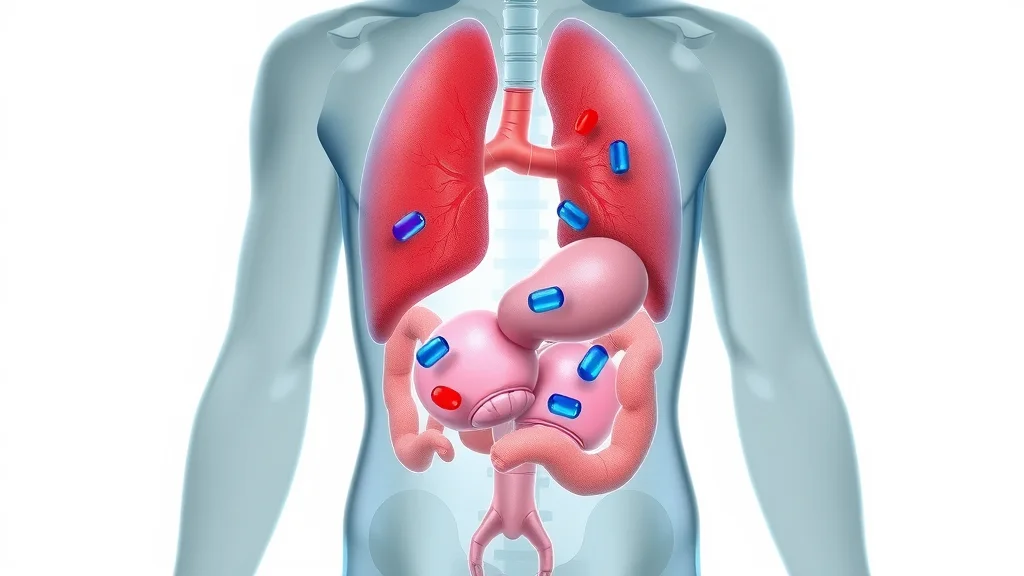
This raises deeply troubling questions: how much plastic are we unknowingly eating, drinking, and even breathing? While the science is still evolving, initial findings suggest that everyday exposure to plastic-laden food and water could have significant health implications, especially for vulnerable populations like children
With seafood as a main conduit, plastic in the ocean finds its way back into our diets. Consuming contaminated fish and shellfish means ingesting tiny plastic particles as well as the persistent toxic chemicals they can transport. Though the long-term effects are still being explored, early evidence suggests increased risks for digestive, hormonal, and immune system disorders, making oceans plastic waste very much a public health crisis.
Can Ocean Plastic Waste Affect Our Future Generations?
The implications of oceans plastic waste go far beyond our lifetimes. Many chemicals associated with plastics have been shown to disrupt endocrine systems and pose risks to reproductive health—threats that could be passed from one generation to the next. Children, in particular, are susceptible to developmental and health impacts from exposure to these emerging contaminants.
As the global community races to understand the true consequences of consuming, inhaling, or absorbing microplastics, it becomes ever more urgent to address the source of the problem. Without decisive action, the plastic pollution crisis may write itself into the DNA of the future, affecting not only aquatic life but our own children and grandchildren.
The Science Behind Plastic Pollution Toxicology
Evidence linking ocean plastic to human health effects
Research on microplastics in water and food
Long-term exposure risks
"We are eating, drinking, and breathing microscopic plastic. The crisis has come ashore."
Debating Solutions to the Oceans Plastic Waste Crisis
With the evidence mounting, the world is finally starting to debate serious solutions to the oceans plastic waste crisis. Two main camps have emerged: those who advocate for strict bans on single-use plastics and aggressive reduction targets, and those who believe in harnessing technology to clean up existing waste. While bans and policies attempt to stop plastic at the source, new innovations like ocean cleanup drones and barriers aim to remove what’s already there.
Both approaches have merits. Real progress, however, comes from integrating strategies—supporting global plastic bans, incentivizing recycling, and developing clean-up technologies tailored for unique ecosystems. But the real game-changer will be changing consumer behavior and holding industries and governments accountable for reducing plastic dependency and supporting sustainable alternatives.
Global Plastic Bans vs. Clean-Up Technologies
Legislating against single-use plastics has shown promise in countries like Kenya and Rwanda, where plastic bag bans have rapidly reduced litter. In the European Union, new directives are forcing manufacturers to rethink packaging and product design. Meanwhile, enterprising organizations are testing large-scale clean-up devices capable of extracting thousands of metric tons of plastic waste from hotspots like the Great Pacific Garbage Patch.
However, technology alone cannot solve the crisis unless the influx of new plastics is also curbed. Successful policy requires cross-border collaboration and the integration of local initiatives with global infrastructure. As we weigh the advantages of policy versus technology, it becomes clear that fighting oceans plastic waste demands a multifaceted, urgent, and innovative response from everyone—producers, consumers, and governments alike.
Are We Winning the War Against Ocean Plastic Pollution?
Despite promising headlines, most experts agree that we have a long way to go. While some nations have significantly reduced plastic bag use and improved recycling rates, global plastic production continues to rise. Success stories—like community clean-ups and ban-the-bag campaigns—offer hope but are often dwarfed by the scale of the problem. The world needs coordinated international action, strict enforcement, and massive investment in waste management to truly turn the tide.
The clock is ticking, and the oceans have become a barometer of our will to act. The battle for our blue planet can only be won through unity—grasping the full scope of the oceans plastic waste problem and committing to large-scale systemic change as well as local stewardship.
Effectiveness of Policy Approaches |
|||
Approach |
Benefits |
Challenges |
Real-World Impact |
|---|---|---|---|
Ban |
Immediate reduction in specific plastic types |
Implementation, enforcement, public pushback |
Effective but limited if not broadly adopted |
Reduction |
Encourages sustainable alternatives |
Consumer resistance, cost barriers |
Positive in progressive markets |
Recycling |
Reduces waste, creates secondary markets |
Contamination, limited facilities |
Works best with education and infrastructure |
Cleanups |
Removes existing plastic, raises awareness |
Labor and tech costs, scale of debris |
Symbolic and practical progress |
Ocean Plastic: Grassroots Movements and Influential Opinions
True change often begins at the community level, where the drive to protect local waters and marine life is most tangible. All over the world, citizen-led cleanups, advocacy campaigns, and independent ocean plastic reduction projects are making a difference. These grassroots efforts not only tackle plastic waste at its source but inspire broader cultural shifts toward sustainability and personal responsibility.
Leading organizations and passionate individuals are amplifying solutions—teaching others how to reduce plastic waste, facilitating recycling, and organizing beach cleanups. Their stories, filled with small victories and hopeful progress, are proof that every action counts in the global fight against oceans plastic waste.
Community Clean-Ups and Plastic Independent Initiatives
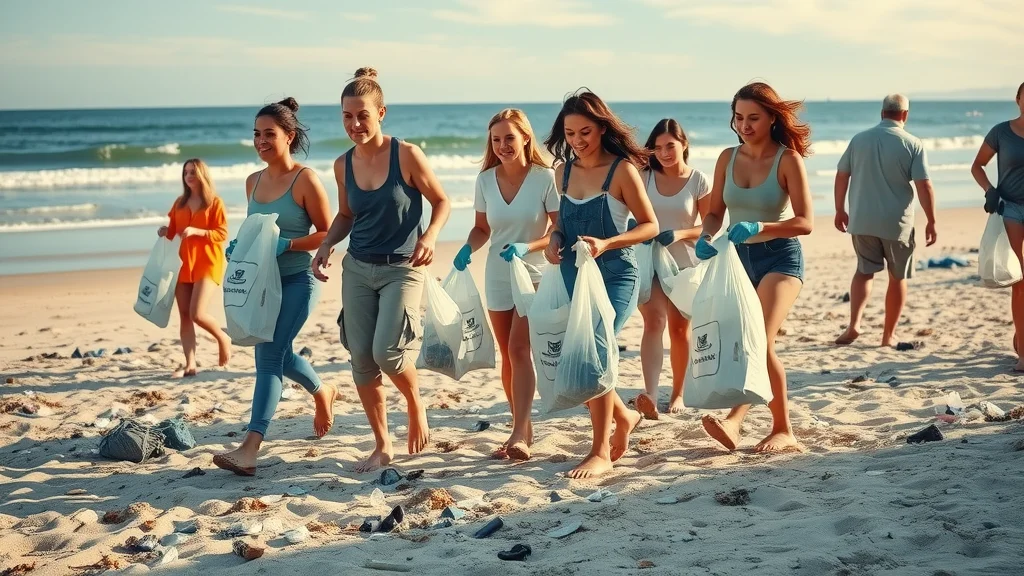
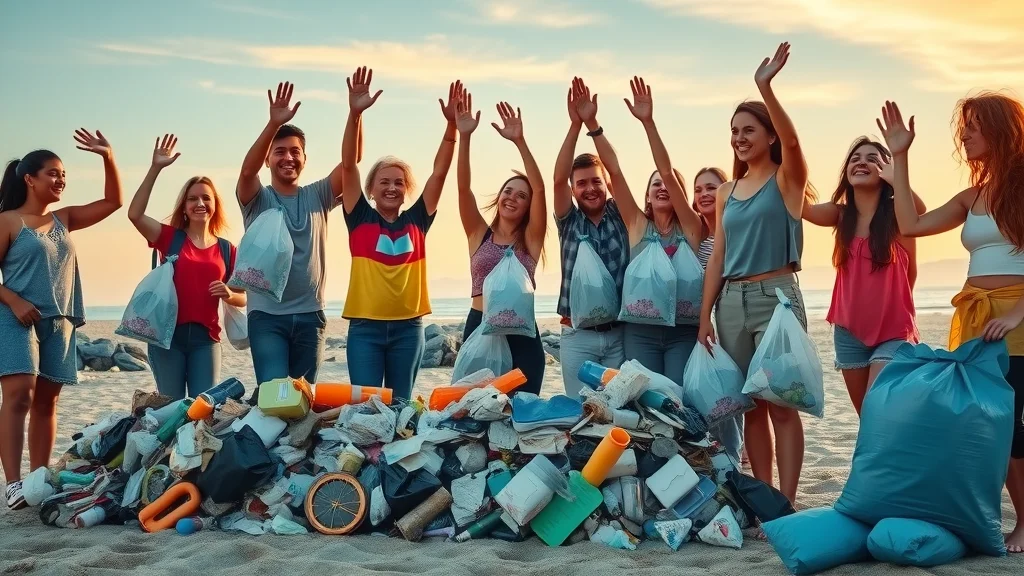
From bustling coastal cities to quiet island communities, people are joining together to remove tons of plastic debris from beaches and waterways. These community clean-ups often attract local schools, businesses, and families, turning collective action into a celebration of shared responsibility. The real value lies not just in the plastic collected, but in the empowerment of people to become «plastic independent»—actively reducing their own waste and influencing others to do the same.
Initiatives such as zero-waste marketplaces, plastic-free community pledges, and local recycling hubs are multiplying, sparking new hope that society can break free from plastic dependency. As these actions spread, they challenge companies and governments to follow suit, driving innovation in packaging, product design, and supply chain management worldwide.
Amplivo & Corsair: Leading the Oceans Plastic Waste Solution
Examples of successful grassroots ocean cleanups
How to become a plastic independent affiliate
Positive impact stories
Organizations like AMPLIVO and CORSAIR are pioneering global efforts to reverse oceans plastic waste through scalable clean-ups and community empowerment. Their programs equip volunteers with tools and knowledge while providing practical pathways for anyone to participate in the solution, whether through direct action or plastic waste reduction partnerships. If you’re passionate about turning concern into concrete change, now’s the time to get involved.
People Also Ask: Oceans Plastic Waste
How much plastic is in the ocean in 2024?
Current scientific estimates suggest that as of 2024, there are over 170 trillion pieces of plastic in the oceans globally, and this number continues to rise. Large accumulations are found in the Pacific Garbage Patch and other major ocean gyres, with new plastic waste entering the ocean every day from rivers, runoff, and maritime activities.
Current Scientific Estimates of Ocean Plastic Volume
Researchers use satellite data and on-site sampling to monitor ocean plastic, and consensus points to tens of millions of metric tons accumulating across multiple garbage patches. Each year may see an addition of up to 8-10 million metric tons, meaning the crisis is intensifying rather than abating.
What is the biggest source of oceans plastic waste?
The largest sources of oceans plastic waste are mismanaged land-based waste, particularly single-use packaging, and plastic waste delivered via rivers. Coastal communities and densely populated regions with inadequate waste management contribute the most plastic by volume, but ghost fishing gear and shipping industry debris are also substantial sources.
Waste Streams: Rivers, Runoff, Industry
Studies consistently identify rivers in Asia and Africa as primary conveyors of plastic waste into the ocean, especially the Yangtze, Ganges, and Nile. Urban runoff, industrial discharge, and even tourist waste combine to form the waste streams that ultimately discharge into marine environments.
Which ocean has the most plastic waste?
The Pacific Ocean, home to the infamous Great Pacific Garbage Patch, has the most documented plastic waste due to its size and concentration of intersecting ocean currents. However, all the world’s oceans face plastic pollution, and new hotspots are emerging in the Atlantic and Indian Oceans as well.
Comparing Plastic Pollution Across the World's Oceans
While the Pacific holds the largest contiguous garbage patch, the problem is global in scope. Each major ocean gyre collects plastic debris to varying degrees, with the North Atlantic and Indian Oceans also experiencing significant accumulations threatening marine life and ecosystems.
What are the health effects of ocean plastic pollution?
Health impacts include ingestion of microplastics through seafood and drinking water, exposure to carcinogenic and hormone-disrupting chemicals associated with plastics, and risks of respiratory problems from airborne plastic particles. Long-term exposure may contribute to cancer, developmental problems, and immune system damage, but more research is needed.
Research Linking Oceans Plastic Waste and Human Wellbeing
Scientists continue to uncover new links between plastics and human health, with particular concern for how persistent chemicals hitchhike on microplastics into our bodies. This research highlights the urgency of addressing oceans plastic waste as a matter of public health, not just environmental stewardship.
Frequently Asked Questions About Oceans Plastic Waste
Can oceans plastic waste be cleaned up completely?
While full cleanup may be impossible, coordinated efforts can remove significant quantities and halt new waste from entering. Prevention remains key.How does ocean plastic pollution affect fishing industries?
It damages marine habitats, kills fish, and contaminates seafood, leading to lost revenue and food safety risks for fishing communities worldwide.How can individuals reduce their plastic waste footprint?
Refuse single-use plastics, opt for reusable materials, join local clean-ups, and support brands committed to sustainability.Are there new innovations in ocean plastic recovery?
Yes, emerging technologies include ocean-cleaning drones, floating barriers, and recycling systems designed to collect and process plastics efficiently at sea.
Key Takeaways: Oceans Plastic Waste Crisis
Oceans plastic waste poses a grave threat to marine life, human health, and food security.
Despite efforts, the Great Pacific Garbage Patch keeps growing.
Tackling plastic pollution requires both global and local action.
Becoming informed and involved can drive critical change.
Final Thoughts: Turning the Tide on Oceans Plastic Waste
"It’s not just the ocean’s crisis—it’s humanity’s. Our choices now shape future blue planets."
If you’re inspired to deepen your understanding of the global fight against plastic pollution, consider exploring the broader strategies and international collaborations shaping our future. Discover how cross-sector partnerships, policy innovation, and community-driven action are coming together to create lasting impact by reading about the challenges and solutions in environmental action and the importance of accurate information in driving real change. By staying informed and engaged, you can be part of a movement that not only cleans up our oceans but also transforms the way we think about sustainability and collective responsibility.


Write A Comment