

Did you know? Businesses are saving up to 75% on yearly electricity costs by switching to commercial solar power. With energy prices on the rise and sustainability becoming a cornerstone of modern business strategy, the question is no longer if you should go solar—but when and how your business can benefit the most. This guide will unpack the key things you need to know to make an informed investment in commercial solar power for your company, including costs, returns, real-world examples, and how to choose the right system.
Startling Trends: Why Commercial Solar Power Is Shaping the Future
- 🔹 Explosive Growth: According to the Solar Energy Industries Association (SEIA), the adoption of commercial solar panel installations has grown at an average annual rate of over 20% in the past decade. This growth is fueled by declining installation costs and increasing awareness of sustainability’s business value.
- 🔹 Business Sustainability: More companies are prioritizing clean energy initiatives. Commercial solar power helps businesses not only slash operating costs, but also align their brands with environmental responsibility—which increasingly matters to customers, investors, and partners.
- 🔹 ROI You Can Bank On: Recent studies show the average ROI for commercial solar installations ranges from 12%–25%—often higher than other capital improvements. Many commercial systems offset their upfront costs in as little as 5–7 years, delivering pure savings for years to come.
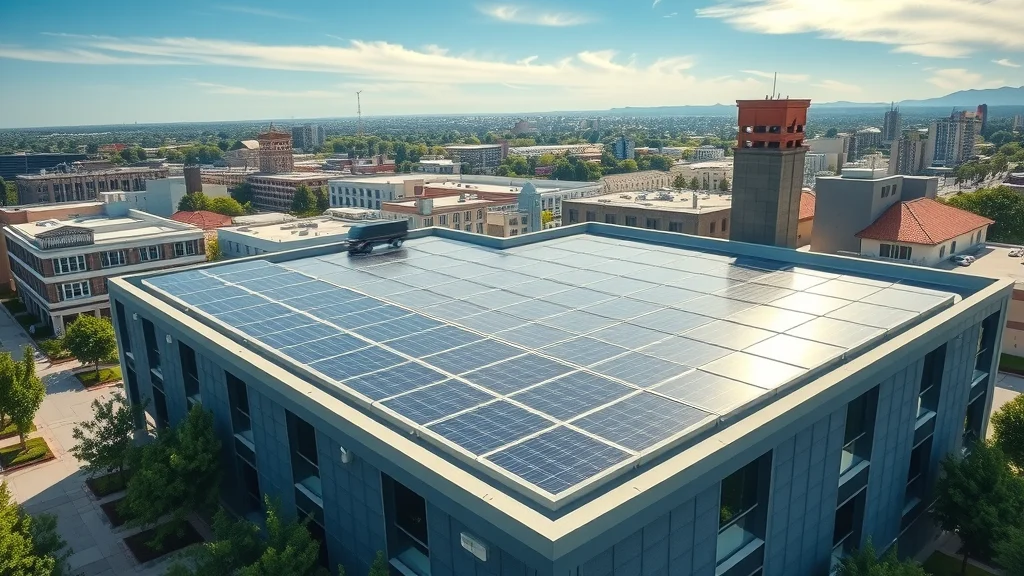
“Businesses are saving up to 75% on yearly electricity costs by switching to commercial solar power.”
What You'll Learn About Commercial Solar Power
- How commercial solar panels work in a business setting
- Key benefits and drawbacks of solar panel installation
- Investment timelines, costs, and payback periods for commercial solar panels
- How to evaluate if commercial solar installation is right for your property
- Leading trends in solar energy storage and financing options
Understanding Commercial Solar Power: An Essential Guide
What Is Commercial Solar Power?
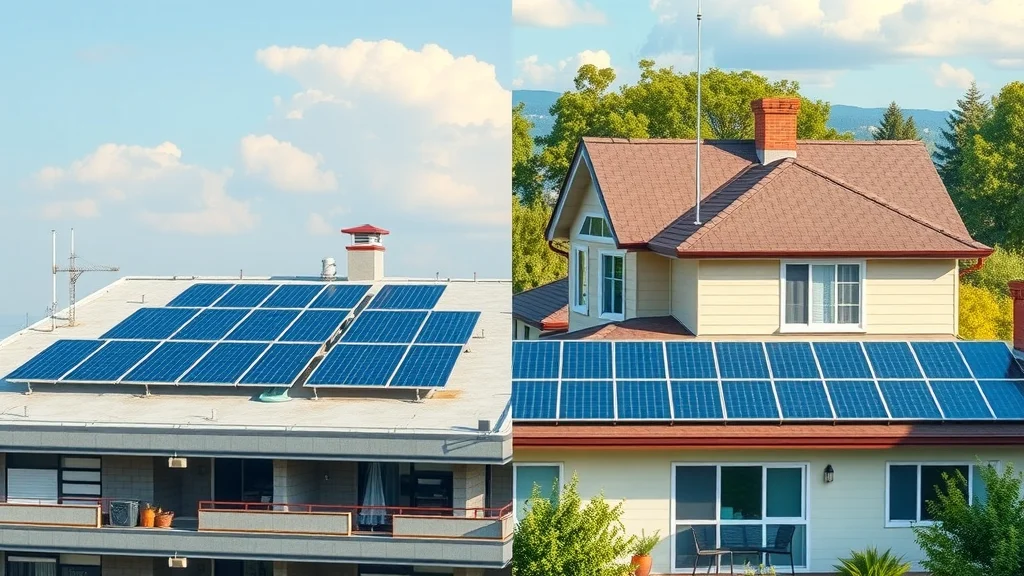
Commercial solar power refers to the use of solar energy systems installed on non-residential properties—such as office buildings, warehouses, schools, or factories—to produce electricity for business operations. At its core, these systems harness sunlight via commercial solar panels, converting it into usable energy and providing an alternative to traditional grid power.
Unlike residential solar panels, commercial solar panel systems are designed for higher energy demands. They’re larger, often more efficient, and engineered to supply substantial loads across commercial buildings. Commercial installations may also integrate advanced monitoring, energy storage (like batteries), and sophisticated grid interconnections, making them tailored for business use. The distinction lies in scale, system architecture, and the financial incentives unique to businesses and non-profits.
How Commercial Solar Systems Work
In a typical commercial solar installation, panels are mounted on the rooftop or property of a commercial building. Once sunlight hits the panels, it’s absorbed by photovoltaic (PV) cells, which generate direct current (DC) electricity. This power travels to an inverter—the heart of any commercial solar system—which converts the DC electricity to alternating current (AC) consumed by most business equipment.
If the system produces more energy than needed, excess electricity can be sent back to the grid (offsetting costs via net metering), or stored in batteries for later use. Modern commercial solar panel systems also feature cutting-edge monitoring to track energy production, consumption, and cost savings in real time, allowing businesses to make data-driven decisions about their future energy use.
When considering the transition to solar, it's also important to recognize how broader energy policies and political actions can impact the renewable sector. For example, shifts in government support or regulatory changes can influence the growth and job market for clean energy industries, as seen in the recent analysis of how political decisions have affected offshore wind jobs in America. Understanding these dynamics can help businesses anticipate future opportunities and challenges in the commercial solar landscape.
Commercial Solar Panel Options for Businesses
Main Types of Commercial Solar Panels and Systems
When exploring commercial solar power options, businesses typically choose between monocrystalline and polycrystalline solar panels:
- Monocrystalline panels are made from single-crystal silicon and known for higher efficiency and sleek design—but at a slightly higher cost.
- Polycrystalline panels use multiple silicon fragments, making them more affordable but slightly less efficient.
Businesses also need to decide on the system type:
- Grid-tied systems: Interconnected with the power grid, they allow energy credits through net metering.
- Off-grid systems: For remote sites, fully independent with battery backup.
- Hybrid systems: Combine grid connection with on-site energy storage for maximum flexibility.
Choosing the Right Solar Installation for Your Business
The best commercial solar installation depends on several factors. The following points should be evaluated:
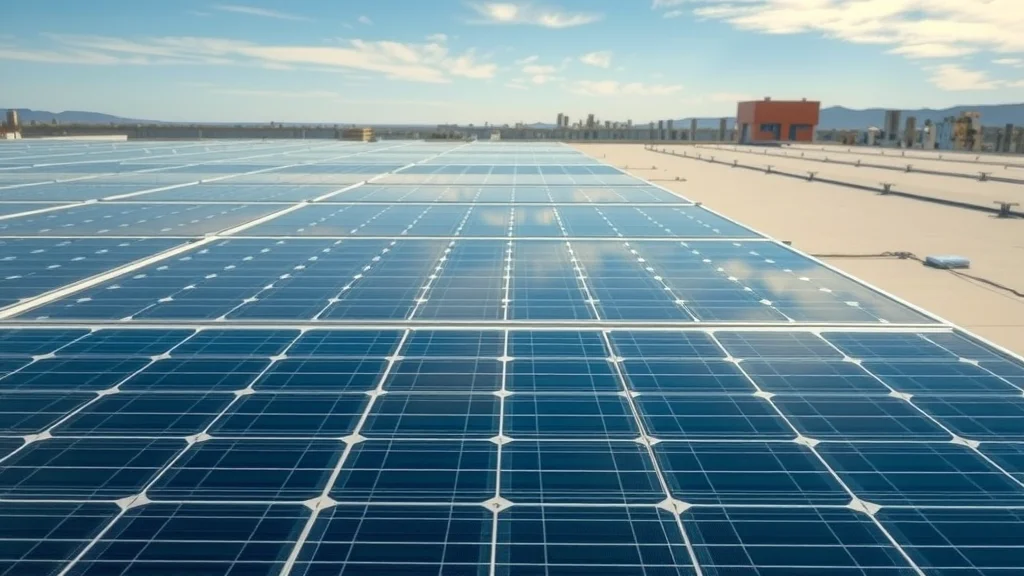
- Roof size & orientation: The larger and less shaded your rooftop or property, the more cost-effective and powerful your system can be.
- Energy needs: Analyze your historical energy use to properly size your solar system and meet your specific requirements.
- Shading/obstructions: Understand potential sources of shading (trees, buildings, rooftop vents, HVAC units) to avoid energy loss.
Business owners should also consider the future: if energy consumption is likely to increase (such as future electric vehicle charging), oversizing the initial system could lead to greater savings down the line, especially as grid prices rise.
Key Features of Commercial Solar Power Installations
Not all commercial solar panels are created equal. Here are the most important features businesses should look for:
- Panel Efficiency: Higher efficiency panels generate more power per square foot—ideal for space-constrained sites.
- Warranties: Top brands offer 20–30-year performance warranties and 10–15 years for workmanship—critical for long-term investments.
- Expected Lifespan: Most commercial solar panel systems last 25–30 years with minimal degradation.
- Energy Storage Solutions: Integration with commercial-grade batteries allows businesses to store excess solar energy for use during peak pricing hours or outages.
| Panel Type | Efficiency | Average Lifespan | Warranty | Ideal Application |
|---|---|---|---|---|
| Monocrystalline | 19-22% | 25-30 years | 20–25 years | Limited roof space, high power needs |
| Polycrystalline | 15-18% | 25–28 years | 15–20 years | Larger roofs, budget-focused |
| Thin Film | 11–13% | 10–20 years | Up to 10 years | Massive installations, flexible surfaces |
Commercial Solar Power Investment: Costs and Return
Upfront and Ongoing Installation Costs
The installation cost of a commercial solar power system varies widely based on system size, location, chosen technology, and site conditions. Typical cost components include:
- Solar panels and mounting hardware
- Inverters, wiring, and monitoring systems
- Labor and engineering fees
- Permitting, inspections, and connection fees
For context, the average cost of commercial solar panel installation in the US ranges from $1. 50 to $2. 50 per watt (after federal tax credits), depending on system size and complexity. For a 100 kW system, that’s roughly $150,000–$250,000 upfront—yet larger systems benefit from economies of scale, lowering the per-watt price.

Financing Your Commercial Solar System
Don’t let sticker shock deter you: commercial solar systems can be financed in a variety of ways. Popular financing options include:
- Loans: Businesses borrow the up-front cost, then repay from monthly energy savings—often cash-flow positive from day one.
- Leases: The installer owns and maintains the system, and your business pays a fixed monthly rate. This can require zero down and reduce capital outlay.
- Power Purchase Agreements (PPAs): A solar provider owns, maintains, and operates the system. Your business simply pays for the solar energy generated at a fixed, typically lower rate than local utility prices.
- Zero-down solar finance: Many installers offer no-money-down arrangements, so you can begin saving immediately without affecting cash flow.
| System Size | Initial Cost (after incentives) | Annual Savings | Estimated Payback Period |
|---|---|---|---|
| 50 kW | $75,000–$125,000 | $10,000–$18,000 | 5–7 years |
| 250 kW | $325,000–$525,000 | $55,000–$90,000 | 5–7 years |
| 1 MW+ | $1.2M–$2M | $210,000–$330,000 | 4–6 years |
Return on Investment (ROI) Analysis for Commercial Solar Power
The most common question is—when do commercial solar panels pay for themselves? The average payback period for a well-designed, grid-tied commercial solar installation in the US is typically 5–7 years, after which the business enjoys free electricity and only minimal ongoing expenses for decades.
As grid electricity prices increase—a trend supported by most national forecasts—your savings from solar rise year after year. Plus, available tax credit incentives (like the federal Investment Tax Credit or ITC), state rebates, and accelerated equipment depreciation benefits can reduce your installation cost by up to 30% or more.
“On average, commercial solar power systems offset their installation costs in 5–7 years.”
Commercial Solar Power Benefits: Energy, Savings, and Beyond
- Energy independence: Generate your own power and reduce reliance on volatile grid rates.
- Sustainable brand image: Stand out as a leader in clean energy and attract eco-conscious customers, partners, and employees.
- Long-term operational savings: Spend less on electricity and shield your business from utility rate spikes.
- Increased property value: Solar-equipped commercial buildings command higher market prices and appeal to tenants seeking low-operating-cost locations.

-
Environmental benefits:
- Reduce your business’s carbon footprint and help combat climate change
- Meet or exceed sustainability targets and reporting requirements
-
Operational advantages:
- Lower peak load charges
- Support local power grids, especially with integrated energy storage
Potential Downsides and Considerations of Commercial Solar Power
- Space limitations: Not all commercial rooftops or properties have adequate, unobstructed space for optimal panel installation.
- Capital versus leasing: Upfront investment can be significant, though leases and PPAs offer alternatives.
- Maintenance: While solar panels are low-maintenance, regular inspection and cleaning are required.
- Permitting: Some locations involve lengthy permitting and utility approval processes that can cause delays in solar project timelines.
-
Common Pitfalls:
- Underestimating roof condition or structural requirements
- Poor system design leading to less-than-expected savings
- Not choosing reputable installers or not understanding contract terms
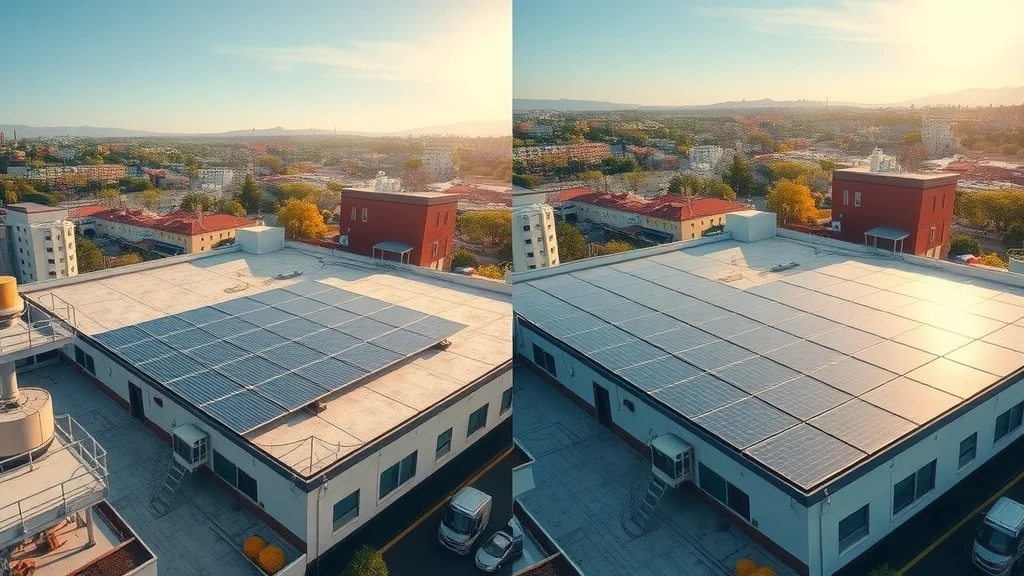
Real-World Results: Commercial Solar Power Case Studies
- Successful installations: Corporations across tech, retail, and manufacturing boast solar savings—some saving hundreds of thousands of dollars annually.
- Before-and-after: Typical commercial solar customers experience 60–85% reductions in energy bills immediately after installation.
- Reliability: Solar systems in industries from hospitality to logistics have operated with 99.5% uptime, thanks to robust warranties and remote monitoring.
Comparing Commercial Solar Power Providers and Products
- Evaluating brands: Not all commercial solar panel brands are equal—research their efficiency, durability, and third-party testing results.
- Installer reputation: Check the company’s track record, years in business, and references. Consider their warranty and ongoing support packages.
- Integration: Seek systems that offer energy storage and advanced monitoring—these features can enhance overall ROI and operational flexibility.
-
Top-rated installers:
- SunPower Commercial
- First Solar
- Trina Solar
- Reach Solar Solutions
-
Essential questions to ask:
- What specific experience do you have with commercial projects like mine?
- What warranties do you offer on both products and labor?
- How do you handle ongoing maintenance and system monitoring?
- Are there financing or PPA options available for my business?
People Also Ask About Commercial Solar Power
How much does a commercial solar system cost?
- Installation cost depends on system size, location, equipment brand, and site conditions, but generally ranges from $1.50–$2.50 per watt after incentives (per Solar Energy Industries Association data).
- A 100 kW commercial solar panel system will usually run $150,000–$250,000. Larger systems cost less per watt due to economies of scale.
- Upfront costs can be offset by federal tax credits, state/local rebates, and accelerated depreciation for businesses.
What is the 33% rule in solar panels?
- The “33% rule” suggests that, in a well-designed system, the capacity factor—the percentage of time a solar system generates at its rated power—is about 33%. This is because of variables like sunlight hours and weather patterns.
- For commercial solar panel system sizing, the rule ensures grid integration and helps optimize financial returns by factoring in net-metering limits and export caps.
Is commercial solar worth it?
- Commercial solar power is worth considering for most businesses with suitable space and solid energy usage profiles. Those who benefit most are companies with predictable daytime energy loads, high electricity costs, and a desire to boost sustainability.
- With incentives, quick payback periods, and operational savings, it’s a proven way to lower costs and improve your environmental footprint.
How much money can a 20 acre solar farm make?
- Revenue depends on system efficiency, location, utility contract rates, and overall sunlight. On average, a well-sited 20-acre solar farm in the US can earn $40,000–$100,000+ per year in energy sales or lease revenue.
- Profit margins vary depending on upfront costs, local rate structures, ongoing maintenance, and available tax credits or incentives.
FAQs About Commercial Solar Power
- How long do commercial solar panels last? Most quality panels are warrantied for 20–30 years, with many producing well beyond their rated lifespan with some efficiency loss.
- Can you add batteries to an existing commercial solar system? Yes. Many modern systems are designed for easy retrofit with commercial energy storage solutions as future needs grow.
- What are ongoing maintenance requirements for commercial solar installations? Maintenance is minimal: typically annual inspections, periodic cleaning, and inverter checks. Many providers include performance monitoring.
- Are there new developments in solar panel technology for businesses? Yes—higher efficiency panels, bifacial modules (which absorb sunlight from both sides), and improved storage solutions are leading current trends.
- Does commercial solar installation disrupt business operations? Installations are usually completed with minimal disruption, as much work is performed outside or after hours. Communication with your contractor minimizes business impact.
Key Takeaways: Is Commercial Solar Power Right for Your Business?
- Commercial solar power provides measurable long-term savings and significant environmental benefits.
- Your choice of solar panel equipment and certified installer will directly impact your ROI and overall satisfaction.
- Evaluate space, financing, available incentives, and your business’s future direction to determine if now is the right time to invest.
As you weigh the decision to invest in commercial solar power, remember that the renewable energy landscape is shaped by a complex interplay of technology, economics, and policy. Staying informed about how political actions and regulatory shifts can influence clean energy markets will empower your business to make smarter, future-proof investments. For a deeper dive into the broader forces impacting the renewable sector—including how government decisions can affect job growth and industry momentum—explore the in-depth discussion on the impacts of political actions on offshore wind jobs in America. Gaining this perspective can help you anticipate trends, mitigate risks, and position your business at the forefront of sustainable innovation.





Write A Comment