


Did you know? In 2023, the world produced more than 430 million metric tonnes of plastic—with two-thirds quickly becoming waste (UNEP – Turning the Tide on Plastic Pollution). The scale of plastic pollution is so vast that microplastics are now found in rainwater, drinking water, and even in the air we breathe. Tackling plastic waste removal efficiently—without draining your budget—is not just possible; it's essential for our planet’s future.
A Startling Reality: The Scale of Plastic Waste Removal Challenges
Over 8 million tonnes of plastic waste end up in our oceans every year, threatening marine life and global food chains.
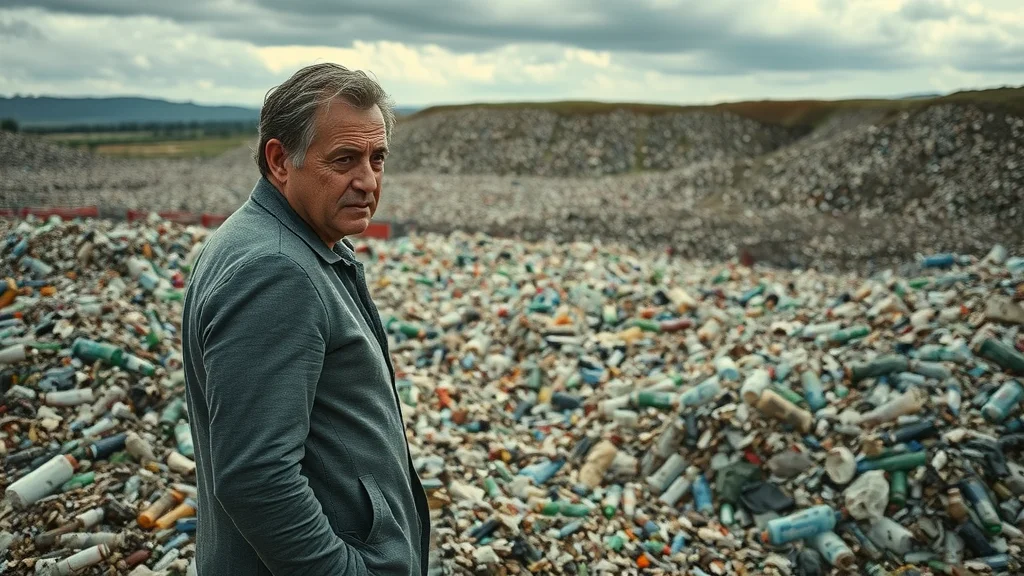
The growing crisis of plastic waste management has become one of the world’s most pressing environmental challenges. The global plastic pollution problem is staggering—every year, millions of metric tonnes of plastic waste are dumped into landfills, waterways, and oceans. Escalating production and improper disposal amplify the issue, where much of this plastic persists for centuries, breaking down into smaller microplastics that pollute soil, water, and even our food supply. Countries like the United States generate immense plastic waste, but many developing nations are struggling even more due to inadequate waste management infrastructures. These realities fuel the urgency to seek affordable, scalable, and environmentally sound ways to stop plastic from overwhelming our communities and ecosystems.
Traditional methods—such as landfilling and incineration—are costly and often exacerbate the plastics crisis. At the same time, modern solutions face funding and logistic obstacles. The link between plastic waste and environmental degradation is undeniable: debris chokes rivers, clogs drains, and threatens biodiversity. Addressing these challenges involves transforming our plastic waste management systems to focus on effective removal strategies that work for individuals, businesses, and government organizations alike.
What You’ll Learn in This Guide to Plastic Waste Removal
- Comprehensive breakdown of plastic waste removal methods
- Cost-effective strategies for individuals, businesses, and communities
- Best practices in plastic waste management and waste management systems
- Innovative solutions and real-world case studies
- Common misconceptions on how to stop plastic pollution and reduce plastic waste
Understanding Plastic Pollution and Why Plastic Waste Removal Matters
To solve the problem of plastic waste, we first need to grasp the depth of its impact. Plastic pollution is more than an eyesore—it is a pervasive threat to our environment, health, and future. Every discarded plastic bag, bottle, and package contributes to the buildup of non-biodegradable debris. These pollutants enter waterways and oceans, harming wildlife and even returning to us as contaminated seafood. Understanding the importance of proper disposal and recycling rates is essential in charting a pathway toward sustainable plastic waste removal.
Traditional waste management practices—such as landfill disposal—are being outpaced by the surging tide of tonnes of plastic waste generated each year. While some communities have moved towards curbside recycling and segregated collection, the effectiveness of these systems relies on public participation, infrastructure, and consistent policy enforcement. Modern approaches emphasize not only waste removal but also redesigning products and packaging for improved recyclability and supporting the circular economy. In short, plastic waste removal must become a core part of our daily lives and business operations to reduce plastic and stop plastic pollution for good.
| Method | Cost | Efficiency | Environmental Impact |
|---|---|---|---|
| Landfill | Low initial, high long-term (land use & regulations) | Low | Negative: releases microplastics, long degradation |
| Incineration | High (plant setup & operation) | Medium | Negative: air pollution, CO2 emissions |
| Curbside Recycling Programs | Moderate | High (if sorting is efficient) | Positive: diverts waste, recycles material |
| Advanced Sorting/Recycling Facilities | High initial, lower long-term | High | Highly positive: maximizes material recovery |
| Community Cleanups & Corporate Take-back | Low–moderate (depends on scale) | Variable | Positive: immediate local impact, raises awareness |
The Fundamentals of Plastic Waste Removal
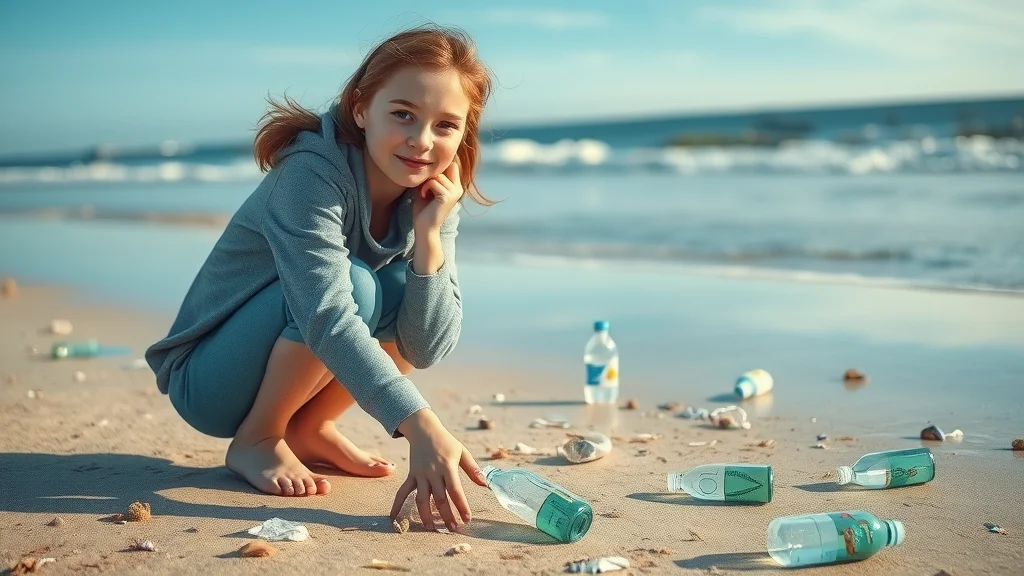
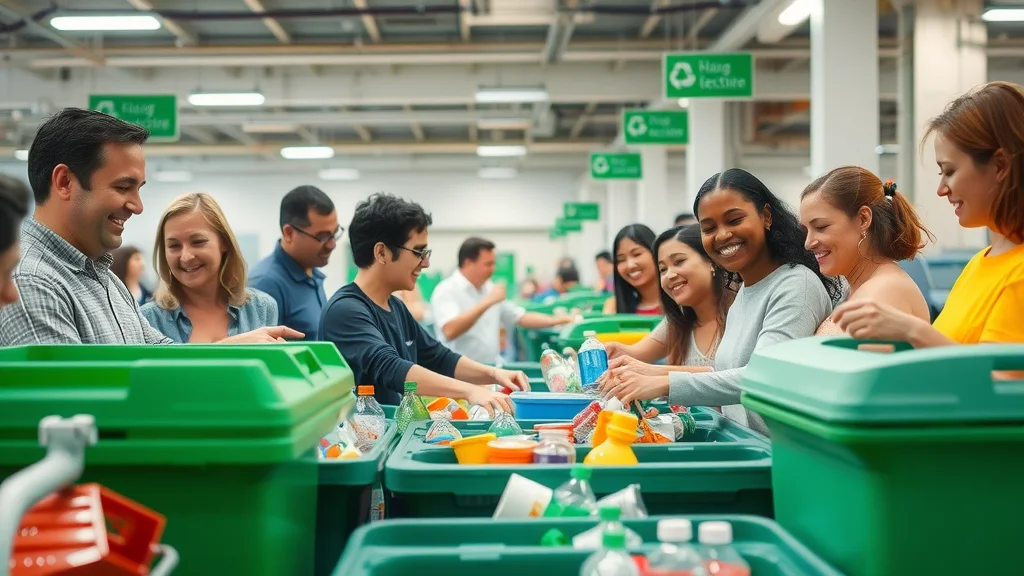
Effective plastic waste removal begins with identifying and sorting different types of plastic products. Knowing what can and cannot be recycled in your local area is the first step to optimizing the recycling rate. For households, separating plastics by type (e. g. , PET bottles, HDPE containers, plastic bags) prevents contamination of recycling streams. Industries can leverage conveyor belts and automated systems to streamline sorting and collection, maximizing the efficiency of their waste management systems.
Collection processes vary from simple curbside pickup to industrial-scale operations using advanced technology. The role of local authorities and municipal waste management is critical—they enforce regulations, maintain public bins, and oversee landfill management. Robust cooperation between households, businesses, and local governments ensures that less plastic ends up polluting our environment. Investing in education around sorting, recycling, and proper disposal empowers communities to address the problem of plastic waste together.
- Identification and sorting of various plastic waste types
- Collection processes for households and industries
- Role of local authorities and waste management systems in plastic waste management
Affordable Strategies for Plastic Waste Removal
- Adopt sorting and recycling initiatives for plastic waste
- Engage community-based waste management schemes
- Participate in take-back programs by manufacturers
- Invest in home or workplace plastic compactors
"Low-cost plastic waste removal doesn't mean low impact—every step matters." – Environmental Expert
Removing plastic waste without overwhelming costs is entirely achievable with some planning and community effort. By actively participating in sorting and recycling programs, individuals and organizations help ensure plastics are routed into effective recycling or upcycling streams, reducing landfill use and supporting the circular economy. Communities can pool resources to launch bulk collection drives, set up centralized drop-off points, and partner with local businesses for more efficient plastic waste management. Even small investments—like portable compactors—can significantly reduce the volume of waste, lowering disposal costs and easing transport requirements.
For a deeper dive into how political and economic factors can influence the effectiveness of environmental initiatives, including waste management and renewable energy, you may find it insightful to explore the broader impacts of policy decisions on sustainability efforts, such as those discussed in the context of offshore wind jobs in America (how political actions threaten offshore wind jobs in America).
Manufacturer take-back programs are growing in popularity, offering incentives for customers to return plastic packaging and bottles for recycling. This not only shifts responsibility upstream but encourages industry innovation in sustainable design. By leveraging existing systems—like curbside collection and drop-off events—and supporting new technologies, it is possible for individuals, businesses, and governments to work together to minimize the cost and environmental impact of plastic waste removal.
Environmentally Sound Approaches for Plastic Waste Removal
- Composting certain types of eco-plastics
- Transitioning to reusable alternatives to stop plastic accumulation
- Supporting biodegradable and recycled plastic technologies
Environmentally sound plastic waste removal focuses on reducing plastic pollution by minimizing harmful side effects. Compostable and biodegradable plastics are gaining traction, offering a way to convert certain types of packaging and service ware into safe soil amendments, provided they meet strict compostability standards. Switching to reusable options—such as metal straws, cloth bags, and refillable bottles—can dramatically reduce plastic use and avoid single-use waste streams entirely. These measures also support the global push to stop plastic pollution.
Supporting recycled plastic technologies fuels a move towards a circular economy, where existing plastics are used, reprocessed, and reused instead of relying on virgin materials. Encouraging community participation and corporate accountability, alongside innovative eco-design, helps address both the visible and invisible threats from microplastics and plastic accumulation in natural environments. Ultimately, combining traditional removal with forward-thinking alternatives leads to cleaner communities and healthier ecosystems, all while lowering both environmental and financial costs.
How Businesses Can Cut Costs in Plastic Waste Removal
Businesses have significant opportunities to practice environmentally sound, cost-effective plastic waste management. By conducting detailed waste audits, companies identify their primary sources of plastic waste—be it packaging, catering supplies, or office products. Implementing measures like centralized collection hubs, investing in balers or compactors, and purchasing products made from recycled plastics can dramatically cut operational expenses tied to waste disposal. Many cost-saving options align with Corporate Social Responsibility (CSR) goals and even improve team morale by engaging staff in green initiatives. In fact, participating in take-back programs—sometimes mandated by government organizations—can return value for certain materials or enable business participation in credits or offsetting schemes such as plastic credits.
Additionally, businesses can form cooperative agreements with local waste handlers to negotiate lower hauling and landfill costs, especially with consistent sorting and volume reductions. Transitioning to bulk purchasing and reducing unnecessary plastic product use adds up to savings over time while directly contributing to a reduction in tonnes of plastic waste. The commercial sector’s collective involvement is a critical link in breaking the back of the plastic crisis—delivering positive societal and environmental impacts while enhancing the bottom line.
| Solution | Annual Cost Estimate | Benefits | Drawbacks |
|---|---|---|---|
| Standard Waste Collection | $3,000–$8,000 | Simple, familiar, no special equipment needed | High landfill fees, missed recycling savings |
| Onsite Sorting & Compaction | $1,500–$5,000 | Reduces volume, lowers hauling costs, supports recycling | Requires training and initial investment |
| Manufacturer Take-Back | $500–$2,000 | Potential rebates, positive CSR impact | Not all suppliers participate |
| Zero Waste Partner Programs | $2,000–$4,500 | Maximizes diversion from landfill, full compliance | Ongoing management needed |

Case Studies: Innovative Solutions in Plastic Waste Removal
- Global plastic recycling programs
- Community-driven plastic pollution cleanups
- Private sector innovations in plastic waste technology
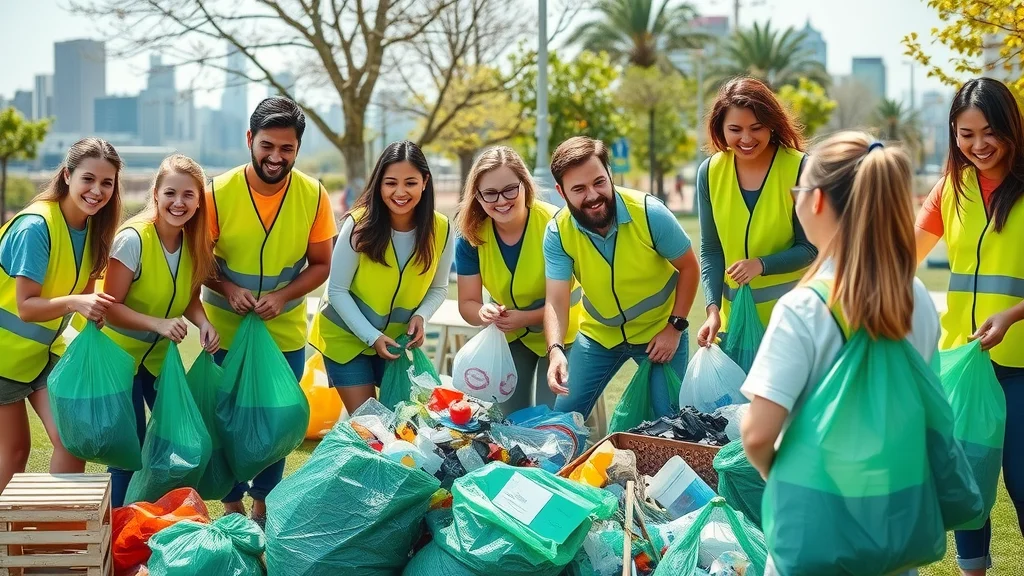
Around the globe, innovative solutions are transforming the fight against plastic pollution. For example, the Ocean Cleanup project uses giant floating barriers to remove tonnes of plastic from the world’s rivers before it can reach the ocean. Several cities have adopted high-tech recycling plants that use artificial intelligence and conveyor belts to sort and process mixed plastics for reuse. Community-driven initiatives, such as urban park and river cleanups, directly involve residents and result in not just cleaner environments, but higher local recycling rates and grassroots advocacy for long-term change.
Private companies are entering the arena too—some are developing plastic-to-fuel technologies, turning what was once waste into energy. Others are making biodegradable plastics from renewable materials like plants or algae, offering eco-friendly alternatives to traditional plastic products. These efforts demonstrate the importance of collaboration and highlight scalable models that other communities and organizations can emulate to tackle the global plastic crisis and stop plastic pollution at its source.
This video montage spotlights the far-reaching impact of global plastic pollution: from crowded rivers and cluttered shorelines to hopeful scenes of ocean cleanup and innovative recycling solutions. Visualizing the crisis helps reinforce why effective plastic waste removal is vital for environmental and public health.
Watch practical demonstrations of sorting plastic waste, using compactors, and joining community cleanups. Learn step-by-step how to integrate affordable methods for plastic waste removal at home, in business, or community settings.
People Also Ask About Plastic Waste Removal
What is the best way to get rid of plastic waste?
The best approach combines reducing plastic use, reusing whenever possible, and recycling eligible plastics through local waste management systems. Participating in take-back programs, supporting products made with recycled plastic, and advocating for better community infrastructure ensures that less plastic waste ends up in our environment. Efficient removal is achieved when all sectors—individuals, businesses, and governments—work in tandem to sort, collect, and process plastic responsibly.
How do you dispose of plastic waste?
To dispose of plastic waste properly, start by identifying plastics acceptable in your area’s recycling program. Clean and separate recyclable plastics, and place them in appropriate bins or drop-off centers. For items like plastic bags or packaging that are not accepted, seek out specialized collection points available at retail or public recycling hubs. Avoid burning or dumping plastics, as improper disposal harms the environment and public health.
What countries pollute the ocean the most?
While plastic waste is a global issue, countries with limited infrastructure—most notably in Southeast Asia (like Indonesia, the Philippines, and Vietnam)—account for much of the ocean’s plastic waste due to rapid urbanization and insufficient waste management programs. That said, all countries, including the United States, contribute to the global problem through improper disposal and export of plastic waste.
Are Coca-Cola bottles really 100% recycled?
While some Coca-Cola bottles use up to 100% recycled plastic in select markets, most are made with a mix of recycled and virgin plastics. The company has announced plans to increase the percentage of recycled material and reduce plastic use, but full-scale implementation varies by region. Always check the label or company’s official website for the latest details on bottle composition and recycling initiatives.
Practical Ways to Stop Plastic Pollution and Reduce Plastic Waste
- Switch to bulk or refillable packaging
- Participate in local plastic cleanups
- Advocate for corporate responsibility in plastic waste management
- Encourage legislative action to ban single-use plastics
Direct action is powerful: buy in bulk to reduce packaging waste, bring reusable bags and containers, join or organize neighborhood cleanup events, and pressure retailers and producers for environmentally sound packaging solutions. Support laws that limit single-use plastics and invest in products using recycled plastic. These steps not only lower the cost of plastic waste removal but help build resilient, sustainable communities dedicated to ending the plastic crisis.
FAQs About Plastic Waste Removal
-
What plastics can and cannot be recycled in most municipal programs?
Typically, clear PET (water bottles), HDPE (milk jugs), and some rigid plastics are accepted. Flexible films, polystyrene, and plastic bags are often not recyclable curbside—check your municipality’s official government website for specifics. -
How can communities set up effective plastic waste removal systems?
Communities succeed with clear sorting instructions, accessible drop-off points, regular pickups, and public engagement (like cleanups or education campaigns). Partner with local businesses for funding or space and coordinate with waste management organizations for logistics and monitoring. -
What are the environmental and social costs of improper plastic waste removal?
Improper removal leads to microplastics entering soil, water, and food, impacts wildlife, clogs urban drains, causes flooding, pollutes air through open burning, and damages tourism and community health—costs that far exceed responsible plastic waste management.
Key Takeaways: Removing Plastic Waste Without Breaking the Bank
- Small steps in plastic waste removal add up to a significant environmental impact.
- Affordable, environmentally sound plastic waste management is achievable at home and in business.
- Community, regulatory, and corporate action are vital to stop plastic waste and plastic pollution long-term.
Start Your Plastic Waste Removal Journey: Make Money, Save the Planet
Ready to make an impact and get rewarded? Join the CSR26 plastic credit program—turn your plastic waste removal efforts into cash and help save the planet. Make Money–Save the Planet with CSR26
If you’re interested in understanding how broader policy shifts and political actions can shape the future of environmental jobs and sustainability, consider reading about the impacts of recent government decisions on the renewable energy sector. Exploring why political actions threaten offshore wind jobs in America can provide valuable perspective on the interconnectedness of environmental policy, economic opportunity, and the drive for a cleaner planet. This knowledge can help you anticipate challenges and advocate more effectively for systemic change in both waste management and renewable energy.
Sources
- UNEP – Turning the Tide on Plastic Pollution
- U.S. EPA – Plastics: Material-Specific Data
- The Ocean Cleanup – Official Website
- Coca-Cola Sustainability: Plastics
- Our World in Data – Plastic Pollution
To further enhance your understanding of cost-effective and environmentally sound strategies for plastic waste removal, consider exploring the following resources: The U. S. Environmental Protection Agency’s guide, “What You Can Do to Reduce Plastic Waste”, offers practical actions individuals can take to minimize plastic waste, emphasizing reduction, reuse, and proper recycling practices. The National Resources Defense Council’s article, “10 Ways to Reduce Plastic Pollution”, provides actionable steps to decrease plastic pollution, including tips on reducing single-use plastics and improving recycling habits. These resources offer valuable insights and practical steps to help you implement effective plastic waste removal strategies without incurring overwhelming costs.


Write A Comment