

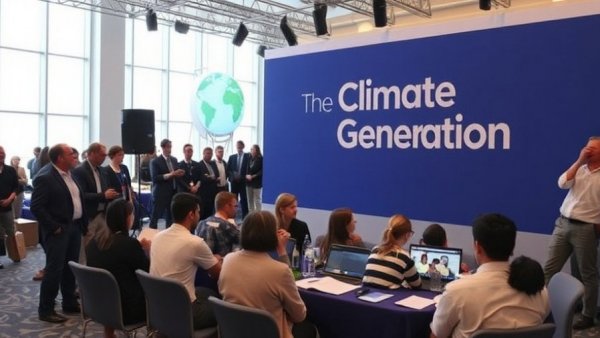
The Rise of the Climate Generation at COP31
As the world gathers at the United Nations’ COP31 climate summit in Antalya, Turkey, a palpable energy radiates from the youngest voices in the room. The youth of today, dubbed the 'climate generation,' are harnessing the power of activism and advocacy to significantly influence climate discussions. This generation encompasses both Gen Z and Gen Alpha, and they’re not just living through climate change—they are shaping the battle against it.
Empowered for Action
The call to action has been loud and clear since the global climate strikes began in 2019, spearheaded by young activists like Greta Thunberg. Demonstrating resilience in confronting climate issues, these young leaders have taken their fight beyond protests to legal challenges. For instance, 27 students from the University of the South Pacific have successfully pushed for a climate advisory opinion from the International Court of Justice, showcasing how youth can effect change on the global stage.
The Stakes for Children
At COP31, discussions surrounding the impact of climate change on children took center stage in remarkable ways. Notably, the draft agreements emphasized that the effects of climate change on children must be a primary concern for national planning. Climate change is actively reshaping educational landscapes in vulnerable regions, as seen in Bangladesh and Kenya, causing children to relocate and withdraw from education amidst environmental disasters. By recognizing their needs, advocates hope to ensure that solutions are inclusive and child-centered.
Challenges Faced
Despite promising discussions, the road to meaningful agreements has been bumpy. The negotiations at COP31 marked the longest in history, with major setbacks leading to no final decisions being adopted. A significant sticking point was the omission of fossil fuel references in the agreements, which alarmed representatives from multiple nations. The focus on agriculture—key to youth employment—was also troublingly absent from initial drafts, raising concerns about the future of youth living in agricultural communities.
A Space for Youth Voices
This year's summit has a dedicated venue for youth, the Children and Youth Pavilion, representing the growing acknowledgment of their impact and presence in climate discussions. The space, fully youth-led, aims to amplify their voices and concerns. COP31 Presidency Youth Climate Champion Sally Higgins emphasized the critical need for agricultural practices that are resilient to climate threats. Moreover, during a recent youth roundtable, Jayanti Bam, UNICEF’s youth advocate from Nepal, echoed sentiments that children must be listened to and acted upon in climate policy.
Looking Ahead
The sentiment around COP31 suggests that the climate generation is not just an observer of climate negotiations; they are a pivotal part of the narrative moving forward. Although negotiations faced hurdles, the presence and advocacy of youth are undeniably changing the landscape of global climate discussions. In a world desperately seeking solutions, empowering the climate generation may well be the key to achieving meaningful change.
As we move beyond COP31, the challenge lies not only in recognition but in actionable changes that uplift young voices ready to lead. These young leaders are not just seen—they are being listened to, and their perspectives are becoming integral to shaping a sustainable future.






Write A Comment