
Add Row
Add Element
Echo-Innovation Hub Logo
update
Eco-Innovation Hub
update
Add Element
  • Home
    • Categories
      • Plastic Waste Impact
      • Eco-Tech
      • Green Living
      • DIY Sustainability
      • Innovation Spotlight
      • Expert Insights
      • Product Reviews
      • Community Voices
    • Featured Business Profiles
    • All Posts
    • Eco-Tech
    • Green Living
    • DIY Sustainability
    • Innovation Spotlight
    • Expert Insights
    • Product Reviews
    • Plastic Waste Impact
    • Community Voices
    • Featured Business Profiles
    August 12.2025
    2 Minutes Read

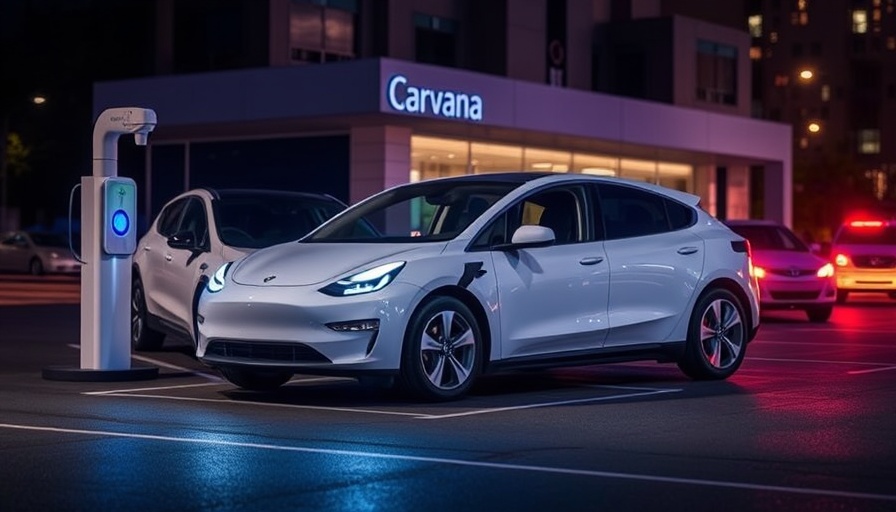
    Electric Vehicle Sales Surge at Carvana: What Does This Mean?

    EV Sales Surge on Carvana

    The Electric Vehicle Sales Surge: What's Driving Change?

    2025 is shaping up to be a remarkable year for electric vehicle (EV) sales in the United States, despite some ups and downs. With traditional automakers clawing for a share of the rapidly expanding market, Carvana has emerged as a surprising player, reporting an impressive increase in EV and plug-in hybrid vehicle (PHEV) sales.

    Carvana's Record EV Sales Growth

    In Q2 2025, EVs and PHEVs accounted for an impressive 9% of Carvana's unit sales, a significant jump from just over 2% in the same quarter in 2023. This shift highlights a growing acceptance of electrified vehicles among consumers, largely facilitated by Carvana's unique business model of online sales, which appeals to a tech-savvy, environmentally-conscious demographic.

    Expanding Options: The Key to Consumer Interest

    Another factor contributing to the surge in sales is Carvana's expanded selection of electrified vehicles. The company has increased its offerings of EV make/model combinations by 66% since Q2 2023, while PHEV options have doubled. This growing variety caters to diverse consumer preferences, allowing potential buyers to find vehicles that fit their lifestyles more comfortably.

    The SUV Dominance in Electrification

    In a notable trend, SUVs now dominate the sales of electrified vehicles. Surpassing sedans and hatchbacks, SUVs accounted for nearly 44% of all EV and PHEV sales in Q2 2025, up from just 24% in Q2 2023. This transition indicates a strong market preference for larger vehicles, especially as more electrified SUV options become available. Carvana’s Executive Vice President of Strategy, Christina Keiser, emphasized how these shifts reflect evolving customer desires.

    Future Challenges and Opportunities

    As October approaches, the impending expiration of the $4,000 used EV tax credit raises questions about future demand. Whether this will lead to a decrease in sales or a adjustment in pricing remains to be seen. Analysts are debating whether the market will absorb the additional costs or if sales will dip as financial incentives fade away.

    Long-Term Impact and Market Transformation

    A critical insight is that the EV market is rapidly evolving. The past few years have seen the introduction of numerous long-range mass-market electric vehicles. As these models reach the third to fifth-year mark in the used-car market, their availability and affordability increase, making EVs more accessible to a broader audience. Therefore, regardless of short-term market fluctuations, the long-term prospects for EV adoption remain strong.

    Conclusion: Embracing the Electrified Future

    This significant increase in EV sales through platforms like Carvana marks a pivotal point in the automotive industry’s transition to electrification. With growing consumer interest fueled by expanded options and evolving best-seller preferences, it’s clear that electric vehicles are no longer a novelty but are becoming a foundational element of the automotive market. As the shift continues, establishing trends will reveal how businesses and consumers adapt to the increasing electrification of mobility.

    Eco-Tech

    5 Views

    0 Comments

    Write A Comment

    *
    *
    Related Posts All Posts
    01.18.2026

    Trump's Geothermal Energy Advocacy: Could It End Fossil Fuels' Hold?

    Update Trump's Geothermal Strategy: Embracing Renewables While Hugging Fossil Fuels As President Donald Trump embarks on his renewed term with a focus on energy independence, the U.S. geothermal industry finds itself at the forefront of a significant shift. Despite historical reliance on fossil fuels, recent policies signal a newfound support for geothermal energy, allowing it to thrive alongside traditional energy sources like coal, oil, and natural gas. What Makes Geothermal Energy So Compelling? Geothermal energy stands out as a reliable and continuous power source, providing energy 24/7, unlike solar and wind, which depend on weather conditions. Its potential to meet the rising energy demands from various sectors, such as data centers, has garnered attention. Former Energy Department officials highlight geothermal's viability, especially with the right technological innovations and regulatory support. Geothermal's Position: A Mixed Blessing? Despite the push toward geothermal, there is concern over the administration's commitment and consistency. Programs that promote geothermal technology, such as the Geothermal Power Accelerator, aim to streamline project development and reduce operational costs across 13 states. Yet, former officials voice apprehensions that inadequate funding and regulatory clarity may stifle growth. Challenging the Fossil Fuel Titans Geothermal energy is poised to challenge traditional fossil fuels by offering a cleaner, renewable alternative. Enhanced geothermal systems that leverage advanced drilling techniques, borrowed from the oil and gas sectors, can access previously unreachable geothermal resources. With investments from companies like Fervo Energy and policy backing from the Biden administration, new geothermal initiatives are expected to emerge, potentially transforming the U.S. energy landscape. A Greener Future in Utah? With significant geothermal projects underway in Utah, including the promising Cape Station, the state could become a beacon for geothermal innovation. Investments are expected to continue in states with existing geothermal reserves, paving the way for a cleaner, more sustainable future. Conclusion: The Path Forward for Geothermal As the conversation around energy policy continues, geothermal energy's ability to replace fossil fuels while delivering stable power is crucial. However, overcoming the regulatory barriers and ensuring investor confidence will be key to unlocking its full potential. As the technological landscape evolves, so too will the discussions around energy independence and sustainability in the U.S. Let's keep an eye on the evolving role of geothermal energy in this crucial transition.

    01.17.2026

    Trump's Approach Fuels China's Growing Global Influence: What It Means for Us

    Update The Rise of China Amidst U.S. Isolation As global perceptions shift, a recurrent theme has emerged: China's increasing influence stems largely from U.S. foreign policy missteps, particularly under Donald Trump's administration. A recent global survey revealed that in countries across the globe, a substantial majority expect China’s global influence to grow over the coming decade. This is particularly concerning for many U.S. allies who feel that their safety and diplomatic ties with the U.S. are under threat. Shifting Alliances in a Multipolar World Historically, America has held a dominant position on the world stage, often acting as a stabilizing force in international relations. However, recent actions, including threatening coercion towards Greenland and withdrawing from multiple international agreements, have resulted in growing skepticism regarding U.S. reliability. This skepticism is especially pronounced among European allies, many of whom now view the U.S. as either a rival or a potential adversary. In these times of turmoil, countries such as India, Brazil, and South Africa are leaning notably more towards China, often seeing it as a necessary partner in various fields, particularly in renewable energy and trade. The Consequence of America First: What It Means for Global Stability With Trump's administration advocating for an isolationist and 'America First' approach, the implications for global stability are severe. As the U.S. pulls back from international institutions and agreements, other nations are taking on a more proactive stance in formulating their foreign policies. This has created an international landscape where the reliance on traditional alliances is diminishing and the age of multipolarity is gaining traction. The findings suggest that without a cohesive and internationally collaborative approach from the U.S., the global order may tip toward greater unpredictability. Future Predictions: The Ongoing Great Power Competition The trajectory projected for U.S.-China relations indicates the possibility of increased tension. Many experts predict that as China bolsters its technological and military capabilities, the U.S. will need to reconceptualize its leadership in global governance. With existing power dynamics shifting, the Biden administration faces the challenge of regaining trust among allies while addressing rising competition from Beijing. Actions Speak Louder: The Impact of Recent Policies In his first moves of 2026, Trump escalated tensions through a controversial invasion of Venezuela, revealing his administration's aggressive strategic stance. With such actions, the U.S. has been perceived less as a beacon of democracy and more as a nation seeking dominance at the expense of others. The potential consequences are grave, with conflict forecasts predicting significant increases in battle-related deaths globally, particularly in areas where U.S. interventions occur. Conclusion: Seeking New Leadership in a Changeable World As the international landscape continues to evolve, Americans should contemplate the implications of an increasingly assertive China and the potential fragility of traditional alliances. With growing fear that America is becoming less influential, there is a need for a concerted effort towards forging ahead with sustainable foreign policies that consider environmental challenges alongside global partnerships. Understanding these dynamics not only prepares us for future shifts but can also empower individual and collective actions toward a more stable multipolar world.

    01.16.2026

    Trump's Redirecting of Pollution Control Funds: Consequences for Coal and Renewable Energy

    Update How Coal Plants Are Being Supported Amid Growing Renewable Trends In a controversial move, the Trump administration plans to redirect funding originally allocated for pollution control to revive aging coal plants, raising eyebrows among environmental advocates. As reported by Politico, this initiative not only undermines efforts to combat air pollution and climate change but also highlights a growing tension between traditional energy sources and rapidly advancing renewables. This approach, characterized by the Sierra Club's Beyond Coal Campaign Director Laurie Williams as reckless, signals a profound disregard for public health and the future of sustainable energy. Coal vs. Renewables: A Shifting Landscape The last decade has seen a dramatic shift in the U.S. energy landscape, with utilities opting to retire over 158 coal plants due to competitive pressures from more affordable and cleaner energy sources like wind and solar. This shift reflects broader trends in energy consumption, where a significant number of Americans are increasingly interested in supporting green technology. The cost-effectiveness of alternatives to coal has prompted an industry pivot, as documented by a host of studies exploring the economic benefits of transitioning to renewable energy. Environmental Implications: The Cost of Polluting Energy Redirecting funding towards coal not only impacts energy pricing but also poses substantial health risks. The Sierra Club cautions that increased pollution from coal plants will lead to more respiratory illnesses and environmental degradation. As air quality deteriorates, communities may face increased healthcare costs and reduced quality of life. Williams aptly noted that this decision contradicts any claims of prioritizing public health, indicating that the administration is favoring economic ties with the fossil fuel industry over the welfare of American citizens. Resistance from Environmental Advocacy Groups Environmental organizations have reacted vehemently against the move to prop up coal plants. As the largest grassroots environmental organization in the U.S., the Sierra Club aims to protect both the planet and public health through advocacy and activism. With millions of supporters, they are positioned to challenge this decision at local, state, and federal levels, rallying communities around more sustainable practices and advocating for cleaner energy options. The response from the Sierra Club and similar organizations will likely shape public opinion and policy discussions going forward. Future Directions: The Path Forward for Energy Policy The redirection of these funds raises urgent questions about the future of energy policy in the U.S. Experts suggest that for the country to meet its climate goals, a more strategic focus on renewable energy development and investment could yield more significant environmental benefits than preserving coal, which is becoming increasingly expensive to operate. Alternatives such as solar and wind not only offer cleaner options but foster job creation and stimulate economic growth in emerging sectors. What Citizens Can Do: Engaging in the Energy Debate As citizens, engaging in this discourse is crucial. Individuals can advocate for sustainable energy policies by contacting their representatives, participating in local environmental initiatives, and educating themselves about the benefits of renewable energy. A collective push towards cleaner alternatives could influence future legislative actions and encourage a faster transition away from polluting energy sources. This contentious issue highlights the need for informed dialogue surrounding energy choices in America. It is an opportunity for consumers to steer the conversation towards sustainability and advocate for policies that prioritize long-term environmental stewardship over short-term financial gain.

    Terms of Service

    Privacy Policy

    Core Modal Title

    Sorry, no results found

    You Might Find These Articles Interesting

    T
    Please Check Your Email
    We Will Be Following Up Shortly
    *
    *
    *