


Did you know? The 5,000-acre data center campus in Montana is poised to become one of the world’s largest hubs for sky digital infrastructure, blazing a trail for digital transformation far beyond traditional tech centers. This expansive digital infrastructure campus isn’t merely changing the skyline—it’s redefining how data powers economies, communities, and the very fabric of our digital future. In the following article, you’ll discover why this incredible project is capturing national attention, setting the standard for sustainability, and positioning Big Sky country as an innovation powerhouse.
A New Era for Data Centers: The Unprecedented Scale of the 5,000-acre Data Center Campus in Montana
The arrival of the 5,000-acre data center campus in Montana signals a turning point for how we perceive and build data infrastructure in the United States. While tech giants have clustered data centers in urban or coastal hubs, the vast prairie north of Billings, Montana, now hosts what many call the next generation of sky digital infrastructure. The scale is simply unmatched; imagine a campus larger than many towns, engineered from the ground up to serve cloud computing, artificial intelligence, and beyond. By tapping into Montana’s vast renewable energy reserves—wind, solar, and potential battery energy storage—the campus not only amplifies digital capabilities but also rewrites the blueprint for sustainable tech. The ramifications for Yellowstone County, the broader state, and the digital economy are immense, ushering in opportunities for Montanans and setting an example for global infrastructure ambitions.
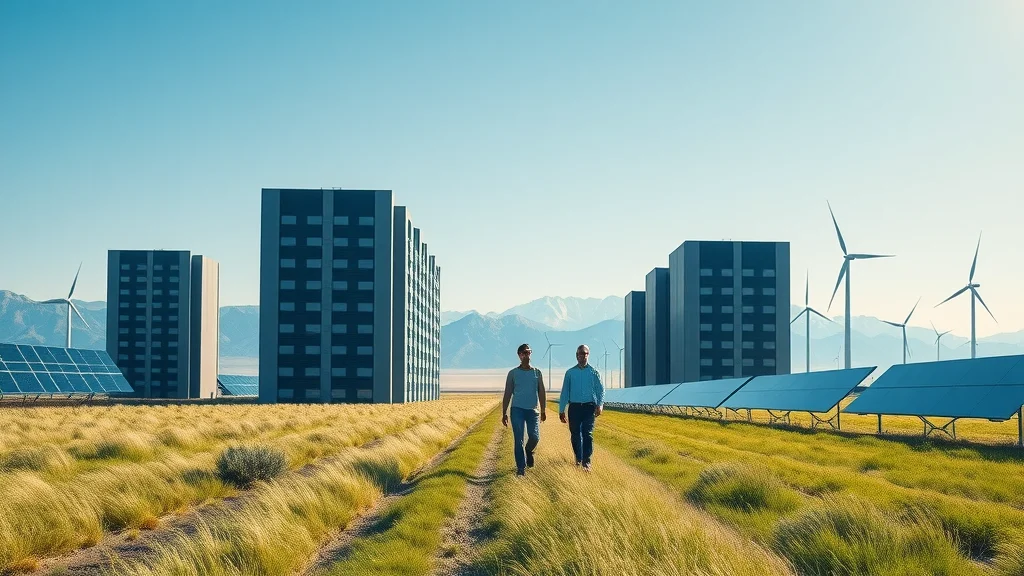
Opening Insights: The Impact of Scale in Digital Infrastructure
The sheer magnitude of this digital infrastructure campus is not just a marvel of engineering; it marks a profound evolution in how data centers intersect with society and the environment. Where traditional data center projects might occupy a handful of acres, Montana’s sky campus sprawls over miles, enabling unprecedented levels of scalability. This scale enables the deployment of next-generation technology—think artificial intelligence computation, grid power balancing for utilities like Northwestern Energy and Talen Energy, and advanced battery energy storage to manage renewable inputs. With data now as vital as water or electricity, such sizable infrastructure provides the backbone for a modern, resilient digital economy.
As the digital infrastructure landscape evolves, it’s important to recognize how large-scale projects like Montana’s campus can be influenced by broader policy and economic factors. For example, shifts in political actions have had significant impacts on renewable energy sectors, as seen in the recent challenges facing offshore wind jobs in America, highlighting the interconnectedness of infrastructure growth and national policy.
"The 5,000-acre data center campus in Montana isn’t just another server farm—it’s a shift in digital possibility."
What You'll Learn from the 5,000-acre Data Center Campus in Montana
- How massive data centers change digital infrastructure
- The intersection of big sky vision and sky digital infrastructure
- What sets Quantica Infrastructure apart
- The long-term effects for Yellowstone County and beyond
Big Sky Digital Infrastructure: Setting the Bar with the 5,000-acre Data Center Campus in Montana
Big Sky, Big Innovation: Digital Infrastructure on a New Dimension
The big sky digital infrastructure approach isn’t simply about size. It’s defined by unmatched scalability, a commitment to optimizing renewable energy such as wind and solar, and a focus on regional impact—especially in Yellowstone County. The campus provides a strategic, scalable solution capable of handling the world’s data and energy needs while supporting sustained regional economic growth. It also introduces next-gen sky digital infrastructure—a blend of cloud, edge computing, and resilient grid power—placing Montana at the epicenter of digital innovation. This is not a distant Silicon Valley pipe dream; it’s happening today, right in the heart of the American West.
- Unmatched scalability
- Regional economic growth
- Next-gen sky digital infrastructure
- Strategic location in Yellowstone County
How the 5,000-acre Data Center Campus in Montana Redefines Data Centers Globally

A Technological Leap: Modernizing Global Digital Infrastructure
The 5,000-acre data center campus in Montana doesn’t just set a new benchmark domestically—it redefines what’s possible for digital infrastructure worldwide. By integrating advanced renewable energy systems, massive scale, and high-density computing, this campus stands as a true digital infrastructure campus for the 21st century, supporting everything from real-time AI applications to national-scale cloud services. Its architecture anticipates not only today’s needs but future-proofs against tomorrow’s, illustrating how a well-designed digital foundation can enable a vibrant, thriving digital economy. This leap forward, fostered by Quantica Infrastructure and partners, addresses pressing challenges like grid power efficiency, carbon reduction, and technological equity for underserved regions.
| Attribute | 5,000-acre Data Center Campus | Traditional Data Center Sites |
|---|---|---|
| Scale | Sprawling 5,000 acres – unmatched for expansion and energy integration | Typically under 50 acres |
| Sustainability | Planned for full integration with renewable energy (wind, solar, battery energy storage) | Often reliant on grid energy, limited renewables |
| Digital Innovation | Supports large-scale AI, edge computing, grid services, and resilient operations | Limited by physical size and legacy systems |
| Community Impact | Drives regional economic growth, job creation, new opportunities for Montana | Typically smaller local impacts |
The Visionaries: Quantica Infrastructure and Big Sky Digital Infrastructure at the Forefront
Quantica Infrastructure’s Strategic Role in Big Sky Digital Infrastructure
Quantica Infrastructure is the catalyst behind this colossal project—a developer recognized for designing sky digital infrastructure to serve the needs of tomorrow’s technology landscape. Their strategy is bold: create a digital infrastructure campus that not only responds to today’s explosive data demand but actually shapes the future of digital economies for regions like Montana and, by extension, the global marketplace. Quantica’s leadership in integrating energy-efficient designs, fostering sustainable partnerships, and championing the concept of the big sky campus places Montana at the epicenter of digital progress. By aligning with local interests and state priorities, they help ensure that opportunities for Montanans are firmly embedded in every stage of project execution.
"Our ambition is not just to serve today’s data—it’s to shape tomorrow’s digital economy." – Quantica Infrastructure Spokesperson
Why Yellowstone County Is the Perfect Home for the 5,000-acre Data Center Campus in Montana
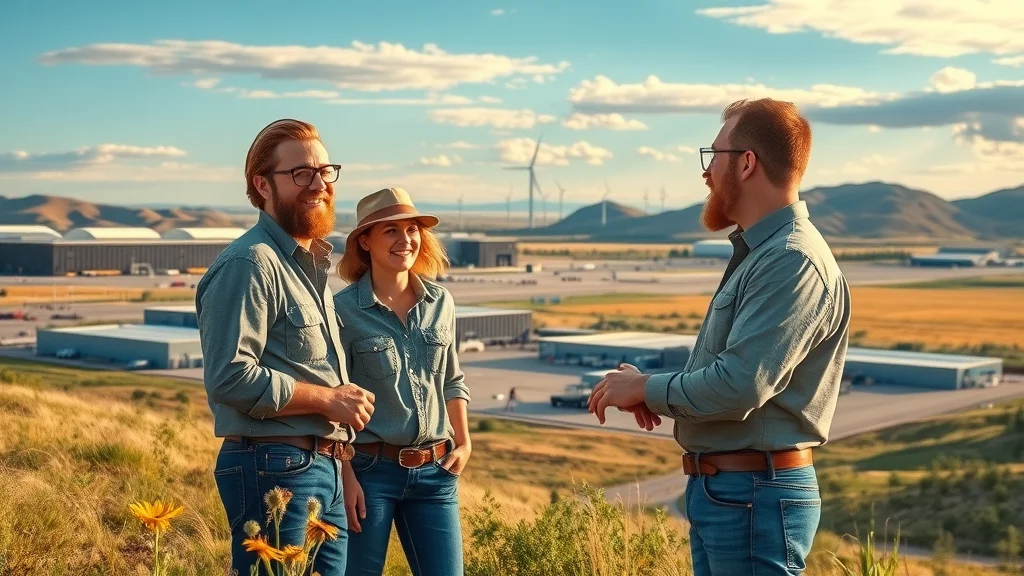
Yellowstone County Advantages: Big Sky, Energy, and Expansion
With its vast, open landscapes and ready access to key energy and infrastructure resources, Yellowstone County provides an ideal foundation for the sky campus project. Here, land is abundant and affordable, giving plenty of room for future scaling and modular growth. The county’s robust connectivity via major transport and energy corridors (including the presence of NorthWestern Energy and regional battery energy storage) ensures the campus’s success. Perhaps most compellingly, Yellowstone County is positioned at the crossroads of tradition and innovation—a place where the digital infrastructure campus can both honor the past (powered our history) and chart a course for the future, all while creating opportunities for Montanans to thrive in the digital age.
- Plentiful land for scaling data centers
- Renewable energy potential
- Strong local digital infrastructure
The Economic Ripple: Benefits of the 5,000-acre Data Center Campus for Big Sky and Montana
Job Creation, Innovation, and Big Sky Digital Development

The economic impact of the 5,000-acre data center campus in Montana flows far beyond the walls of server halls. Big Sky digital infrastructure means more than just technology—it means new jobs for local engineers, construction workers, and IT professionals. It paves the way for new startups and spurs real estate development in Yellowstone County, driving a digital ecosystem that benefits businesses, families, and education. The economic ripple effect is profound, fostering job creation in fields like maintenance, security, operations, and grid power management. As big sky campus momentum grows, Montana becomes a magnet for innovators, investors, and tech talent—transforming what was once primarily ranchland into a hotbed of digital opportunity for all Montanans.
Sky Digital Infrastructure and Sustainable Innovation on a Grand Scale
Eco-Friendly Approaches in Digital Infrastructure
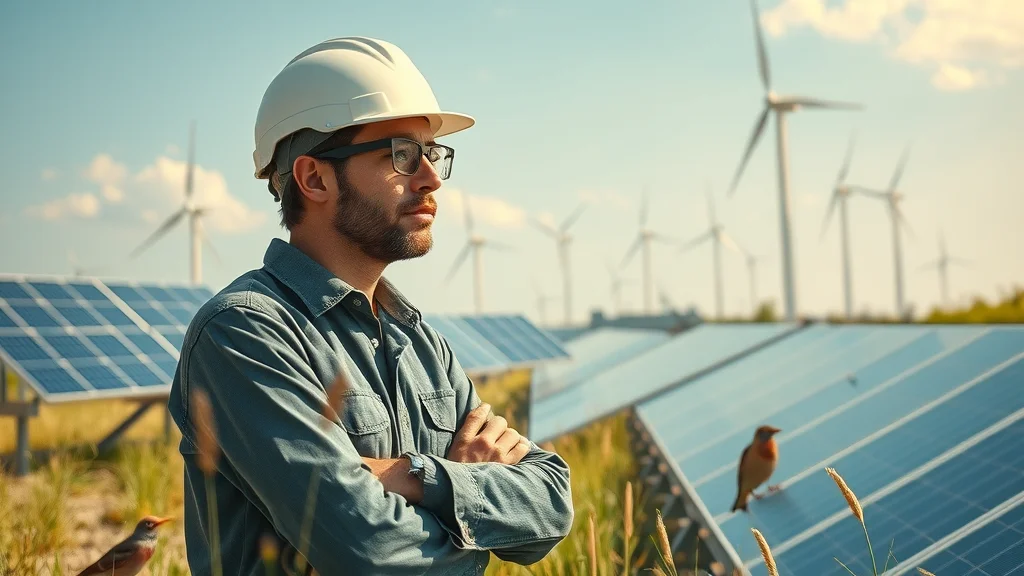
Perhaps the most powerful legacy of the 5,000-acre data center campus in Montana lies in its sustainability ambitions. By prioritizing renewable energy—solar fields, wind turbines, and creative battery energy storage solutions—the site sets a global precedent for eco-friendly sky digital infrastructure. These innovations not only slash carbon emissions but also enable the power plant-like grid flexibility that next-gen digital infrastructure demands. As more businesses and communities demand green solutions, the Montana project proves that economic development, digital growth, and environmental stewardship are not mutually exclusive, but symbiotic paths to a resilient future. The commitment is clear: to power Montana’s future without compromising its iconic big sky or natural resources.
Community Voices: Local Leaders React to the 5,000-acre Data Center Campus
"This campus positions Montana at the cutting edge of global sky digital infrastructure." – Yellowstone County Official
Local leaders from Yellowstone County have been quick to acknowledge the transformative nature of the campus. Elected representatives and business owners highlight not just the opportunities for Montanans, but the drive to create a tech-friendly environment that honors the region’s values. Community integration efforts—from supporting workforce development to environmental stewardship—demonstrate that this isn’t just an “imported” tech project. It’s a grassroots partnership: a digital infrastructure campus designed to lift the entire region in tandem with the sky digital revolution.
Challenges Facing the 5,000-acre Data Center Campus in Montana
Balancing Growth, Sustainability, and Community Needs
No transformation comes without its hurdles. For the 5,000-acre data center campus in Montana, balancing explosive growth with sustainable energy, eco-system preservation, and seamless community integration can be a tightrope walk. Environmental concerns—such as land use, water management, and grid impact—remain front of mind. Infrastructure investment, both private and public, must keep pace with increasing demands on local services and utilities. And, critically, ongoing community input ensures the sky campus evolves to meet not only business targets but public expectations. The story of sky digital infrastructure here is about finding harmony between progress and responsibility.
- Environmental concerns
- Infrastructure investment
- Community integration
People Also Ask: Big Sky Digital Infrastructure and the 5,000-acre Data Center Campus
What makes the 5,000-acre data center campus in Montana unique compared to others?
The sheer scale of the campus, innovative use of sky digital infrastructure, and its strategic location in Yellowstone County distinguish this center from traditional data centers.
How does the 5,000-acre campus impact digital infrastructure and local economy?
It serves as an anchor for big sky digital infrastructure growth and brings significant economic benefits and technology opportunities to Montana.
Who is Quantica Infrastructure and what is their role in this project?
Quantica Infrastructure is a leading developer of digital infrastructure, spearheading innovation and execution for the 5,000-acre data center campus.
Is the data center campus environmentally sustainable?
Sustainability is a core goal, with renewable energy solutions and resource-efficient sky digital infrastructure being implemented at scale.
FAQs about the 5,000-acre Data Center Campus in Montana
What is digital infrastructure and why does it matter for Montana?
Digital infrastructure refers to the physical assets and technologies that power our modern digital lives—including data centers, fiber networks, cloud computing, and more. For Montana specifically, enhancing this infrastructure is critical for economic growth, job creation, access to information, and participation in the global digital economy.
How large is 5,000 acres in context to traditional data centers?
5,000 acres is an order of magnitude larger than most data center sites, which typically occupy a few dozen acres. This size allows for on-site renewable energy, scalable data hall expansion, and support for huge computational loads beyond what’s possible at conventional facilities.
How will big sky benefit from this new digital infrastructure?
Big Sky will benefit through enhanced internet and data services, new tech jobs, infrastructure investment, and positioning Montana as an attractive destination for tech companies and cloud-driven investment. The ripple effect extends from education to entrepreneurship and community vibrancy.
Key Takeaways: Why the 5,000-acre Data Center Campus in Montana Is a Game Changer
- The 5,000-acre campus redefines scale for sky digital infrastructure
- Advances Montana as an innovation hub
- Sparks local growth and digital economy
Conclusion: The Future of Data Centers Begins at the 5,000-acre Data Center Campus in Montana
The 5,000-acre data center campus in Montana is setting new standards for digital infrastructure, sustainability, and opportunity—ushering in a bold new era for Montana, and the world.
As Montana’s digital infrastructure continues to evolve, understanding the broader forces shaping the industry becomes even more crucial. If you’re interested in how national policy decisions can influence the trajectory of renewable energy and technology jobs, explore the in-depth analysis on the impacts of political actions on offshore wind employment in America. This perspective offers valuable context for anyone invested in the future of sustainable innovation, highlighting the importance of proactive strategies and informed advocacy as we build the next generation of digital and energy infrastructure.
Ready to Engage? Open Link in new browser to start "Talk Fusion" today: https://seamandan.talkfusion.com/en
Sources
- Data Center Frontier – https://datacenterfrontier.com/big-sky-digital-campuses-montana
- Quantica Infrastructure – https://www.quantica-infrastructure.com/projects/montana-campus
- U.S. Department of Energy – https://www.energy.gov/articles/renewable-energy-potential-montana
- Missoula Current – https://missoulacurrent.com/data-center-campuses-montana/
The 5,000-acre data center campus in Montana, spearheaded by Big Sky Digital Infrastructure (BSDI), is set to become a transformative force in digital infrastructure. This expansive project, located near Billings, Montana, aims to integrate renewable energy sources, including wind and solar, with advanced battery storage systems, providing an initial capacity of 500 MW, scalable up to 1 GW. The campus is designed to support the growing demands of hyperscale, AI, and cloud computing, positioning Montana as a significant player in the digital economy. (datacentremagazine. com) Quantica Infrastructure, the parent company of BSDI, emphasizes the project’s commitment to sustainability and community development. The integration of renewable energy and resilient power solutions aims to meet both customer and community needs, while the development is expected to create numerous construction and permanent jobs, boosting local economic growth and workforce training. (businesswire. com) Furthermore, the campus will feature extensive fiber-optic connectivity, linking to major metropolitan areas and enhancing regional telecommunications infrastructure. This strategic integration of energy and digital resources underscores the project’s role in advancing Montana’s position in the digital age. (telcomagazine. com) For a comprehensive overview of the project’s scope and impact, refer to the article “BSDI Announces 500MW Data Centre Campus in Montana” on Data Centre Magazine. (datacentremagazine. com) Additionally, Quantica Infrastructure’s official announcement provides detailed insights into the development plans and objectives of the Big Sky Campus. (businesswire. com) These resources offer valuable perspectives on how the 5,000-acre data center campus in Montana is set to redefine digital infrastructure and economic growth in the region.


Write A Comment