


Did you know that over 8 million metric tons of plastic enter our oceans every year? This staggering fact highlights the urgent need for innovative ocean cleanup initiatives to rescue our seas from the grip of plastic pollution. In this article, you’ll uncover surprising truths about the scale of ocean cleanup, discover how technology and communities are fighting ocean plastic pollution, and learn actionable ways you can get involved and even earn rewards for helping save our planet’s most vital ecosystems.
Startling Facts: The True Scale of Ocean Cleanup Initiatives and Ocean Plastic Pollution
- Every year, over 8 million metric tons of plastic waste flow into our oceans — that’s the equivalent of a garbage truck dumping its plastic load into the sea every minute.
- The Great Pacific Garbage Patch is now estimated to cover an area larger than France, filled with trillions of pieces of ocean plastic debris.
- Single-use plastics, such as plastic bags and bottles, make up the majority of ocean plastic, threatening over 700 marine species including the endangered sea turtle.
- By 2050, it’s predicted that the weight of plastic in the ocean could surpass the weight of all fish, if plastic pollution continues unchecked.
- International coastal cleanup events have removed hundreds of thousands of metric tons of plastic waste from local beaches and shorelines worldwide — but this is just a fraction of the ocean plastic floating at sea.
- Less than 10% of all plastic produced has been recycled, while the remainder often ends up as plastic debris polluting our oceans and affecting life and ecosystems.
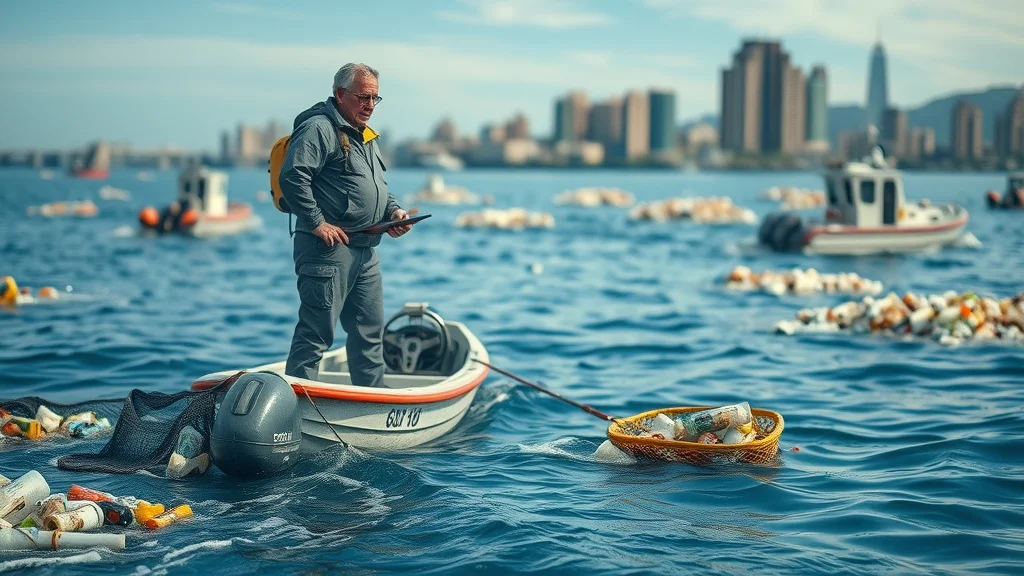
"Over 8 million metric tons of plastic waste enter our oceans each year – a crisis demanding immediate ocean cleanup initiatives."
What You'll Learn About Ocean Cleanup Initiatives
- How ocean cleanup initiatives are revolutionizing the fight against ocean plastic and plastic pollution
- The latest technologies and grassroots coastal cleanup events tackling ocean plastic pollution
- Why urgent action against plastic waste is crucial for sea turtles, marine species, and our ecosystems
- How you can support these global movements — and even benefit financially — through the CSR26 plastic credit program
Understanding Ocean Cleanup Initiatives: Solutions to Plastic Pollution
The Rise of Ocean Cleanup Projects
The world has woken up to the environmental emergency posed by ocean plastic pollution. As plastic debris accumulates in massive “garbage patches” such as the Great Pacific Garbage Patch, trailblazing ocean cleanup initiatives have emerged across the globe. Non-profits, innovative tech start-ups, government agencies, and grassroots movements all share a common goal: to dramatically reduce the volume of plastic waste contaminating our seas. These initiatives range from deploying large-scale, solar-powered cleaning devices in the open ocean to mobilizing community volunteers in coordinated coastal cleanup events along every continent’s shores. The exponential growth of these projects demonstrates an undeniable momentum for change, empowering citizens, engineers, and policy-makers to unite for a cleaner ocean.
Notably, ocean cleanup is no longer just about picking up litter — it’s a sophisticated, multi-layered operation. Projects now include ocean-bound plastic recovery, river interception systems to halt plastic waste before it escapes to the sea, and international collaboration that ensures action is both local and global. This remarkable rise in coordinated initiatives signals a hopeful turning point in how society tackles the daunting challenge of ocean plastic pollution, paving the way for healthier oceans and a sustainable future.
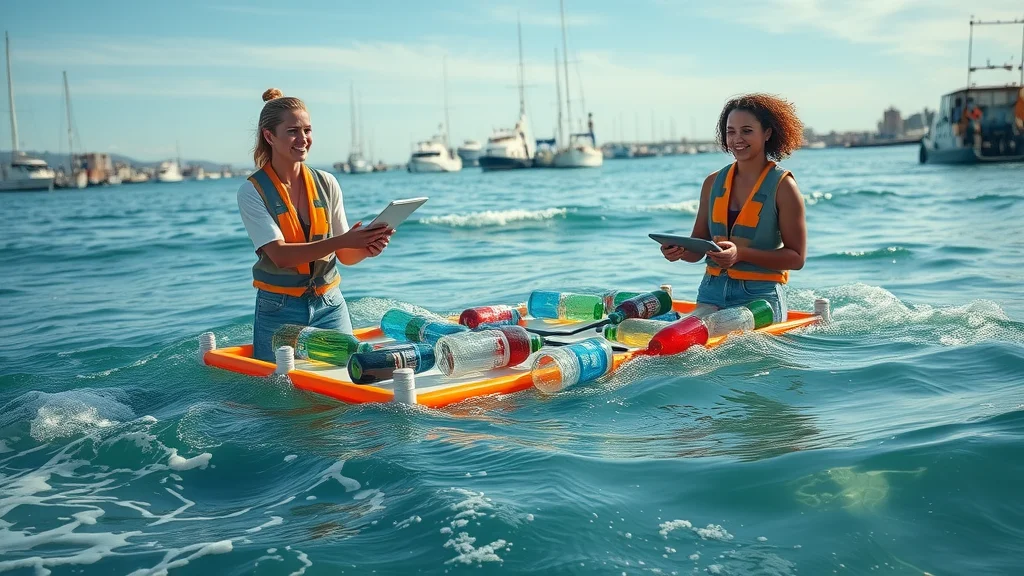
While ocean cleanup initiatives are making significant strides, the broader landscape of environmental action is shaped by many factors, including political decisions and policy changes. For example, shifts in government priorities can have a direct impact on the growth of green jobs and the effectiveness of sustainability projects. If you're interested in how political actions can influence renewable energy sectors, explore the impacts of recent administration policies on offshore wind jobs in America for a deeper understanding of these interconnected challenges.
How Ocean Cleanup Initiatives Target Ocean Plastic Pollution
Modern ocean cleanup initiatives employ a diverse arsenal of solutions to address the vast and complex problem of ocean plastic. Large-scale technologies, such as floating barriers and conveyor systems, are designed to collect plastic debris from the surface of the water, targeting zones like the infamous Pacific Garbage Patch. These systems guide ocean plastic into centralized collection points, where it can be retrieved and properly managed to prevent further harm to marine life and ecosystems.
Meanwhile, upstream solutions focus on remove plastic waste before it ever reaches the ocean. River booms, filtration devices, and even AI-powered sorting systems intercept tons of plastic at the source. By combining these technological advances with policy reforms and public education, ocean cleanup initiatives are attacking the plastic pollution crisis at both ends — reducing new waste inflow while systematically removing decades of accumulated plastic debris from ocean waters. Together, these strategies represent a comprehensive, science-driven approach that’s transforming the outlook for our seas.
International Coastal Cleanup: Global Actions Against Ocean Plastic
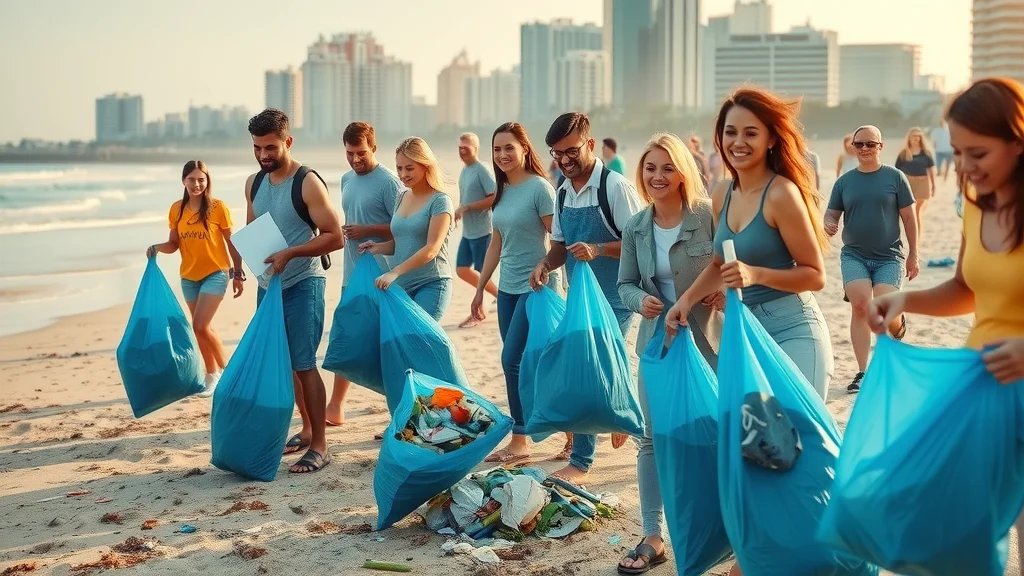
The movement to clean our oceans is truly global, as spearheaded by annual efforts like the International Coastal Cleanup organized by Ocean Conservancy. Each year, millions of volunteers across over 100 countries unite for massive coastal cleanup events, collecting everything from plastic bags and bottles to fishing gear and microplastics. These events are critical, not just for the large volumes of waste removed from local beaches, but also for the powerful message they send about global responsibility for plastic pollution.
Over time, the data collected from these coastal cleanup events helps inform policymakers and guides the development of more effective plastic waste management laws. From the beaches of Southeast Asia to the rocky shores of Europe and the Americas, international coastal cleanups have proven the vital role that citizen action plays in restoring the health and beauty of our world’s oceans. These coordinated actions exemplify a global movement committed to reducing ocean plastic pollution, inspiring individuals to contribute directly to a cleaner, healthier ocean for all.
Why Ocean Plastic Pollution Demands Immediate Action
- Threatens marine life: Plastic debris and microplastics are deadly for sea turtles, fish, and other marine species — often mistaken for food or causing entanglement.
- Disrupts ecosystems: Accumulated plastic waste damages coral reefs, alters food chains, and disrupts delicate ecosystems.
- Harms human health: Microplastics move up the food chain, ending up in seafood, water supplies, and ultimately our bodies.
- Destroys tourism and local economies: Pollution reduces beach quality, deters tourists, and increases waste management costs for coastal communities.
- Ocean cleanup initiatives are essential to reversing these cascading risks and protecting our planet’s blue heart.
Plastic Pollution's Impact on Sea Turtles and Marine Life
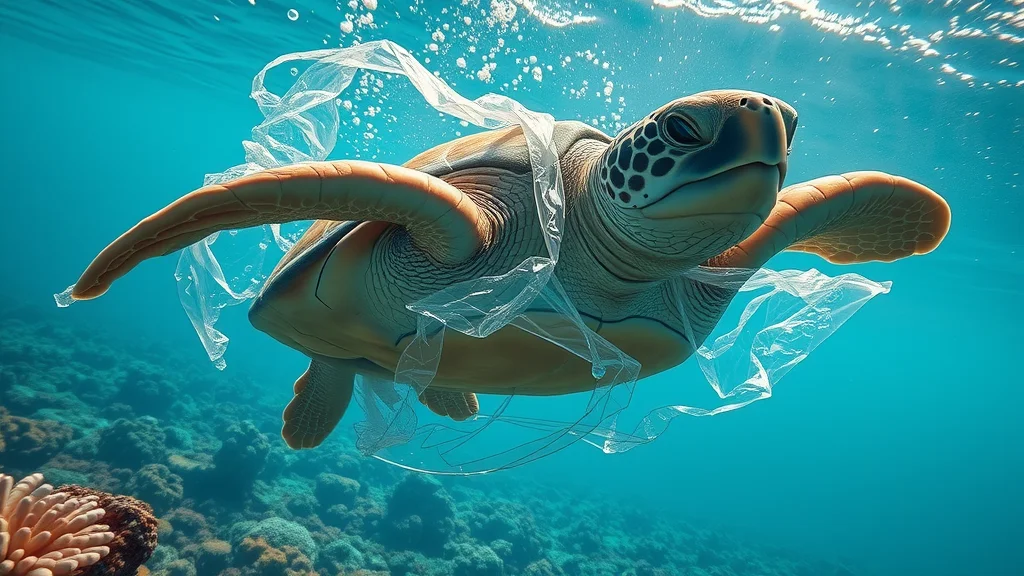
Few images are as haunting as a majestic sea turtle trapped in a web of plastic debris or choking on a discarded plastic bag. Sadly, this scenario plays out daily in oceans around the globe. Countless marine species — including turtles, dolphins, and seabirds — are imperiled by the vast tide of ocean plastic pollution. Sea turtles, which have roamed our oceans for over 100 million years, now face an existential threat from single-use plastics. Mistaking plastic bags for jellyfish, a key food source, these ancient creatures are routinely injured or killed by ingestion or entanglement.
But it’s not just sea turtles at risk; over 700 species are directly impacted by plastic pollution. The presence of microplastics disrupts organisms at every level of the food chain, affecting everything from tiny plankton to large marine mammals. By supporting ocean cleanup initiatives, we provide a lifeline for these irreplaceable creatures and help restore balance to marine ecosystems, ensuring oceans rich with life for generations to come.
How Ocean Cleanup Initiatives Work: Technology and Community Involvement
Innovative Technologies to Remove Plastic from the Seas
Today’s ocean cleanup initiatives are powered by pioneering technologies that are changing the game in the fight against ocean plastic pollution. Specially designed ocean cleanup vessels, such as those utilized in the efforts to tackle the Great Pacific Garbage Patch, are equipped with floating booms and conveyor-belt systems to systematically collect plastic waste from vast oceanic zones. These methods allow organizations to remove plastic debris on a scale never before possible, targeting the looming garbage patch areas with unprecedented efficiency.
Exciting advances include autonomous drones that detect and identify marine litter, solar-powered barriers that intercept plastic in busy waterways, and recycling technologies that convert recovered plastic waste into reusable materials. By deploying these innovations, ocean cleanup projects are not only removing existing plastic but also creating new models for sustainable waste management, recycling, and circular economy solutions that support a cleaner ocean for future generations.
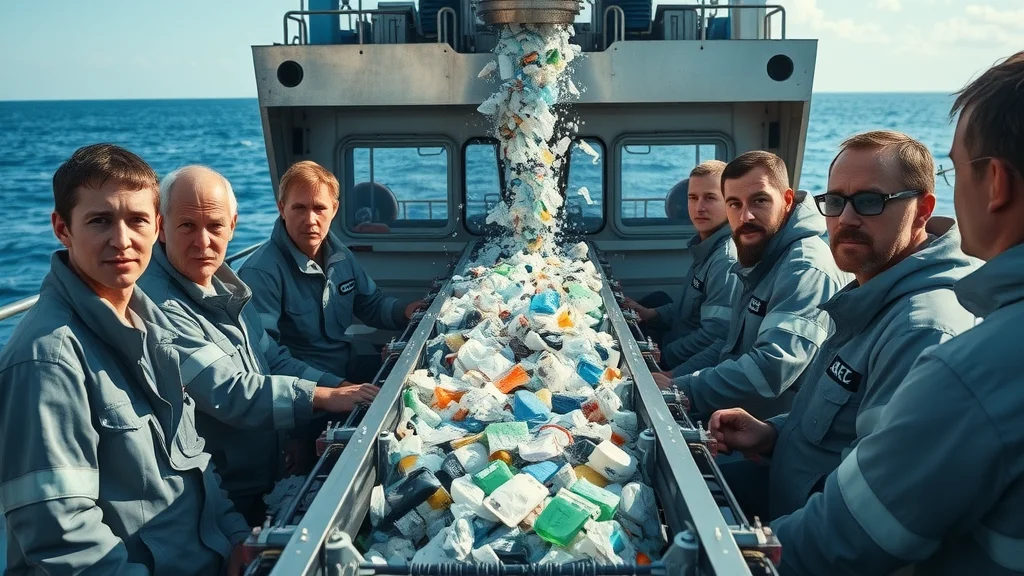
Role of Volunteers and Coastal Cleanup Events
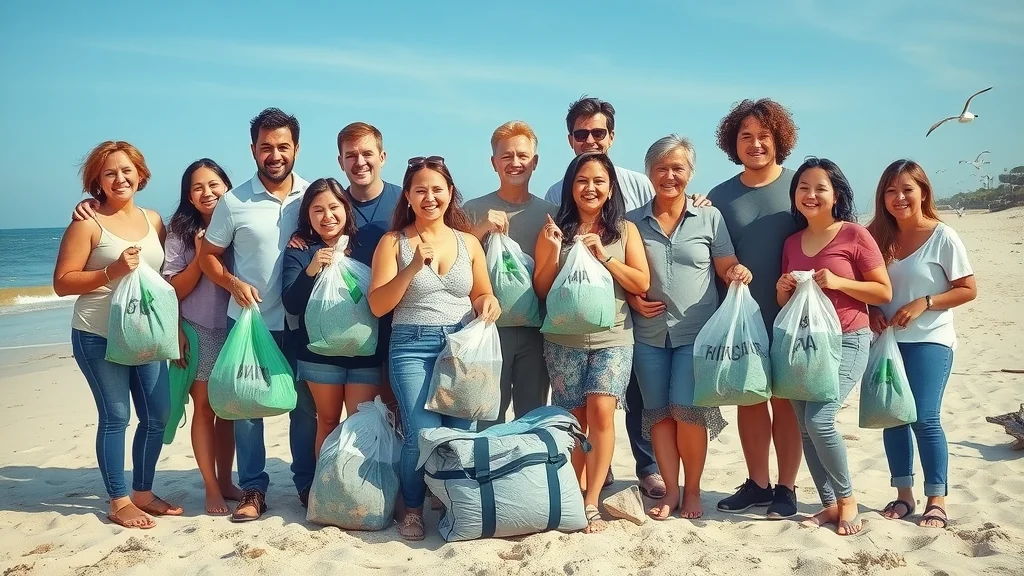
Technology alone cannot solve the plastic crisis — it’s the passionate work of volunteers that forms the foundation of many ocean cleanup initiatives. Every year, people from all walks of life join hands to remove plastic waste from local beaches, rivers, and coastal environments. Through major campaigns like the International Coastal Cleanup, ordinary citizens become environmental custodians, collecting millions of kilograms of trash and raising awareness about plastic pollution.
These grassroots efforts not only clean up vital habitats for sea turtles and other marine species, but also foster community pride and inspire a culture of sustainability. Volunteers document their finds, helping scientists gather crucial data about plastic sources and solutions. By getting involved in a local coastal cleanup or supporting organizations dedicated to ocean plastic removal, you’re not just cleaning the beach — you’re joining a global, life-saving movement.
| Initiative Name | Main Focus | Key Methods | Impact/Results |
|---|---|---|---|
| The Ocean Cleanup | Open ocean plastic removal | Floating barriers, solar-powered vessels | Removed 200+ metric tons from Great Pacific Garbage Patch since 2019 |
| Ocean Conservancy (International Coastal Cleanup) | Global beach and coastal cleanup | Volunteer mobilization, data tracking | 104+ countries, 340 million+ kg of trash removed since 1986 |
| 4ocean | River and coastal plastic interception | Boat-based cleanups, community employment | Over 25 million pounds of ocean plastic removed |
| Sea Shepherd | Remote island cleanup | Expedition teams, manual removal | Thousands of kg of trash cleared from uninhabited islands |
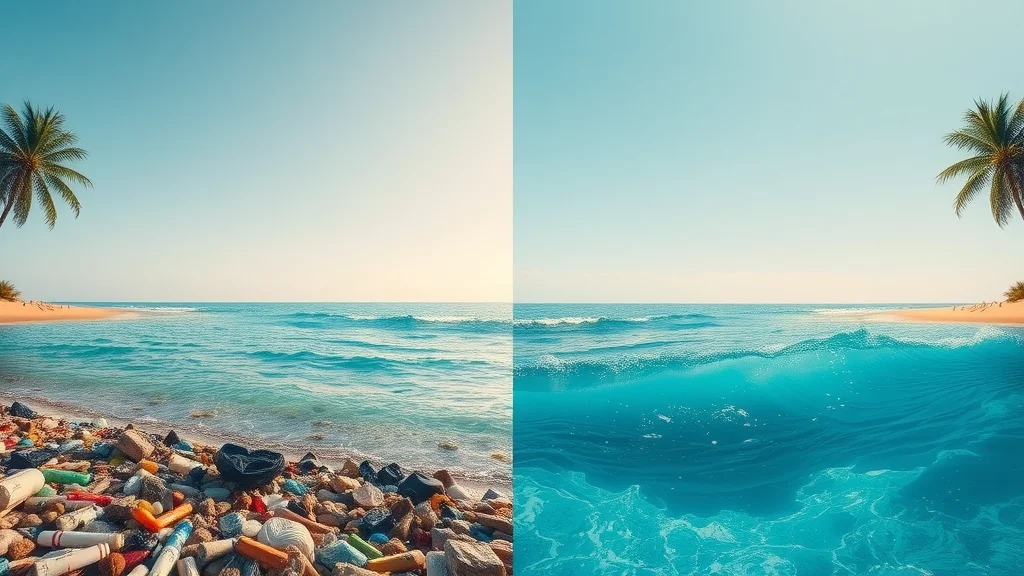
Watch the transformation: This video takes you inside a large-scale ocean cleanup operation, from the deployment of technology in the heart of the Pacific Garbage Patch to the spirited work of passionate volunteers. See before-and-after footage that demonstrates the real, lasting change ocean cleanup initiatives bring to severely polluted waters.
People Also Ask About Ocean Cleanup Initiatives
What is the world's largest ocean cleanup project?
The world’s largest ocean cleanup project is The Ocean Cleanup, an ambitious initiative aimed at extracting plastic debris from the Great Pacific Garbage Patch using massive floating barriers and solar-powered cleanup vessels. Since its launch, The Ocean Cleanup has pioneered technology capable of removing hundreds of metric tons of ocean plastic pollution and continues to scale up operations for a true global impact.
What country throws away the most plastic?
While global data varies, China and the United States are among the top contributors to plastic waste generation. Both countries produce millions of metric tons each year, but plastic management and recycling rates differ widely. This highlights the importance of international collaboration and local coastal cleanup to prevent plastic waste from entering the ocean.
What is being done to clean up the ocean?
A multi-faceted approach is underway, including deploying advanced ocean cleanup technology, expanding international coastal cleanup events, enacting stronger waste management laws, and encouraging individuals and businesses to remove plastic from their daily lives. Companies and non-profits are also researching biodegradable alternatives to traditional plastics.
Where do 79% of all plastic products end up?
Studies show that 79% of all plastic ever produced ends up in landfills, dumps, or the natural environment, with a significant share drifting into our oceans as plastic debris. Only a small fraction is actually recycled or incinerated, underlining why ocean cleanup initiatives are so crucial.
Ocean Cleanup Initiatives Success Stories
- Malaysia’s Batu Ferringhi Beach: Thanks to combined international coastal cleanup and local waste management reforms, plastic debris on Batu Ferringhi has decreased by 65% in just three years.
- The Netherlands – The Ocean Cleanup: As of 2023, innovative barrier systems have successfully extracted over 200 metric tons of plastic from the Great Pacific Garbage Patch.
- Philippines’ Manila Bay: Community-driven cleanup efforts have led to substantial reductions in plastic waste, safeguarding both marine species and local economies dependent on fishing and tourism.
- Global Coastal Cleanup Leaders: Nations like the USA, Australia, and Mexico organize large-scale, volunteer-powered coastal cleanup campaigns, collecting millions of kilograms of trash and inspiring citizens worldwide.
Plastic Waste: How You Can Help Support Ocean Cleanup
- Reduce personal plastic use: Opt for reusable bags, bottles, and containers over single-use plastics.
- Participate in a local coastal cleanup: Join community events or organize your own beach clean to remove plastic waste from local environments.
- Support organizations combating ocean plastic pollution: Donate, volunteer, or become an advocate for leading ocean cleanup initiatives.
- Educate others about the dangers of plastic pollution and the importance of recycling.
- Offset your plastic usage and earn financial rewards by joining the innovative CSR26 plastic credit program — make money and help save the planet.
"Every positive action, no matter how small, is essential in the fight against ocean plastic pollution."

Take a look at emerging ocean cleanup innovations — from AI-powered marine robots to next-generation coastal cleanup networks — and see how your involvement today can shape a healthier, cleaner ocean tomorrow.
Frequently Asked Questions About Ocean Cleanup Initiatives
-
How effective are current ocean cleanup technologies?
Modern ocean cleanup technologies are becoming increasingly effective, with projects like The Ocean Cleanup successfully removing metric tons of debris from the Pacific Garbage Patch and river interceptors halting waste upstream. -
What are the main challenges?
The sheer volume of ocean plastic, challenging ocean conditions, funding gaps, and the need for global cooperation all pose significant challenges for ocean cleanup. -
How can individual actions add up?
Every time someone chooses to reuse a bag, join a coastal cleanup, or offset their plastic footprint, it contributes to a wider wave of sustainability and change. -
How do plastic credits like CSR26 work?
CSR26 allows individuals or companies to fund the removal of ocean plastic, offsetting their impact and supporting cleanup projects — earning rewards for making a positive environmental difference.
Key Takeaways: The Lasting Impact of Ocean Cleanup Initiatives
- Ocean cleanup initiatives are vital to overcome the growing threat of ocean plastic pollution and restore life and ecosystems to our seas.
- Technological innovation and community involvement together are achieving record-breaking reductions in ocean plastic and inspiring global change.
- Everyone can help — from reducing personal plastic use to supporting major cleanup projects and using plastic credits like CSR26 to turn action into meaningful environmental and financial impact.
Take Action: Offer the CSR26 Plastic Credit - Make Money, Save the Planet
- Join a growing global movement of ocean protectors and earn financial rewards for removing plastic from the seas.
- Sign up for the CSR26 plastic credit and instantly make a difference — for every credit you buy or refer, ocean plastic is removed and recycled, supporting coastal cleanup and helping to restore a clean ocean.
- By participating, you’re not just helping the environment — you’re motivating others to reduce plastic waste and join the ocean cleanup revolution.
Act now: Make money, save the planet, and be part of the ocean cleanup solution!
As you reflect on the power of ocean cleanup initiatives, remember that the health of our seas is deeply connected to the broader movement for sustainable energy and environmental innovation. The same drive that fuels ocean protection also shapes the future of renewable industries and green jobs. For those eager to expand their impact and understanding, consider exploring how political and economic forces influence the growth of clean energy sectors—such as the evolving landscape of offshore wind jobs in America. By staying informed and engaged, you can help champion a cleaner, more resilient planet on every front.
Ocean cleanup initiatives are pivotal in combating the escalating crisis of plastic pollution in our seas. These efforts range from large-scale technological deployments to community-driven cleanups, each contributing significantly to the health of marine ecosystems. One notable endeavor is The Ocean Cleanup, founded by Boyan Slat. This organization has developed advanced systems to extract plastic from the Great Pacific Garbage Patch, aiming to remove 90% of floating ocean plastic by 2040. Since 2019, they have successfully removed over 19,000 tons of plastic. (time. com) Community involvement also plays a crucial role. For instance, the Samish Indian Nation has been actively removing marine debris from Washington State shorelines since 2014, clearing over 1 million pounds of waste, including hazardous materials like creosote-treated wood and plastics. (axios. com) Additionally, initiatives like Team Seas, launched by YouTubers MrBeast and Mark Rober, have mobilized global support, raising over $33 million to remove 30 million pounds of marine debris. (en. wikipedia. org) These diverse efforts underscore the multifaceted approach required to address ocean plastic pollution effectively. By supporting and participating in such initiatives, individuals and communities can contribute to preserving marine life and ensuring the sustainability of our oceans. Highlights: Boyan Slat, Published on Tuesday, November 12 Airbnb’s Joe Gebbia donates $25 million to The Ocean Cleanup, Published on Thursday, February 020news21


Write A Comment