

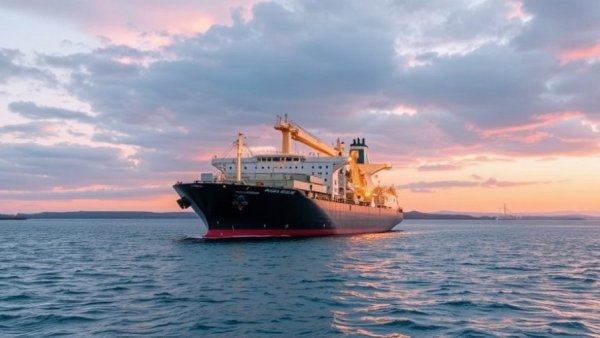
The Surge in U.S. Natural Gas Exports: A New Era?
As the U.S. continues to boost its natural gas exports, recent legislative developments have the potential to add fuel to this already blazing trend. The Bipartisan American Affordability and Jobs Act aims to streamline federal permitting processes, especially for energy projects, which many experts believe could lead to a significant increase in pipeline construction. This overhaul comes at a time when liquid natural gas (LNG) exports are the fastest-growing segment of the U.S. gas market, reaching a record production high this summer.
Understanding the Impacts of New Legislation
The proposed bill is more than just legislation; it’s an impetus for transformation in how gas is produced, transported, and utilized. Experts project that by 2040, U.S. LNG exports could double. The Rhodium Group estimates that this legislative shift may escalate export levels by an additional 8% to 15% due to newfound pipeline capabilities. With natural gas already accounting for 40% of daily U.S. gas production exports, this change could solidify the country’s role as a pivotal energy player.
Your Local Climate Concerns: Weighing Environmental Costs
While proponents tout this legislation as beneficial for climate progress—facilitating renewable energy construction, for example—many environmental advocates have raised alarms that the benefits could be overshadowed by increased fossil fuel extraction. More pipelines mean more gas can be shipped overseas, but that could also lead to heightened emissions. Some believe that enabling more LNG exports could stifle the growth of renewables in places struggling to balance energy needs with environmental safeguards.
Pipeline Politics and Community Impact
Building new pipelines, however, is not without its challenges. Navigating local and state regulations has been tough, as some states have pushed back against fossil fuel projects due to climate concerns. The bill seeks to simplify this process by limiting state and tribal powers to deny certain permits, which critics argue could diminish community voices and foster local distrust.
Global Context: What Does This Mean for the Climate?
As we peel back the layers of this legislation, one must ask—what does it mean for the global climate? If LNG exports displace coal use in places keen on reducing carbon footprints, it might have positive effects. However, advocates caution against taking a simplistic view. Some studies indicate that LNG may not always be a cleaner alternative, especially when considering methane emissions linked to its production.
The Road Ahead: Risk and Opportunities
The road ahead for natural gas exports is both promising and perilous. If the Biden administration’s pause on new gas exports leads to a more cautious approach in the future, it could signal a shift in policy priorities toward sustainable energy sources. On the other hand, ongoing investments and authorizations for LNG could solidify America’s standing in global energy markets, posing both risks to local ecosystems and opportunities for economic growth.
Join the Conversation
As changes to natural gas exports continue to develop, it's vital for local communities to stay informed and engaged. Understanding the implications of these permitting bills not only affects the environment but also shapes local economies and community dynamics. Let your voice be heard!








Write A Comment