


Did you know that nearly 30% of home solar panel installations face costly errors that could have been prevented with proper planning? In an era of skyrocketing energy costs and growing climate concerns, solar energy offers homeowners a powerful way to save money and embrace clean energy. But making even simple mistakes in your solar panel installation can waste both time and money, leaving you to face avoidable repairs or lost efficiency down the road. This educational guide delivers everything you need to know to ensure your solar panel system is installed right—the first time.
Shocking Facts About Solar Panel Installation Mistakes
When it comes to installing solar panels, the margin for error is much slimmer than most homeowners realize. The Department of Energy reports that poorly executed solar panel installation projects can increase the total cost of ownership by up to 20% due to inefficiency, required repairs, and even safety hazards. Incorrectly installed panels can also invalidate manufacturer warranties and eliminate your eligibility for valuable tax credits and incentive programs. Furthermore, neglected site assessments, improper wiring, and ignoring permit rules frequently turn what should be a smart long-term investment into a frustrating energy system headache. Addressing these pitfalls early is essential, enabling you to maximize both clean energy output and your financial return.
Poor installation is not only an inconvenience—it can have real implications on your electricity bill and home resale value. Homeowners may find themselves spending more on electricity than expected, or facing costly emergency fixes after a single severe storm exposes an overlooked mounting issue. More troubling still, new solar panel owners are often unaware of the simple, proven steps to avoid these mistakes. With a bit of upfront knowledge and pro guidance, you can steer clear of the most common panel installation errors and confidently transition to renewable solar energy.
What You’ll Learn in This Solar Panel Installation Guide
Key solar panel installation mistakes that cost homeowners time and money
How to choose the right solar panels and installation provider
How to avoid design and site assessment errors
Guidelines for electrical and safety compliance
Ongoing solar panel system maintenance tips
Understanding the Basics of Solar Panel Installation
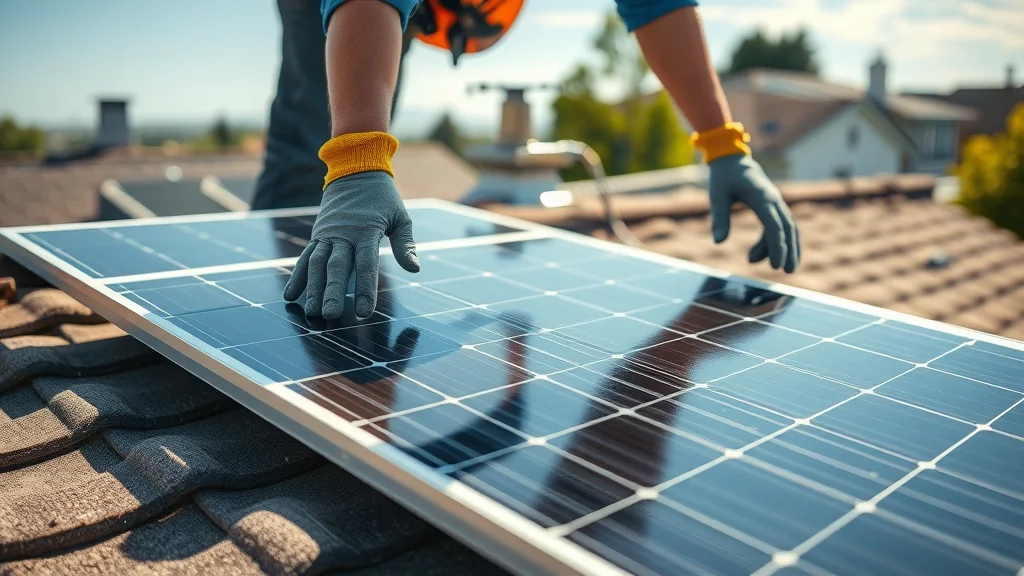
What is solar panel installation? - The process of mounting solar panels onto your roof or property to create a home solar energy system that converts sunlight into electricity.
Components of solar panels and solar panel systems - Includes photovoltaic solar panels, inverters, mounting hardware, wiring, monitoring equipment, and often a solar battery for energy storage.
Types of solar energy technologies - Monocrystalline, polycrystalline, and thin-film solar panels, each with unique efficiency rates and cost profiles suitable for various home solar needs.
Understanding the basics is just the beginning—if you want to ensure your solar investment delivers maximum value, it's also important to stay informed about the latest advancements in energy storage. For a deeper look at how cutting-edge storage solutions can further enhance your solar system’s efficiency and reliability, explore recent breakthroughs in sustainable energy storage.
Why Proper Solar Panel Installation Matters
"The majority of post-installation issues we see stem from avoidable mistakes made during the initial solar installation. Quality matters from the start." – Lead Solar Engineer
Proper solar panel installation isn’t just about attaching a few panels to your roof. The integrity of the entire solar panel system depends on careful site assessment, professional-grade hardware, and code-compliant electrical work. Failure in any step can result in under-performing panels, electrical hazards, unexpected leaks, or even roof damage. Ensuring each element is correctly installed means you’ll enjoy reliable, renewable energy for decades and confidently increase the value of your home.
In the realm of solar energy, correct panel installation guarantees your system operates efficiently and delivers the promised savings on your electricity bills. Proper installation is also necessary for meeting eligibility requirements for rebates, net metering, and incentive programs. Ultimately, thorough attention to quality at every phase of your solar project is an investment in both the long-term sustainability of your energy system and your family’s safety.
Top Solar Panel Installation Mistakes to Avoid
Ignoring site-specific requirements for solar panels
Choosing the wrong solar panel system size
Improper panel tilt and orientation
Neglecting roof condition prior to installation
Incorrect wiring and poor electrical connections
Failing to secure the right permits for solar installation
Selecting inadequate mounting hardware
Overlooking shading and panel placement
Improper sealing leading to roof leaks
Not considering clean energy incentives
"Each misstep in the solar panel installation process diminishes the value and effectiveness of your solar panel investment."
Each installation mistake listed above has its own consequences. Ignoring precise sun exposure on your rooftop can reduce solar panel efficiency by 15% or more. Choosing the wrong panel system size limits your energy output, thereby reducing how much you save money on your electricity bills through solar energy. Overlooking roof condition or electrical safety puts your home at risk of leaks or short circuits, requiring expensive emergency repairs. Lastly, missing out on local tax credits or net metering programs means you forfeit significant ongoing savings and valuable clean energy incentives. By prioritizing professional assessment, high-quality components, and code-compliant installation, you’ll prevent these common—but costly—mistakes and create the best solar experience possible.
How to Choose the Right Solar Panels for Your Home
Panel efficiency rates: Opt for solar panels with higher efficiency to maximize your home’s solar energy generation in the space available.
Manufacturer reputation and warranties: Select brands known for durability, comprehensive warranties, and strong customer service to guarantee performance for 20+ years.
Compatibility with your existing solar system: Ensure new solar panels and inverters will work seamlessly with any existing or planned energy system upgrades.
Researching the right solar panels means comparing models based on more than just price. Efficiency, manufacturer support, and compatibility with your overall solar system design all play a major role in long-term performance. Check if the panels qualify for state or federal tax credits, and consider equipment backed by robust warranties, covering both manufacturing defects and long-term output. Your home’s sun exposure, roof size, and aesthetics also shape the ultimate choice—so consult with a reputable solar company or installer to identify models that best suit your needs.
Expert Advice: Panel System Sizing and Placement
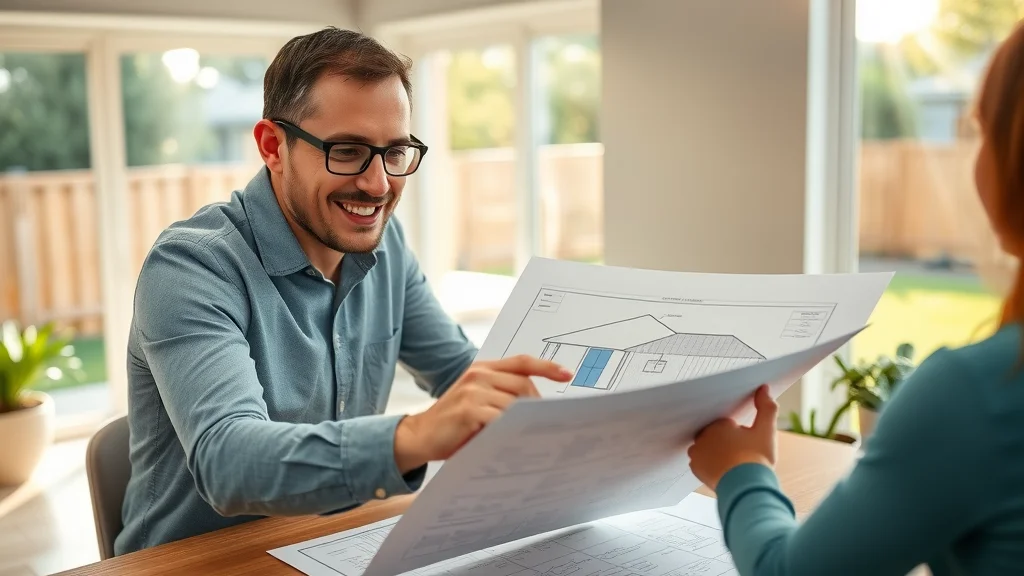
Determining the optimal size for your solar panel system is a nuanced process. With guidance from a certified solar installer, you’ll review your historical electricity bills, estimate future energy consumption, and factor in any plans for home solar expansion (like electric vehicles or battery systems). The ideal solar system isn’t always the largest; it’s the one that aligns with your energy needs, fits your roof, and helps you save money most effectively.
Proper panel placement is equally crucial. Solar panels should be installed to maximize sun exposure—often facing true south in the United States—and angled correctly for your latitude. Avoid shading from trees, chimneys, or neighboring buildings, as even partial shade can reduce output significantly. For many, working with a reputable solar company means benefitting from advanced software that models every factor, ensuring every panel captures maximum solar energy throughout the year and driving down your long-term electricity bill.
Solar Panel Installation Safety and Compliance
Electrical and structural safety checks
Building and electrical permit requirements
Working with licensed solar installation professionals
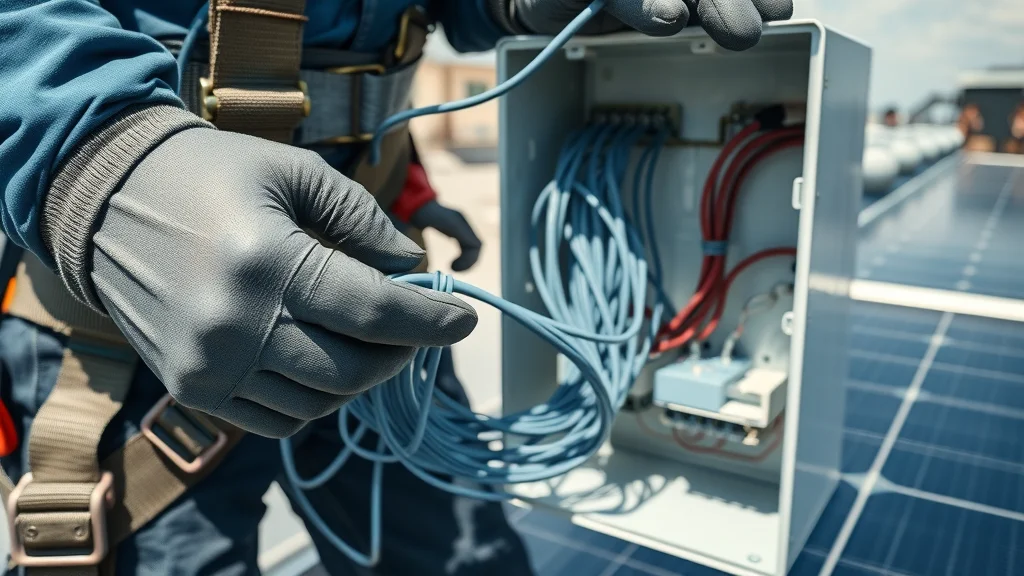
Electrical and structural safety are non-negotiable in solar panel installation. Before you install solar panels, certified professionals conduct thorough inspections of your roof’s structure to support the added weight and confirm there are no hidden defects. Next, your system’s wiring and connections must meet or exceed local and national electrical codes—requiring specific permits for both the installation and inevitable grid interconnection. Failing to comply can cause delays in activation or raise safety hazards that affect your entire home.
Working with licensed solar installation professionals ensures every detail is accounted for, from proper equipment grounding to safe mounting and robust waterproofing. These experts handle permits, documentation, and necessary inspections, guaranteeing that your installation qualifies for incentives, insurance, and long-term system reliability. Attempting a DIY approach without these checks can be risky, as code violations may void your warranties and even impact future home insurance claims.
The Importance of Professional Solar Installation
"With solar panel installation, professional expertise often pays for itself in long-term performance and peace of mind."
Choosing a professional solar installer means benefiting from years of technical experience, specialized equipment, and thorough training that bring accuracy and reliability to every step of your project. These experts are equipped to assess your home's unique energy needs, select the most suitable panels, and address structural challenges unique to your roof or electrical system.
Beyond installation expertise, pros also handle paperwork for rebates and incentive programs, ensuring you receive every benefit available. Proper documentation can unlock additional savings through tax credits and net metering programs while reducing your total cost of ownership. Ultimately, the small upfront cost of professional service translates into major advantages in safety, efficiency, and hassle-free clean energy for years to come.
Common Electrical Mistakes in Solar Panel Installation
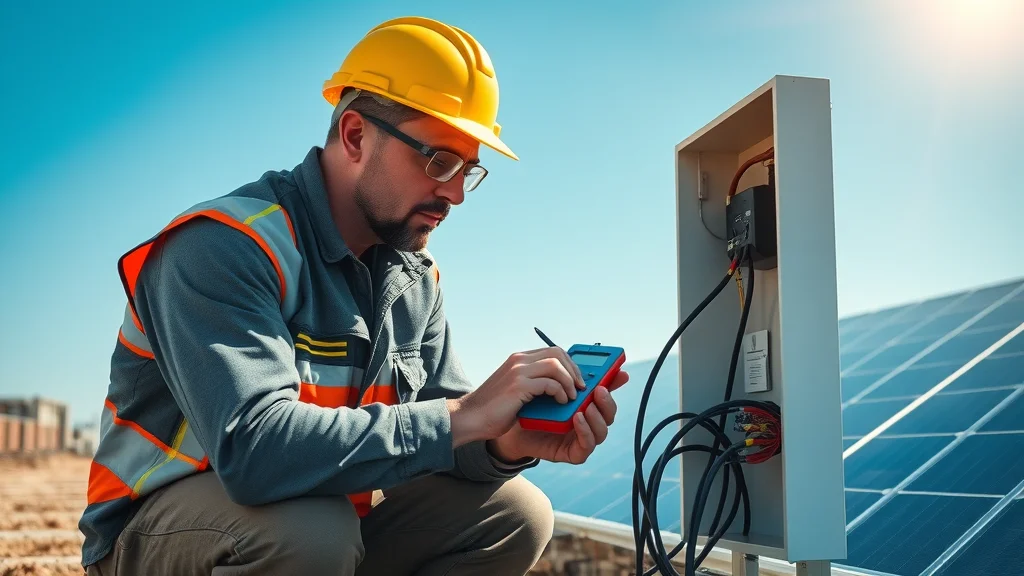
Incorrect electrical work is one of the top causes of failed solar installations. DIY setups may feature loose wire connections, exposed cables, or an improper inverter configuration—each of which can lead to system underperformance or hazardous conditions. If the junctions between your rooftop solar array and your home’s electric panel are not up to code, you risk voiding insurance protection and even sparking fires.
Working with a licensed solar installer helps prevent these pitfalls while enabling your solar system to qualify for grid connection, net metering, and clean energy rebates. Certified installers use professional-grade wiring, voltage testers, and follow protocols for grounding and weatherproofing every connection. This meticulous process creates an energy system that’s both efficient and, crucially, safe for your family and the larger electrical grid.
Roof Preparation and Structural Considerations for Solar Panels
Assessing roof lifespan relative to panel installation
Choosing the right mounting equipment
Weatherproofing and sealing techniques
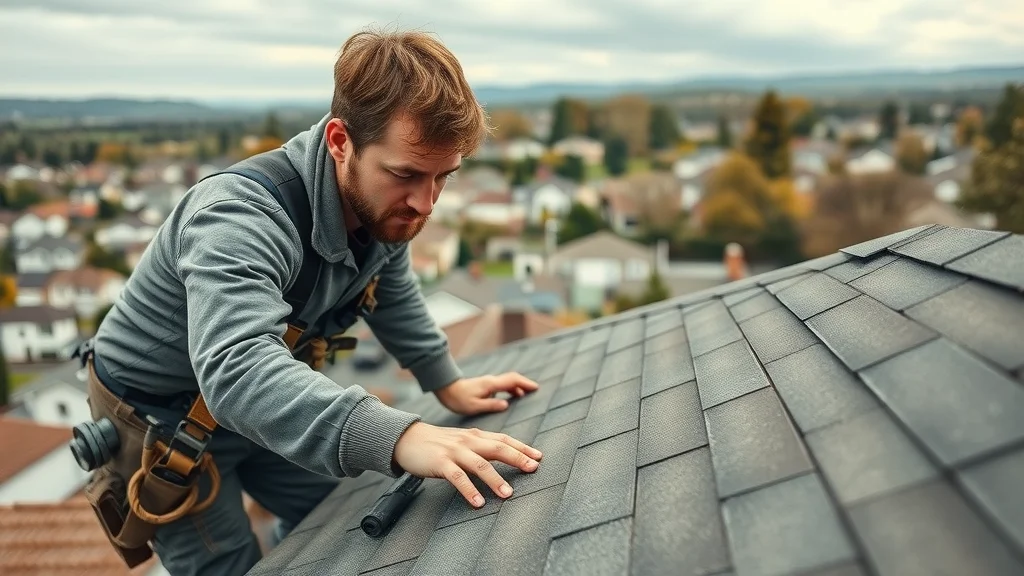
Before you install solar panels, evaluate your roof’s age and condition. If your shingles or tiles are nearing the end of their lifespan, consider a replacement or substantial repairs prior to installation. Mounting new solar panels on a compromised roof often necessitates premature removal and reinstallation—a costly project for any homeowner. Ensure your roof can structurally support the extra load of the array and mounting hardware, including during heavy wind, rain, or snow.
Careful selection of mounting equipment also protects your investment. Choose hardware designed specifically for your roof type, whether it’s asphalt shingles, tile, or metal. Finally, demand rigorous weatherproofing: all mounting points and roof penetrations must be correctly sealed to prevent leaks, rot, or pest infestations, which could damage both your roof and solar panels. Skilled installers double-check every step to ensure long-term clean energy benefits—and a dry, resilient home.
Solar Panel System Maintenance: Preserving Clean Energy Efficiency
Cleaning solar panels: frequency and techniques
Monitoring system performance and output
When to call a solar maintenance specialist
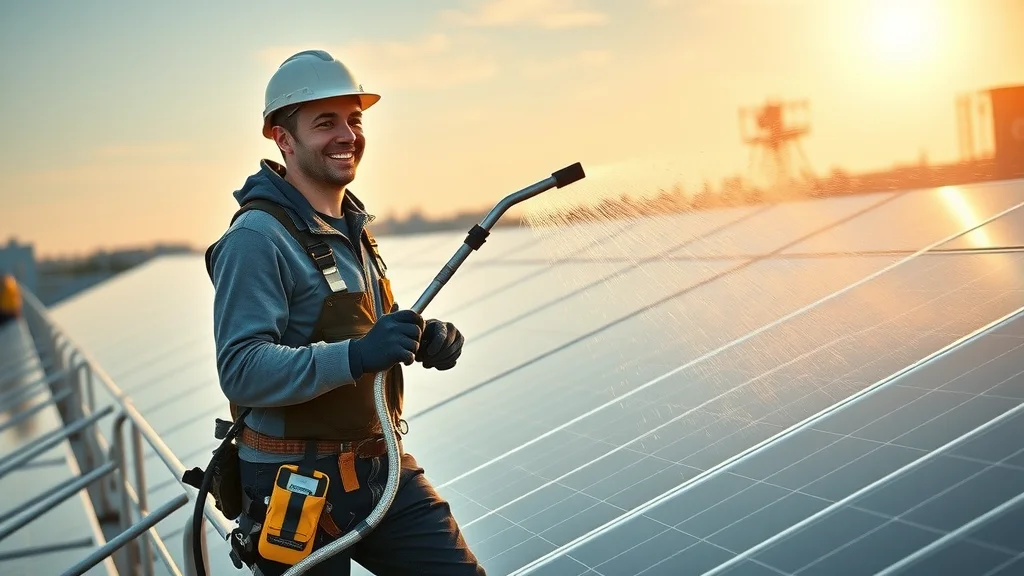
Maintaining your solar panel system is straightforward but essential for preserving maximum energy production. Solar panels require a periodic cleaning—typically one to three times per year depending on your local environment—to remove dust, pollen, or debris that can reduce performance by up to 25%. Use gentle water sprays and soft brushes to prevent scratching surfaces.
In addition to cleaning, regular performance monitoring is a must. Many home solar systems come equipped with monitoring software, alerting you to drops in output that may indicate shading, system faults, or other issues. For more complex concerns, such as inverter warnings or visible panel damage, consult a certified maintenance specialist. Investing in routine care extends your panels’ life and safeguards your net metering and clean energy incentive eligibility.
Unlocking Clean Energy Incentives and Rebates
Solar panel installation can trigger significant financial incentives that dramatically lower your total cost of ownership. In the United States, the federal solar tax credit lets you deduct up to 30% of the cost of installing solar panels from your tax bill. Many local and state governments also offer rebates, solar renewable energy credits (SRECs), and net metering programs—these policies pay you back for every kilowatt-hour of clean energy you produce. Researching all available incentive programs before you begin your project ensures you maximize savings and may even offset installation expenses with annual cash-back benefits.
To qualify, keep meticulous records of your installation, comply with all permit and code requirements, and submit all paperwork timely through your installer or solar company. This forward-thinking approach not only helps you save money but accelerates national and local transitions to renewable energy.
Comparing the Average Cost of Solar Panel Installation
Comparison of DIY vs. Professional Solar Panel Installation Costs |
||
Aspect |
DIY Installation |
Professional Installation |
|---|---|---|
Upfront Equipment Cost |
$10,000 – $15,000 |
$13,000 – $18,000 (includes pro discounts) |
Labor/Service |
Self-performed (no labor fees, but risk of mistakes) |
$2,000 – $6,000 (licensed & insured labor) |
Permitting & Inspection |
$500 – $1,500 (must self-manage) |
Included in price (managed by installer) |
Incentive Program Eligibility |
Not always guaranteed (risks with self-install) |
Guaranteed if installer is certified |
Total Cost (after Tax Credits) |
$7,500 – $12,000 |
$8,500 – $14,000 |
Warranty & Support |
Limited (may void manufacturer warranty) |
Full (panel & labor warranty, ongoing support) |
Getting the Most from Your Solar System: Solar Energy Optimization Tips
Install solar panels in a south-facing direction
Keep panels free from dust and debris
Monitor inverter performance regularly
Adjust for seasonal sunlight patterns
Upgrade solar panels when necessary
Optimizing your solar panel system means more than choosing quality equipment. For the best output, mount your panels facing south (in North America), where sun exposure is greatest, and keep them clear of dust and debris throughout the year. Use your monitoring system to check performance after storms, and consult a professional if you notice a persistent drop in output.
Consider system upgrades as new technology emerges or as your home’s energy needs change. Modern inverters, battery backups, and high-efficiency panels can enhance your system’s performance and support additional clean energy uses like electric cars. Staying proactive ensures your investment continues to save money on electricity bills and supports your renewable energy goals for years to come.
Case Study: Successful Home Solar Panel Installation
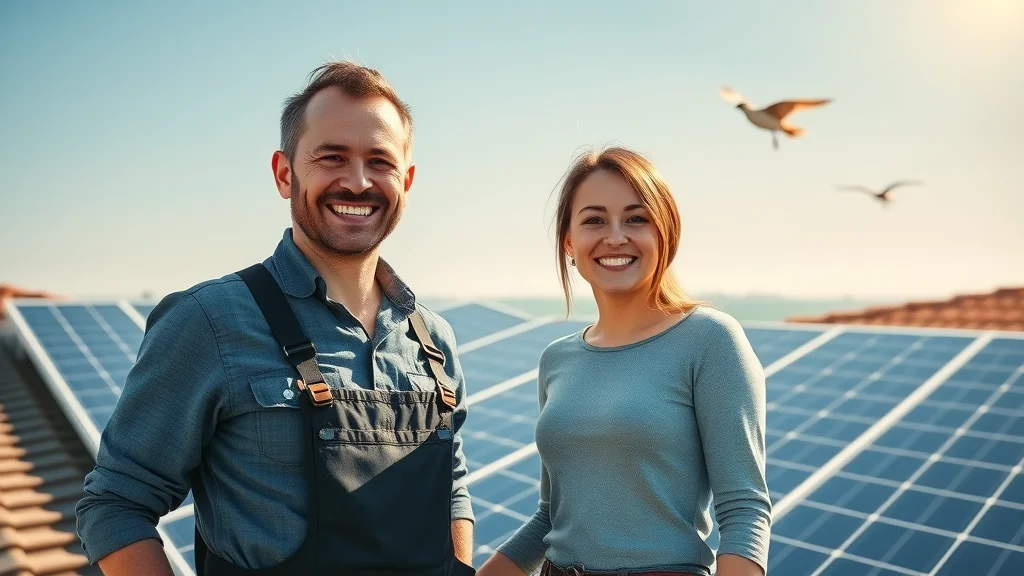
Meet Sarah, a homeowner from Austin, Texas, who partnered with a certified solar installer to design and install her 7kW rooftop solar system. From the outset, Sarah prioritized thorough roof assessments and selected Tier-1 solar panels known for their durability and efficiency. Her installer handled all permitting, aided her in applying for both state and federal tax credits, and completed the project a full week ahead of schedule. Now, Sarah enjoys reliably low electricity bills, often generating surplus power that is credited through her utility’s net metering program.
Most importantly, Sarah avoided the pitfalls of DIY or bargain installations. Her system continues to operate at peak performance thanks to routine preventive maintenance and her installer’s ongoing support. For Sarah, investing in qualified solar professionals paid off in both peace of mind and remarkable long-term savings.
Watch this comprehensive walkthrough to see each phase of solar panel installation, from site analysis and safe mounting to final testing, all narrated by industry experts ensuring you understand every step for safe, code-compliant clean energy!
People Also Ask: Answers to Key Solar Panel Installation Questions
How much does it cost to install a solar panel system?
The average cost to install a home solar panel system can range from $13,000 to $18,000 before incentives, varying based on your utility, panel size, and geographic region. After applying federal and state tax credits, most homeowners pay $8,500 to $14,000 for professional installation. Additional costs—such as energy storage or premium panels—can increase this total but usually deliver higher long-term savings on your electricity bills.
What is the 33% rule in solar panels?
The 33% rule suggests that your home’s solar panels should be sized to cover roughly one-third of your annual electricity consumption, though this may vary depending on utility net metering policies and your specific electricity needs. This guideline ensures you maximize available clean energy and avoid oversizing your system—helping maintain cost-effectiveness, especially as more homes add rechargeable batteries or electric vehicles.
Can you legally install your own solar panels?
In most areas, homeowners can legally install their own solar panel systems. However, strict local permit, safety code, and utility interconnection regulations apply. DIY installations may face higher insurance risks, fewer warranty protections, and potential ineligibility for certain tax credits or utility programs. Working with a certified solar installer is recommended for both performance and peace of mind.
What will a 3000 watt solar panel run?
A 3000 watt (3 kW) solar panel system can generate an average of 10–12 kilowatt-hours per day, which is typically enough to power essential home loads such as lighting, a refrigerator, computers, and some small appliances. The actual output depends on your local sun exposure, panel efficiency, and seasonal patterns. Be sure to consult with a solar installer to accurately match a system to your energy use.
FAQs on Solar Panel Installation
How long does solar panel installation take? Most professional solar installations are completed in 1–3 days, though the total project timeline may be 3–6 weeks including permits and inspections.
What maintenance is required post-solar panel installation? Regular cleaning and performance checks, typically every few months, along with annual professional inspections, are recommended.
Are there financing options for solar panel installation? Yes, most installers offer options such as solar leases, power purchase agreements, and zero-down financing to make solar more affordable.
Is solar panel installation suitable for all roof types? Solar panels can be installed on most roof types (asphalt, tile, metal, and flat roofs), with appropriate mounting hardware. Complex roofs may require special solutions from a solar company.
How do I select a certified solar panel installer? Look for companies with strong references, proof of licensing and insurance, and experience in solar panel system design and installation. National certifications from organizations like NABCEP are a plus. https://reachsolar.com/seamandan/zero-down-homes
Key Takeaways: Solar Panel Installation Success
Thorough planning in solar panel installation lowers costly mistakes
Professional installers help you maximize solar energy and incentives
Routine maintenance preserves efficiency and prolongs solar panel life
Industry veterans share critical insights on the most frequent solar installation pitfalls and reveal insider strategies that differentiate professional results from DIY disasters.
In Summary: Ensure Solar Panel Installation Success
Avoid future headaches—work with a professional solar installer, keep your system maintained, and claim all available incentives for lasting home energy savings.
If you’re inspired to take your clean energy journey even further, consider how solar panel installation fits into the broader movement toward energy independence and sustainable living. By exploring innovative approaches to mobility and renewable energy, you can amplify your impact and unlock new opportunities for savings and resilience. Discover how advancements in sustainable transportation and energy solutions are shaping a greener future by reading about mobility innovations driving energy independence. Your next step could be the key to a more sustainable, empowered lifestyle.
Ready for Solar? Buy Your New Home With Zero Down
Take the next step toward energy independence! Buy your new home with Zero Down. Reach Solar Solution for exclusive offers: https://reachsolar. com/seamandan/zero-down-homes


Write A Comment