

Did you know that over 8 million tons of plastic waste enters our oceans every year—enough to cover every foot of coastline on the planet? This staggering statistic highlights the urgent need for innovative solutions like corporate social responsibility plastic credits
Startling Facts about Corporate Social Responsibility Plastic Credits and Plastic Pollution
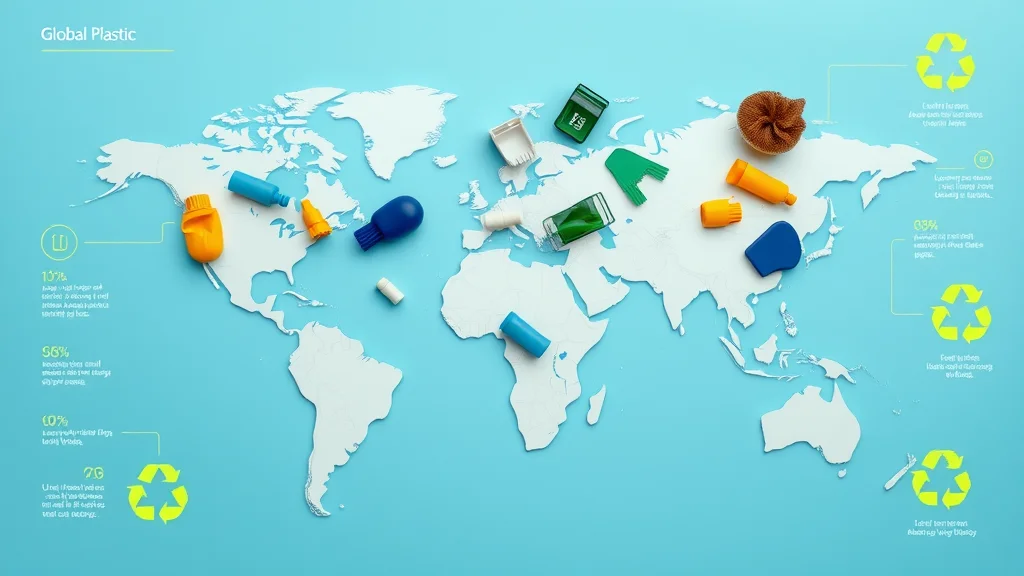
- Globally, more than 400 million tons of plastic are produced each year. Of this, only about 9% is successfully recycled, leaving vast quantities in landfills, waterways, and the environment.
- Plastic waste is found on every continent, even in remote regions—impacting wildlife, ecosystems, and human health across the globe.
- The circular economy model aims to keep materials like plastic in continuous use through recycling and responsible sourcing, but progress is slow due to poor collection and recycling infrastructure.
What You’ll Learn about Corporate Social Responsibility Plastic Credits
- The basics of plastic credits and their role in waste reduction.
- Best practices and industry standards for implementing corporate social responsibility plastic credits.
- Common mistakes businesses make and how to avoid them.
- How plastic credits align with the plastic waste reduction standard and the circular economy.
Understanding Corporate Social Responsibility Plastic Credits
What Are Corporate Social Responsibility Plastic Credits?
- Plastic credits are tradable certificates that represent a specific quantity of collected and recycled plastic waste, often measured in kilograms or tons.
- Companies purchase these credits to offset their own plastic footprint, supporting global efforts to reduce plastic waste.
- Plastic credits work within the circular economy, helping companies contribute to a plastic waste reduction standard and sustainable environmental impact.
“Corporate social responsibility plastic credits enable companies to take accountability for their plastic footprint while supporting a global plastic waste reduction standard.”

How Do Corporate Social Responsibility Plastic Credits Work?
- First, a company calculates its plastic footprint—the amount of plastic it uses or produces in its supply chain each year.
- The business purchases plastic credits that fund waste collection, recycling projects, and recovery of plastic waste equal to its footprint.
- An independent organization verifies the collection and recycling, ensuring that plastic waste is truly removed from the environment—thus meeting the plastic waste reduction standard.
- The credits are then officially issued to the company, which can use them in sustainability reporting and environmental impact disclosures.
When considering how to implement plastic credits effectively, it's also valuable to explore the broader landscape of environmental credits and how different types of credits can complement each other in a corporate sustainability strategy. For a deeper dive into the distinctions and practical applications, see this analysis of how policy and market forces shape environmental initiatives and their real-world impacts.
The Difference Between Corporate Social Responsibility Plastic Credits and Carbon Credits
- Plastic credits focus on offsetting a company’s plastic packaging and material usage, while carbon credits relate to offsetting greenhouse gas emissions.
- Both systems empower companies to take responsibility for their environmental footprint, but each supports different aspects of sustainability (waste reduction vs. emission reductions).
- Plastic credits are specific to plastics and often require waste collection and recycling, whereas carbon credits are broader and may include energy efficiency or forest conservation.
| Type | Target | Example Action | Standard | Key Benefit |
|---|---|---|---|---|
| Plastic Credits | Plastic waste | Collection & recycling of plastics | Plastic Waste Reduction Standard | Offsets company’s plastic footprint |
| Carbon Credits | CO₂ emissions | Renewable energy projects | Carbon Reduction Standard | Offsets carbon emissions |
| Other Environmental Credits | Waste, water, biodiversity | Habitat restoration, wastewater treatment | Various | Broader sustainability goals |
The Role of Corporate Social Responsibility Plastic Credits in Plastic Waste Reduction
Aligning Plastic Credits with Waste Reduction Standards
- Plastic credits must adhere to a recognized waste reduction standard to ensure real and measurable environmental impact.
- The plastic waste reduction standard sets clear criteria for how plastic is collected, verified, and offset, preventing greenwashing and ensuring companies make a genuine difference.
- Businesses integrating these standards help build credibility, transparency, and trust with their stakeholders.
Supporting the Circular Economy with Corporate Social Responsibility Plastic Credits
- By purchasing plastic credits, companies directly invest in waste collection, recycling projects, and reprocessing initiatives that keep plastics moving in a closed loop.
- This supports the circular economy by reducing reliance on virgin plastics and encouraging innovations like recycled packaging, reuse systems, and material recovery.
- Effective use of plastic credits aligns corporate social responsibility strategies with global plastic waste reduction efforts.
“Implementing corporate social responsibility plastic credits can move a company from compliance to genuine leadership in waste reduction and circularity.”
Common Mistakes in Corporate Social Responsibility Plastic Credits
Mistaking Plastic Credits for a Complete Solution to Plastic Pollution
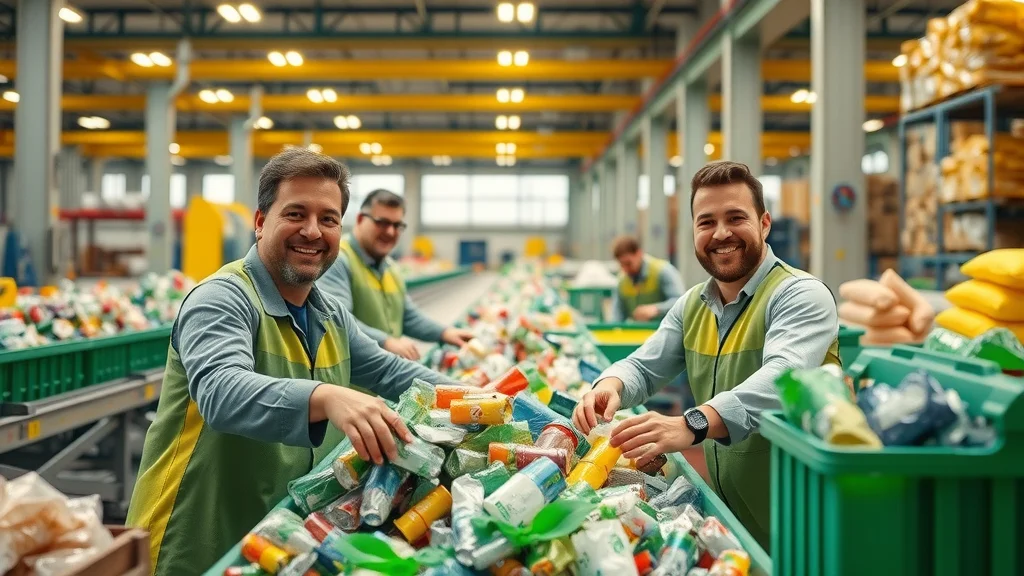
- Some companies rely solely on plastic credits, ignoring direct waste collection or plastic waste management in their supply chain.
- This over-reliance can lead to disappointing environmental outcomes and reputational risks if core business practices remain unchanged.
- Effective programs balance plastic credits with operational changes that minimize plastic usage and maximize recycling.
Selecting Uncertified or Low-Quality Plastic Credit Providers
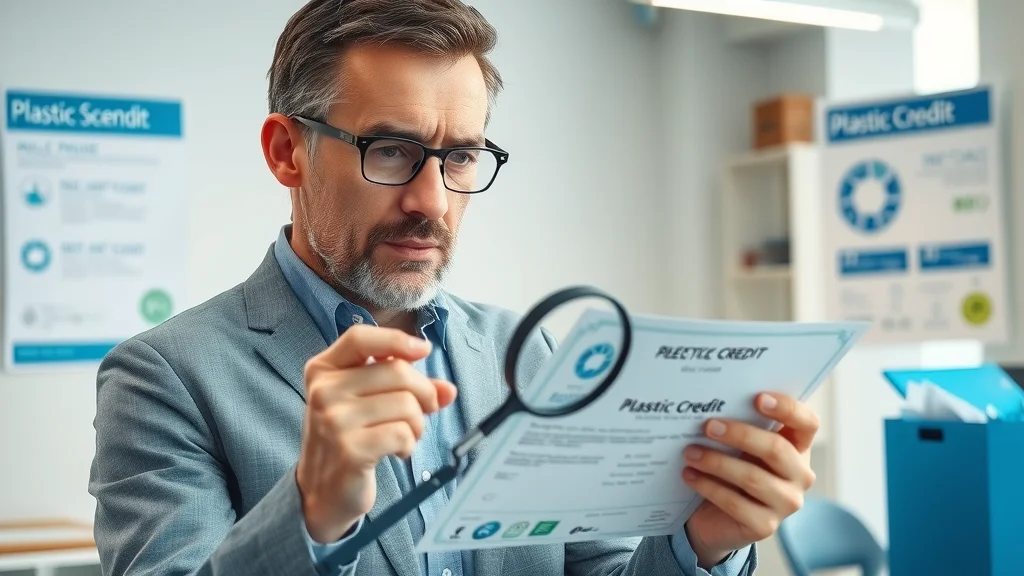
- Not all plastic credits are created equal—choosing a provider without third-party auditing or an established plastic waste reduction standard risks supporting “phantom” projects that deliver little real change.
- Reputable providers offer transparency, independent verification, and traceability from waste collection to credit issuance.
- Look for participation in recognized initiatives and proven impact on plastic waste reduction and the circular economy.
Poor Integration into Corporate Social Responsibility Strategies
- Plastic credits must fit within broader waste reduction and circular economy goals—not as an afterthought.
- Failing to align credits with company-wide waste reduction targets or waste reduction standard frameworks can lead to missed opportunities for synergy and stakeholder engagement.
- Successful integration means tying credits to core business metrics, supply chain management, and environmental reporting.
How to Avoid Pitfalls with Corporate Social Responsibility Plastic Credits
Evaluating Plastic Credit Projects and Standards
- Always perform due diligence on plastic credits—ask about independent verification, the traceability of collected plastic, and alignment with plastic waste reduction standards.
- Review the provider’s documentation, audit trail, and the actual impact on global plastic waste.
- Check whether the project supports community involvement in waste collection and recycling and if it leads to real reductions in your company’s plastic footprint.

Integrating Corporate Social Responsibility Plastic Credits into a Holistic Waste Reduction Approach
- Use plastic credits as part of a comprehensive strategy—combine purchasing credits with direct actions like minimizing plastic packaging, redesigning supply chains, and investing in material reuse.
- Track progress against waste reduction standard metrics and regularly review the environmental impact of your initiatives.
- Engage employees and partners to foster a culture committed to reducing global plastic waste and supporting the circular economy.
Monitoring and Reporting on Plastic Credit Impact
- Implement clear metrics to track plastic waste reduction—such as tons of plastic collected, recycled, and prevented from reaching the environment.
- Leverage digital dashboards and reporting tools to analyze performance and communicate results to stakeholders effectively.
- Transparency is key—publicly share progress, lessons learned, and how credits are helping achieve your sustainability commitments under the plastic waste reduction standard.
“Transparency in measuring the outcome of corporate social responsibility plastic credits is key to building stakeholder trust.”

Aligning Corporate Social Responsibility Plastic Credits with Global Plastic and Waste Reduction Goals
Case Studies: Successful Corporate Social Responsibility Plastic Credits Programs
- A leading beverage company offset its annual plastic footprint by funding projects that collect and recycle plastic equivalent to its annual usage—resulting in a net-zero plastic waste impact.
- A skincare brand partnered with waste collectors in Southeast Asia, supporting community-driven waste management and meeting the plastic waste reduction standard for global operations.
- An electronics giant improved its supply chain by integrating plastic credits and collaborating on recycled plastic initiatives, reducing plastic usage and encouraging circular economy practices.
| Region | Company | Project | Plastic Collected (Tons) | Key Result |
|---|---|---|---|---|
| Asia | Beverage Leader | Community waste collection | 10,000+ | Net-zero plastic footprint |
| Europe | Cosmetics Brand | Packaging recycling | 5,000 | 100% recycled plastic packaging |
| North America | Tech Company | Supply chain integration | 7,500 | Reduced virgin plastic use |

Corporate Social Responsibility Plastic Credits and the Future of Plastic Pollution Management
- Emerging trends include real-time tracking of collected plastics using blockchain, increased transparency, and more stringent third-party audits.
- New standards and certifications are helping ensure that plastic credits truly contribute to global plastic waste reduction.
- Companies are integrating plastic credits into broader ESG (Environmental, Social, and Governance) and circular economy strategies for long-term impact.
People Also Ask: Corporate Social Responsibility Plastic Credits
What is a plastic credit and how does it help with plastic pollution?
- A plastic credit is a verified certificate that represents the removal, recycling, or recovery of a specific amount of plastic waste from the environment. Companies use plastic credits to offset their plastic footprint.
- By financing waste collection and recycling projects, plastic credits directly reduce the amount of plastic polluting the planet.
- They encourage the development of robust waste management systems and support the transition to a circular economy.
How do corporate social responsibility plastic credits differ from carbon credits?
- While plastic credits are focused on removing or recycling plastic from supply chains and the environment, carbon credits deal with reducing greenhouse gas emissions through renewable energy or forestry projects.
- The environmental scope of plastic credits is targeted at solving plastic pollution and waste reduction, whereas carbon credits address climate change and energy usage.
- Both instruments play pivotal roles in meeting sustainability and reduction standard goals.
What role do waste reduction standards play in plastic credits?
- Waste reduction standards define valid methodologies for collecting, recycling, and verifying plastic waste reductions.
- They help ensure that corporate social responsibility plastic credits are trustworthy and lead to measurable environmental benefits.
- Credibility in plastic credits depends on rigorous adherence to recognized standards for transparency and environmental integrity.
Frequently Asked Questions about Corporate Social Responsibility Plastic Credits
How are corporate social responsibility plastic credits validated?
To validate corporate social responsibility plastic credits, third-party auditors review documentation, track waste collection, and verify proper recycling or recovery. This process includes adherence to a plastic waste reduction standard that specifies data collection, monitoring, and final reporting, ensuring legitimacy and effectiveness of each credit issued.
Can smaller companies participate in corporate social responsibility plastic credits programs?
Absolutely. The plastic credit system is scalable, enabling both small and large organizations to purchase credits based on their plastic footprint. Many programs offer flexible packages, making it accessible for businesses of all sizes to offset plastic waste and contribute to waste reduction.
What are the reporting requirements for plastic waste reduction when using plastic credits?
Companies must report the quantity of plastic credits purchased, document the equivalent amount of plastic waste collected or recycled, and explain how their efforts align with a recognized plastic waste reduction standard. Transparent reporting is critical for public trust and effective sustainability communication.
Key Takeaways on Corporate Social Responsibility Plastic Credits
- Thoroughly vet plastic credit providers for transparency, third-party verification, and adherence to waste reduction standards.
- Combine plastic credits with hands-on waste reduction measures for maximum impact.
- Monitor and openly report progress to build trust among stakeholders.
- Use plastic credits as part of a circular economy strategy.
- Choose solutions that fit your company size, objectives, and geographic operations.
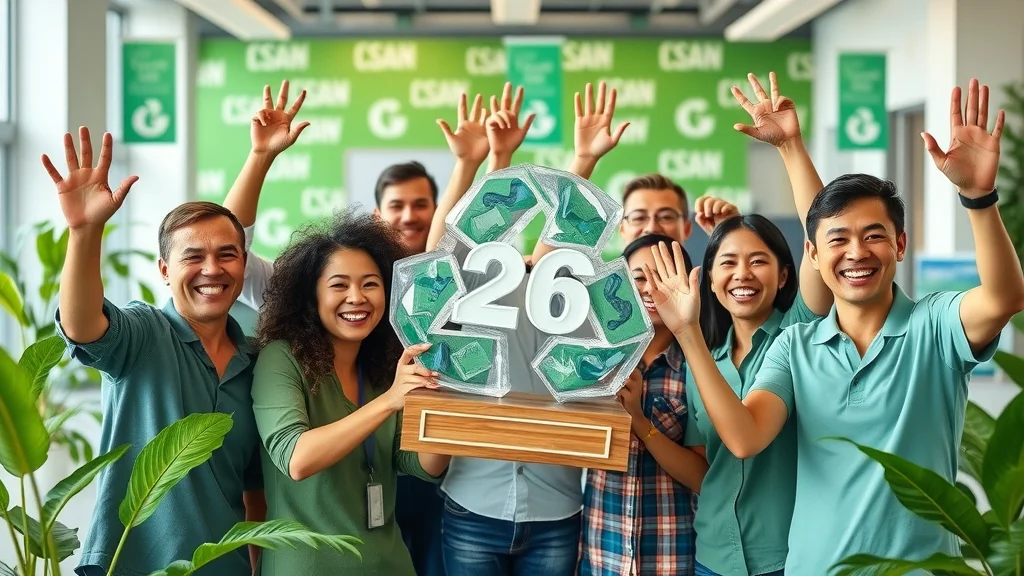
Offer: Earn with the CSR26 Plastic Credit – Make Money & Save the Planet
- Join the CSR26 plastic credit program and transform your sustainability actions into real rewards.
- Monetize your environmental stewardship by helping collect and recycle plastic waste—while gaining recognition as a sustainability leader.
- Support global plastic waste reduction and join others already making a difference. Sign up here.
Conclusion: The Evolving Impact of Corporate Social Responsibility Plastic Credits
- Integrate corporate social responsibility plastic credits as a core part of your sustainability roadmap.
- Vet providers and align actions with global waste reduction standards.
- Embrace transparency and continuous improvement to help drive a global circular economy and a plastic-free future.
As you refine your approach to corporate social responsibility plastic credits, remember that the landscape of environmental action is constantly evolving. Staying informed about the intersection of policy, innovation, and market trends can help your organization anticipate challenges and seize new opportunities for impact. For a broader perspective on how external forces—from government decisions to industry shifts—can influence sustainability efforts, explore our in-depth coverage on the ripple effects of political actions on green jobs and environmental progress. This strategic insight can empower your team to build resilience and drive meaningful change in the journey toward a circular economy.





Write A Comment