

Did you know that the world dumps over 8 million tons of plastic into our oceans every year? This shocking reality makes TeamSeas volunteer opportunities more critical than ever. As the threat of plastic pollution grows, our oceans—and our future—hang in the balance. If you’ve ever wondered what you can do to help, now is the time to act. From local beach cleanups to global social media challenges, these hands-on opportunities offer real ways to be a part of the solution.
"The ocean is the planet’s life support system. If it fails, so do we." – Ocean Conservancy
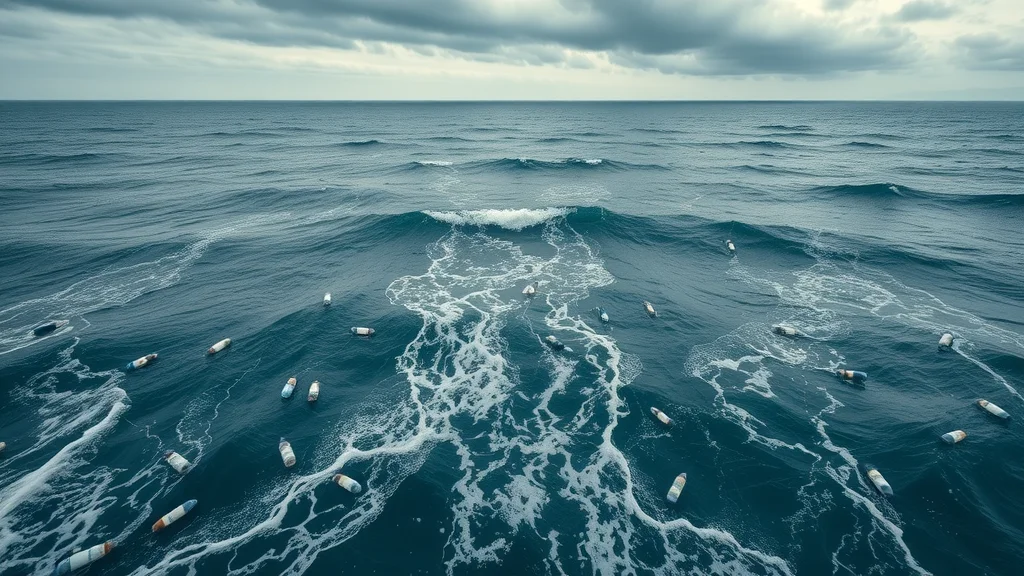
Shocking Ocean Facts: Why TeamSeas Volunteer Opportunities Matter More Than Ever
Plastic pollution in our waterways isn’t just an environmental concern—it’s a crisis. Every year, an estimated 8 million tons of plastic waste reach the ocean, endangering marine life, disrupting food sources, and introducing toxins into our water and seafood. This level of pollution is not just unsightly, it directly threatens the health of our planet and future generations. Initiatives like TeamSeas and their collaborative work with ocean conservancy groups are racing to keep pace with this flood of waste by engaging volunteers from local communities and around the world.
With pounds of trash constantly being deposited into fragile marine habitats, TeamSeas volunteer opportunities help in areas ranging from local beach cleanups to high-tech trash removal with partners like the Ocean Cleanup. By actively contributing time or joining social media campaigns, you help prevent plastics from destroying ecosystems. Your participation isn’t just needed—it’s essential. The fight against plastic pollution requires every available hand, and even small individual contributions, when multiplied, have an outsized impact on the health of our oceans globally.
For those interested in how environmental initiatives intersect with broader economic and policy issues, it's worth exploring how political actions can influence the growth of green jobs and the renewable sector. For example, the impacts of political decisions on offshore wind jobs highlight the importance of supportive policies for sustainable progress.
What You'll Learn About TeamSeas Volunteer Opportunities
- Why TeamSeas volunteer opportunities are crucial for ocean cleanup efforts
- How to get involved with Team Sea and ocean conservancy initiatives
- Ways to participate in both in-person and social media challenges
- The impact of Team Seas volunteers on plastic pollution and ocean conservation
Understanding TeamSeas: Mission, Achievements & Ocean Cleanup Impact
TeamSeas, founded by creators like MrBeast and Mark Rober, has become a global force for cleaning up our oceans, beaches, and rivers. Its mission: to eradicate plastic pollution and restore balance to marine environments. TeamSeas has galvanized millions worldwide, uniting individuals, philanthropists, and powerful advocates such as the Ocean Conservancy. Together, these groups have removed millions of pounds of trash, establishing new milestones for ocean conservation and making significant progress in the battle against global plastic waste.
Since its inception, the TeamSeas campaign has leveraged high-visibility charity streams, innovative partnerships, and real-world cleanup events. Their transparent reporting of achievements—combined with accessible opportunities for everyone to get involved—has inspired a perpetual wave of support. Below is a look at their progress over the past few years:
| Year | Amount Raised | Trash Removed (million pounds) |
|---|---|---|
| 2021 | $30 million | 15 |
| 2022 | $36 million | 18 |
| 2023 | $37 million | 19+ |
"Every pound of trash removed brings us one step closer to healthier oceans." – TeamSeas spokesperson
Top TeamSeas Volunteer Opportunities: Ways to Get Involved
- Participate in local ocean cleanup events
- Join virtual Team Seas challenges via social media
- Organize community pounds of trash collection drives
- Raise awareness about ocean conservation and plastic pollution
In-Person Ocean Cleanup Events
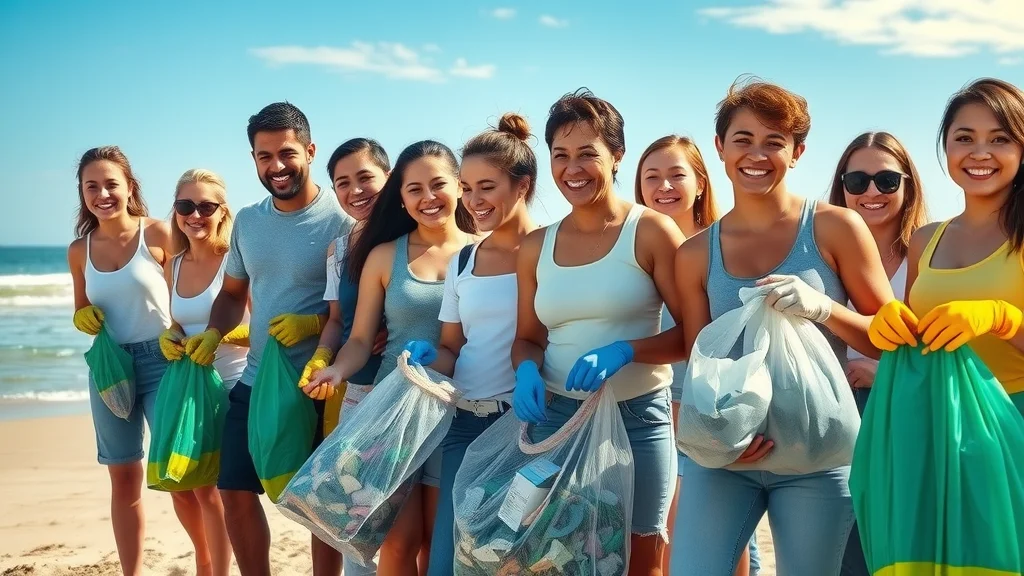
Getting hands-on at scheduled Team Seas cleanups remains the most direct way to make an impact. Across hundreds of beaches and rivers, volunteers gather under the TeamSeas banner to collect trash and plastic waste, often working alongside professional crews or teams using advanced boat cranes for large debris. Whether you live near the coast or an inland waterway, these cleanup events foster a sense of unified purpose and environmental stewardship.
Each event sees volunteers motivate each other, sometimes gathering thousands of pounds of trash in a single morning. Not only do volunteers physically remove harmful plastics from marine environments, but they also contribute data for scientific studies and inspire future organizers. These grassroots efforts have proven essential for raising awareness and directly supporting ongoing ocean conservation goals.
Virtual Volunteering & Social Media Advocacy
Social media plays a powerful role in scaling the TeamSeas mission globally. Whether you're sharing personal cleanup photos tagged with #TeamSeas, inviting friends to participate online, or creating fundraising videos, you can magnify your impact right from your phone or computer. TeamSeas’ digital challenges make it easy for anyone—no matter where they live—to drive change, spread education, and contribute to removing millions of pounds of trash.
Online activism doesn’t just spread the word; it encourages continuous participation and helps set new global trends for environmental responsibility. Educational content, viral challenges, and community leaderboards keep the momentum alive and offer creative ways to support plastic pollution awareness and ocean conservancy efforts—proving that every voice counts in the quest for cleaner oceans.
Highlight Reel: Volunteer Experiences from Recent TeamSeas EventsThe Role of TeamSeas Volunteers in Marine Plastic Pollution Reduction
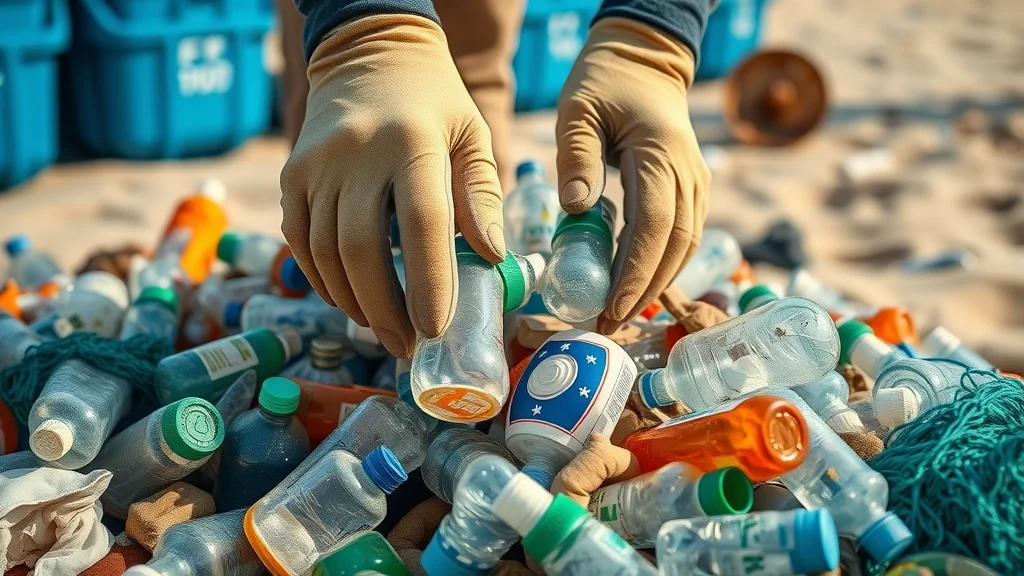
Volunteers are at the core of TeamSeas’ success. Their consistent involvement ensures the removal of plastic bottles, ghost gear initiative debris, and tons of miscellaneous plastics threatening marine life. These efforts directly intersect with initiatives like the Ocean Conservancy’s International Coastal Cleanup and the Global Ghost Gear Initiative, maximizing the amount of trash removed per event and helping to address even the most elusive forms of plastic waste.
By organizing data-driven and targeted removal activities, TeamSeas volunteers not only clean beaches but contribute to ecosystem science—providing evidence for policy changes and new conservation strategies. Their passion and participation serve as a catalyst for broader community involvement, ensuring sustained reductions in marine plastic pollution.
| Type of Trash | Pounds Collected (2023) | Impact |
|---|---|---|
| Plastic Bottles | 6 million | Prevents wildlife ingestion |
| Fishing Gear | 3 million | Reduces entanglement hazards |
| Misc. Plastics | 10 million | Minimizes global pollution |
TeamSeas and Ocean Conservancy: A Powerful Partnership for Ocean Cleanup
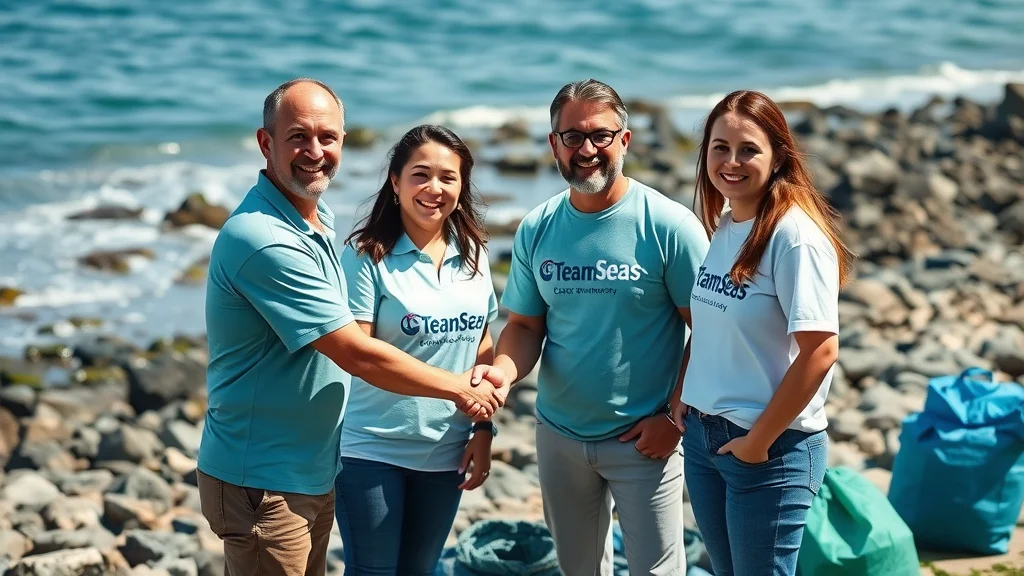
One of the reasons TeamSeas volunteer opportunities are so impactful is their close collaboration with global ocean conservancy organizations. By blending volunteer power with scientific expertise, these partnerships have dramatically increased the scale and efficiency of every cleanup initiative. Initiatives like the International Coastal Cleanup and joint plastic tracking programs enable TeamSeas to target high-priority areas and multiply their reach—removing million pounds of trash from critical marine environments.
It’s these alliances that help TeamSeas continue breaking records and setting new standards in ocean conservation. Sharing resources, technology, and research allows each organization to do more together than they could alone—a lesson for anyone eager to make a difference.
"Partnerships are essential. Together, we make a cleaner ocean possible." – Ocean Conservancy representative
Social Media's Influence: Spreading the TeamSeas Volunteer Movement
In today's connected world, social media is a driving force behind global campaigns like TeamSeas. Hashtags, digital challenges, and creative collaborations help volunteer opportunities gain worldwide visibility. Viral trends invite more people to join cleanup events, fundraisers, and digital advocacy efforts—transforming the ocean cleanup cause into a pop culture moment. With a simple post or share, anyone can become a voice for ocean conservancy and inspire their community to get involved.
From promoting plastic pollution awareness to connecting people with actionable ways to collect trash, social sharing streamlines communication, grows volunteer rosters, and accelerates fundraising goals. The more people who participate and amplify TeamSeas efforts online, the closer we come to lasting environmental change.
- Share your cleanup with #TeamSeas and tag @teamseas
- Challenge friends to join a virtual trash pickup
- Promote educational videos on plastic pollution

Measuring the Impact: How TeamSeas Volunteer Efforts Add Up
Since launching, TeamSeas has provided transparent, measurable progress towards cleaning our waterways, with millions of pounds of trash already removed. Volunteer participation is tracked through online leaderboards, impact reports, and documentary videos—making results visible and motivating volunteers worldwide. By spotlighting achievements and ongoing milestones, TeamSeas ensures that every dollar raised and every hour volunteered is maximized for maximum impact on ocean conservation.
The movement goes beyond just numbers; it’s about building lasting habits, inspiring new eco-leaders, and showing how collaborative action can solve even our most daunting environmental challenges.
People Also Ask: Common Questions About TeamSeas Volunteer Opportunities
Does TeamSeas actually help?
Absolutely. TeamSeas has funded the removal of more than 19 million pounds of trash from oceans, rivers, and beaches with the help of a global volunteer network. These tangible results serve to improve ocean health, restore ecosystems, and promote biodiversity. The campaign’s transparent reporting and partnership with leading organizations ensure that every effort is truly making a positive, measurable impact.
Who donated $2 million to Team Water?
Several high-profile contributors and organizations, including YouTube stars and leading environmental charities, have made significant donations to both TeamSeas and Team Water. Notable names include MrBeast, Mark Rober, and robust environmental foundations. Their support powers critical ocean cleanup efforts, ensuring sustained momentum.
Is TeamSeas still a thing?
Yes! TeamSeas remains active, regularly organizing new cleanups, expanding awareness campaigns, and setting new million pounds of trash milestones. From virtual challenges to in-person events, opportunities for involvement are ever-growing.
How do you participate in The Ocean Cleanup?
Participation can begin by signing up for local or global cleanups, financially supporting organizations, or spreading awareness through coordinated outreach. Anyone can contribute by volunteering time, sharing educational content, or encouraging others to take environmental action.
How to Become a TeamSeas Volunteer: Step-by-Step Guide
- Sign up at the official TeamSeas website
- Find local or virtual volunteer opportunities
- Participate in organized cleanup efforts
- Share your contributions on social media to inspire others
- Track your impact and celebrate Team Sea milestones

Expert Insights: Quotes from TeamSeas and Ocean Cleanup Advocates
"Every volunteer makes a difference. Your hands and your voice protect our blue planet."
FAQs: Your Top Questions on TeamSeas Volunteer Opportunities Answered
-
Is there a minimum age to volunteer with TeamSeas?
Most local cleanups require parental supervision for those under 16, but there are virtual advocacy roles for all ages. Check specific event requirements before registering. -
Does volunteering require any special training?
No special training is needed! TeamSeas provides all necessary instructions and safety gear for in-person events. Virtual opportunities are open to everyone. -
How can I organize a community ocean cleanup event with TeamSeas?
Register your community event on the TeamSeas website, access organizing toolkits, and rally friends, schools, or local businesses to join. -
Are donations as important as volunteering?
Absolutely. Every donation funds the removal of one pound of trash for every dollar, allowing professional teams to work year-round even when volunteers aren't available. -
What ongoing volunteer opportunities are available?
Ongoing options include in-person cleanups, social media advocacy, educational campaigns, and community outreach—helping TeamSeas maintain momentum year-round.
Key Takeaways: Why You Should Join TeamSeas Volunteer Opportunities
- TeamSeas volunteer opportunities offer impactful ways to fight plastic pollution
- Partnerships with ocean conservancy groups increase cleanup effectiveness
- Both in-person and virtual volunteering help achieve million pounds of trash removal goals
- Your actions set an example and inspire others to protect the oceans
Ready to Make a Real Impact? Earn Plastic Credits and Support TeamSeas!
Take action now—earn plastic credits with CSR26 and help remove even more plastic from our planet. Make money, save the planet, and join the movement: https://jointhecleanup. com/seamandan
Your hands are the solution. Join TeamSeas, earn plastic credits, and help us reach the next million pounds of trash milestone. Our oceans need you—act now!
If you’re inspired by the power of collective action for environmental change, consider how these efforts fit into the larger landscape of sustainability and green innovation. Understanding the broader challenges—such as how political climates can shape the future of renewable energy and eco-friendly jobs—can help you become a more informed advocate. For a deeper dive into the intersection of policy and environmental progress, explore the complex relationship between political actions and offshore wind job growth in America. Expanding your knowledge in these areas empowers you to make an even greater impact, both locally and globally.
Sources
- TeamSeas – https://teamseas.org/
- Ocean Conservancy – https://oceanconservancy.org/
- The Ocean Cleanup – https://www.theoceancleanup.com/
- National Geographic: Ocean Plastic Pollution – https://www.nationalgeographic.com/environment/article/ocean-plastic-pollution
To further explore impactful ways to combat ocean pollution, consider reading the article “Cleaning the ocean with #TeamSeas. ” This piece highlights the collaborative efforts of thousands of creators who have united to raise $30 million for ocean cleanup initiatives. Additionally, the article “Ocean Conservancy Announces Participation in Global #TeamSeas Campaign” provides insights into how organizations are partnering to remove millions of pounds of plastic and trash from our oceans. If you’re committed to making a tangible difference in ocean conservation, these resources offer valuable information on how to get involved and support the cause.





Write A Comment